

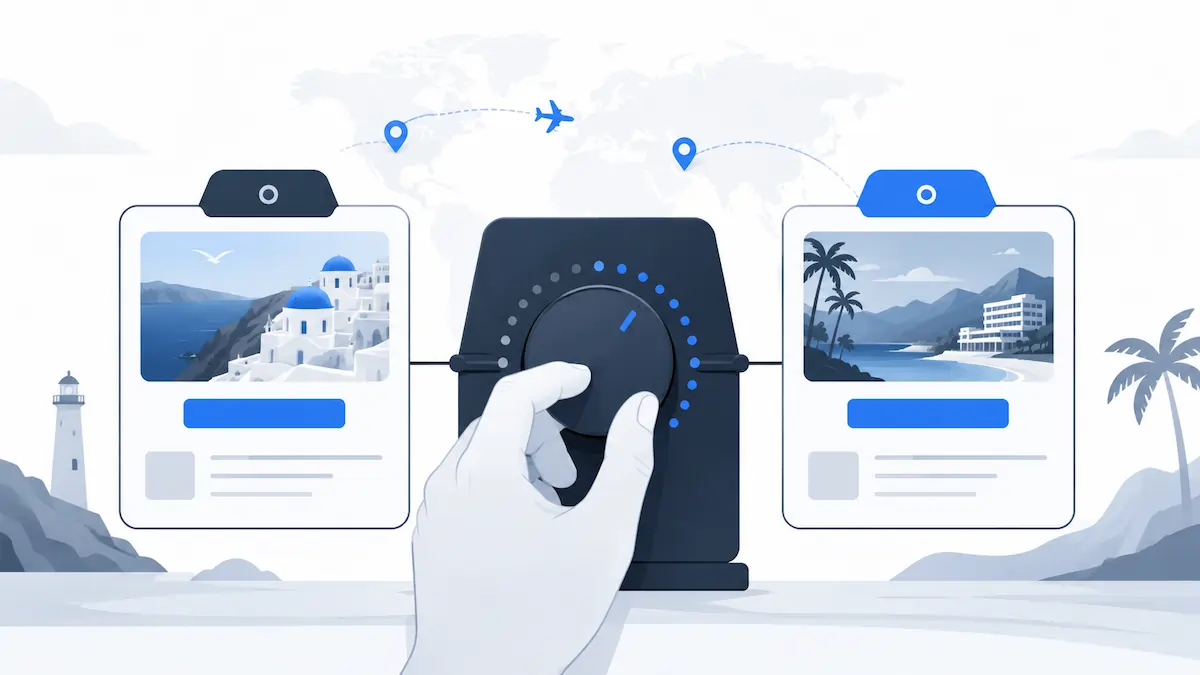
The global tourism industry stands at a critical crossroads where the digital maturity of major travel aggregators contrasts sharply with the traditional operational models of millions of smaller independent operators. While industry giants such as Booking.com, Expedia, and Airbnb have integrated high-frequency experimentation into their core business strategies—with Booking.com alone reportedly maintaining over 1,000 simultaneous tests at any given moment—the broader market remains significantly behind in adopting data-driven optimization. This disparity highlights a fundamental challenge in the sector: the reliance on self-reported survey data versus the observation of actual consumer behavior. As the travel landscape shifts in 2026, the industry is beginning to recognize that understanding the "intention-behavior gap" is no longer optional for those seeking to survive in an increasingly competitive and economically volatile environment.
The Methodological Shift from Surveys to Causal Experiments
For decades, tourism research and business strategy have been anchored in correlational data and retrospective surveys. However, academic and industry analysts have identified a persistent flaw in this approach known as the intention-behavior gap. This phenomenon describes the discrepancy between what travelers claim they value in surveys—such as sustainability or cultural authenticity—and the choices they actually make when booking. A landmark 2020 review of hospitality experiments emphasized that tourism research relies too heavily on what people say, rather than what they do.
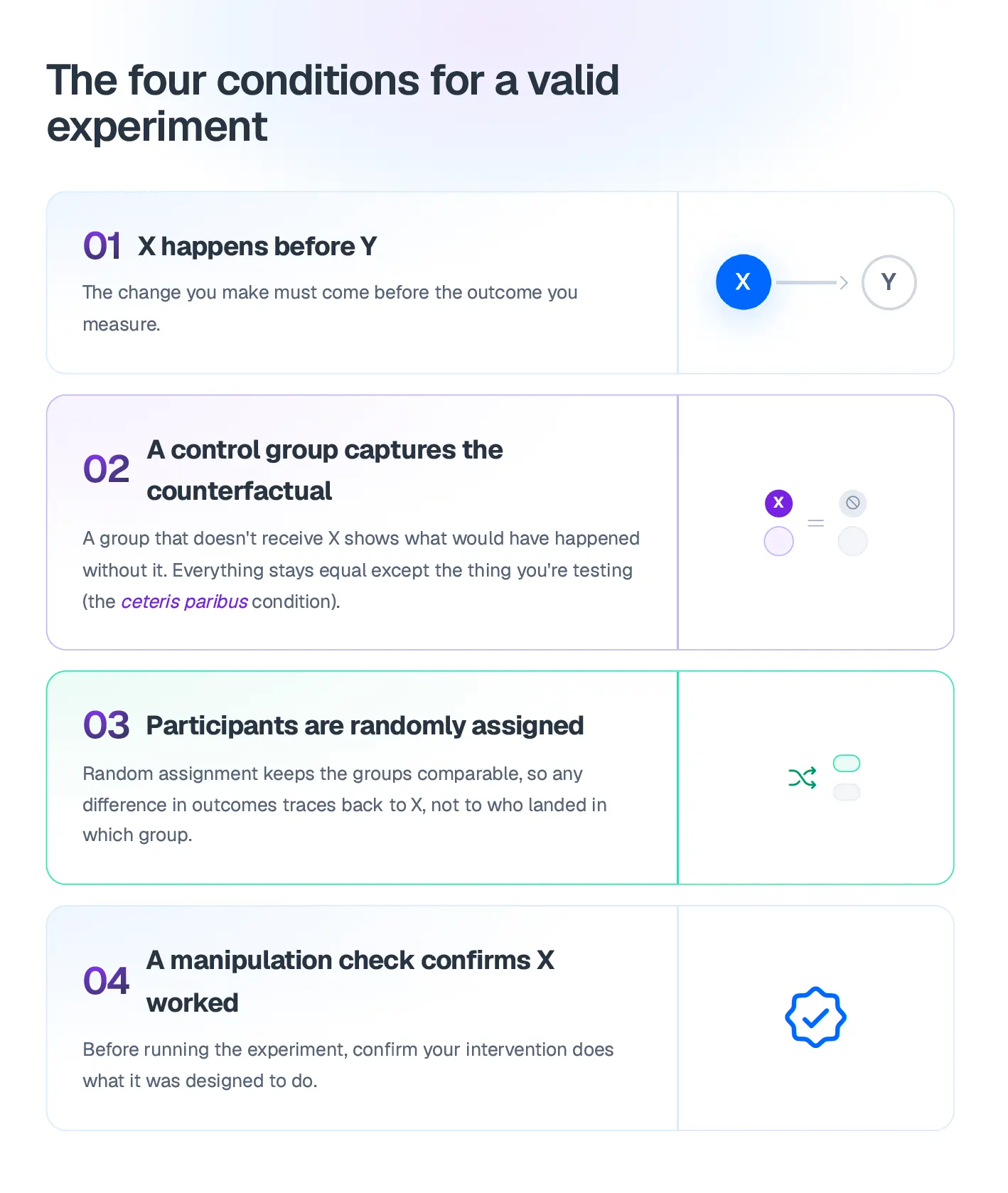
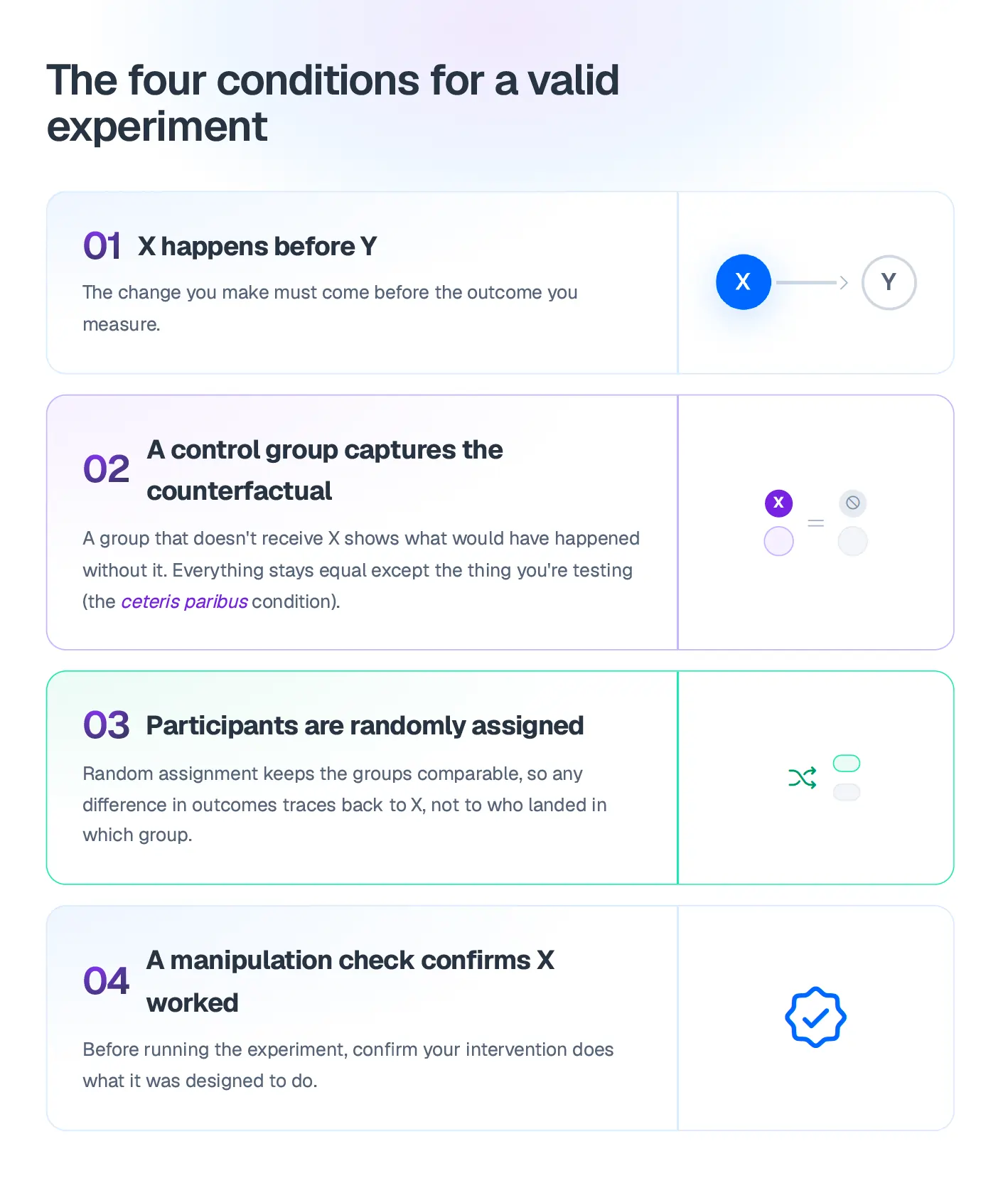
To establish a true causal relationship between a business intervention and a consumer outcome, researchers argue that four specific conditions must be met: the intervention must precede the outcome, there must be a measurable correlation between the two, all potential confounding variables must be accounted for, and a logical theory must explain the connection. In real-world settings, such as hotels or local attractions, these conditions are often difficult to control due to external factors like weather, local events, and the diverse mix of international guests. Despite these challenges, the industry is seeing a move toward natural field experiments, which offer high external validity, meaning the results can be generalized across different time periods and settings.
Understanding the Four Pillars of Tourism Research
Modern experimentation in the hospitality and travel sector generally falls into four distinct categories, each balancing the trade-off between controlled environments and real-world realism:
- Laboratory Experiments: These take place in highly controlled environments, often using simulated booking engines. While they allow for precise measurement, they often lack the "noise" of real-world decision-making.
- Online and Field Experiments: These are conducted in the actual settings where travelers make decisions, such as a live website or a hotel lobby. They provide the most accurate reflection of consumer behavior.
- Natural Experiments: These occur when a change happens due to external forces—such as a new government travel policy or a sudden weather event—allowing researchers to observe changes without direct intervention.
- Quasi-Experiments: These are used when random assignment of participants is not possible. Researchers compare groups that have been exposed to different conditions through existing circumstances.
A notable example of the failure of self-reported data was seen in a 2016 study regarding eco-certification for tour boats. While 60% of surveyed passengers claimed that environmental certification influenced their choice, only 14% could actually identify if the boat they had just stepped onto was certified. This highlights why A/B testing, which tracks actual clicks and conversions, is becoming the gold standard for tourism marketing.
Consumer Behavior Trends and Economic Pressures in 2026
The urgency for experimentation is driven by rapidly changing consumer habits. According to 2026 data from EY-Parthenon, nearly two-thirds of U.S. consumers anticipate an economic recession, leading to increased caution regarding discretionary spending. However, travel remains a resilient category. A 2026 KPMG "Summer of Experiences" report indicated that while overall spending per trip has decreased, 60% of consumers still planned to travel, opting for shorter durations and more cost-effective accommodations.
The demographic shift is even more pronounced among younger travelers. The 2026 American Express Global Travel Trends Report found that 74% of Millennials and Gen Z view travel as a "non-negotiable" expense. Furthermore, 64% of these younger workers stated they would accept a job with fewer benefits if it offered greater flexibility for travel. This "travel-first" mindset is reshaping how products are sold, with a heavy emphasis on hands-on activities. Approximately 79% of these demographics prefer experiential travel—such as local cooking classes or artisanal workshops—over the purchase of material goods.
Additionally, the "one trip, multiple destinations" pattern has gained significant traction. Data from Klook’s 2026 Travel Pulse study revealed that two-thirds of travelers now plan to visit multiple cities or regions within a single journey. This shift requires travel operators to move beyond simple point-to-point sales and instead offer integrated, multi-stop itineraries that cater to a more adventurous and mobile consumer base.
The Qualitative vs. Quantitative Debate in Tourism
Despite the clear benefits of A/B testing, the tourism industry remains culturally inclined toward Voice of Customer (VoC) research. Industry experts, including Laura Duhommet, who has worked with Disneyland Paris and Club Med, note that large-scale organizations often have entire departments dedicated to qualitative data but may lack robust quantitative experimentation teams.
There are three primary reasons for this qualitative tilt:
1. The Intangibility of the Product: Tourism sells an emotional experience rather than a physical object. Understanding the "why" behind a family’s satisfaction often requires open-ended feedback that a simple conversion metric cannot capture.

2. The Complexity of Motivation: Olivia Bedford, a hospitality consultant specializing in the African market, argues that selling a high-stakes trip—like a safari—depends on deep-seated motivation. This motivation is often influenced by social media, peer reviews, and user-generated content (UGC) long before the customer reaches a booking site.
3. Fragmented Customer Journeys: A typical vacation journey spans several stages: dreaming, planning, booking, experiencing, and reflecting. VoC research is effective at mapping these touchpoints to identify where service breakdowns occur, such as a slow check-in process or a confusing mobile app.
However, experts argue that VoC and A/B testing should not be viewed as mutually exclusive. While VoC acts as a "compass" to indicate the general direction of customer sentiment, A/B testing acts as the "GPS," providing the exact route to higher conversions.
Strategic Friction and the Role of Localization
One of the most surprising findings in tourism experimentation is that "friction"—the steps or obstacles a user encounters—can sometimes increase conversions. In traditional e-commerce, the goal is always to remove friction. However, in travel, education often precedes desire. Ryan Thomas, co-founder of Koalative, observed that for a home-exchange platform, a seamless booking process actually performed worse than one that included a mandatory "educational" sign-up flow. By forcing users to understand the unique mechanics of the platform first, the company built higher trust and intent.

Localization also plays a pivotal role in experimentation. A winning test in the United States may fail in Japan or Europe due to cultural differences in how pricing and safety are perceived. For instance, testing revealed that Spanish travelers often require more detailed explanations of dining options compared to their British counterparts. Similarly, pricing models—whether to show a "per person" or "per night" rate—must be tailored to regional expectations to avoid cart abandonment.
Expert Consensus and the Path Forward
The consensus among industry leaders like Jono Matla of Impact Conversion is that the era of relying solely on external trade partners and travel agents is ending. While many hotels previously outsourced their sales to Online Travel Agencies (OTAs) in exchange for guaranteed occupancy, the high commission fees are driving a renewed interest in direct-to-consumer (DTC) optimization.
To secure buy-in for experimentation, specialists recommend framing A/B testing as a "revenue-recovery mechanism." By demonstrating that a minor 0.3% lift in conversion rates can result in hundreds of thousands of dollars in additional annual revenue, practitioners can convince skeptical leadership that optimization is a growth engine rather than a mere IT expense.
As the industry moves deeper into 2026, the integration of qualitative "dreaming" data with quantitative "booking" data will define the winners in the tourism sector. The transition from "guessing" to "testing" is no longer limited to the likes of Airbnb and Booking.com; it is becoming a survival requirement for every operator in the global travel ecosystem. Through the combined power of Voice of Customer research and rigorous field experiments, the tourism industry is finally beginning to close the gap between what travelers say they want and what they are actually willing to book.







