

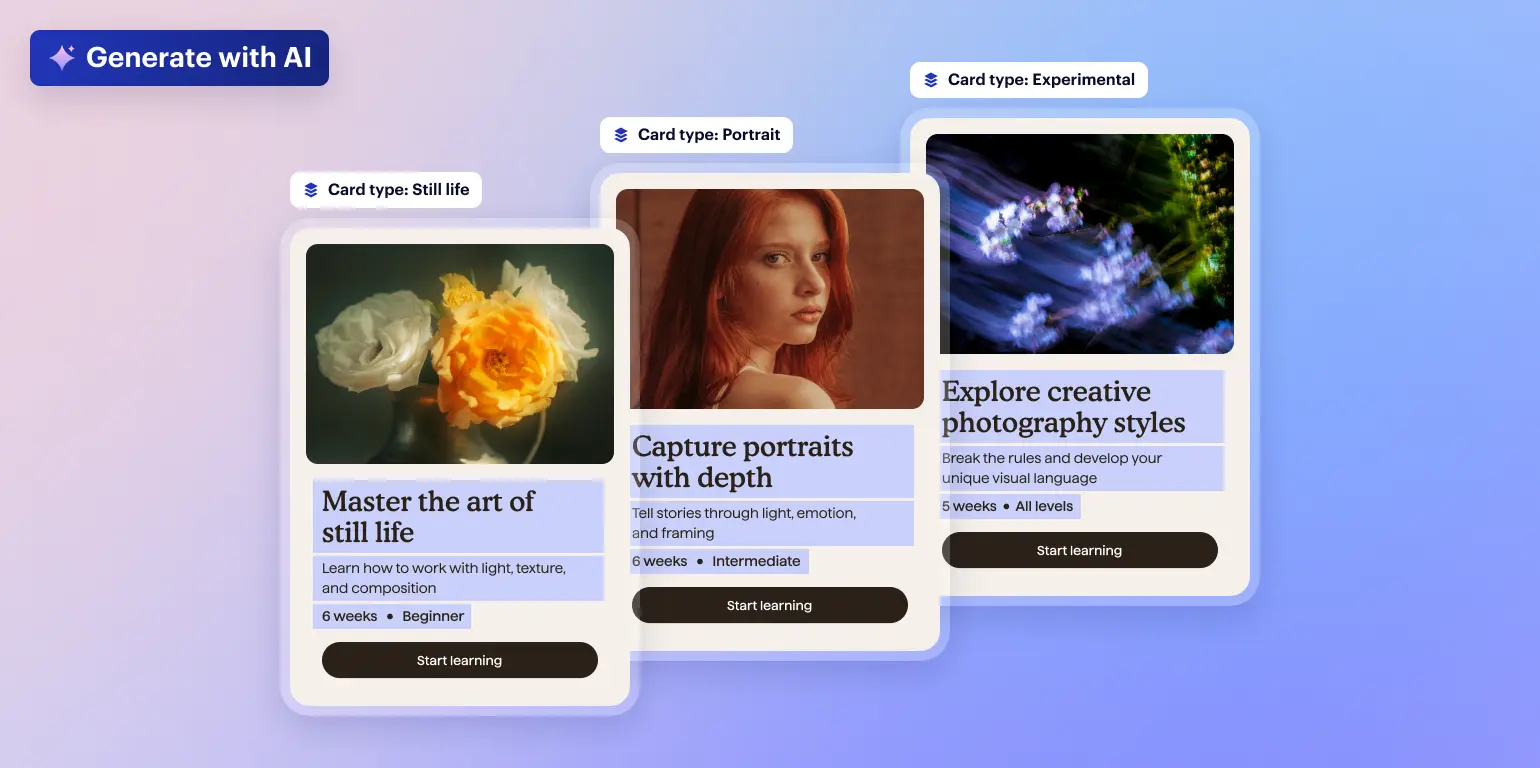
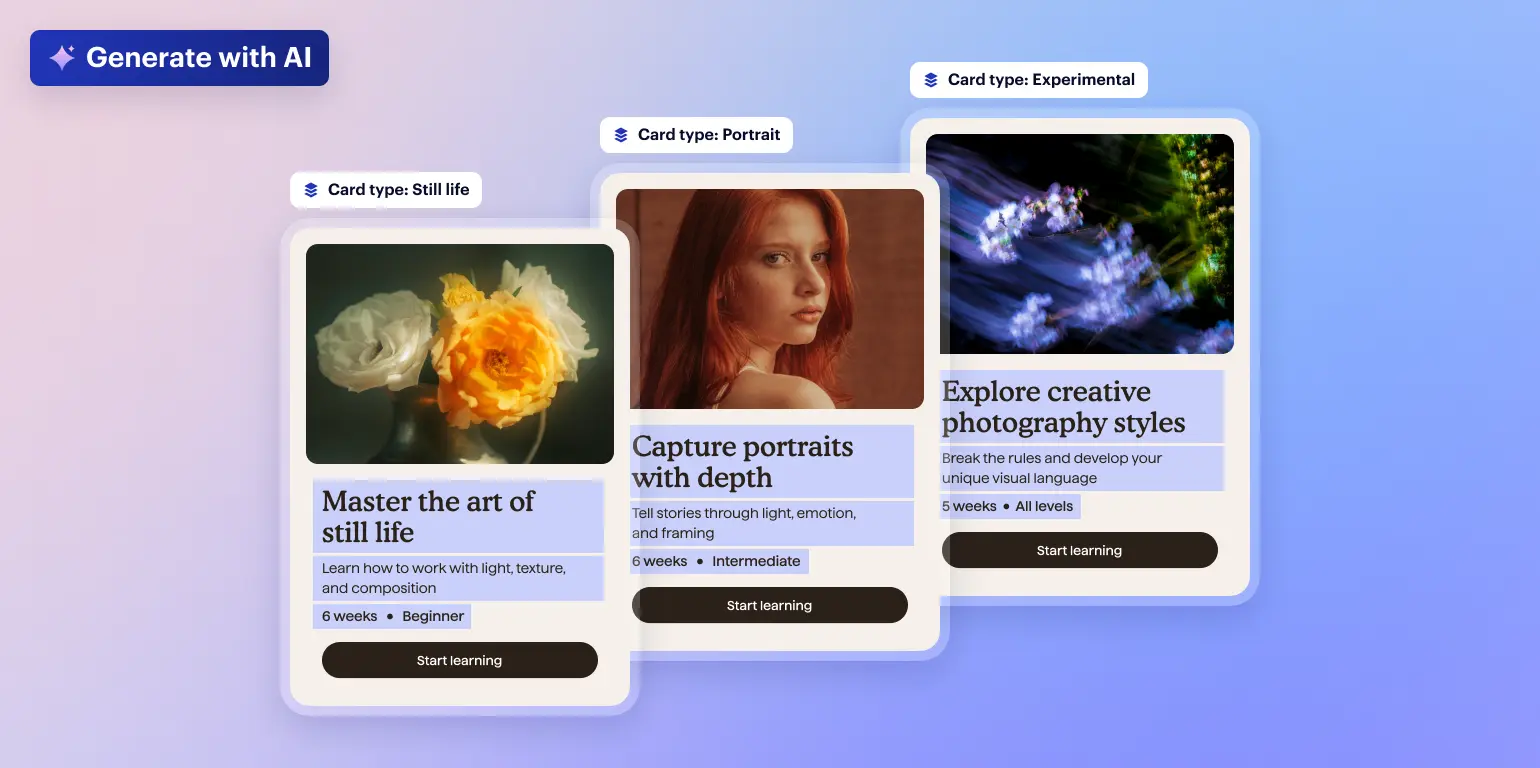
The digital marketing landscape is undergoing a fundamental shift as Instapage, a leader in landing page optimization, announces the launch of AI Collections, a sophisticated tool designed to bridge the gap between the desire for hyper-personalization and the logistical challenges of manual execution. For years, marketers have acknowledged that personalized content significantly boosts conversion rates and return on ad spend (ROAS). However, the technical debt and labor-intensive nature of creating unique pages for every audience segment have often led to the abandonment of such initiatives. AI Collections seeks to resolve this "personalization paradox" by leveraging generative artificial intelligence to automate the creation, population, and management of large-scale, personalized landing page sets.
The Personalization Paradox in Modern Marketing
In the current competitive environment, generic marketing messages are increasingly failing to capture consumer attention. According to recent industry data from McKinsey & Company, 71% of consumers expect companies to deliver personalized interactions, and 76% get frustrated when this does not happen. Furthermore, companies that excel at personalization generate 40% more revenue from those activities than average players. Despite these compelling statistics, the "execution gap" remains a significant hurdle.
Historically, creating a personalized experience meant a marketing team had to manually duplicate a primary landing page, edit the copy for specific keywords or demographics, adjust visual elements, and manage a sprawling web of URLs. This process is not only prone to human error but is also prohibitively slow. As a result, many high-potential campaigns eventually default to generic pages, leading to a disconnect between the ad creative and the post-click experience. AI Collections addresses this by allowing teams to build personalized pages up to three times faster than manual methods, effectively removing the primary barrier to entry for sophisticated digital campaigns.
Technical Architecture of AI Collections
At its core, AI Collections functions as a centralized management hub for dynamic content. Rather than treating each landing page as an isolated file, the system utilizes a template-based approach driven by a built-in content table. This architecture allows marketers to oversee dozens or even hundreds of pages from a single dashboard.
The workflow begins with the creation of a master template. Marketers select a high-performing layout and designate it as the foundation for the "Collection." From there, the system utilizes two primary AI-driven components: AI Placeholders and the Content Table.
AI-Driven Placeholder Identification
One of the most time-consuming aspects of dynamic page creation is determining which elements should change for different audiences. AI Collections simplifies this through an automated analysis of the page design. The AI scans the layout to identify optimal text and image positions that would benefit from variation. By automatically inserting placeholders, the system eliminates the need for manual coding or tedious "find and replace" workflows. Once the placeholders are set, marketers retain full editorial control, with the ability to review, modify, or remove any AI-suggested dynamic areas before proceeding to the content generation phase.
Automated Content Generation at Scale
Once the template is established, the focus shifts to the Content Table. In this environment, each row represents a unique page within the collection, while each column represents a specific dynamic element, such as a headline, a call-to-action (CTA), or a descriptive paragraph.
The integration of generative AI allows the platform to populate these tables almost instantaneously. By providing the AI with specific context—such as target audience demographics, specific pain points, or unique selling propositions (USPs) for different keywords—marketers can generate publish-ready copy for every entry in the table. This level of automation ensures that a user clicking on an ad for "enterprise cloud security" sees a different headline and value proposition than a user clicking on an ad for "small business data backup," even though both users land on pages derived from the same master template.
Chronology of Landing Page Technology
To understand the impact of AI Collections, it is necessary to examine the evolution of post-click optimization technology over the last two decades.
- The Era of Static Pages (2000s – 2010): Early digital marketing relied on static HTML pages. Personalization was virtually non-existent, and any changes required direct developer intervention.
- The Rise of Drag-and-Drop Builders (2010 – 2015): Platforms like Instapage democratized page creation, allowing marketers to build layouts without code. However, personalization still required manual duplication.
- Dynamic Text Replacement (DTR) (2015 – 2020): Tools were introduced to swap out specific words based on URL parameters (e.g., matching a headline to a Google Search keyword). While effective, DTR was limited to simple text swaps and could not handle complex layout changes or deep content shifts.
- The Generative AI Integration (2023 – Present): The current era, epitomized by AI Collections, moves beyond simple text replacement. It utilizes Large Language Models (LLMs) to create coherent, context-aware narratives across entire pages, adjusting not just words but the overall messaging strategy.
Integration with Fluid Grid Blocks
A common concern with automated content generation is "layout breakage." When a headline is generated that is significantly longer than the original template, it can overlap with other elements or ruin the visual hierarchy. Instapage has mitigated this risk by pairing AI Collections with its "fluid grid blocks" technology.
Fluid grid blocks are responsive design containers that automatically adjust their dimensions and spacing based on the amount of content they hold. This means that if the AI generates a three-line headline for one segment and a one-line headline for another, the rest of the page elements—such as images and buttons—will automatically shift to maintain a professional appearance. This "set-it-and-forget-it" approach to design is a critical component in achieving the promised 3x increase in deployment speed.
Market Implications and Professional Reactions
The introduction of AI Collections is expected to have a ripple effect across the digital advertising industry, particularly for agencies and internal performance marketing teams managing high-volume accounts.
Industry analysts suggest that this technology will shift the role of the digital marketer from "creator" to "editor-in-chief." Instead of spending hours in a design editor, marketers will focus on prompt engineering and strategic oversight. "The bottleneck in digital advertising has moved from the ‘buy’ side to the ‘creative’ side," notes one industry observer. "We can automate ad bidding in seconds, but creating the destination for those ads has remained a manual chore. Tools like AI Collections are finally bringing the post-click experience up to speed with the rest of the ad tech stack."
Preliminary feedback from beta testers indicates that the primary value lies in "long-tail" keyword targeting. In the past, it was not cost-effective to build a custom landing page for a keyword that only generated 50 clicks a month. With AI Collections, the marginal cost of creating that 50th or 100th page drops to near zero, allowing brands to capture highly specific, high-intent traffic that was previously ignored.
Impact on Revenue and ROI
The ultimate metric for the success of AI Collections will be its impact on the bottom line. By ensuring a tighter "message match" between the advertisement and the landing page, companies can expect a decrease in bounce rates and an increase in Quality Scores on platforms like Google Ads and Meta. Higher Quality Scores lead to lower costs-per-click (CPC), which, when combined with higher conversion rates from personalized content, results in a significantly improved Return on Ad Spend.
For example, a travel company using AI Collections could generate 500 different landing pages for 500 different destinations in the time it previously took to create five. Each page could feature localized imagery, specific weather-related benefits, and tailored pricing. The cumulative effect of this granular targeting is a more relevant user experience that translates directly into higher booking rates.
Future Outlook: The Autonomous Marketing Suite
The launch of AI Collections is likely just the beginning of a broader trend toward the "autonomous landing page." Future iterations of this technology may include real-time A/B testing driven by AI, where the system not only generates the content but also monitors performance and automatically tweaks the copy and layout to maximize conversions without human intervention.
As privacy regulations like GDPR and CCPA make third-party data tracking more difficult, "first-party relevance"—the ability to provide a great experience once a user arrives on a site—becomes the most important lever a marketer has. By simplifying the creation of these relevant experiences, Instapage is positioning itself as an essential tool for the next generation of privacy-conscious, data-driven marketing.
Conclusion
Instapage’s AI Collections represents a significant milestone in the maturation of MarTech. By addressing the manual labor hurdles that have historically stifled personalization, the tool allows brands to finally deliver on the promise of the "segment of one." As marketing teams continue to face pressure to do more with less, the ability to scale personalized content 3x faster will likely become a standard requirement rather than a luxury. For now, the era of the generic landing page appears to be drawing to a close, replaced by a more dynamic, AI-assisted future where every click leads to a destination specifically designed for the person who made it.







