rifanmuazin
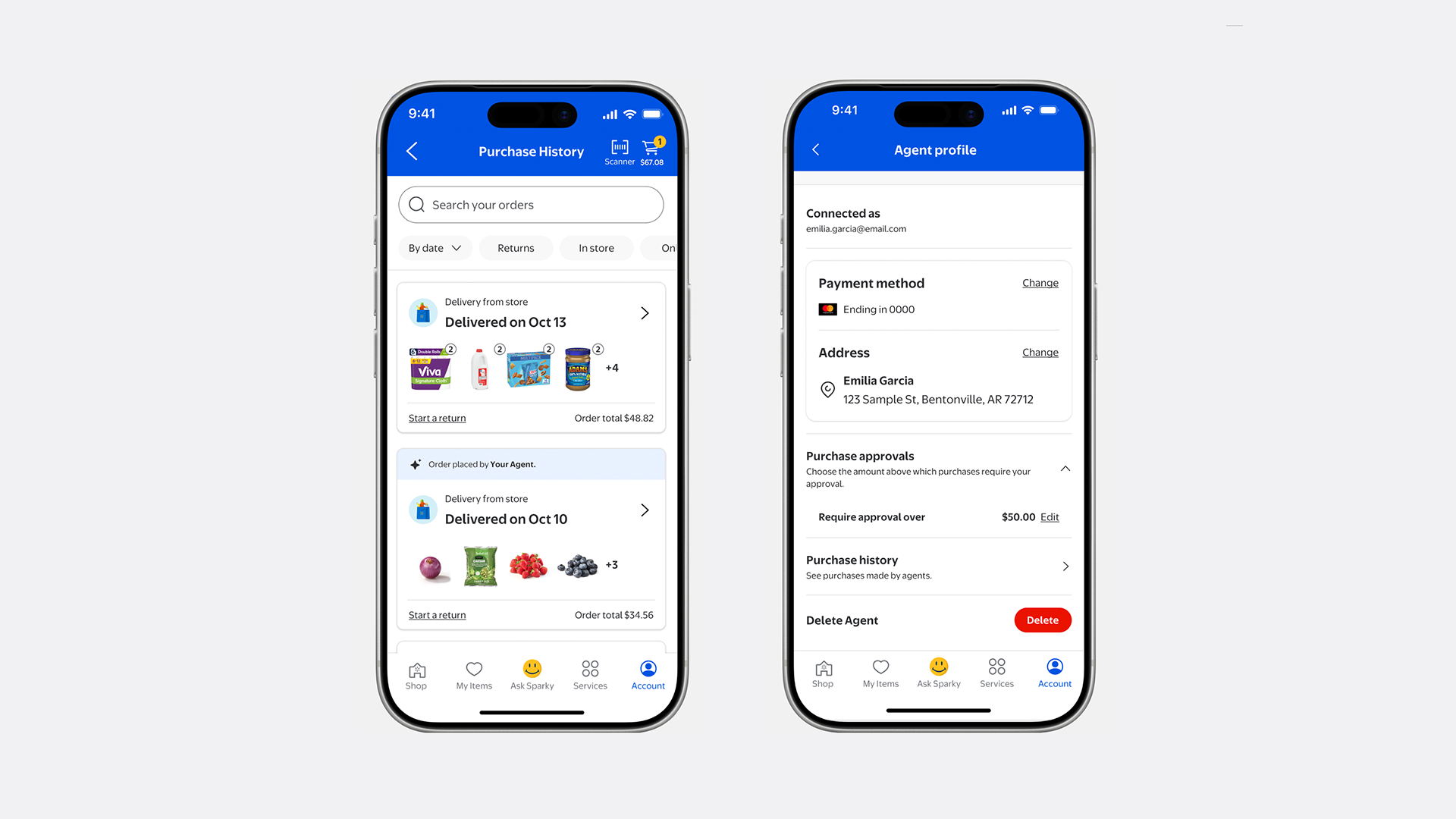
The year 2025 marked a pivotal moment for agentic commerce, a burgeoning sector of artificial intelligence-powered online interactions, as it dramatically increased web traffic to e-commerce retailers. While this four-digit year-over-year growth highlighted AI’s potential in customer acquisition, it also raised critical questions about the sustainability of this expansion and its tangible impact on conversion rates. However, new data emerging from Adobe Digital Insights, covering the first quarter of 2026, appears to offer compelling answers, indicating a significant improvement in conversion performance from AI-driven traffic sources. These findings suggest a fundamental shift in the relationship between AI-referred visitors and traditional traffic, with AI’s role evolving from mere discovery to a more potent driver of sales.
Adobe, a prominent player in the e-commerce ecosystem, operates a comprehensive platform offering solutions for site design, development, web analytics, and e-commerce management. Its influence is substantial, with over 130 of North America’s Top 2000 online retailers relying on its e-commerce platform, and a significant number also utilizing its services for site design and web analytics. This broad adoption provides Adobe with a unique vantage point to observe and analyze emerging trends in online retail.
The Evolving AI Conversion Equation
As of March 2026, Adobe’s analysis reveals a striking trend: AI-driven traffic to e-commerce websites converted at a rate 42% higher than traffic from non-AI sources. This represents a dramatic turnaround from the preceding year, when AI-referred visitors converted at nearly half the rate of their non-AI counterparts. This reversal suggests that AI assistants are maturing beyond their initial role as simple web browsers, becoming increasingly adept at guiding consumers toward making purchases.
This improved conversion efficiency is further underscored by Adobe’s proprietary survey data. The survey indicates a growing consumer confidence in AI-assisted online shopping. A substantial 79% of consumers who utilize AI for online shopping reported feeling more confident in their purchasing decisions after interacting with an AI assistant. Furthermore, 69% of these users indicated they were less likely to return an item purchased with the assistance of an AI tool. This suggests that AI is not only driving initial traffic but also fostering a more considered and committed purchasing behavior, potentially reducing return rates and enhancing overall customer satisfaction.
Deeper Engagement and Increased Revenue from AI-Referred Visitors
Beyond conversion rates, Adobe’s March 2026 data highlights several other positive dynamics associated with AI-referred traffic. Despite a slight deceleration in the explosive growth rate observed in previous months, AI-driven traffic to retailer websites still experienced a remarkable 393% year-over-year increase in the first quarter of 2026. This sustained surge in AI-generated traffic is accompanied by enhanced user engagement metrics. Visitors arriving via AI referrals exhibited a 12% lower bounce rate compared to non-AI traffic, indicating a greater level of initial interest and engagement.
Moreover, these AI-associated visitors demonstrated a stronger propensity to explore retail sites. They spent an average of 48% more time on these websites than their non-AI counterparts and viewed 13% more pages per visit. This deeper engagement suggests that AI is effectively directing users to relevant products and content, facilitating a more thorough browsing experience.
The most compelling finding, however, relates to revenue generation. Retailers observed a significant uplift in revenue per visit (RPV) from AI-associated customers, with RPV being 37% higher than that of non-AI traffic. This suggests that AI is not only driving more traffic and deeper engagement but is also converting that engagement into higher-value transactions.
A Timeline of AI’s E-commerce Ascent
To fully appreciate the significance of these findings, it’s crucial to contextualize them within a broader timeline of AI’s integration into e-commerce:
- Pre-2023: Early forms of AI and machine learning were employed in e-commerce for personalization, recommendation engines, and fraud detection. However, "agentic commerce" as a distinct, user-facing concept was not yet prominent.
- 2023-2024: The rapid advancement and public release of sophisticated generative AI models, such as large language models, began to fuel widespread consumer interest and experimentation. This period saw the nascent stages of AI assistants being used for product discovery and basic inquiries.
- 2025 (Early to Mid): Agentic commerce experienced exponential growth, primarily driven by AI-powered search and recommendation tools. This surge in traffic, while impressive, was met with skepticism regarding its long-term conversion effectiveness. Adobe’s initial data from this period likely showed lower conversion rates for AI-referred traffic as users were still learning to leverage these tools effectively.
- Late 2025: Retailers and AI developers began optimizing their strategies. Retailers focused on integrating AI more seamlessly into their customer journeys, while AI models became more adept at understanding user intent and providing targeted recommendations. This period saw the significant year-over-year traffic increases mentioned, with December 2025 recording a 673% surge in AI-associated traffic compared to the previous year.
- Early 2026 (Q1): The data from Adobe Digital Insights for the first quarter of 2026 signifies a maturation of agentic commerce. The substantial improvement in conversion rates (42% higher than non-AI traffic) indicates that AI is now a more reliable driver of sales, moving beyond mere traffic generation to demonstrably contribute to the bottom line. The observed increase in engagement metrics like time on site and pages viewed further supports this narrative.
Industry Reactions and Expert Analysis
While the original article does not include direct quotes from industry leaders outside of Adobe’s internal analysis, the implications of these findings are likely to spark considerable discussion and strategic adjustments across the e-commerce sector. E-commerce platform providers, digital marketing agencies, and online retailers will undoubtedly be scrutinizing this data to refine their AI strategies.
An inferred reaction from industry observers might be one of cautious optimism. The initial "wow factor" of AI-driven traffic growth has now been tempered by concrete evidence of its revenue-generating capabilities. This suggests a move from experimental adoption to more strategic integration. Retailers who have invested in AI-powered customer service, personalized shopping experiences, and sophisticated recommendation engines are likely to see a significant return on their investment.
Furthermore, the data on reduced return rates and increased consumer confidence hints at a potential paradigm shift in online shopping. AI assistants, by providing more informed product recommendations and answering detailed queries, may be empowering consumers to make more confident and suitable purchase decisions, thereby reducing the likelihood of dissatisfaction and subsequent returns. This could lead to significant cost savings for retailers and a more sustainable e-commerce model.
Broader Impact and Future Implications
The trend of improving AI conversion rates has profound implications for the future of e-commerce:
- Personalization at Scale: AI’s ability to understand individual customer preferences and guide them to relevant products can deliver hyper-personalized shopping experiences at a scale previously unimaginable. This could lead to increased customer loyalty and lifetime value.
- Evolving Search and Discovery: Traditional search engines may face increased competition from AI-powered conversational search agents that can understand nuanced queries and provide direct answers or product recommendations. Retailers will need to optimize their content and product listings for these new discovery mechanisms.
- Customer Service Transformation: AI chatbots and virtual assistants are becoming increasingly sophisticated, capable of handling a wider range of customer inquiries, from order tracking to product troubleshooting. This can free up human customer service agents to handle more complex issues, improving overall efficiency and customer satisfaction.
- Data-Driven Decision Making: The rich data generated by AI interactions provides invaluable insights into customer behavior, preferences, and pain points. Retailers can leverage this data to optimize their product offerings, marketing campaigns, and overall business strategies.
- The Rise of Agentic Commerce: The term "agentic commerce" itself signifies a move towards AI acting as a proactive agent on behalf of the consumer, assisting them throughout the entire shopping journey. This could lead to more intuitive, efficient, and enjoyable online shopping experiences.
While the growth rate of AI-driven traffic might eventually stabilize, the trend towards improved conversion and engagement suggests that AI is poised to become an indispensable component of the e-commerce landscape. The findings from Adobe Digital Insights provide a compelling case for continued investment and innovation in AI technologies within the online retail sector, signaling a future where intelligent agents play a central role in how consumers discover, choose, and purchase products online.

 Raul Delapena Setiawan
 Ammar Sabilarrohman