The term “target” is fundamental to marketing, representing the crucial question of audience identification. Marketers employ various targeting strategies, including behavioral, psychographic, demographic, and geographic segmentation. However, an equally vital, yet often overlooked, aspect is understanding how to effectively communicate with different generational cohorts. This series delves into digital marketing strategies tailored for Generation Z (born 1995-2010), Millennials (1980-1994), Generation X (1960-1979), and Baby Boomers (1940-1959), aiming to equip businesses with the insights needed to reach these groups with the right message on the right platforms. We commence this comprehensive exploration with the youngest demographic poised to significantly influence the consumer landscape: Generation Z.
Generation Z, often characterized by a perceived air of trendsetting and a distinct digital fluency, is frequently discussed as a burgeoning demographic force. Common descriptors, sometimes bordering on stereotype, include their aversion to certain fashion trends, their dominance on platforms like TikTok, and a perceived blend of tech-savviness, dark humor, and a pragmatic outlook. As with any emerging generation, established consumer groups, including Baby Boomers, Gen X, and Millennials, are observing and often commenting on the characteristics of Gen Z as they increasingly enter the workforce and exert their purchasing power. This analysis, however, aims to move beyond anecdotal observations to provide a data-driven understanding of this pivotal demographic.
The author, identifying as a member of Generation Z, offers an insider’s perspective, aiming to demystify the cohort’s motivations and behaviors, particularly within the context of consumerism and digital engagement. This insider perspective is crucial for bridging the gap in understanding between generations and for developing marketing strategies that resonate authentically.
The Gen Z Mindset: Shaped by Digital Immersion and Global Events
Generation Z stands as the first truly digital native generation. Their formative years were marked by ubiquitous access to smartphones, computers, and the internet, embedding digital interaction into the fabric of their daily lives. This constant connectivity has coincided with a series of significant global events that have profoundly shaped their worldview. They are the first generation to come of age in the post-9/11 era, a period characterized by heightened security concerns and a shifting geopolitical landscape. Many experienced the economic anxieties of the Great Recession through their families’ financial struggles, fostering a sense of fiscal prudence and a pragmatic approach to financial planning. More recently, as they navigate the critical transitions into higher education, vocational training, and the professional world, they have faced the unprecedented disruption of the global COVID-19 pandemic.
These cumulative experiences have cultivated a generation that is demonstrably realistic, open-minded, and pragmatic. Their digital mastery is evident in their mobile-first orientation and their sophisticated understanding of online platforms. As consumers, they exhibit a strong ethical compass, prioritizing brands that align with their values and demonstrating a keen awareness of social and environmental issues. This ethical purchasing behavior is often accompanied by a discerning eye for authenticity; they possess a notoriously short attention span for inauthentic or overly aggressive advertising, quickly disengaging from content they perceive as disingenuous. Furthermore, a notable characteristic is their strong emphasis on uniqueness and individuality, valuing products and experiences that allow them to express their distinct identities.

This inherent skepticism towards traditional marketing approaches is understandable. Having grown up inundated with advertisements across their preferred digital channels, Gen Z has developed a sophisticated filtering mechanism. To effectively capture their attention and foster brand loyalty, marketers must move beyond conventional tactics and focus on creating content that is not only engaging but also authentic, value-driven, and innovative. Standing out in a crowded digital space requires a nuanced understanding of their preferences and a commitment to transparency.
Gen Z Consumption Patterns: Data-Driven Insights
Research from reputable institutions provides critical insights into the consumption habits of Generation Z. A comprehensive study by McKinsey & Company, titled “True Gen: Generation Z and its implications for companies,” highlights key aspects of their purchasing behavior. While the original article did not include specific data points from this study, external research consistently points to several defining characteristics:
- Value-Conscious Spending: Gen Z is often characterized by a pragmatic approach to spending, prioritizing value for money. They are adept at comparing prices, seeking out discounts, and investing in products that offer durability and long-term utility. This is likely a direct consequence of witnessing the economic hardships faced by previous generations during downturns.
- Brand Authenticity and Values: Beyond price, Gen Z places a significant premium on brand authenticity and ethical practices. They actively research a company’s social and environmental impact, its stance on diversity and inclusion, and its commitment to sustainability. Brands that demonstrate genuine commitment to these principles are more likely to earn their trust and loyalty. A 2021 study by YPulse indicated that 75% of Gen Z consumers believe it’s important for brands to take a stand on social issues.
- Influence of Social Media and Peers: Social media platforms play a pivotal role in their discovery and purchasing decisions. They are heavily influenced by peer reviews, influencer recommendations, and user-generated content. This underscores the importance of social proof and community building in marketing strategies. Data from Sprout Social suggests that 60% of Gen Z discovers new products through social media.
- Desire for Personalized Experiences: While valuing authenticity, Gen Z also appreciates personalized experiences. They expect brands to understand their individual preferences and tailor recommendations and communications accordingly. This demand for personalization drives the need for sophisticated data analytics and targeted marketing efforts.
- The Rise of the “Conscious Consumer”: This generation is at the forefront of the conscious consumerism movement. They are more likely to support brands that align with their personal values, whether that be environmental sustainability, ethical labor practices, or social justice. This trend is projected to grow, with Gen Z’s purchasing power increasing significantly in the coming years.
Marketing to Gen Z: Strategic Approaches for the Digital Arena
Translating these insights into actionable digital marketing strategies requires a multi-faceted approach. Understanding where Gen Z spends their time online and what messaging resonates with them is paramount.
Platforms to Reach Gen Z
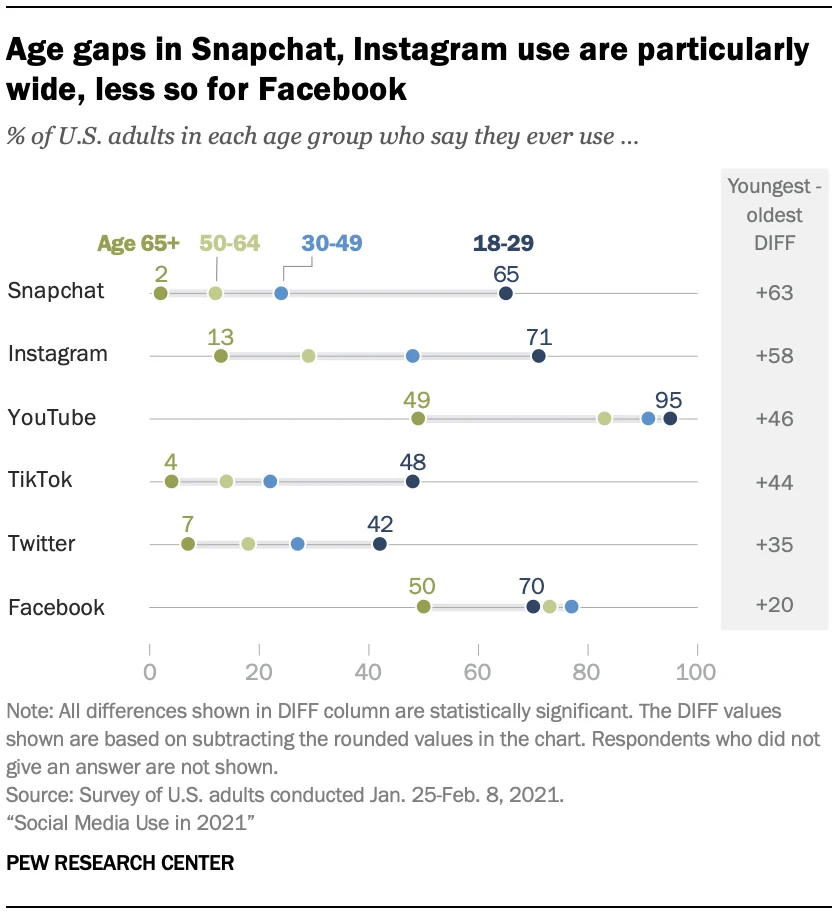
Gen Z’s digital landscape is dynamic and diverse. While certain platforms are dominant, their engagement can vary based on content and context.
- TikTok: This short-form video platform has become a cultural phenomenon and a primary hub for Gen Z. Its algorithm-driven content delivery and emphasis on trends, challenges, and authentic creator-led content make it highly engaging. Brands can leverage TikTok through creative video content, influencer collaborations, and participation in trending conversations.
- Instagram: While its user base is diverse, Instagram remains a significant platform for Gen Z, particularly for visual content, lifestyle inspiration, and product discovery. Features like Stories, Reels, and shoppable posts offer various avenues for brands to connect.
- YouTube: This long-form video platform continues to be a go-to for entertainment, education, and in-depth product reviews. Gen Z utilizes YouTube for everything from learning new skills to following their favorite content creators. Brands can engage through pre-roll ads, sponsored content with YouTubers, and by producing valuable, informative video content.
- Snapchat: Known for its ephemeral messaging and filters, Snapchat maintains a strong presence among younger demographics. It offers opportunities for interactive campaigns, augmented reality (AR) experiences, and behind-the-scenes content.
- Twitch: This live-streaming platform, primarily focused on gaming, has a dedicated Gen Z audience. Brands can engage through sponsorships of popular streamers, in-stream advertising, and by creating content relevant to the gaming and esports community.
- Discord: This communication platform, popular within niche communities and gaming groups, offers a more intimate way for brands to connect with specific segments of Gen Z. Building community and offering exclusive content or early access can be effective here.
It is important to note that while platforms like Facebook and Twitter may not be as dominant for Gen Z as for older generations, they can still be relevant for specific campaign objectives or for reaching the older end of the Gen Z spectrum.
Messaging That Speaks to Gen Z
Crafting compelling messages for Gen Z requires an understanding of their communication preferences and values.

- Authenticity and Transparency: Gen Z can quickly detect inauthenticity. Messages should be genuine, relatable, and avoid overly polished or corporate jargon. Transparency about brand practices, values, and even shortcomings is highly valued.
- Value-Driven Content: Beyond product promotion, content that offers genuine value – educational, entertaining, or inspiring – is more likely to capture their attention. This could include tutorials, behind-the-scenes glimpses, or content that addresses social issues they care about.
- Short-Form and Visually Appealing: Given their shorter attention spans, content should be concise and visually engaging. Short videos, infographics, and striking imagery are more effective than lengthy text blocks.
- Humor and Relatability: A touch of humor, particularly if it aligns with their unique comedic sensibilities, can be highly effective. Content that reflects their everyday experiences and challenges can foster a sense of connection.
- User-Generated Content and Community: Empowering users to create and share their own content related to the brand fosters a sense of community and authenticity. Encouraging reviews, testimonials, and social media sharing can amplify brand reach.
- Social Impact and Purpose: Messages that highlight a brand’s commitment to social and environmental causes resonate deeply. Gen Z wants to support brands that are making a positive difference in the world.
- Interactive and Experiential: Engaging them through interactive elements like polls, quizzes, AR filters, or live Q&A sessions can increase engagement and create memorable brand experiences.
Broader Implications and Future Considerations
The strategic imperative for businesses to understand and effectively market to Generation Z cannot be overstated. As this cohort’s economic influence grows, their preferences will increasingly shape market trends and consumer behavior across all industries. Companies that fail to adapt their marketing strategies to resonate with Gen Z risk being left behind.
The ongoing evolution of digital platforms and consumer preferences necessitates a continuous learning and adaptation process. What works today may not be effective tomorrow. Therefore, a commitment to data analysis, experimentation, and agile marketing approaches is crucial. Furthermore, as Gen Z matures, their needs and expectations will evolve. Marketers must remain attuned to these shifts and be prepared to refine their strategies accordingly.
Ultimately, successful marketing to Generation Z is not about applying a rigid set of rules but about fostering genuine connections based on authenticity, shared values, and compelling, value-driven content delivered through the platforms they actively engage with. For brands seeking to forge meaningful relationships with this influential demographic and build lasting loyalty, a deep understanding of their mindset, consumption patterns, and digital habits is no longer optional – it is a fundamental requirement for success.
For those seeking to develop more tailored digital marketing solutions to effectively reach and convert their Gen Z audience, consulting with experienced marketing professionals can provide invaluable guidance and strategic support.


 Ali Ikhwan
 Reynand Wu