
 rifanmuazin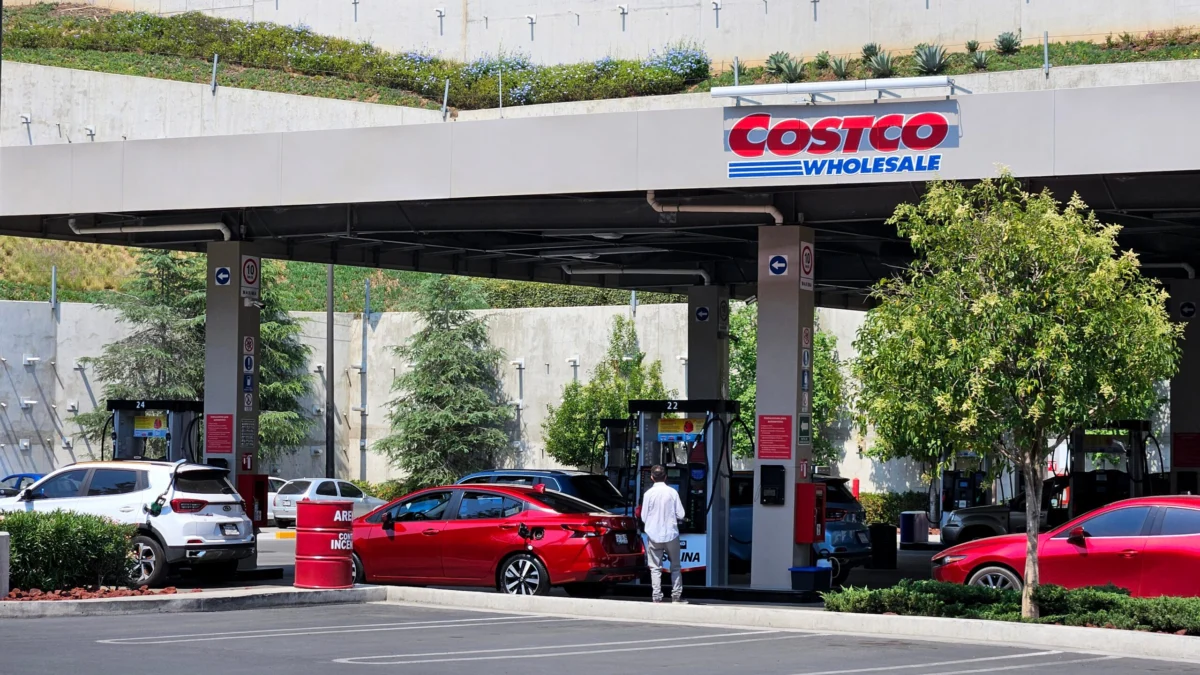
Executives at Costco Wholesale have provided a detailed overview of how the retail giant is strategically addressing significant macroeconomic challenges, most notably the dramatic surge in oil prices and its subsequent impact on fuel sales, alongside the complex process of recovering tariff refunds. During the company’s third-quarter earnings call, CEO Ron Vachris underscored the paramount importance of these issues to the membership base, highlighting how fluctuating fuel costs have become a central concern for Costco’s loyal customers.
“Gas prices are very much on members’ minds,” Vachris stated, acknowledging the substantial influence these prices have exerted on the growth of Costco’s gas sales. He elaborated that in recent months, fuel purchases have consequently represented a larger proportion of a member’s total expenditure with the company. This trend underscores Costco’s core value proposition: delivering quality goods and services at the lowest possible price, a strategy that continues to resonate deeply with its membership, especially during periods of economic uncertainty.
The geopolitical landscape has played a pivotal role in shaping this economic environment. Vachris specifically referenced the ongoing conflict involving Iran, which has led to considerable disruptions in the global oil supply chain, thereby driving up prices. This assertion aligns with observable market data. As of May 29, the price of a barrel of crude oil hovered around $86. This figure represents a significant escalation from earlier in the year and the previous year. For context, oil prices reached approximately $112 per barrel on April 7, a stark contrast to the roughly $66 per barrel at the onset of the conflict in late February, according to historical data compiled by Trading Economics.
Costco’s fiscal third quarter commenced on February 16, a period just under two weeks before the geopolitical tensions escalated and began to significantly impact global markets. At that time, a barrel of oil was trading at approximately $66, indicating a substantial price increase experienced by Costco and its members throughout the quarter. This volatility directly translates into the retail environment, impacting consumer spending habits and corporate operational costs.
Costco Wholesale, a titan in the retail sector, holds a significant position in the e-commerce landscape. The company ranks seventh in the Top 2000 Database, a comprehensive compilation by Digital Commerce 360 that ranks the largest online retailers in North America based on their annual e-commerce sales. Furthermore, Costco is recognized as the fourth-largest Mass Merchant within this esteemed database, signifying its substantial reach and influence across multiple retail channels.
Shifts in Costco Member Traffic Patterns Amidst Rising Fuel Costs
The surge in fuel prices has not only influenced sales figures but has also subtly altered consumer behavior and traffic patterns at Costco locations. Chief Financial Officer Gary Millerchip noted a year-over-year increase in traffic specifically at Costco’s gas stations during the third quarter. It is important to note that Costco’s internal traffic metrics typically do not encompass visitors solely to the gas stations. However, Millerchip provided insight into member behavior, stating that generally, “a little less than half” of members who visit a Costco gas station also proceed to enter the warehouse itself.
“I wouldn’t say we’ve seen a dramatic change when you look at our results in the third quarter around traffic overall as a result of that,” Millerchip commented. He attributed this relative stability in overall warehouse traffic, despite increased gas station visits, to a shift in member purchasing habits. “We think that’s partly because a lot of members are increasing their frequency of visiting the gas station to top up in between what would have normally been a gap between getting the tank to empty because of the concern about what might the gas price be tomorrow,” he explained. This behavior suggests a proactive approach by consumers to secure fuel at perceived favorable prices, driven by apprehension about future cost escalations.
Millerchip further elaborated on the behavioral economics at play, highlighting that Costco members who consistently purchase gas at the retailer’s stations tend to exhibit higher engagement with the brand overall. These members generally visit Costco stores more frequently, allocate a greater portion of their spending to Costco products within the warehouse, and demonstrate higher membership renewal rates compared to members who do not utilize Costco’s fuel services.
“So we do think it’s a good, healthy barometer of long-term growth for the business as we continue to drive engagement in gas,” Millerchip concluded, underscoring the strategic importance of the fuel segment in fostering sustained member loyalty and driving overall business growth. The gas station, in this context, acts as a significant touchpoint that draws members into the broader Costco ecosystem, encouraging increased spending and long-term commitment.
The Tangible Impact of Elevated Gas Prices on Costco’s Q3 Performance
The market dynamics surrounding oil prices had a profound and quantifiable impact on Costco’s sales performance during the third quarter. CEO Ron Vachris reported that the fluctuations in oil prices resulted in record-breaking sales volumes for the company’s fuel operations. Specifically, each month within the third quarter established new all-time volume sales records. The latter half of Costco’s fiscal third quarter, encompassing the final five weeks, represented the top five weeks ever for the volume of gasoline sold by the retailer.
“The high consumer price sensitivity, which fueled these record volumes, also drove many members to use our gas stations for the very first time in the third quarter,” Vachris emphasized. This influx of new customers to the gas stations presents a significant opportunity for future member retention and increased warehouse spending. “We believe this will drive even greater loyalty with these members in the future as members who use our gas stations typically spend more with us in the warehouse,” he added, articulating a clear strategy to leverage this newly acquired customer base.
Chief Financial Officer Gary Millerchip provided a more granular financial perspective, quantifying the impact of gas price inflation on Costco’s overall sales. He stated that gas price inflation positively contributed to Costco’s sales by approximately 2.2% during its fiscal third quarter. This figure highlights the substantial influence of fuel prices on the company’s top-line performance. Furthermore, Millerchip observed that Costco members increasingly allocated a larger proportion of their total discretionary spending towards gasoline during this period, a direct consequence of the elevated price per gallon.
“Because of the impact of higher gas prices, we felt it was important to continue to deliver more value for our members,” Millerchip reiterated, underscoring Costco’s commitment to its core mission even amidst inflationary pressures. He reported that comparable sales for gas stations demonstrated robust growth, with a percentage increase in the high twenties. This impressive growth was attributed to a combination of year-over-year increases in the price per gallon and a significant acceleration in sales volumes.
However, the surge in fuel prices was not without its own operational implications for Costco. The company experienced an commensurate increase in its own transportation costs, a direct consequence of the higher prices at the pump. This internal cost escalation necessitates careful management and strategic adjustments to mitigate its impact on profitability.
In response to these evolving logistical demands and the strategic importance of its fuel operations, Costco has been actively investing in its infrastructure. Thus far in its fiscal year 2026, the company has undertaken the relocation of two of its retail stores. A third relocation is planned for the current quarter. These relocations are specifically targeting high-volume warehouses, moving them to larger, more strategically advantageous locations. These new sites are designed to offer enhanced amenities, including increased parking capacity and expanded gas stations, to better accommodate member demand and improve the overall shopping experience. Vachris articulated the strategic intent behind these investments: “to provide a better member experience and drive higher volume in those warehouses.”
Addressing Tariff Refunds and Future Economic Outlook
Beyond the immediate impact of oil prices, Costco’s leadership is also actively managing the complexities surrounding tariff refunds, a process stemming from the Inflation-Related Executive Powers Act (IEEPA) tariffs. CEO Ron Vachris indicated that the company is diligently monitoring multiple economic “headwinds” that could affect its business operations and pricing strategies.
“We’re closely monitoring the longer-term inflationary impacts of higher oil prices as well as the future impacts of tariffs,” Vachris stated. He expressed confidence in the adaptability and expertise of Costco’s buying teams, who are employing their considerable experience to minimize the impact of these economic pressures on consumer prices. “Our buyers continue to demonstrate their ability to adapt and are using their significant experience and expertise to try to reduce the impact on prices for our members. Our goal is to be the first to lower prices and the last to raise them,” Vachris affirmed, reinforcing Costco’s long-standing commitment to price leadership.
Regarding the specific issue of tariff refunds, Vachris confirmed that Costco has initiated the process of submitting its refund claims for the IEEPA tariffs. The company is utilizing the established procedures set forth by U.S. Customs and Border Protection for these claims. Based on the experiences of other entities that have undergone this refund process, Costco anticipates receiving refunds on its approved claims on a rolling basis over the next two to three months.
The company’s strategy for managing these anticipated refunds is centered on returning value directly to its members. “Our plan is to return to our members, in some form, the portion of tariffs that were passed on to them,” Vachris declared. He acknowledged that the specifics of this return, including the amount and timing, are contingent upon several factors. These include the total sum of refund money received and the timeline of its arrival, as well as any developments arising from a lawsuit that has been filed against the company concerning the tariff refund process. This legal challenge introduces an element of uncertainty into the precise execution of Costco’s refund plan, but the commitment to member benefit remains a guiding principle.
The ongoing management of these economic factors—from fluctuating energy prices to the intricate process of tariff refunds—demonstrates Costco’s proactive and member-centric approach to navigating a complex and often volatile global economic landscape. The company’s ability to adapt its strategies, leverage its scale, and maintain its core value proposition will be critical in ensuring continued growth and member loyalty in the months and years ahead. The consistent focus on providing value, as exemplified by its response to both the oil price surge and the impending tariff refunds, solidifies Costco’s position as a resilient and member-focused retailer.









