The landscape of international e-commerce is evolving, with many burgeoning brands traditionally setting their sights on Amazon as the primary gateway to the lucrative U.S. market. However, a growing cohort of these global entrepreneurs are discovering that channels such as dedicated branded e-commerce websites and the rapidly expanding TikTok Shop offer compelling and increasingly viable alternatives, capable of not only driving sales but also fostering significant brand growth. This shift is exemplified by the remarkable ascent of a U.S.-based hair-care brand, which, after a strategic pivot, transformed a two-year period of unheralded experimentation into an "overnight" success, reaching over $1 million in annual revenue and capturing the attention of major distributors.
The journey of this hair-care brand, which we will refer to as "VitaGlow" for illustrative purposes, underscores a fundamental truth in modern digital commerce: while established marketplaces like Amazon remain powerful, innovative platforms and strategic content creation can unlock unprecedented growth. VitaGlow’s initial U.S. market entry in 2021 was a calculated, albeit conventional, approach. The brand leveraged Instagram for initial outreach, recognizing its visual appeal and influencer marketing potential. This was soon followed by the integration of a Shopify-powered direct-to-consumer (DTC) website and the nascent but promising TikTok Shop. The brand’s average order value stood at a respectable $59, indicating a product line appealing to consumers seeking quality haircare solutions.
For the first two years, VitaGlow’s strategy was a multi-pronged effort focused on building awareness and driving initial sales. This involved a consistent distribution of products to micro and nano-influencers, those with smaller but highly engaged and specialized followings. Simultaneously, the brand invested in paid advertising across various platforms and actively pursued affiliate marketing arrangements. Despite these concerted efforts, the anticipated sales momentum remained elusive. The initial growth trajectory was a slow burn, failing to meet the ambitious targets set by the brand’s leadership. This period was characterized by a significant investment of resources with a comparatively modest return, a common challenge for brands navigating the crowded digital marketplace.
The turning point arrived unexpectedly, catalyzed by a single viral video. This piece of content, likely a product demonstration or a compelling user testimonial, resonated deeply with the TikTok audience, leading to an exponential surge in sales. The data illustrates this dramatic shift: sales reportedly jumped fifty-fold following the video’s viral success. This initial spike was not a fleeting anomaly; it marked the beginning of accelerated growth, propelling the brand’s annual revenue beyond the $1 million threshold. This level of performance quickly attracted the attention of larger, more established players in the distribution and retail sectors, signaling a significant validation of VitaGlow’s product and market strategy.
This entrepreneurial success story, while appearing instantaneous, was in reality the culmination of two years of persistent testing and iterative refinement. The crucial element was not a pre-planned viral moment, which is inherently unpredictable, especially on platforms like TikTok where algorithms are in constant flux. Instead, the success hinged on several interconnected factors: the brand’s unwavering perseverance through a period of slow growth, a robust e-commerce infrastructure designed to effectively convert nascent demand into sales, and a dedicated network of dozens of small creators who consistently produced content. When the viral video finally hit, VitaGlow was not caught unprepared; the necessary components were already in place to capitalize on the surge in consumer interest.
The Power of Localized Creators and Niche Engagement
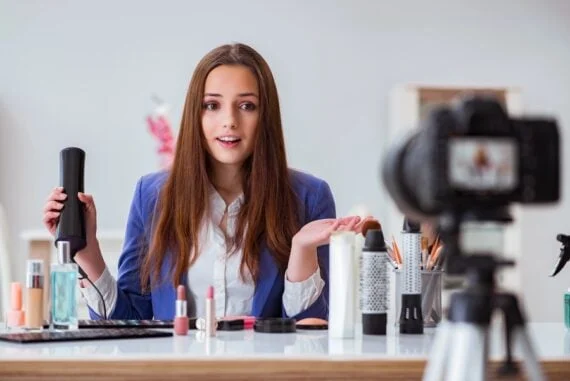
A particularly insightful tactic employed by VitaGlow, and one that is frequently overlooked by marketers, is the strategic pairing of creators with specific language demographics. The brand actively sought out and partnered with Spanish-speaking creators to reach U.S. audiences with Spanish as their primary language. Similarly, they engaged creators fluent in Russian and Ukrainian to connect with those respective linguistic communities within the United States. This approach is grounded in the understanding that the U.S. is a remarkably diverse nation, comprising numerous distinct language communities, and platforms like TikTok are adept at serving content to these segmented audiences. By tailoring creator outreach to these specific linguistic groups, VitaGlow was able to foster a deeper sense of connection and trust, moving beyond generic marketing messages.

VitaGlow’s decision to focus on small, niche creators rather than high-profile celebrities proved to be a strategic masterstroke. The benefits of this approach are multifaceted. Niche creators are generally more accessible and flexible, allowing brands to establish direct communication and negotiate terms more readily. Furthermore, their recommendations often carry a greater weight of authenticity. Consumers tend to perceive these endorsements as genuine advice from a trusted friend or a knowledgeable specialist, rather than a paid advertisement. In the context of hair care, this meant that endorsements from individuals who presented themselves as hair-care experts or estheticians resonated more powerfully than those from general lifestyle influencers. This strategy also enabled VitaGlow to test the waters with a multitude of creators simultaneously, efficiently identifying which messaging and creator styles yielded the best results.
This strategy is particularly effective in categories like beauty and personal care, where consumers are actively seeking tangible, visible results on real individuals. The visual nature of platforms like TikTok, combined with the desire for authenticity, makes it an ideal environment for showcasing product efficacy. It is no coincidence that beauty and personal care consistently rank as TikTok Shop’s largest and most dynamic category. The platform’s algorithm, designed to surface engaging and relevant content, is adept at identifying and amplifying videos that demonstrate transformative results.
TikTok’s role in the modern e-commerce ecosystem extends beyond being a direct sales channel. It serves a dual purpose as a potent demand generator, capable of driving traffic not only to on-platform sales but also to external online stores and even physical retail locations. While live shopping events on TikTok can directly spur immediate sales, the broader range of content, from tutorials to unboxing videos, can effectively redirect consumers to branded websites or brick-and-mortar establishments. This "halo effect" is a well-documented phenomenon in digital marketing. The author has observed instances where hundreds of thousands of TikTok views have corresponded with thousands of direct, branded searches on Amazon. Consumers encounter a product that intrigues them on their feed, prompting them to search for it by name on other platforms, including major marketplaces. This indicates a symbiotic relationship between different sales channels, where each can feed and bolster the other, a dynamic that many merchants may underestimate.
Navigating the Channel Strategy: Beyond Amazon
The success of VitaGlow does not diminish the enduring importance of Amazon, particularly for certain product categories. Amazon remains an indispensable platform for consumable goods, where consumers often initiate their purchasing journey by searching for specific needs or product types. For instance, if a consumer knows they need a particular type of shampoo, they are highly likely to type "shampoo for dry hair" or "best volumizing shampoo" into the Amazon search bar. In such scenarios, Amazon’s robust search functionality and vast product selection provide a direct and efficient path to purchase.
The question of the "best" channel for U.S. market entry, therefore, is not a one-size-fits-all answer. It fundamentally depends on how consumers discover and engage with a product. Products that can demonstrably showcase a visible, positive result on camera, especially at an accessible price point, are exceptionally well-suited for platforms like TikTok. Conversely, products that rely on technical expertise, complex explanations, or a deeper dive into scientific efficacy might find a more receptive audience on Amazon, where consumers are often in a more informed and research-oriented mindset.
Crucially, these channels are not mutually exclusive; they can, and often do, complement each other. A comprehensive market entry strategy might involve leveraging TikTok for broad awareness, demand generation, and showcasing immediate results, while simultaneously maintaining a strong presence on Amazon for targeted search-driven sales. For a product like VitaGlow’s hair-care line, priced at $59, the visual appeal and immediate impact were perfectly aligned with TikTok’s strengths. Their journey, from years of quiet experimentation to a sudden burst of popularity, serves as a powerful testament to the potential of embracing evolving digital platforms and adopting innovative, consumer-centric marketing strategies. This case study offers valuable insights for international brands looking to make their mark in the competitive U.S. market, highlighting the need for adaptability, a willingness to test and learn, and a deep understanding of how different digital ecosystems can work in concert to drive sustainable growth. The future of market entry for many brands will likely involve a more nuanced and diversified approach, moving beyond a singular reliance on established giants to embrace the dynamic possibilities of newer, rapidly growing platforms.