Asep Darmawan
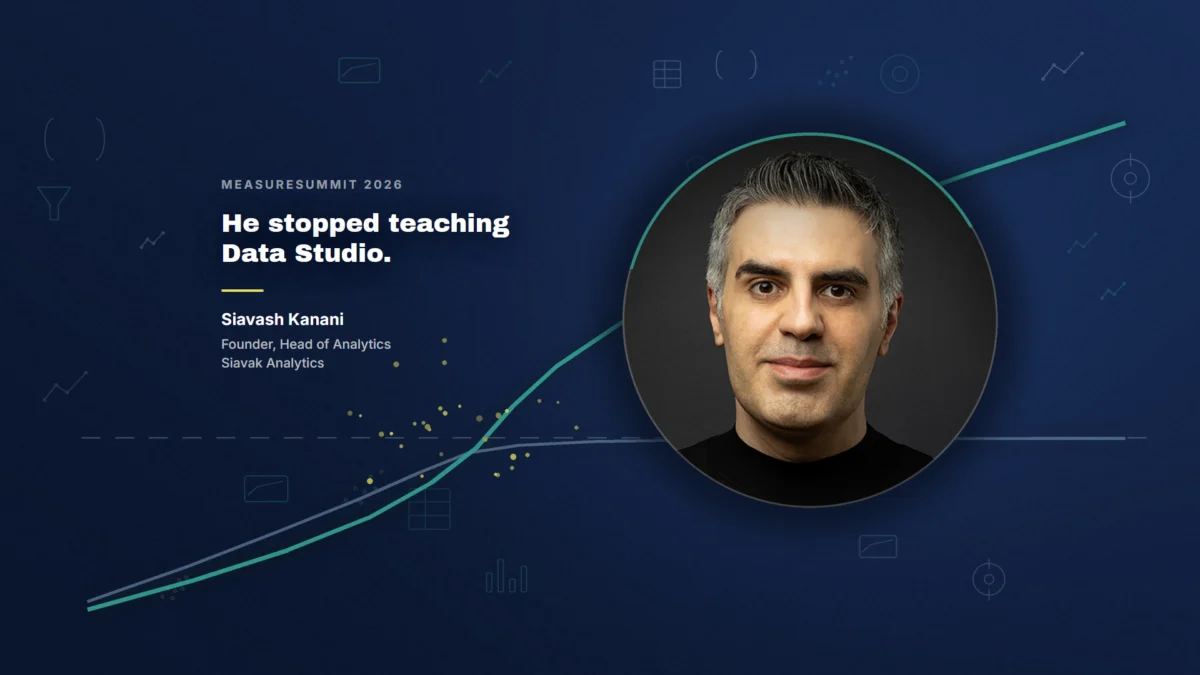
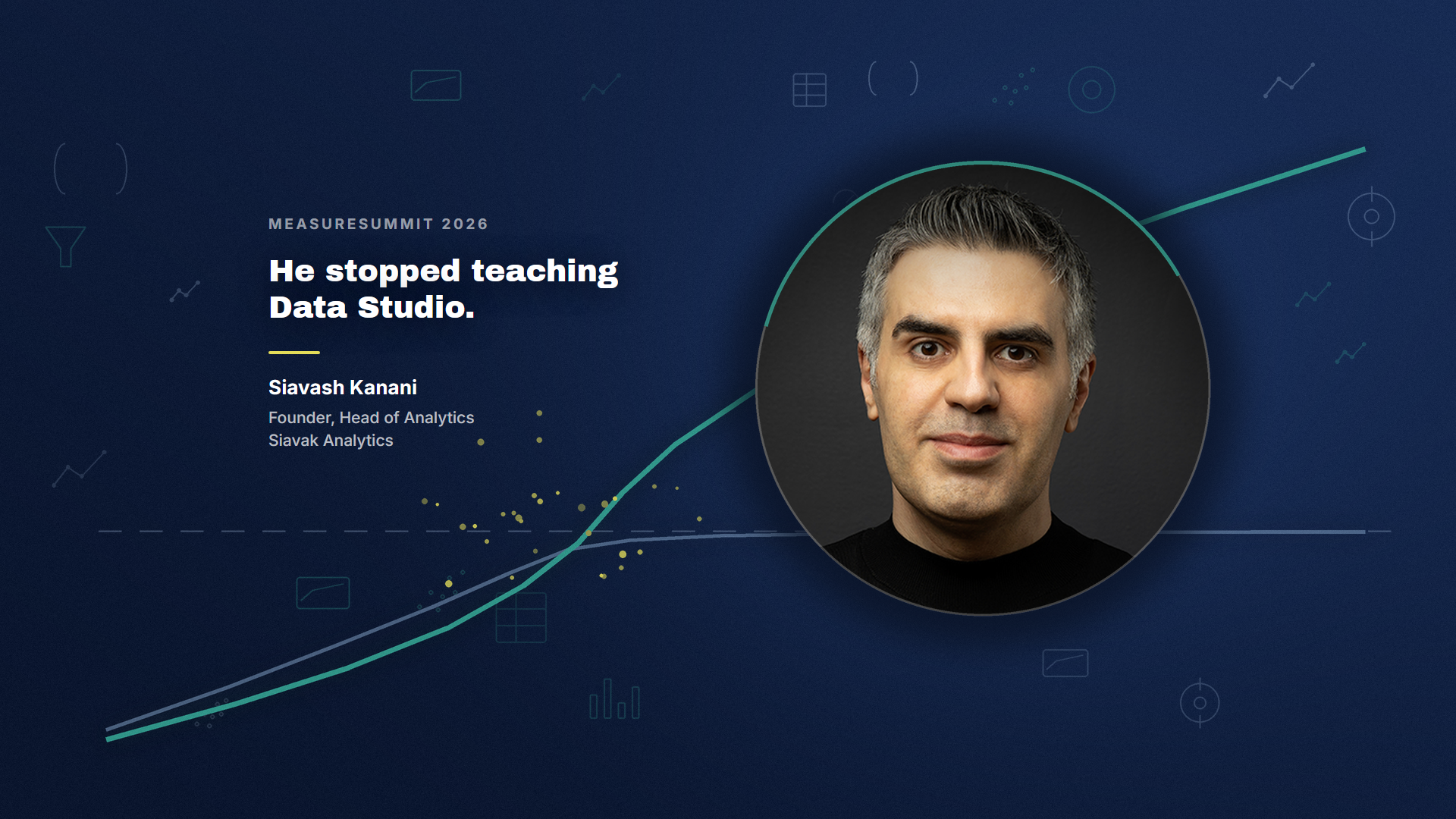
Siavash Kanani, a prominent figure in the data visualization industry who has trained over a thousand students in the nuances of Google’s reporting tools, has announced a definitive cessation of his long-running masterclass cohorts. This strategic pivot, revealed during a session at the MeasureSummit industry conference, marks a significant shift in the digital analytics landscape. After five years of specialized instruction, Kanani’s decision to move away from Data Studio—recently rebranded back from Looker Studio—signals a growing disillusionment among high-level practitioners regarding the strategic direction and technical limitations of Google’s flagship business intelligence (BI) offering.
The Strategic Volatility of Google’s BI Ecosystem
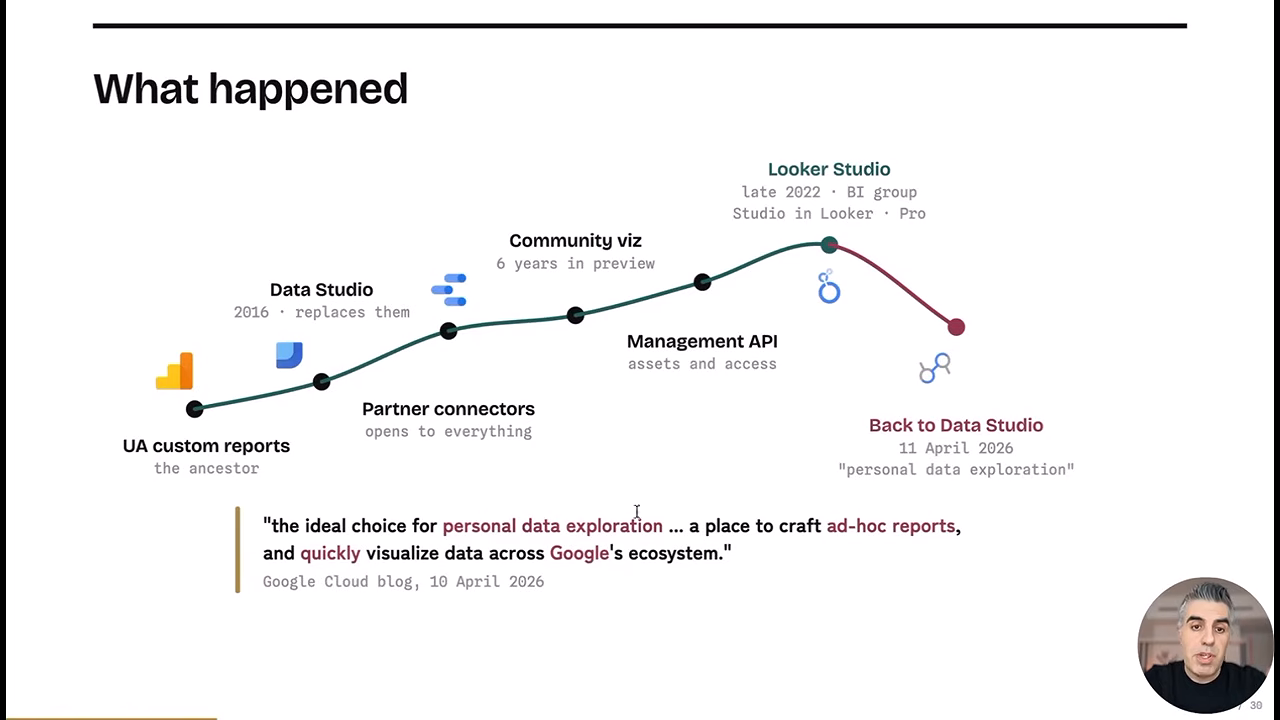
The catalyst for this industry-wide conversation is what many experts describe as a lack of cohesive vision from Google regarding its reporting tools. The history of the product’s branding serves as a primary indicator of this instability. Originally launched as Google Data Studio in 2016, the tool was integrated into the Looker suite in late 2022, becoming Looker Studio. However, recent documentation and internal shifts have indicated a move back toward the original Data Studio nomenclature, a reversal that has caused significant confusion among agencies and enterprise clients.
Industry analysts suggest that these naming conventions are more than mere marketing adjustments; they represent a fundamental identity crisis. Google’s own documentation currently characterizes the tool as an "ideal choice for personal data exploration," emphasizing its utility for ad hoc reports and quick visualizations within the Google ecosystem. For professional agencies, this description is telling. It positions the tool as a secondary utility rather than a robust, enterprise-grade solution for client reporting or custom data application development.
The emergence of native dashboarding features within Google Analytics 4 (GA4) further complicates the tool’s position. By building visualization layers directly into the analytics platform, Google is essentially creating internal competition for Data Studio, leaving the latter in a state of strategic limbo.
Technical Constraints and the "Local Maximum"
Kanani’s departure from teaching the tool is rooted in what he defines as a "technical ceiling." For years, advanced users have relied on "community visualizations"—a feature intended to allow developers to create custom chart types. Despite its potential, the feature has remained in "developer preview" for over six years, suggesting a stagnation in core product development.
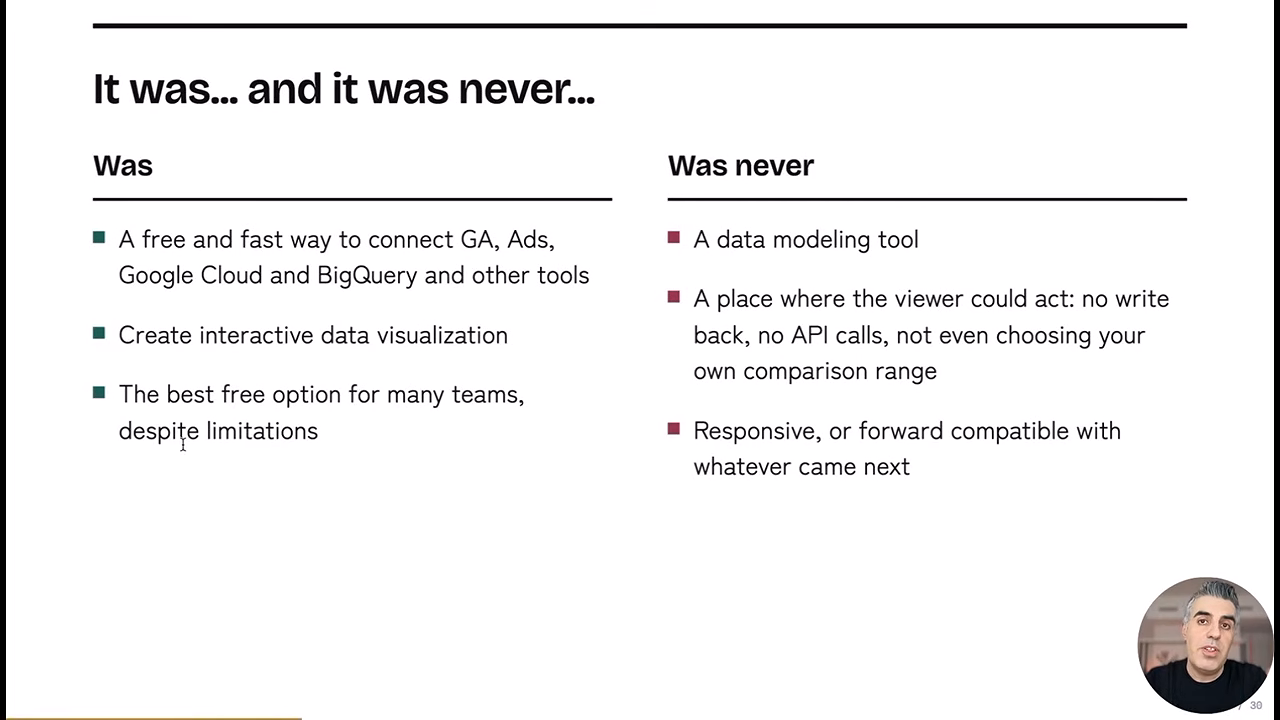
Professional practitioners have identified several critical areas where the tool fails to meet the requirements of modern, high-stakes data reporting:
- Performance and Latency: The tool often struggles with slow refresh rates, particularly when handling complex datasets or third-party connectors.
- Design Rigidity: The lack of support for custom CSS or sophisticated branding options limits an agency’s ability to deliver a truly bespoke client experience.
- Logic and Interactivity: Advanced data modeling and conditional logic often require cumbersome workarounds rather than being native, intuitive features.
- Data Control: Users are restricted by the tool’s caching mechanisms and have limited control over how data is processed and stored.
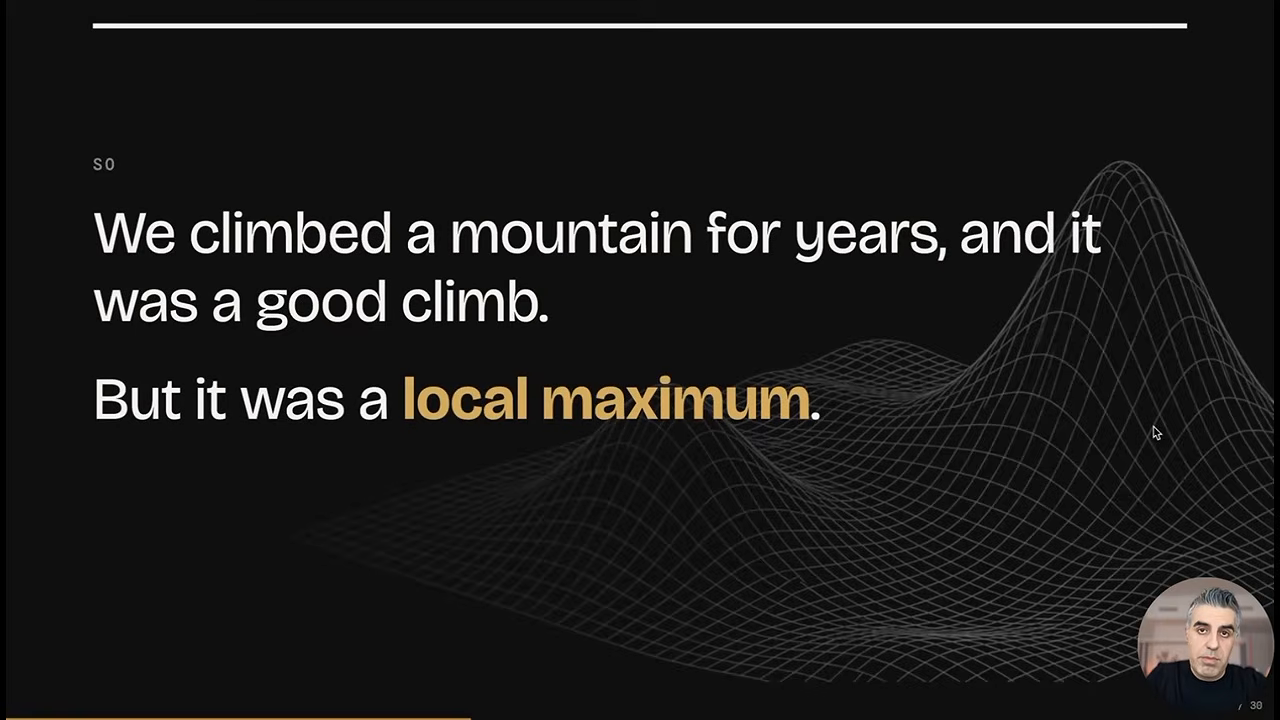
In his MeasureSummit address, Kanani utilized the concept of a "local maximum" to describe the current state of Data Studio. He argued that while users can master the tool and find clever workarounds for its flaws, they eventually reach a point where further effort yields diminishing returns. The path to higher-level data products, he suggests, does not lie within the confines of a restrictive BI platform but in the realm of custom application development.
The Role of Large Language Models in Democratizing Development
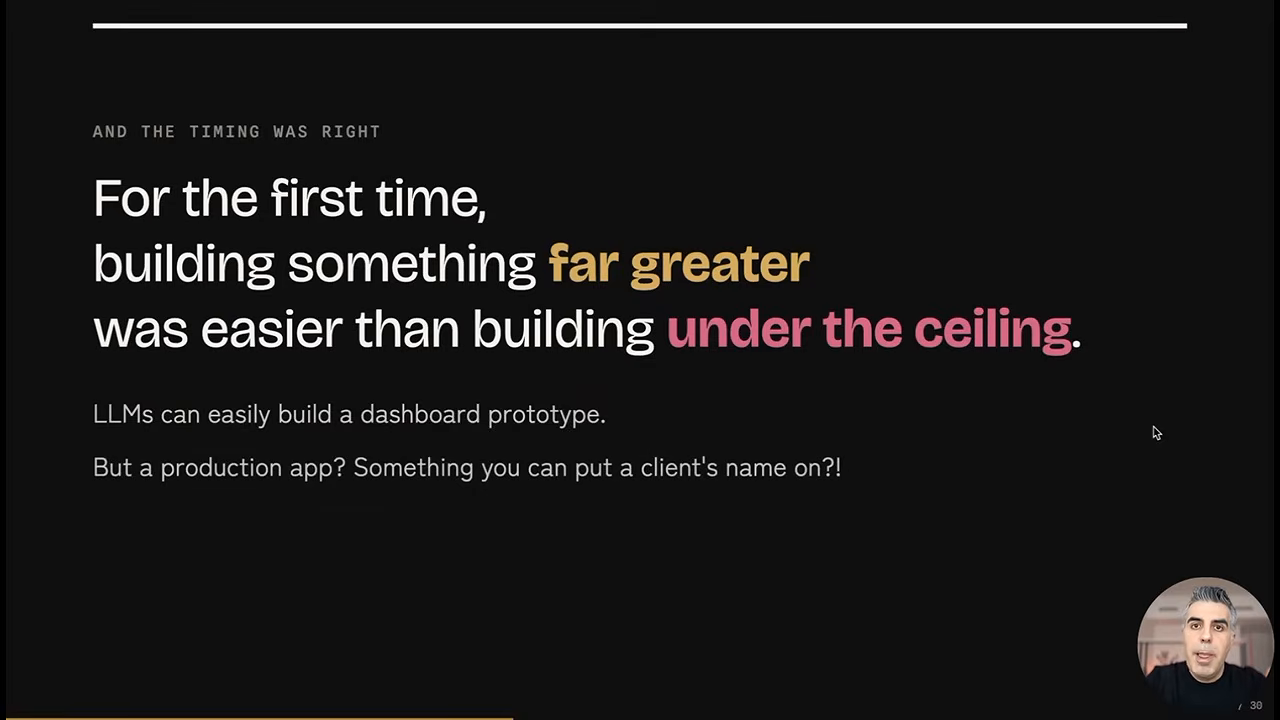
The transition from a specialized BI tool to custom software development was historically gated by the high cost and technical expertise required for coding. However, the rise of Large Language Models (LLMs) like Claude and GPT-4 has fundamentally altered this dynamic. These AI tools can now interpret API documentation, write complex client-side applications, and manage data transfer protocols.
This technological shift has allowed non-developers to bypass the limitations of Data Studio. By leveraging LLMs to write HTML, JavaScript, and connect to tools like Supermetrics or BigQuery, analysts are now building custom SaaS-like applications in a fraction of the time it previously took a full engineering team.
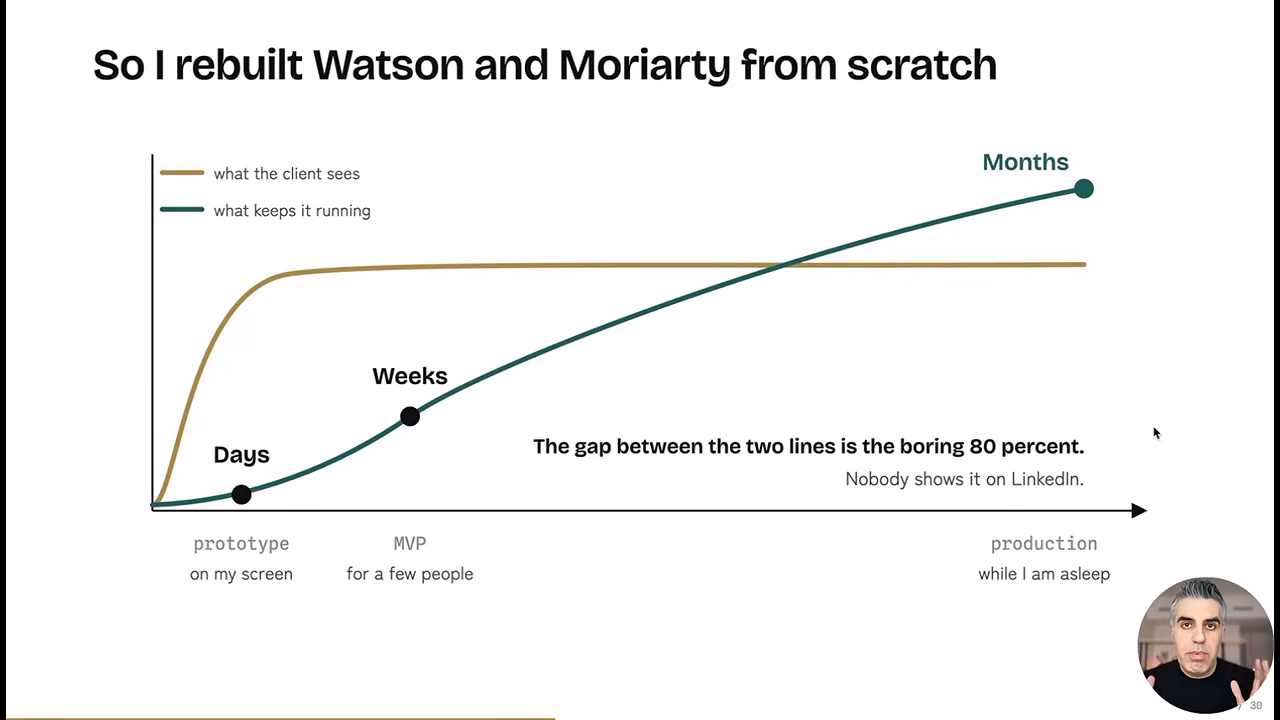
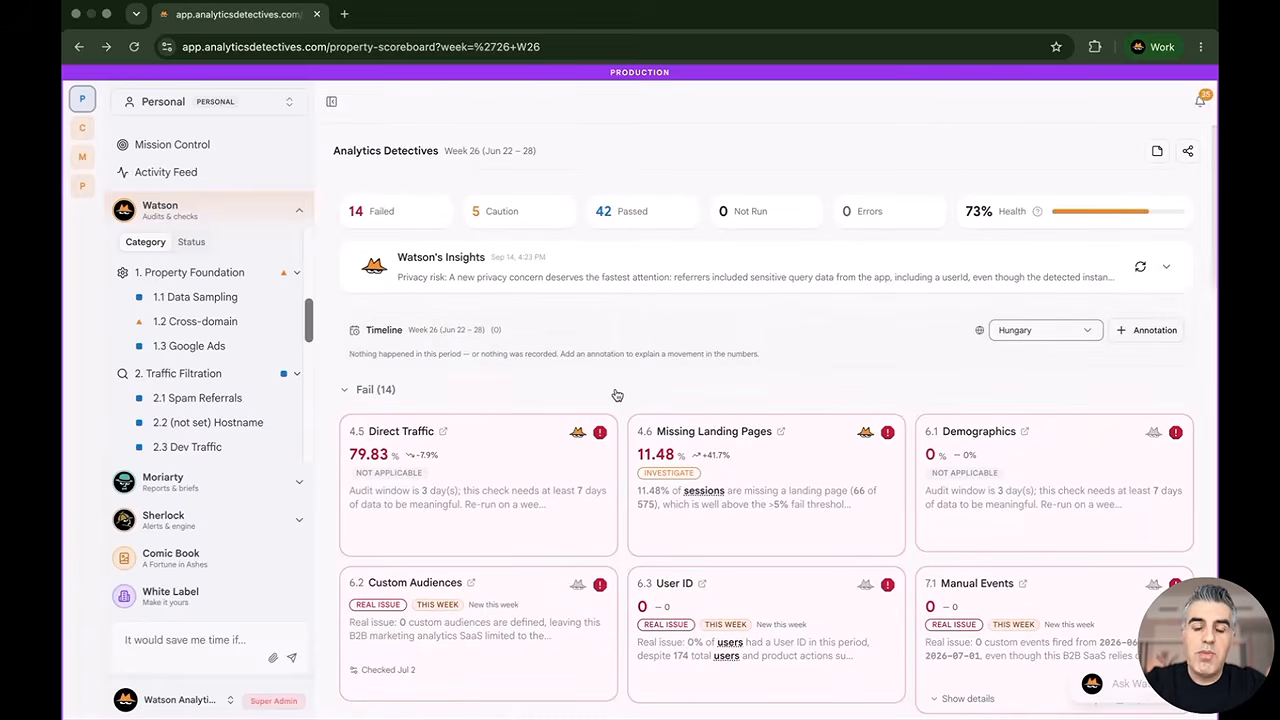
Kanani’s own project, "Watson"—originally a GA4 audit tool built within Data Studio—serves as a primary case study. When attempting to upgrade the tool to its ninth version, Kanani found that 90% of the desired features were technically impossible within the Google environment. By rebuilding the tool as a custom standalone application (now rebranded as Analytics Detective), he was able to implement features such as direct API integration, deeper diagnostic analysis, and AI-powered executive summaries that the original platform could not support.
The "Boring 80%": The Reality of Production-Grade Applications
While AI has lowered the barrier to entry for prototyping, the move to custom applications introduces a new set of challenges that Kanani refers to as the "boring 80%." This represents the unglamorous but essential production work required to turn a prototype into a reliable business tool.
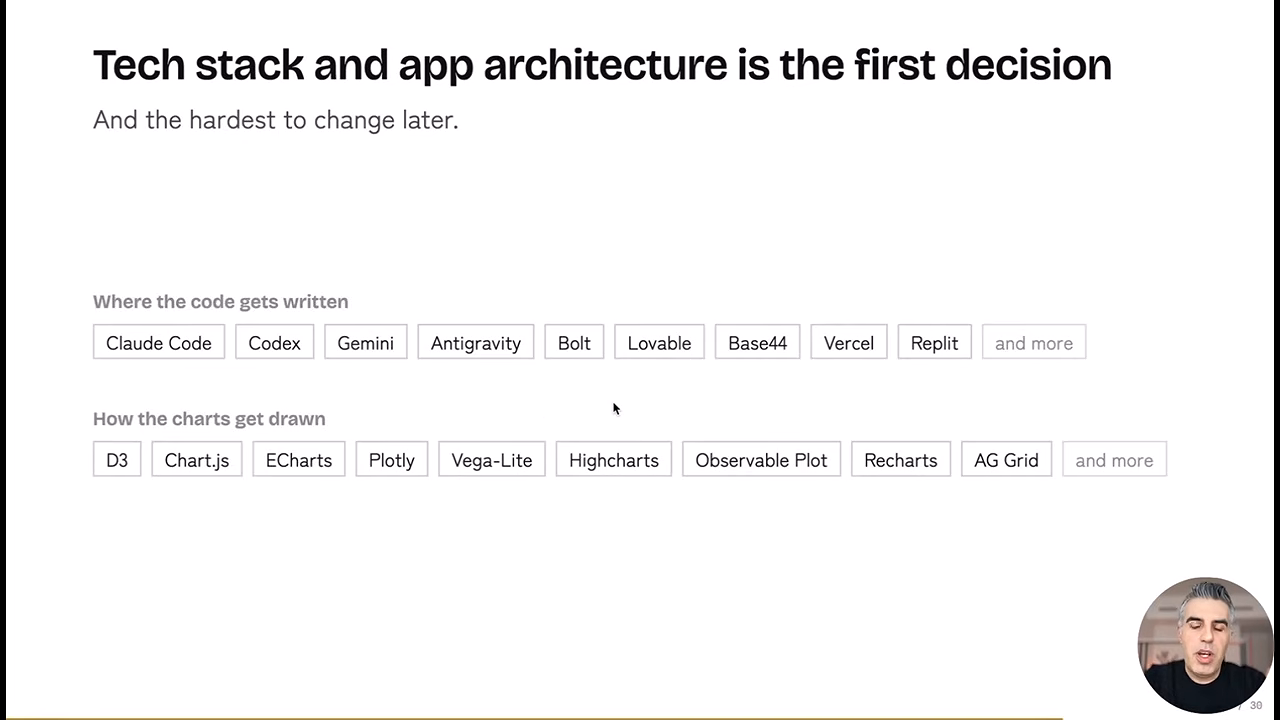
Transitioning from a Data Studio report to a custom application requires practitioners to take ownership of several architectural decisions:
- Tech Stack Selection: Deciding where the code is written (e.g., React, Vue) and which libraries are used for data visualization (e.g., D3.js, Highcharts).
- Infrastructure and Hosting: Moving from a Google-managed environment to platforms like Vercel, AWS, or Netlify.
- Security and Authentication: Implementing user login systems, data encryption, and role-based access controls.
- State Management: Handling how data is stored and updated within the application to ensure a seamless user experience.
Despite these added complexities, the consensus among early adopters is that the investment is justified. The ability to own the infrastructure allows for "Adaptive Reporting"—a concept where a single dataset can feed multiple, tailored views (strategic, operational, exploratory, and narrative) based on the specific needs of the end-user.
Market Reactions and the Future of Agency Reporting
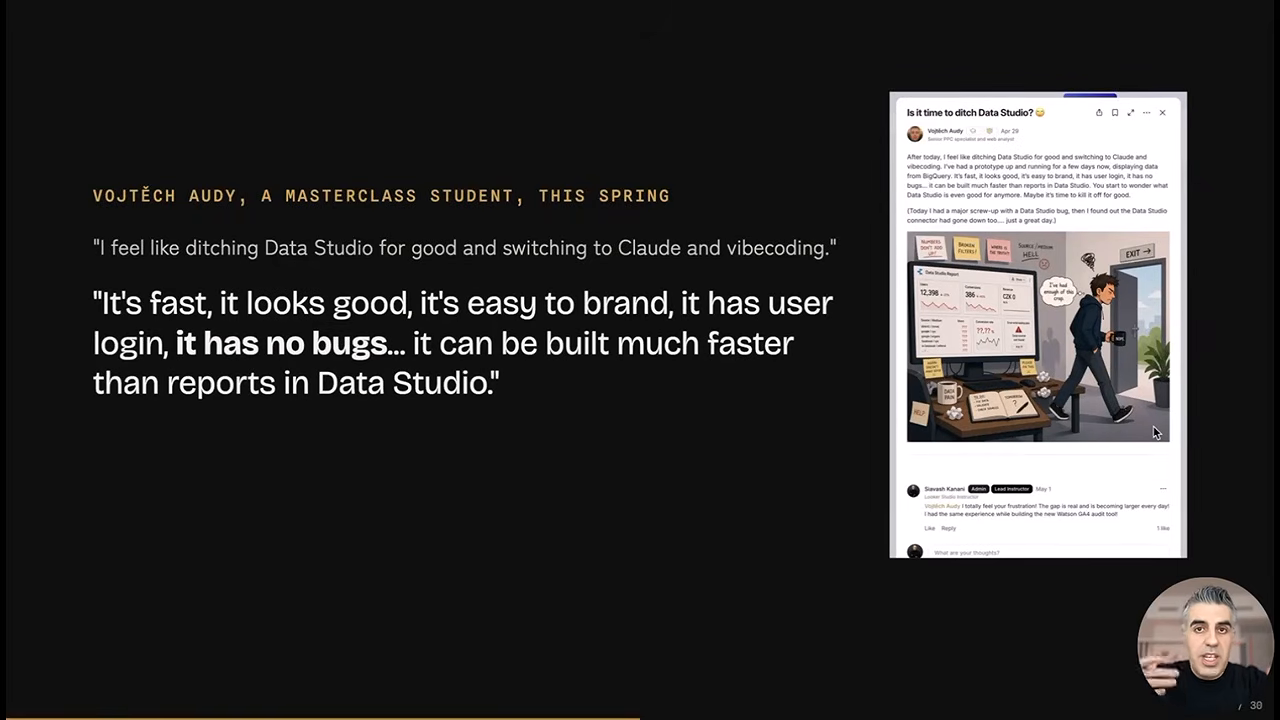
The reaction from the data community has been one of cautious but growing interest. Vojtech Audy, a former student of Kanani’s masterclass, noted that after just two days of experimenting with Claude and BigQuery, he was able to build a custom dashboard that outperformed his previous Data Studio reports in speed, branding, and user functionality.
However, the industry remains divided on whether this shift is feasible for all agencies. A fact-based analysis of the current landscape suggests two distinct paths for data professionals:
The Custom App Path: This is becoming the preferred route for agencies looking to differentiate themselves through proprietary technology, branded client portals, and high-performance, interactive data products. It requires a willingness to learn basic deployment workflows and manage a more complex technical stack.
The Traditional BI Path: For internal teams or small-scale operations requiring rapid, low-cost "ad hoc" visualizations, Data Studio (or its competitors like Power BI and Tableau) remains a viable, albeit limited, option.
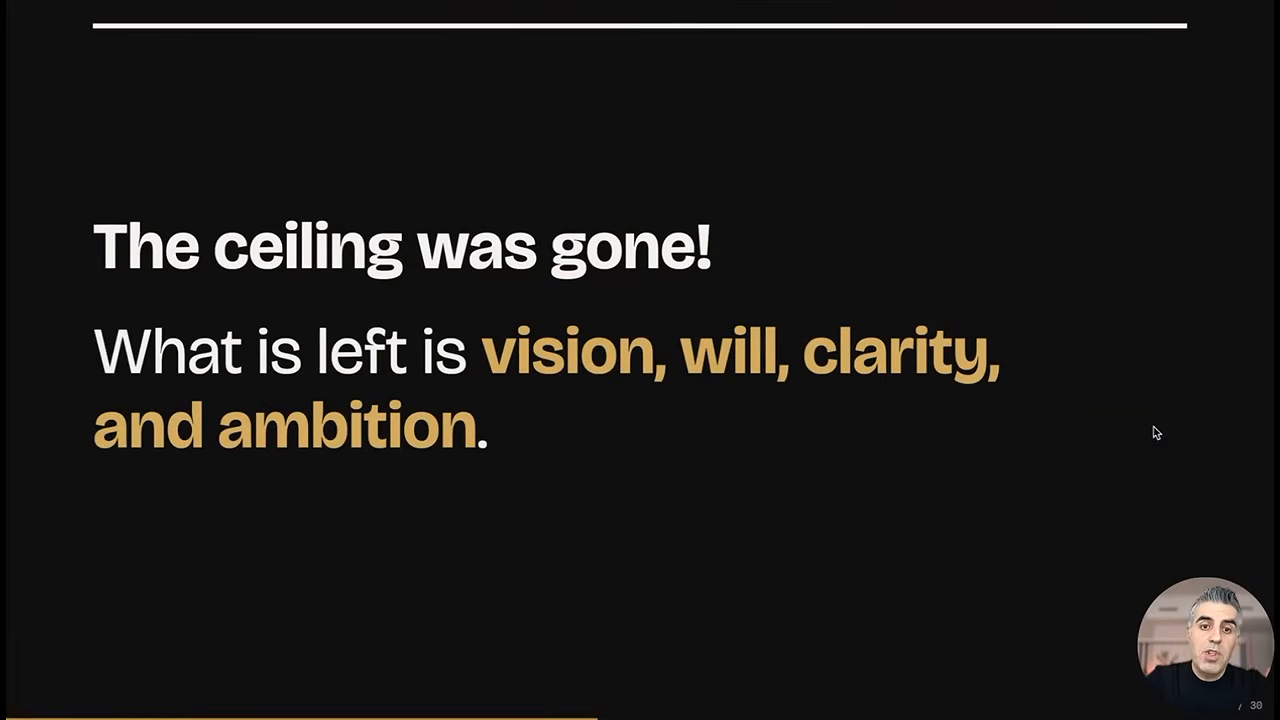
The decision by Google to prioritize "personal data exploration" over "enterprise reporting" may ultimately force a mass migration of high-end agencies toward the custom route. If Google continues to treat Data Studio as a secondary visualization layer for its other products rather than a standalone professional tool, the "ceiling" described by Kanani will only become more pronounced.
Implications for the Broader BI Industry
The move away from monolithic BI platforms reflects a broader trend in software: the unbundling of complex tools. As AI continues to simplify the coding process, the value proposition of a "no-code" BI tool diminishes if that tool imposes too many restrictions on the user.
For the analytics industry, this signals a return to bespoke, purpose-built solutions. The "one-size-fits-all" dashboard is being replaced by dynamic, AI-enhanced reporting hubs that provide not just data, but context and actionable insights. The end of the Data Studio era, as signaled by Kanani’s exit from the training space, may well be the beginning of a more mature, independent era of data communication—one where the only limit is the vision and ambition of the practitioner, rather than the strategic whims of a platform provider.

 Dwi Wanna

 Ali Ikhwan