In a significant, albeit understated, development within the digital advertising landscape, Meta Platforms Inc. has quietly expanded its payment options, now allowing advertisers to utilize stablecoins, specifically USD Coin (USDC), to settle their advertising invoices. This strategic integration marks a cautious yet notable re-entry into the cryptocurrency arena for the tech giant, which previously faced considerable regulatory headwinds with its ambitious, proprietary digital currency projects. The move signals a pragmatic shift for Meta, embracing existing decentralized financial infrastructure rather than attempting to build its own from the ground up.
The mechanism is designed for seamless integration: advertisers can now connect any stablecoin wallet that supports USDC – including widely used platforms such as MetaMask, Coinbase, and Binance – to their Meta ad accounts. Once connected, a third-party payment partner facilitates the conversion of the USDC into local fiat currency, which then settles the payment with Meta. The corresponding credit is automatically applied to the advertiser’s ad account balance. This intermediary step underscores Meta’s stated position: "Meta does not issue, sell or custody stablecoins. We partner with third-party payment providers to enable stablecoin payments." This distinction is crucial, as it distances Meta from the direct regulatory and operational complexities associated with managing digital assets, effectively positioning itself as a facilitator rather than a principal in crypto transactions.
Meta’s Tumultuous Journey into Cryptocurrency: A Retrospective
To fully appreciate the significance of Meta’s current stablecoin integration, it is imperative to revisit its prior, far more ambitious, and ultimately ill-fated endeavors in the cryptocurrency space. The story begins in June 2019, with the announcement of Project Libra. Libra was conceived as a global, permissioned blockchain-based stablecoin, intended to revolutionize global payments and financial inclusion for the unbanked. Backed by a consortium of powerful companies known as the Libra Association, the project aimed to create a digital currency pegged to a basket of fiat currencies, governed by its members.
The announcement sent shockwaves through the financial world, immediately drawing intense scrutiny and skepticism from central banks, financial regulators, and governments worldwide. Concerns ranged from potential threats to monetary sovereignty and financial stability to issues of anti-money laundering (AML) and combating the financing of terrorism (CFT). Regulators feared that a global currency issued by a private entity with billions of users could circumvent existing financial regulations, erode national currencies’ influence, and pose systemic risks. The U.S. Congress, European Union, and G7 finance ministers all voiced strong opposition, demanding comprehensive regulatory oversight before any launch.
Facing an unprecedented regulatory onslaught, the Libra Association began to fray. Key members, including PayPal, Visa, Mastercard, Stripe, and eBay, withdrew their support in late 2019 and early 2020, citing regulatory pressure and the sheer scale of the challenges. In response to the intense backlash, the project underwent a significant rebranding in December 2020, changing its name to Diem and narrowing its scope. Diem aimed to focus on a single-currency stablecoin, initially pegged to the U.S. dollar, and sought to obtain a payment system license in Switzerland. However, even this scaled-back vision failed to appease regulators. The project continued to struggle for regulatory approval, leading to ongoing delays and a further erosion of confidence.
Ultimately, after years of trying to establish its own stablecoin option, Meta (then Facebook) decided to divest its cryptocurrency project. In January 2022, it was announced that Diem Association was selling its technology and assets to Silvergate Capital Corporation for an estimated $182 million. This marked the official end of Meta’s direct involvement in issuing its own stablecoin, a humbling conclusion to a project once touted as a potential disruptor to global finance. The failure of Libra/Diem underscored the immense regulatory and political hurdles that major technology companies face when attempting to enter the highly regulated financial services sector, particularly with initiatives that could challenge traditional banking systems and national currencies.
A Strategic Pivot: Indirect Engagement with the Crypto Market
Despite the retreat from its own stablecoin, Meta did not entirely abandon the potential of digital assets. Instead, it adopted a more cautious, indirect approach. Earlier this year, Meta began offering creators the option to be paid in cryptocurrency as part of its creator monetization process. This move was a precursor to the latest announcement regarding ad payments, signaling a broader strategy to facilitate crypto transactions without directly issuing or managing the underlying assets.
This shift represents a fundamental change in Meta’s crypto strategy. Instead of challenging existing financial systems with a proprietary currency, Meta is now leveraging the existing infrastructure of the decentralized finance (DeFi) ecosystem. By supporting USDC – a stablecoin issued by Circle and managed by the Centre consortium, backed by fully reserved assets – Meta sidesteps the intense regulatory scrutiny that plagued Diem. USDC is one of the largest and most widely adopted stablecoins, known for its transparency and regulatory compliance efforts, making it a relatively safer bet for a company like Meta. This partnership model allows Meta to offer the perceived benefits of crypto payments, such as potentially faster international transactions and lower fees in certain contexts, while mitigating its own exposure to the volatile and complex regulatory landscape of digital asset issuance and custody.
The Broader Context: Cryptocurrency Payments and Mainstream Adoption
The integration of stablecoin payments by Meta occurs at a time when the broader cryptocurrency market has experienced significant fluctuations and a re-evaluation of its mainstream appeal. Following the speculative boom of 2021 and subsequent market corrections, the initial fervor around "Web3" and decentralized finance has somewhat tempered. While the foundational promise of crypto – avoiding bank fees, fostering a community-controlled financial system, and enabling seamless global transactions – remains compelling, widespread adoption has been hampered by volatility, security concerns, user experience complexities, and limitations in recourse for fraudulent transactions.
Despite these challenges, stablecoins like USDC have maintained a crucial role in the crypto ecosystem. Their value proposition lies in their price stability, typically pegged 1:1 to a fiat currency like the U.S. dollar, thereby mitigating the extreme volatility associated with other cryptocurrencies like Bitcoin or Ethereum. This stability makes them suitable for transactions, remittances, and, increasingly, as a payment method for goods and services. The global stablecoin market capitalization, predominantly led by Tether (USDT) and USDC, demonstrates significant liquidity, often exceeding tens of billions of dollars, facilitating billions of dollars in transactions daily across various blockchain networks. For businesses engaged in international trade or digital advertising, where cross-border payments can incur significant fees and delays, stablecoins offer an alternative that can streamline operations.
Competitive Landscape: The "Super App" Vision and In-Stream Payments
Meta’s cautious re-entry into crypto payments also unfolds within a broader competitive landscape, particularly as other tech giants explore similar pathways toward integrated financial services. The concept of a "super app" – a single platform that consolidates social interaction, communication, e-commerce, and financial services – has been immensely successful in Asia, exemplified by apps like WeChat in China. WeChat Pay and Alipay are integral to daily life for hundreds of millions of users, facilitating everything from peer-to-peer payments and online shopping to utility bill payments and investment. This integration creates powerful network effects, enhancing user stickiness and generating vast amounts of data.
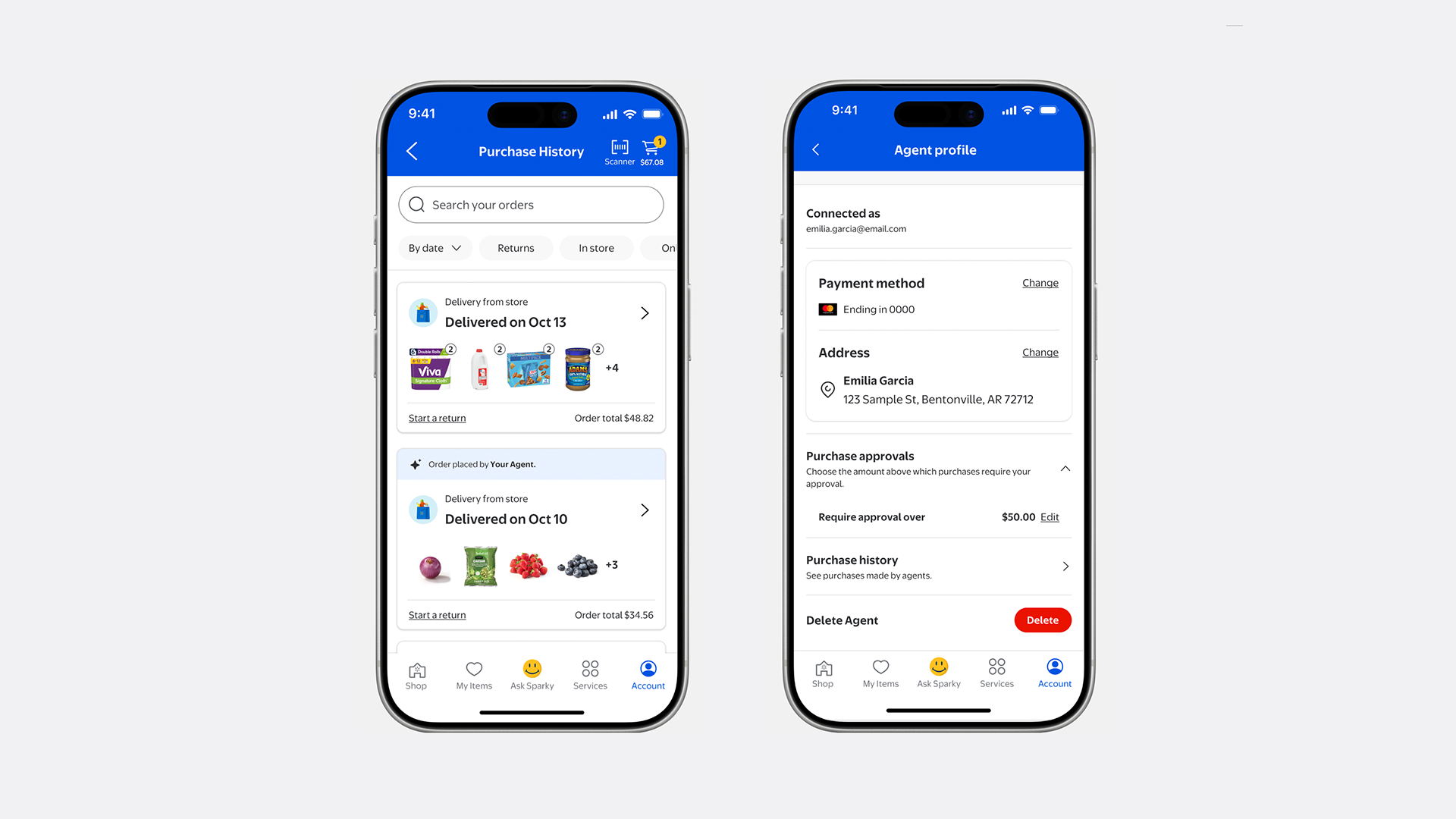
Inspired by this model, various U.S.-based social apps have explored similar integrations. Notably, X (formerly Twitter), under Elon Musk’s leadership, has explicitly stated its ambition to transform into an "everything app," with a strong emphasis on in-stream payments. X recently announced the availability of "X Money" for paying X users, aiming to establish itself as an all-in-one platform for personal connection, engagement, news access, in-stream shopping, and financial transactions. This vision aligns closely with the Asian super app model, seeking to deepen user engagement by making the platform indispensable for a wide range of daily activities.
Meta, through its various platforms (Facebook, Instagram, WhatsApp), has long pursued a similar vision of enhancing platform value by integrating more services. Its past attempts to build its own payments network, including Libra/Diem, were driven by this desire to create enclosed markets within its apps, offering in-stream payments and potentially even banking services. The regulatory hurdles and lack of consumer interest, particularly in Western markets where traditional banking systems are deeply entrenched, limited the viability of its direct approach. By allowing different types of crypto payment options, Meta might be testing an alternate route to this same end goal. It could still lead to a future where financial transactions are seamlessly integrated within its ecosystem, albeit through partnerships and existing crypto rails, rather than proprietary ones.
Implications for Advertisers and the Digital Economy
For advertisers, the introduction of USDC payments offers a new degree of flexibility, particularly for those already operating within the cryptocurrency ecosystem or conducting business internationally. For instance, a Web3 startup that primarily holds its treasury in stablecoins can now pay for its Meta ad campaigns directly, potentially bypassing conversion fees and delays associated with traditional fiat banking. This could streamline operations for a niche but growing segment of the advertising market. Moreover, for advertisers in regions with less stable local currencies or restrictive capital controls, stablecoin payments could offer a more reliable and efficient method to fund their ad accounts.
However, the practical impact on the broader advertiser base may be more incremental in the short term. The majority of advertisers still rely on traditional fiat payment methods, and the complexities of managing cryptocurrency wallets and understanding blockchain transactions remain a barrier for many. The need for a third-party payment partner to convert USDC to local currency before settlement also means that some of the direct "decentralized" benefits might be less apparent to the end-user, who still interacts with a system that ultimately relies on fiat rails for Meta’s revenue recognition.
From a broader digital economy perspective, Meta’s move, however subtle, lends further legitimacy to stablecoins as a viable payment instrument. When a platform with billions of users like Meta acknowledges and integrates a cryptocurrency, it sends a powerful signal to the market, potentially encouraging other businesses and payment processors to explore similar integrations. This could contribute to the gradual mainstreaming of stablecoins, expanding their utility beyond speculative trading or DeFi applications.
Regulatory Environment and Future Outlook
The regulatory environment remains a critical factor shaping the future of crypto payments. While stablecoins like USDC aim for transparency and compliance, the broader regulatory landscape for digital assets is still evolving globally. Jurisdictions are grappling with how to classify, regulate, and supervise stablecoin issuers, exchanges, and payment processors. Meta’s current strategy of partnering with regulated third-party providers helps it navigate this complex environment by offloading much of the direct regulatory burden.
Looking ahead, Meta’s cautious expansion into crypto payment options could be seen as an experimental phase. If adoption rates among advertisers prove significant, and the operational hurdles remain manageable, Meta might gradually expand its offerings, perhaps to other stablecoins or even exploring more direct integrations. This indirect approach allows Meta to test the waters, gather data on user behavior, and adapt its strategy without committing to the immense investment and regulatory battles that characterized its Diem era. It underscores a maturation in how large tech companies are approaching the volatile world of digital assets – no longer as disruptors seeking to overthrow existing systems, but as integrators seeking to leverage existing innovations to enhance their core services.
Ultimately, while Meta is not looking to launch its own stablecoin or directly re-engage in cryptocurrency issuance after its failed Libra experiment, its decision to facilitate USDC payments for advertising signals a continued belief in the potential of digital assets to streamline transactions and offer new financial flexibilities within its vast ecosystem. This carefully calibrated step could pave the way for a more integrated future where digital currencies play a more significant role in the multi-trillion-dollar digital advertising industry, albeit under strict regulatory guardrails and through established partnerships.

 rifanmuazin
 Pevita Pearce