In an increasingly fragmented and trust-deficient digital landscape, businesses are recognizing the profound impact of their own employees in shaping brand perception and driving engagement. Employee advocacy, a strategic approach where an organization’s staff actively promotes their employer across their personal social media channels, has emerged as a critical component of modern marketing, recruitment, and internal communications strategies. This practice involves employees either sharing company-generated content or crafting their own narratives about their work, products, services, and corporate culture. While often observed on professional platforms like LinkedIn, which boasts over 1 billion members globally, employee advocacy extends its reach across diverse social media ecosystems, including X (formerly Twitter), TikTok, Instagram, and specialized industry communities on platforms like Slack. Its implementation can range from spontaneous, organic sharing driven by genuine enthusiasm to structured programs offering curated content, clear guidelines, and user-friendly platforms designed to streamline the sharing process.
Distinguishing Employee Advocacy from Related Marketing Strategies
Understanding employee advocacy requires differentiating it from similar, yet distinct, marketing initiatives. While often conflated with influencer marketing and general brand advocacy, its unique internal focus sets it apart.

Employee Advocacy vs. Influencer Marketing: The fundamental divergence lies in the source of promotion. Employee advocacy leverages internal personnel who share content based on their authentic connection to the company. In contrast, influencer marketing involves partnerships with external creators, who are typically compensated to promote a brand to their established audiences. While both strategies aim to amplify a brand’s message, employee advocacy thrives on genuine, organic endorsement, whereas influencer marketing operates on a more transactional, external basis. Each serves different strategic objectives, but employee advocacy offers a depth of authenticity that external partnerships often struggle to replicate.
Employee Advocacy vs. Brand Advocacy: The primary differentiator here is who is doing the advocating. Employee advocacy originates from a company’s internal team, encompassing both staff and leadership. Brand advocacy, conversely, comes from external supporters such such as customers and devoted fans who voluntarily champion the brand. Both forms of advocacy are invaluable, yet employee advocacy typically offers greater consistency and a higher degree of control over messaging.
| Feature | Employee Advocacy | Brand Advocacy |
|---|---|---|
| Who does it | Internal staff (employees and leadership) | External supporters (customers and fans) |
| What they talk about | Company news, culture, events, job openings, work wins | Recommendations, reviews, and product/service use cases |
| Motivation | Company pride, professional visibility, incentives | Positive experiences, loyalty, community belonging, rewards |
| Main value | Humanizes company, increases reach, builds trust, supports recruitment | Offers credibility, social proof, drives referrals/purchases |
| Example | Employee reshares product announcement with personal comment | Customer posts product recommendation on social media |
The Mechanics of Trust: How Employee Advocacy Works
Employee advocacy harnesses the inherent trust individuals place in their peers and credible sources. Global research, such as the Edelman Trust Barometer, consistently identifies "my employer" as one of the most trusted institutions, with a significant majority of the public (78% in recent findings) placing trust in their employer. By transforming employees—already perceived as highly trustworthy—into articulate voices for the brand, companies can effectively cut through the noise of traditional corporate messaging. This is primarily achieved through employees sharing company content, such as blog posts, product updates, or event highlights, or by crafting original posts that reflect their personal experiences with the company’s products, values, and culture.

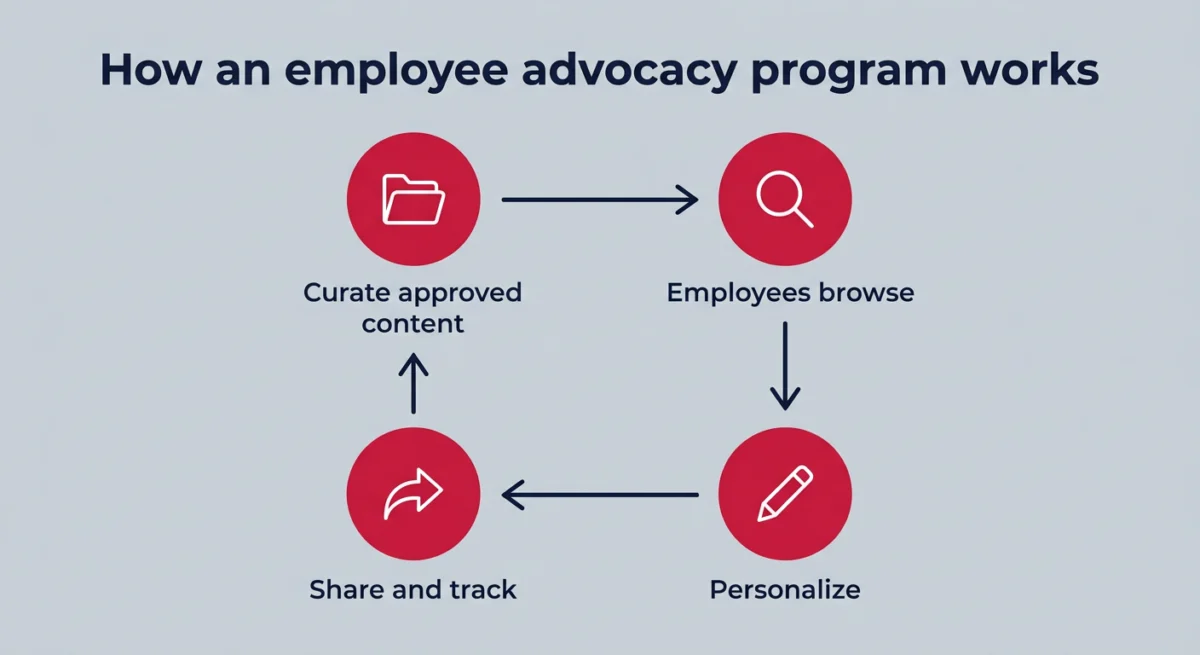
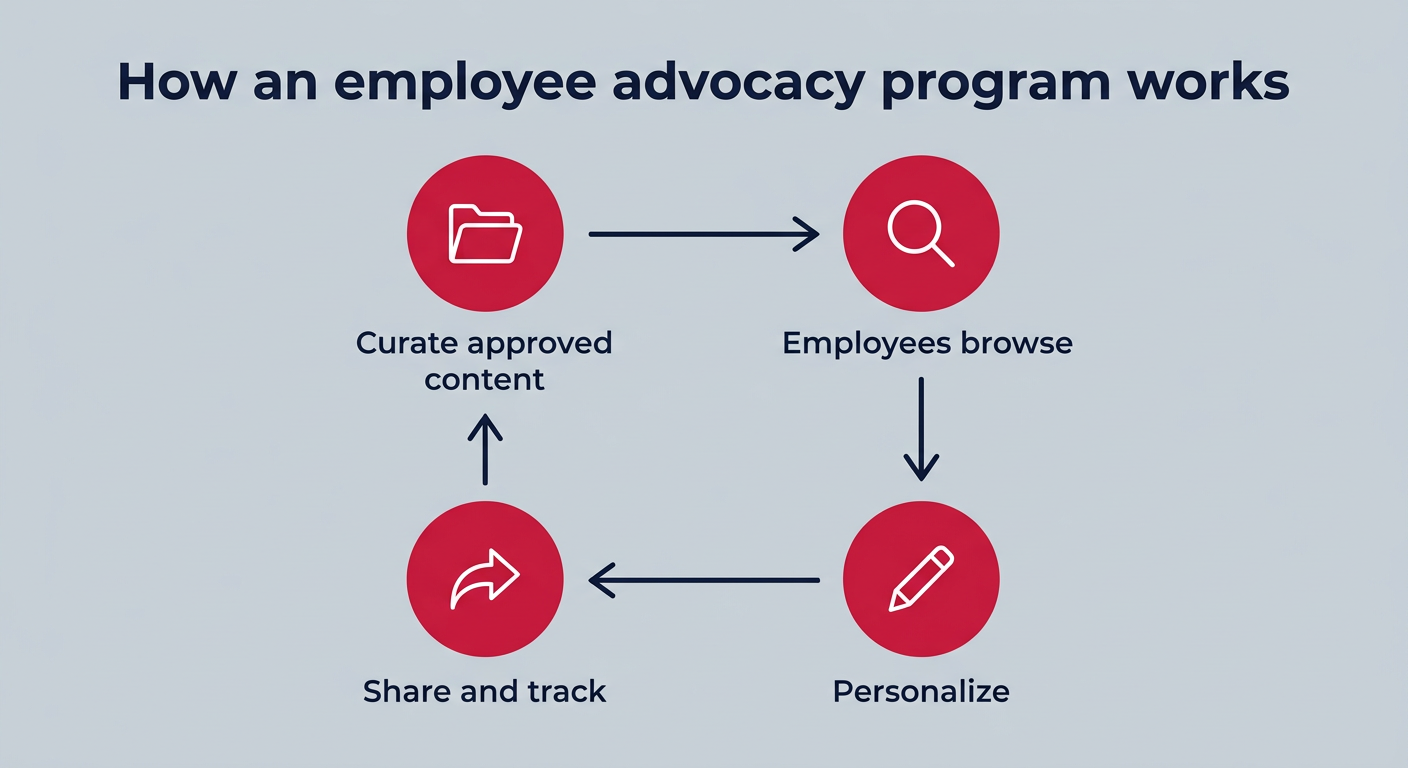
The operational framework for most structured employee advocacy programs follows a straightforward cycle. A dedicated social media or communications team curates a repository of pre-approved content. Employees can then easily browse this content, personalize it with their own insights, and disseminate it across their personal social networks. Specialized platforms are often employed to manage the distribution, scheduling, and tracking of these posts, eliminating the cumbersome need for manual link sharing or screenshot collection. This streamlined process ensures efficiency and consistency, allowing employees to participate without significant time investment.
The Amplified Impact: Why Employee Advocacy Outperforms Brand Channels
The effectiveness of employee advocacy surpasses that of conventional brand channels primarily because audiences inherently trust individuals more than corporate logos. Recent studies, including insights from the Edelman Trust Barometer on brands and culture, reveal that approximately 60% of consumers place greater trust in what a content creator says about a brand than in the brand’s own self-promotion. This disparity in trust means that when an employee speaks, their message carries a weight and authenticity that a corporate announcement rarely achieves.
Social media algorithms are also designed to prioritize content from personal profiles, recognizing the higher engagement potential of individual voices. Consequently, content shared by employees frequently achieves significantly greater organic reach than posts originating directly from a brand’s official page. This algorithmic preference ensures that employee-shared content often travels further, making the brand’s presence considerably more pervasive and harder to overlook in crowded digital feeds.
Hootsuite, a leading social media management platform, provides compelling internal data to illustrate this phenomenon. Through its own employee advocacy program, Parliament, Hootsuite employees consistently share content ranging from thought leadership pieces to industry news and company announcements. The results underscore the power of this approach:
| Metric | Result |
|---|---|
| Active users | 40–50% of Hootsuite employees |
| Average posts shared per employee | 1.2 per week |
| Average reach per post | 21,920 |
| Average shares per post | 8.8 |
| Top-performing post reach | 207,786 |
| Top-performing post shares | 115 |
These figures demonstrate the substantial reach and engagement potential when employees actively participate, providing a benchmark for organizations considering similar initiatives.
Multifaceted Benefits for Organizations
The advantages of employee advocacy are not confined to a single department but cascade across marketing, human resources, and internal culture, culminating in a cumulative positive impact. The primary benefits include expanded reach, enhanced credibility, streamlined talent attraction and retention, and a more cohesive company culture.
Expanded Reach and Brand Visibility: When employees share content, they tap into their personal networks, introducing the brand to entirely new audiences that the company’s official channels might never reach. On average, employee networks are an astounding 10 times larger than their company’s follower base. This exponential amplification transforms each employee into a powerful brand megaphone. For instance, IT solutions provider Carahsoft witnessed this firsthand, generating 8,700 new website visits directly from employee posts after launching its advocacy program. This illustrates the tangible impact of empowering employees to disseminate brand messages.
Enhanced Credibility and Trust: Employees cultivate greater trust than branded accounts because they present as authentic individuals rather than corporate entities. An insightful or relatable post from an employee resonates more genuinely than a polished corporate message, fostering a sense of real conversation rather than overt marketing. Athletico Physical Therapy exemplified this by empowering its therapists and trainers to share their stories, resulting in a 40% increase in reach and stronger community connections. The human element inherent in employee advocacy bypasses the skepticism often associated with direct brand communications.
Streamlined Recruitment and Employer Branding: Employee advocacy is a potent tool for attracting top talent by offering prospective hires an unfiltered, authentic glimpse into a company’s culture—a perspective far richer than a static careers page. LinkedIn research indicates that companies with socially engaged employees are 58% more likely to attract high-caliber talent. When employees share their personal experiences, growth trajectories, and team dynamics, it paints a compelling picture that resonates deeply with candidates. Global healthcare company DaVita leveraged this, increasing job applications from social media by 27% year-over-year and boosting traffic to its LinkedIn careers page by 136%.
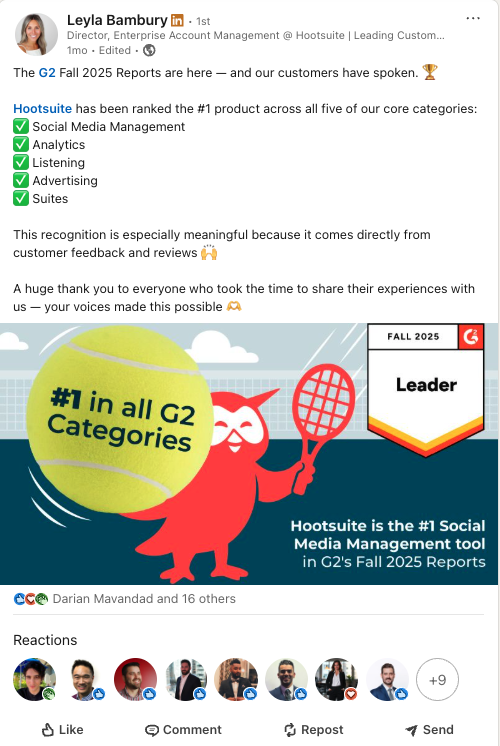
Strengthened Company Culture: Employee advocacy profoundly reinforces company culture. When employees feel a sense of pride in their work and are trusted to articulate it publicly, they naturally evolve into culture ambassadors. This fosters a stronger sense of pride, connection, and belonging within the workforce, simultaneously showcasing the company’s values and ethos in action to the external world. A positive feedback loop is established: public sharing deepens employees’ investment in the company, which in turn strengthens the very culture they are proudly promoting.
Empowering the Workforce: Benefits for Employees
Employee advocacy is not solely a corporate advantage; it offers substantial professional development opportunities for individual employees. Participation in advocacy programs can significantly enhance their professional presence, expand their networks, and advance their careers. Key benefits for employees include:
- Increased Professional Visibility: Sharing insights and company news elevates an employee’s profile within their industry and professional network.
- Networking Opportunities: Active participation often leads to new connections with industry peers, potential collaborators, and even future employers.
- Thought Leadership Development: Consistently sharing expertise and unique perspectives helps employees establish themselves as authorities in their respective fields.
- Skill Enhancement: Crafting compelling social media content hones communication, writing, and digital literacy skills.
- Sense of Empowerment and Recognition: Being trusted to represent the company publicly can boost morale and foster a greater sense of belonging and value.
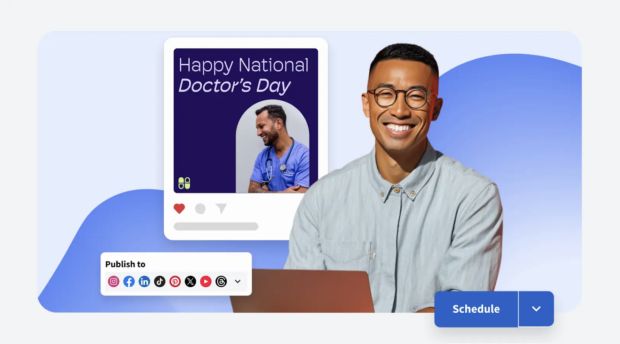
When employees perceive advocacy as a mutually beneficial endeavor, it transcends the perception of a mere corporate request and transforms into a strategic career move, naturally driving higher participation rates.
Real-World Impact: Case Studies in Employee Advocacy
Concrete examples underscore the transformative power of employee advocacy. Three distinct cases, all leveraging Parliament by Hootsuite for simplified sharing, demonstrate measurable results:
Carahsoft: Driving Website Traffic: IT solutions provider Carahsoft experienced a significant surge in website traffic after launching its advocacy program. By empowering employees to share partner and event content, the company generated 8,700 new website visits and attributed up to 35% of event registrations directly to employee posts. This case highlights the direct impact of employee networks on lead generation and audience expansion.
Athletico Physical Therapy: Boosting Reach and Engagement: Athletico Physical Therapy successfully amplified its reach by empowering its extensive team of therapists, athletic trainers, and recruiters to share personal stories online. By strategically planning content around high-engagement periods, such as National Physical Therapy Month, and facilitating easy sharing through the Parliament dashboard, Athletico fostered stronger community connections, boosting overall engagement and expanding its reach by an impressive 40%.
DaVita: Accelerating Talent Acquisition: Global healthcare company DaVita strategically utilized employee advocacy to enhance its talent attraction efforts. A collaborative initiative between its recruitment and social teams enabled employees to share authentic accounts of their experiences, career growth, and the meaningful impact of their work at DaVita. This approach resulted in a 136% increase in traffic from LinkedIn to its career site and a 27% year-over-year rise in job applications originating from social media, demonstrating the potent influence of genuine employee testimonials in recruitment.
Blueprint for Success: Launching an Advocacy Program
Initiating a successful employee advocacy program requires strategic planning and consistent execution. The foundational steps involve securing leadership buy-in and commencing with a small, enthusiastic group of employees. Early leadership endorsement signals the program’s strategic importance, while a pilot group of active or eager social media users can help refine the program, test content strategies, and set a compelling example for broader adoption. Once this initial momentum is established, the program can be systematically scaled company-wide.
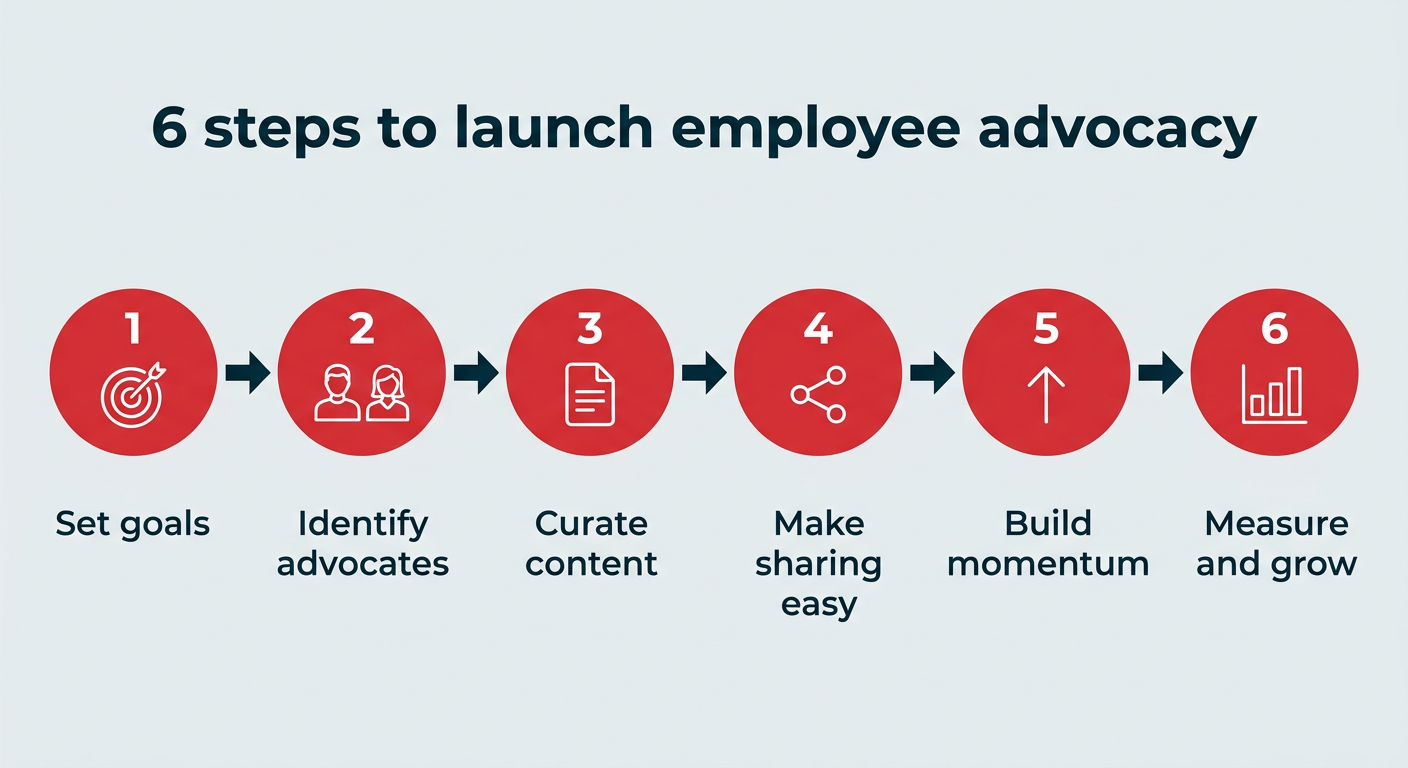
The comprehensive steps for launching an effective employee advocacy program include:
- Set Clear Goals: Define measurable objectives for the program, whether it’s enhancing brand awareness, attracting new talent, boosting engagement, or a combination thereof. These goals will dictate content strategy, success metrics, and the program’s integration into the overarching social media strategy.
- Identify Natural Advocates: Seek out employees who are already active on social media and possess a positive online presence. Starting with these "natural brand ambassadors" fosters genuine participation and provides relatable examples for others.
- Curate Share-Worthy Content: Prioritize authentic, engaging content over overly polished corporate communications. Content that highlights employees, celebrates achievements, and offers genuine behind-the-scenes glimpses consistently outperforms traditional press releases. Visuals and personal narratives are key.
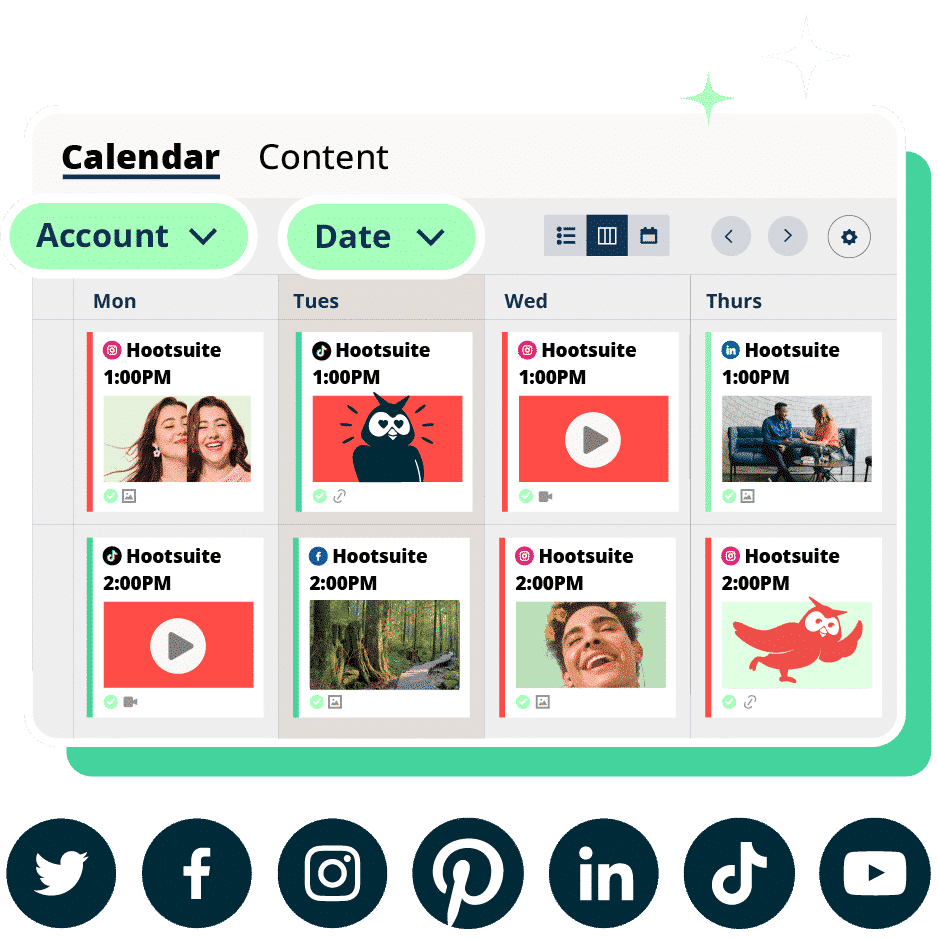
- Simplify the Sharing Process: Ease of use is paramount for sustained participation. Implementing an employee advocacy platform, such as Parliament by Hootsuite, allows employees to easily browse pre-approved posts, visuals, and links, and share them to their networks in seconds. Integration with existing communication tools like Slack and Microsoft Teams further streamlines this process.
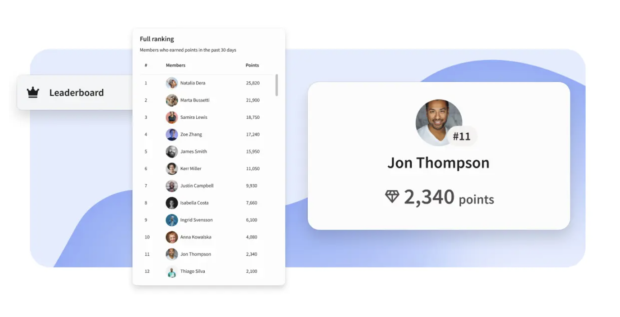
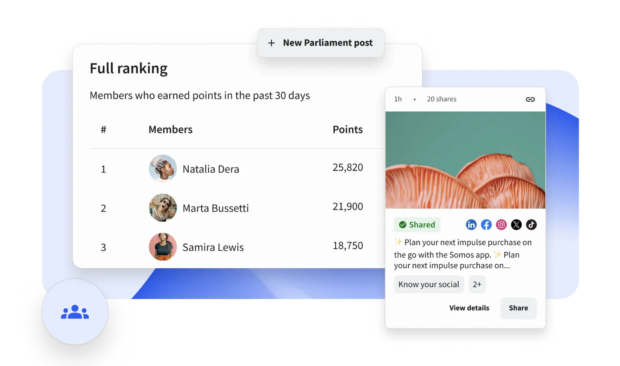
- Build Momentum and Incentivize: Launch the program with a kickoff session and encourage collective initial sharing to generate buzz. Employ leaderboards to recognize top advocates and foster friendly competition. Offering incentives, such as prizes for highest impressions or engagement, can further boost participation.
- Measure and Iterate: Continuously track participation rates and content performance to identify what resonates most with audiences and employees. This data-driven approach allows for ongoing refinement and optimization of the program’s strategy.
Navigating Challenges and Leveraging Technology
While the benefits of employee advocacy are clear, several common challenges can derail programs if not proactively addressed. These include low employee participation, content fatigue, difficulty scaling beyond initial pilots, compliance risks, and demonstrating measurable ROI.
Motivating Participation: To sustain employee engagement, advocacy must be seamlessly integrated into daily routines and perceived as personally rewarding. As Eileen Kwok, former Social & Influencer Marketing Strategist at Hootsuite, notes, encouraging employees to share a post early in their workday can normalize the activity. Hootsuite’s internal data supports this approach, showing that employees who receive regular content suggestions are significantly more likely to share.
Establishing Clear Guidelines: To maintain authenticity and ensure compliance, clear social media guidelines are essential. These typically cover a "do’s and don’ts" list, emphasizing professionalism, respecting confidentiality, and avoiding controversial topics. For regulated industries, robust governance layers with documented approval paths, role-based permissions, and audit trails (like Hootsuite Social OS’s Vigil) are crucial to manage legal implications. Beyond basic guidelines, offering resources like storytelling workshops, content calendars, and personal branding tips can empower employees to create compelling content while maintaining an authentic voice.
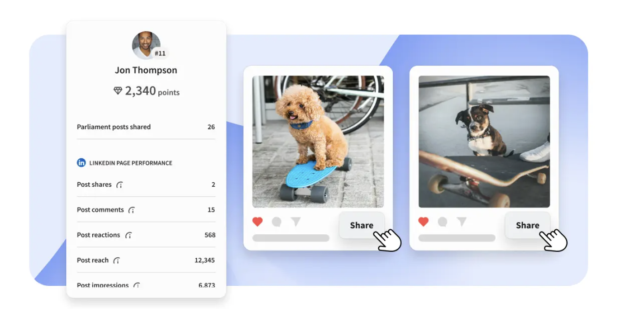
Content Strategy and Repurposing: The most effective employee advocacy content is authentic and personal, often outperforming polished corporate posts on platforms like LinkedIn. "Real experiences, expert insights, and innovative marketing approaches are the types of stories people want to see more of," states Kwok. While both brand-generated content and employee-created content are valuable, the most impactful approach involves employees adding their personal spin to company content. Employees should also be encouraged to share external industry news and thought leadership to diversify their feeds and establish themselves as trusted voices, not just brand promoters. Repurposing existing marketing assets—blogs, social posts, videos—into ready-to-share updates for employees can streamline content creation, with tools like Parliament by Hootsuite centralizing diverse content sources into an easily shareable feed.
The Role of AI in 2026: Artificial intelligence is increasingly streamlining the less glamorous aspects of employee advocacy. AI-powered insights can identify relevant content for specific teams or regions, reducing manual curation efforts. Furthermore, AI tools can assist employees in drafting conversational posts, effectively lowering the barrier of "not knowing what to say," which is a significant deterrent to participation. AI orchestration layers, such as Wisdom within Hootsuite Social OS, provide contextual intelligence on content resonance and coordinate sharing across various programs, augmenting human judgment and removing friction to scale.
Measuring Success: Proving ROI
Measuring the success of an employee advocacy program necessitates aligning tracking metrics with the program’s initial goals, whether they focus on brand reach, recruitment efficacy, or internal engagement. Benchmarking against industry averages or established performance indicators (like Hootsuite’s internal data) provides crucial context for evaluating progress. Dedicated platforms integrate advocacy performance data into broader social media analytics, offering a holistic view of impact.
Key Performance Indicators (KPIs) for employee advocacy typically fall into four categories:
Participation Metrics:
- Active Users: Percentage of employees actively sharing.
- Adoption Rate: Speed at which new employees join the program.
- Sharing Frequency: Average number of posts shared per employee per week/month.
- Content Views/Clicks: How often content within the advocacy platform is accessed.
Engagement Metrics:
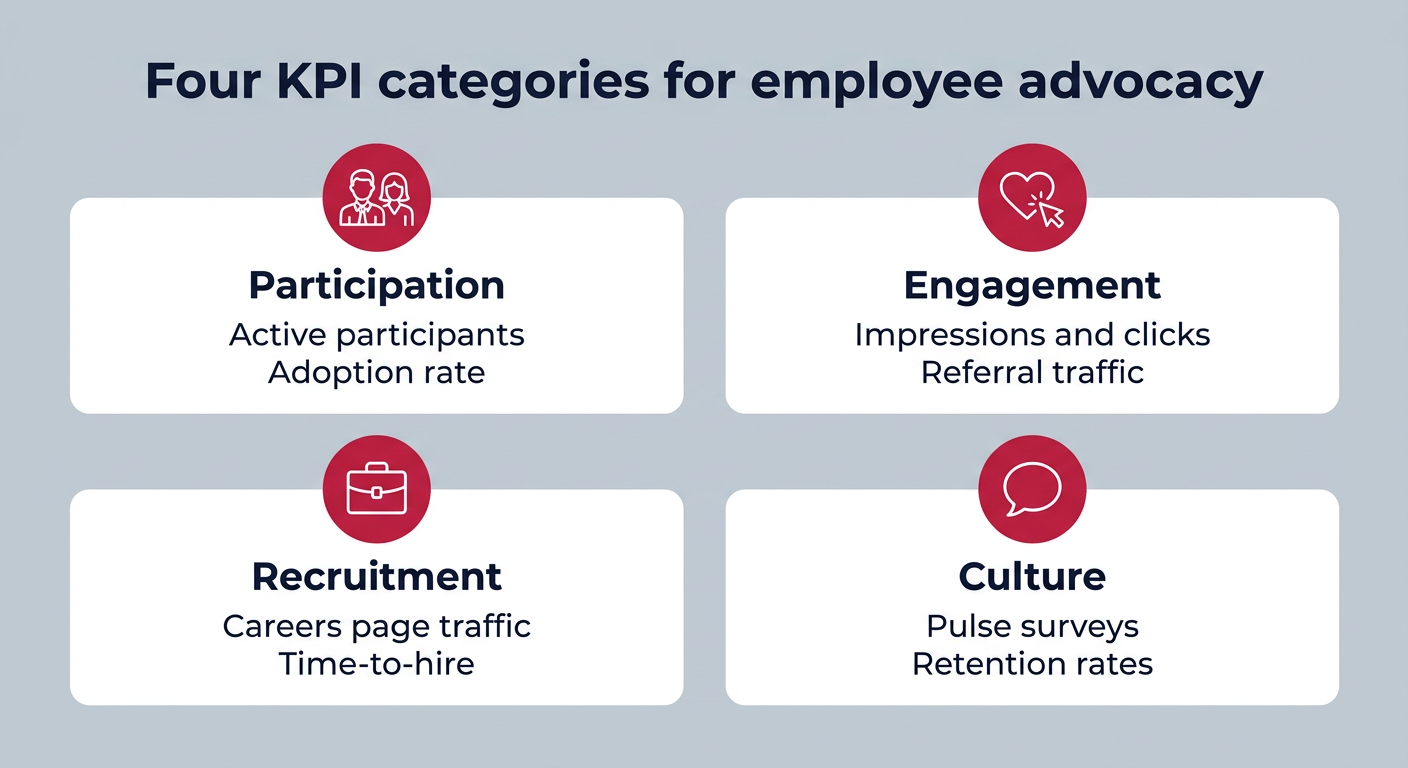
- Total Reach/Impressions: Overall visibility of employee-shared content.
- Engagement Rate: Likes, comments, and shares on employee posts.
- Website Traffic/Conversions: Direct traffic and conversions attributed to employee shares.
- Earned Media Value (EMV): The monetary value of the reach and engagement generated by employee advocacy compared to paid advertising.
Recruitment Metrics:
- Referrals: Number of job applications generated through employee referrals.
- Hires: Number of successful hires from employee referrals.
- Career Page Traffic: Increase in visits to career pages from employee-shared content.
- Candidate Quality: Improved quality of applicants attracted through employee advocacy.
Culture Metrics:
- Employee Sentiment: Internal surveys reflecting pride and engagement.
- Internal Communications Reach: Effectiveness of internal news dissemination.
The Return on Investment (ROI) of employee advocacy manifests primarily through increased brand reach, enhanced trust, and significant earned media value. Tracking this ROI involves monitoring metrics that directly link advocacy activities to business outcomes, such as website traffic, lead generation, recruitment metrics, and the EMV of employee-generated content. Tools like the Hootsuite Employee Advocacy ROI Calculator can quantify the dollar value of these programs. Real-time performance tracking capabilities within platforms like Parliament enable program leaders to monitor top advocates, content performance, and conversions without manual data aggregation, offering a clear comparison to paid campaign performance.

In conclusion, employee advocacy represents a powerful and authentic approach to navigating the complexities of the modern digital landscape. By empowering employees to become genuine brand ambassadors, organizations can unlock unprecedented levels of trust, reach, and engagement, simultaneously bolstering their external brand image and cultivating a vibrant internal culture. As digital communication continues to evolve, the human element of employee advocacy will remain an indispensable asset for businesses striving for sustainable growth and a strong, trusted presence.