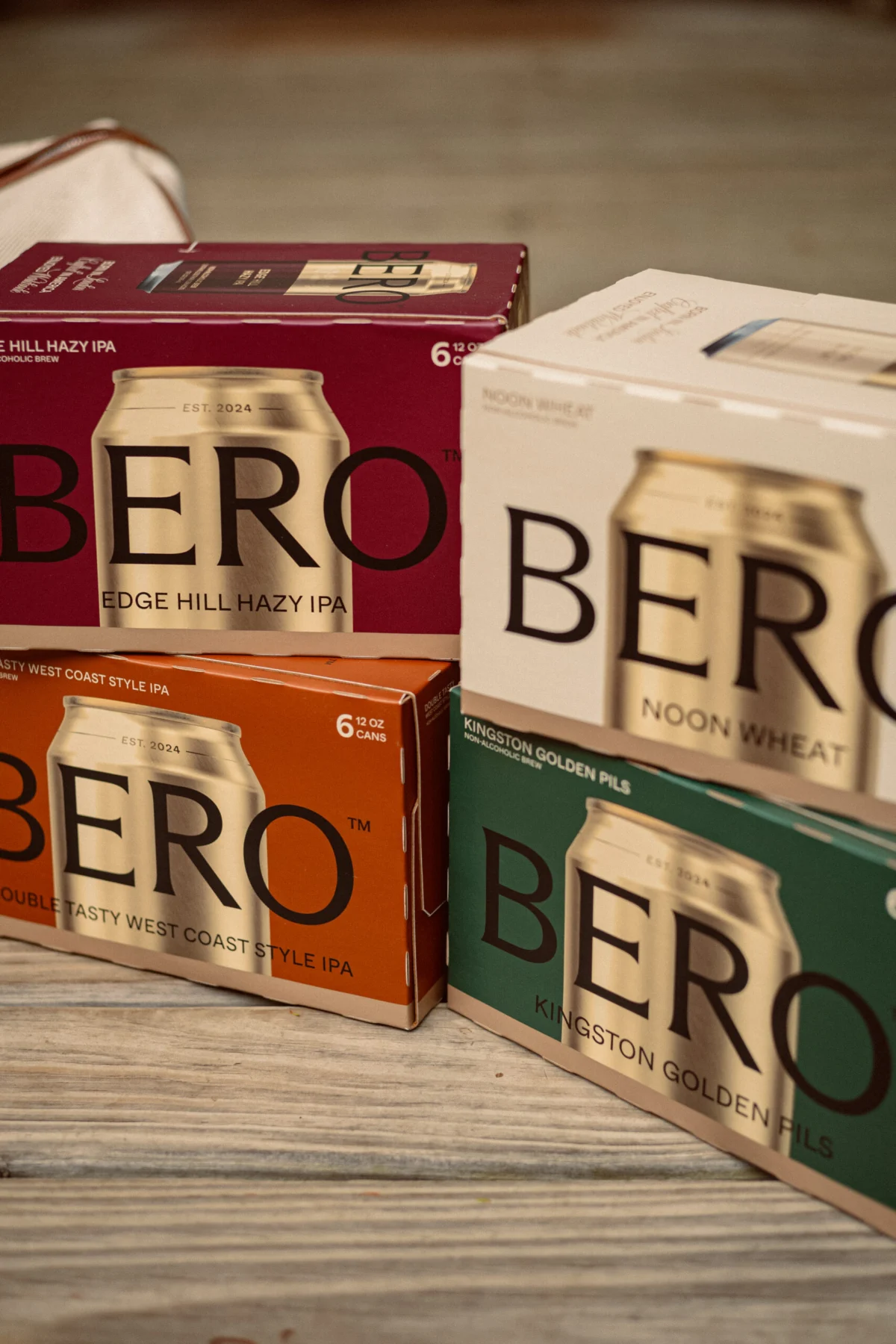
Non-alcoholic beer brand Bero has significantly broadened its retail footprint, establishing a presence in major U.S. grocery chains including Walmart, Kroger, and Publix. This expansion, spearheaded by Declan Duggan, vice president of sales, is underpinned by the development of an internal, AI-driven portal designed to streamline business-to-business (B2B) processes and enhance distributor relationships. The brand, which commenced operations in late 2024, also currently retails through prominent outlets such as Target, H.E.B., and Albertsons, signaling a rapid ascent in the competitive beverage market.
The strategic imperative for Bero’s next phase of distribution involves penetrating the vast network of convenience stores and corner shops. Duggan articulated this ambition, stating, "You walk down to the corner store, we want to be in that. We want to be available because that’s ultimately – there’s, what, 125,000 of those doors out there? They’re pretty unique and independent, but that’s where we all shop. If you live in a major city, we all go to those probably once a day. So, we have to find a way to get into those. And I know other digital networks are popping up to connect the dots with some of these smaller independents now as well." This focus on localized retail accessibility highlights a recognition of the everyday purchasing habits of consumers and the potential to integrate Bero into daily routines. The sheer volume of these independent establishments presents a substantial, albeit fragmented, market opportunity.
Duggan anticipates the upcoming year to be a pivotal period for Bero, marking its emergence as a nationally distributed brand in the U.S. market. This projection is based on the recent acceleration of its distribution strategy, which had previously been more localized. The brand’s commitment to building a robust supply chain and strategic retail partnerships is a testament to its aggressive growth ambitions within the burgeoning non-alcoholic beverage sector.
AI-Powered Innovation Driving Distribution Efficiency
Central to Bero’s expanded distribution capabilities is the deployment of a proprietary internal portal for its distributors. This platform, described by Duggan as "very AI-driven," is built upon Anthropic’s Claude 4.6, a testament to the brand’s investment in cutting-edge technology to optimize its operations. The portal serves as a comprehensive tool for distributors, enabling them to efficiently place purchase orders for Bero products.
Beyond transactional capabilities, the portal integrates a sophisticated digital asset management (DAM) system. This feature allows Bero to upload and manage the latest product imagery and marketing collateral. Distributors can access and download these approved assets, ensuring consistency in brand representation across various retail channels. This is particularly crucial for supporting retailer-specific requests, such as responding to Requests for Proposals (RFPs) from major chains. By providing distributors with immediate access to up-to-date and approved brand materials, Bero empowers them to act as effective brand ambassadors and streamlines the process of securing new retail placements. This level of technological integration underscores Bero’s forward-thinking approach to B2B relationships, aiming to foster transparency and efficiency.
The inclusion of an AI-driven DAM system also mitigates the risk of outdated or unapproved marketing materials being used, which can be detrimental to brand perception and compliance with retailer guidelines. In an industry where visual appeal and consistent branding are paramount, this technological solution provides a significant competitive advantage. The seamless flow of information and assets directly impacts the speed at which Bero can expand its retail presence and respond to market demands.
A Shift in Consumer Culture Fuels Bero’s Ascendancy
The announcement of Bero’s expanded distribution into Walmart, Kroger, and Publix was accompanied by a statement emphasizing a broader cultural shift. The brand articulated that its growing shelf presence "reflects a broader shift in drinking culture as consumers increasingly seek elevated non-alcoholic options." This sentiment aligns with a growing body of evidence indicating a significant rise in the consumption of non-alcoholic beverages across various demographics.
Market research consistently points to an increasing consumer preference for healthier lifestyles, a growing awareness of the social and personal implications of alcohol consumption, and a desire for sophisticated beverage alternatives that do not compromise on taste or experience. This trend is not confined to a niche market; it is becoming a mainstream phenomenon, driven by a confluence of health consciousness, personal well-being initiatives, and a desire for inclusivity in social settings.
In conjunction with these new retail partnerships, Bero plans to collaborate with these major retailers on a range of promotional activities. These initiatives will include in-store sampling events, participation in retail media networks, and strategic creator partnerships. These activations are designed to drive consumer trial, build brand awareness at the point of purchase, and leverage the influence of digital creators to reach a wider audience.
Duggan highlighted the importance of proactive engagement with retail partners, particularly for established relationships like the one with Target. Having been on shelves for its second year with Target, Bero is now focused on actively supporting sales through increased investment and promotional efforts. "Show up and spend some money and drive that consumer for them too," he stated. This commitment to co-marketing and driving consumer demand is crucial for solidifying Bero’s position within these highly competitive retail environments.
The emphasis on providing retailers with access to the brand’s latest imagery and marketing assets, mirroring the approach with distributors, is a key strategy. This ensures that retailers have the necessary tools to effectively merchandise Bero products, create compelling in-store displays, and participate in promotional campaigns. By equipping retailers with these resources, Bero aims to foster a collaborative environment that mutually benefits both parties, ultimately leading to increased sales and brand loyalty. The credibility of a brand is significantly enhanced when its presence in the market is consistently represented through high-quality, approved visual assets.
Tapping into the Hospitality Sector: Bars and Restaurants as Key Growth Channels
Beyond the grocery and convenience store sectors, Bero identifies bars and restaurants as a critical channel for brand growth and consumer engagement. This strategic focus is informed by compelling data suggesting a significant shift in consumer behavior within the hospitality industry.
Recent studies indicate that approximately one-third of patrons in bars and restaurants in the U.K. are now choosing alcohol-free options. Furthermore, a substantial two-thirds of adults report that non-drinkers significantly influence venue selection within their social groups. These statistics underscore a fundamental change in social dynamics and consumer expectations. As Duggan observed, "When I see something like that in a channel like bars and restaurants, I think: How does that apply to the digital world as well? Because they’re still making decisions like that."
This observation suggests that the influence of non-alcoholic choices extends beyond personal consumption to shaping social experiences and, by extension, the viability of establishments that cater to diverse preferences. Duggan continued, "All it’s telling me is that the non-alc beer drinker has become more important to every retailer. You have to expand that portfolio, you have to have choices for them, or they’re just going somewhere else, digitally or otherwise." This highlights the imperative for bars and restaurants to diversify their beverage offerings to remain competitive and cater to a growing segment of the consumer base.
Bars and restaurants are particularly valuable for Bero as they serve as primary touchpoints for consumers to discover and experience new beverage products. These social settings are conducive to experimentation, where patrons are often more receptive to trying something new. Duggan elaborated that these outings are when consumers are more likely to try a new product, often associating the experience with enjoyment and positive emotions. "They’re having fun and may associate Bero with a good time," he added. This positive association can then translate into a willingness to purchase Bero products in other settings, whether through online channels or at retail.
Bero’s strategy in the hospitality sector focuses on expanding the occasions for which consumers might choose a non-alcoholic beverage. The brand aims to position its products not merely as a substitute for traditional alcoholic beer but as a versatile option suitable for a wider range of consumption moments. "Bero is focusing on how it can ‘open up the day’ for consumers," Duggan stated. This includes promoting the enjoyment of non-alcoholic beers during daytime activities, such as lunch, where a traditional beer might be less appropriate. By encouraging consumption outside of traditional evening or celebratory contexts, Bero seeks to normalize and broaden the appeal of its product line. This approach aims to integrate Bero into the daily lives of consumers, fostering a habit of choosing non-alcoholic options across a spectrum of social and personal activities.
The Broader Implications for the Beverage Industry
Bero’s strategic expansion and technological investments are indicative of broader trends shaping the global beverage market. The non-alcoholic beer segment, once considered a niche, is experiencing exponential growth, driven by evolving consumer preferences and a greater emphasis on health and wellness. This surge in demand is compelling traditional breweries and new entrants alike to innovate and expand their offerings in this category.
The success of Bero’s AI-driven B2B platform suggests a future where technology plays an increasingly crucial role in managing complex supply chains and fostering robust relationships between brands, distributors, and retailers. The ability to streamline ordering processes, manage digital assets efficiently, and provide real-time data analytics can significantly reduce operational costs and accelerate market penetration. As Bero continues to grow, its operational model will likely serve as a benchmark for other brands seeking to navigate the complexities of multi-channel distribution in the modern retail landscape.
The focus on corner stores and independent retailers highlights a recognition of the enduring importance of local accessibility in consumer purchasing decisions. While e-commerce and large chain distribution remain vital, the ubiquity and convenience of neighborhood stores continue to hold significant sway. Bero’s strategy to penetrate this segment, potentially leveraging emerging digital networks for independent retailers, could unlock substantial new revenue streams and deepen brand penetration at the community level.
Furthermore, Bero’s emphasis on bars and restaurants as a trial ground underscores the powerful synergy between the on-premise and off-premise channels. By fostering positive trial experiences in social settings, brands can effectively drive demand for at-home consumption. This integrated approach to market development is crucial for building long-term brand loyalty and capturing a larger share of the overall beverage market. As consumer attitudes towards alcohol continue to evolve, the demand for sophisticated and enjoyable non-alcoholic alternatives across all consumption occasions is set to remain a dominant force. Bero’s proactive strategy positions it to capitalize on this ongoing transformation.