The allure of starting a print-on-demand (POD) sticker business on Shopify is undeniable, promising low startup costs, no inventory risk, and an accessible impulse purchase price point. However, a closer examination reveals a significant pitfall that often traps aspiring entrepreneurs: the true cost of fulfilling single sticker orders, particularly when offering free shipping. This article delves into the intricate financial dynamics of selling POD stickers, offering a strategic roadmap for business owners to navigate these challenges and establish a sustainable, profitable venture in a rapidly expanding global market estimated to reach $13-15 billion by 2026.
Understanding the Sticker Pricing Trap: The First-Item Shipping Dilemma
The fundamental challenge in selling individual stickers online lies in the disproportionate cost of shipping the first item in an order. For a $4.99 kiss-cut sticker sold with free shipping through a popular POD provider like Printful, the breakdown of costs can be starkly unfavorable: a $1.95 base cost for the sticker, a staggering $4.29 for first-item U.S. shipping, and a $0.44 Shopify payment processing fee. This results in a net loss of $1.69 per sale, a reality often omitted in introductory guides to POD sticker sales on Shopify.
This financial reality underscores a critical lesson: the per-sticker cost is misleading when shipping is a per-order expense. The first sticker in an order incurs the highest shipping charge, while subsequent stickers in the same order benefit from significantly reduced rates, often around $0.99. This disparity fundamentally dictates product strategy and pricing. Many online guides promoting sticker sales suggest pricing strategies based solely on multiples of the base product cost, neglecting the substantial impact of shipping, platform subscriptions, and transaction fees. For instance, a common recommendation to "charge 2 to 3x your base cost" or calculate a price like "$1.20 cost plus a 40% margin plus $0.30" fails to account for the true operational expenses. A $1.95 sticker with a $4.29 shipping fee would cost $6.24 to fulfill, making a retail price of $3-$5 untenable for profit. To break even on a single sticker with free shipping at these rates, a retail price of nearly $8 would be required, a price point rarely achieved for a solitary sticker.
Strategic Solutions: Optimizing the Offer for Profitability
The solution to this pricing paradox lies not in simply increasing the price of individual stickers, but in fundamentally altering the unit of sale. Entrepreneurs must fix their offer by strategically bundling products and implementing thoughtful shipping thresholds.
The Power of Bundling: Sticker Sheets and Multi-Packs
The most effective strategy to mitigate the impact of high first-item shipping costs is to shift the focus from selling individual stickers to offering sticker sheets or multi-packs. Consider a scenario where five stickers, each priced at $4.99, are sold.
- Scenario 1: Five Separate Orders of Single Stickers: If each of the five stickers is purchased individually, resulting in five separate orders, the fulfillment cost can reach approximately $33.40. With a combined retail price of $24.95, this scenario results in a net loss of $8.45.
- Scenario 2: One 5-Sticker Pack (Fulfilled Individually): If these five stickers are presented as a pack but fulfilled as five separate sticker items, the fulfillment cost decreases to around $18.73. At a retail price of $14.99, this still represents a net loss of $3.74.
- Scenario 3: One Printed Sticker Sheet: The most financially viable option is to present these five designs on a single printed sticker sheet (e.g., 5.83 x 8.25 inches). In this configuration, the fulfillment cost drops significantly to $10.07. With a retail price of $14.99, this yields a net profit of $4.92, representing a healthy gross margin of approximately 33%.
The success of the sticker sheet lies in its treatment as a single item, incurring the initial shipping charge only once. This principle extends to the implementation of a free shipping threshold, typically set around $15-$20. This encourages customers to purchase multiple items, thereby consolidating shipping costs and increasing the average order value.
Identifying Profitable Niches: Beyond Trends to Buyer Behavior
The common advice to target "trending sticker niches" often overlooks a crucial factor: buyer purchasing behavior within those niches. For a print-on-demand sticker business on Shopify, the defining characteristic of a profitable niche is not mere popularity, but the propensity of buyers to purchase multiple items in a single transaction.
Tools like Google Trends, Pinterest trend searches, and Etsy’s search data can provide valuable insights. However, the critical analysis involves understanding which niches exhibit a pattern of customers adding four to six stickers to their cart. Niches such as planners, journaling supplies, medical professionals (nurses, doctors), and aesthetic-focused communities often demonstrate this behavior, as individual items are frequently seen as complementary rather than standalone purchases. Conversely, niches focused on large, statement stickers might struggle with the high first-item shipping cost if customers consistently buy only one item at a time.
Legal considerations are paramount. The sale of fan art, brand logos, or copyrighted characters through print-on-demand services carries significant legal risks. Copyright holders retain control over derivative works, and relying on "fair use" is a precarious defense that is typically argued after a takedown notice. Entrepreneurs are advised to focus on original artwork or secure formal licensing agreements to avoid potential legal entanglements and platform violations.
Selecting the Right Print-on-Demand Supplier: Cost vs. Consistency
Choosing a reliable print-on-demand supplier is a critical decision that directly impacts profit margins and customer satisfaction. While many guides focus on supplier adjectives, the practical reality hinges on pricing and the consistency of product quality.
Several key players dominate the POD sticker market:
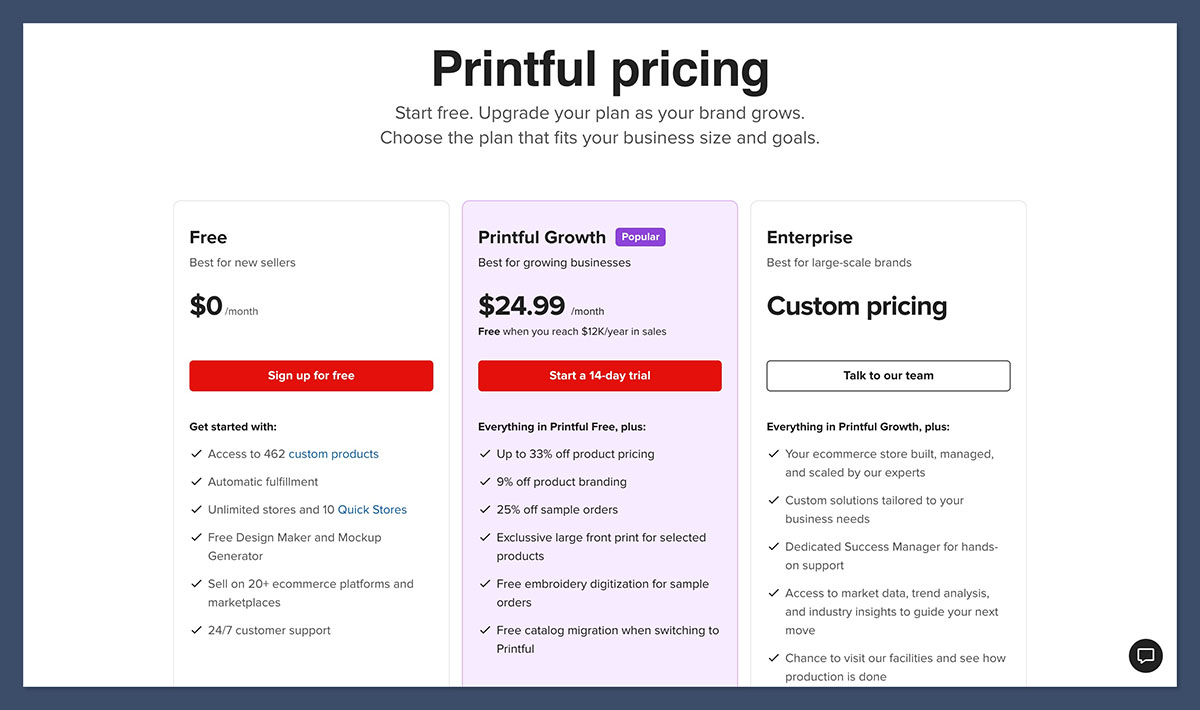
- Printful: Offers a free plan with a consistent base cost for various sticker types. For example, a 3×3 inch kiss-cut sticker is $1.95, while a 5.5-inch die-cut is $4.50. Their U.S. shipping starts at $4.29 for the first item and $0.99 for each additional item. Printful operates its own facilities, which generally ensures higher print consistency compared to platforms that outsource to multiple third-party providers.
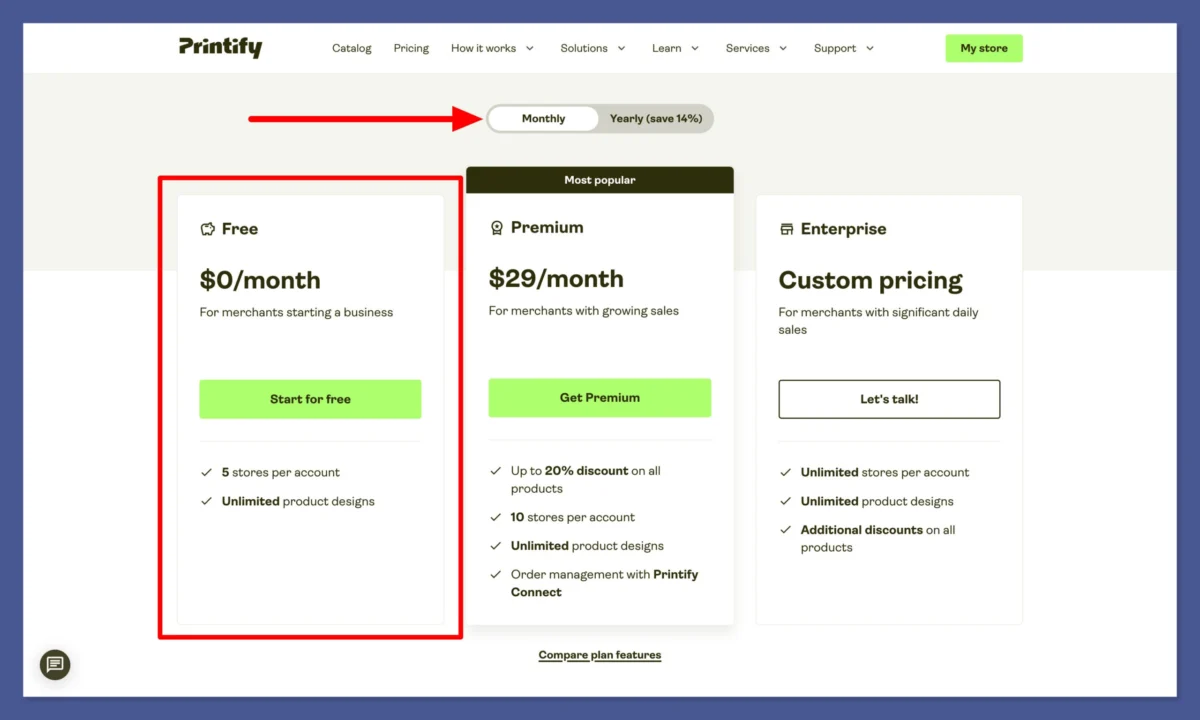
- Printify: While offering lower base costs, particularly on their Premium plan (around $1.02-$1.39 for a kiss-cut sticker), Printify’s pricing and shipping vary significantly by the chosen print provider. This can lead to inconsistencies in quality and fulfillment times.
- Gelato: Utilizes a local production network, which can reduce international shipping costs and transit times. However, their sticker pricing is not publicly available on their website.
- Sticker Mule: While not a traditional POD supplier for direct Shopify integration (it operates on a bulk pre-order model), Sticker Mule offers highly competitive per-unit costs for larger orders. For instance, 50 die-cut vinyl stickers cost approximately $1.20 each, falling to about $0.12 per unit at 10,000 units. This model requires upfront inventory investment, which is a significant departure from the zero-inventory risk of POD.
For new businesses, Printful’s free plan often presents a balanced approach, trading a slightly higher base cost for greater print consistency and less managerial overhead. As sales volume increases, Printify might become more attractive if specific print providers can be vetted for quality and cost-effectiveness.
Creating Print-Ready Files: Technical Specifications for Success
The technical aspects of preparing design files for printing are crucial for ensuring that the final product matches the intended vision. Printful provides clear specifications, emphasizing six key checks:
- Dimensions: Adhering to the specified product dimensions.
- Resolution: Maintaining a minimum of 300 DPI (dots per inch) for sharp, detailed prints.
- Bleed: Including a 3mm bleed area around the design to prevent white edges after cutting.
- Safe Zone: Ensuring critical design elements are within a 3mm safe zone to avoid being cut off.
- Color Profile: Using the sRGB color profile, as RGB is standard for digital displays and most print processes. Misinterpreting color profiles is a common cause of perceived color inaccuracies.
- File Format: Saving files as transparent PNGs.
Understanding the difference between kiss-cut and die-cut stickers is also essential for file preparation. Die-cut designs require a clean silhouette with ample breathing room, as the blade precisely follows the artwork. Kiss-cut stickers, which retain a backing border, are more forgiving with complex edges. For sticker sheets, elements must be spaced adequately for the cutter to separate them effectively. Free design tools like Canva (with its free tier and the Photopea workaround for transparent backgrounds) can be utilized, keeping initial design expenses at $0.
Setting Up Your Shopify Store: Foundational Elements for Sales
Establishing a functional Shopify store requires focusing on essential elements rather than getting bogged down in aesthetic customization. A typical setup involves:
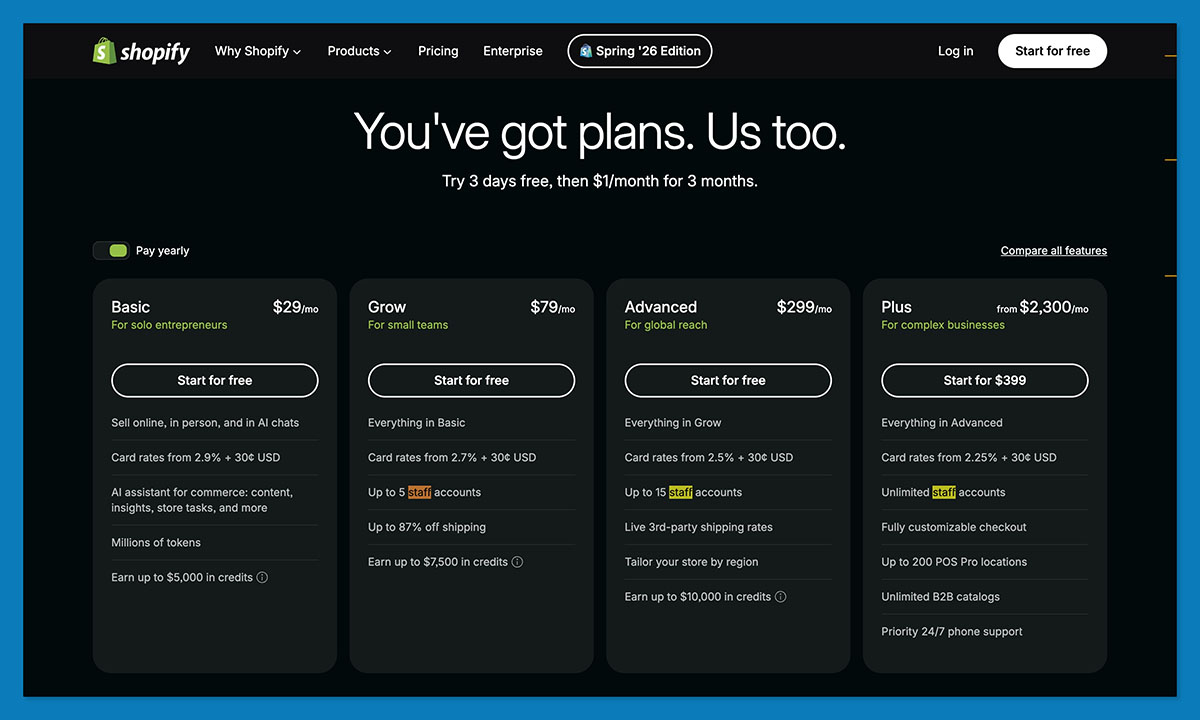
- Choosing a Shopify Plan: Options range from the $5/month Starter plan (with a 5% transaction fee) to the $39/month Basic plan (with standard payment processing fees). The Basic plan is generally more cost-effective for businesses anticipating moderate sales volume due to its lower per-transaction fees.
- Creating Essential Pages: This includes a homepage, about us page, contact page, and store policies (shipping, returns, privacy).
- Adding Products: This is where the POD app integration becomes crucial.
- Configuring Payment Gateways: Setting up Shopify Payments or a third-party alternative.
- Setting Up Shipping Zones and Rates: Crucial for managing customer expectations and costs.
- Choosing a Theme: While customization can be tempting, prioritizing functionality over elaborate design is key in the initial stages.
It’s advisable to skip theme customization and advanced app installations until after the first sale. This allows for a rapid launch and a focus on core functionality.
Connecting Your POD App and Publishing Your First Sticker
The integration process between a POD app (like Printful or Printify) and Shopify is typically straightforward, taking mere minutes. However, meticulous post-connection checks are vital to prevent order fulfillment errors and customer dissatisfaction.
Whether starting the process within the POD app or directly on Shopify, the key steps involve:
- Connecting Accounts: Linking your Shopify store to your chosen POD provider.
- Selecting Products: Choosing the sticker types and variations you wish to offer.
- Customizing Product Details: Setting titles, descriptions, and pricing.
- Publishing Products: Making them live on your Shopify store.
Before announcing the store, a thorough review of the published product is essential. This includes checking:
- Product Title and Description: Ensuring accuracy and appeal.
- Images and Mockups: Verifying they accurately represent the product.
- Pricing: Confirming it aligns with your calculated profit margins.
- Variants and Options: Ensuring all choices are correctly configured.
- Collection Assignment: Placing the product in the appropriate category.
It is crucial to understand that your credit card funds order fulfillment, not your payout, which can take several days to process. This cash flow gap must be factored into financial planning.
Strategic Pricing and Comprehensive Cost Analysis
Effective pricing is not an arbitrary calculation but a direct reflection of your total fulfillment costs, including base product cost, shipping, payment processing, and packaging. The prevailing formulas that merely multiply base costs are insufficient.
A detailed monthly cost analysis is essential for understanding the break-even point. For a business operating on Shopify’s Basic plan ($39/month) with a paid POD plan (e.g., Printify Premium at $24.99/month), fixed monthly costs can approach $78. Considering a gross margin of $4.92 per sticker sheet, approximately 16 sheet orders per month are needed to cover these fixed costs. The cheapest path, using Shopify Starter ($5/month) and free POD plans, significantly lowers the break-even point to just over one order, albeit with a reduced per-order margin due to the 5% transaction fee.
The decision to upgrade to paid plans for either Shopify or POD services should be driven by sales volume and demonstrable ROI, not by feature lists. For instance, Printify Premium’s potential savings only become financially advantageous when the volume of orders justifies the monthly subscription cost.
The Crucial Step: Ordering Samples Before Driving Traffic
Before investing any capital in marketing or driving traffic to your Shopify store, ordering physical samples of your products is an indispensable step. A $7-$15 investment in a sample unit for each product format (e.g., single kiss-cut, sticker sheet) serves as the most cost-effective insurance against quality issues.
These samples should be rigorously inspected for:
- Print Quality: Color accuracy, sharpness, and vibrancy.
- Cut Accuracy: Precision of kiss-cut or die-cut lines.
- Material Quality: Durability and adhesion of the vinyl.
- Packaging: Ensuring it protects the product during transit.
- Delivery Time: Assessing the actual shipping duration.
If a sample is unsatisfactory, diagnosing the issue before redesigning is critical. This might involve switching print providers on platforms like Printify or addressing file preparation errors. Furthermore, high-quality photographs of these physical samples can significantly enhance product pages, outperforming generic mockups and fostering customer trust.
Marketing and Launch Strategy: Building Visibility in a Crowded Marketplace
Over 80% of Shopify stores generate zero revenue within their first 90 days, not due to flawed products but due to a lack of visibility. Shopify, unlike marketplaces like Etsy, does not inherently provide a built-in audience. Therefore, a strategic marketing approach is essential.
Effective tactics for sticker sales include:
- Search Engine Optimization (SEO): Optimizing product titles, descriptions, and website content for relevant keywords.
- Social Media Marketing: Engaging with target audiences on platforms like Instagram, TikTok, and Pinterest, utilizing visually appealing content and relevant hashtags.
- Influencer Marketing: Collaborating with micro-influencers within niche communities to promote products.
- Paid Advertising: Targeted campaigns on social media or search engines, initiated only after the store demonstrates conversion capability with organic traffic.
For complete beginners, launching on Etsy first for one to three months can be a strategic move to gain initial sales traction and validate designs using Etsy’s existing buyer traffic. This can build a foundation for a dedicated Shopify store, which offers greater control over branding and customer data, typically around months 6 to 12. The initial 90 days on any platform should be viewed as a validation period, focusing on rapid execution, a warm audience if available, and robust conversion basics.
Conclusion: A Foundation for Sustainable Sticker E-commerce
Establishing a profitable print-on-demand sticker business on Shopify demands a departure from simplistic pricing models and a keen understanding of fulfillment economics. By prioritizing strategic product bundling, accurate cost analysis, careful supplier selection, and meticulous sample testing, entrepreneurs can build a sustainable venture. The journey from a concept to a revenue-generating store hinges on addressing the fundamental financial realities of shipping and operational costs, thereby ensuring that each sale contributes to profitability rather than loss. The global print-on-demand market continues its upward trajectory, presenting a significant opportunity for those who approach it with a well-informed, strategically sound business model.