The emergence of Generation Alpha, defined as individuals born between 2010 and 2024, represents a pivotal shift in consumer demographics and necessitates a re-evaluation of traditional marketing paradigms. This cohort, already the largest generation globally, is not merely a younger iteration of Generation Z; their upbringing in a fundamentally different digital landscape has forged distinct preferences and behaviors that demand tailored engagement strategies from brands. Their pervasive influence on household purchasing decisions, even at a young age, underscores the immediate imperative for marketers to understand and adapt to this new consumer force.

The Dawn of the Algorithm-Native Generation
Generation Alpha arrived into a world already saturated with advanced digital technologies. Unlike Generation Z, who witnessed the nascent stages of social media and the smartphone revolution, Alphas have known only a post-iPhone, post-streaming, and increasingly AI-integrated environment. Their earliest interactions with digital platforms have been governed by sophisticated algorithms designed to personalize content feeds, from YouTube recommendations to TikTok’s ‘For You’ page. This constant exposure to tailored experiences has cultivated an inherent expectation for bespoke content and services, fundamentally reshaping their views on media consumption, brand interaction, and even social connection. The COVID-19 pandemic further accelerated this digital immersion, solidifying screens and online platforms as central to their learning, entertainment, and social development. This "algorithm-native" upbringing distinguishes them sharply from previous generations, creating a consumer segment that is not just digitally fluent but digitally dependent in a unique way.

Distinctive Consumer Behaviors and Preferences
The unique digital upbringing of Gen Alpha translates into several key differences in their consumer behavior compared to Gen Z. Marketers must recognize these nuances to craft effective strategies.
-
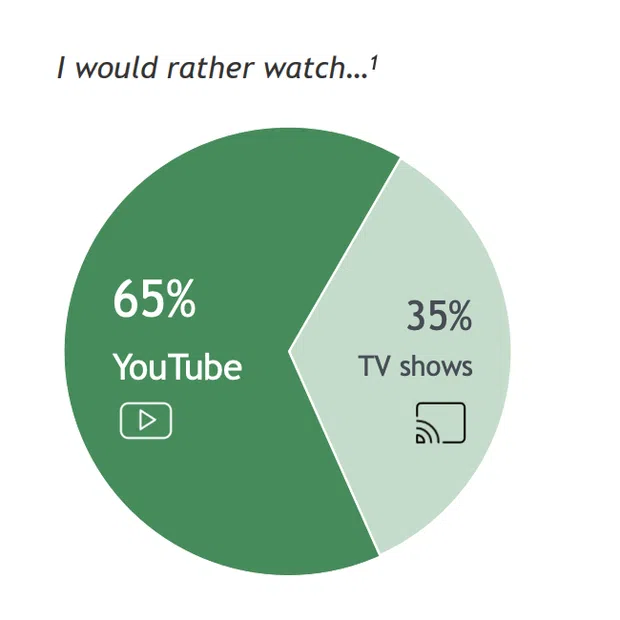
Hyper-Personalization as a Baseline: For Gen Alpha, personalized feeds are not a novelty but a fundamental expectation. Platforms like YouTube and TikTok, which excel at delivering highly relevant content without explicit requests, are preferred over traditional linear television. Data from Collage Group indicates that 65% of Gen Alpha prefer YouTube to TV shows, a testament to their ingrained preference for algorithmically curated experiences. Brands attempting to engage this generation must move beyond generic messaging, striving instead for content that feels directly relevant and addresses individual interests, even within broader campaigns.
-
The Drive for Interactivity and Gamification: Gen Alpha demands more than passive consumption; they seek interactive, immersive, and gamified experiences. While Gen Z was content to watch, Gen Alpha wants to participate. This is evident in their strong affinity for gaming platforms like Roblox and Minecraft, where 3 in 5 Gen Alphas reportedly prefer playing video games over watching videos. Roblox, in particular, highlights this trend, with 56% of its user base under the age of 16. This preference signals a broader shift towards media that allows for agency, customization, and exploration. Brands are challenged to integrate elements of play, challenges, and user-driven narratives into their marketing, creating experiences rather than just advertisements.

-
Evolving Brand Engagement: Traditional engagement metrics, such as likes, comments, and shares, may not fully capture Gen Alpha’s attention. While 44% of Gen Z actively engage with brand posts, only 28% of Gen Alpha do so, according to Greenbook data. This does not imply disinterest but rather a different mode of observation. Gen Alpha is adept at filtering out overt advertising and is more likely to absorb brand messaging through indirect channels, such as creator content or peer discussions. Authenticity and seamless integration into their digital ecosystem are paramount, making "native" content that blends into their feeds more effective than traditional ad formats.
-
Native Social Commerce: Social shopping is an intuitive and integrated part of the purchasing journey for Gen Alpha. Unlike older generations who view buying directly from a social media app as a relatively new development, Gen Alpha perceives it as a standard mode of transaction. Greenbook’s 2025 TeenVoice data reveals that Gen Alpha is more inclined than Gen Z to utilize social shopping features, with 23% reporting that they shop exclusively online. This indicates a generation comfortable with immediate, integrated purchasing pathways, driven by discovery within their social feeds. Brands must optimize their social presence for direct commerce, simplifying the path from content discovery to purchase.
The Dual-Audience Imperative: Marketing to Kids and Parents
A significant portion of Gen Alpha is still under 18, meaning that marketing efforts often face a dual-audience challenge: appealing to the child’s desires while simultaneously satisfying the parent’s criteria. This dynamic necessitates a nuanced approach that considers both the aspirational appeal for children and the practical considerations for adult decision-makers.

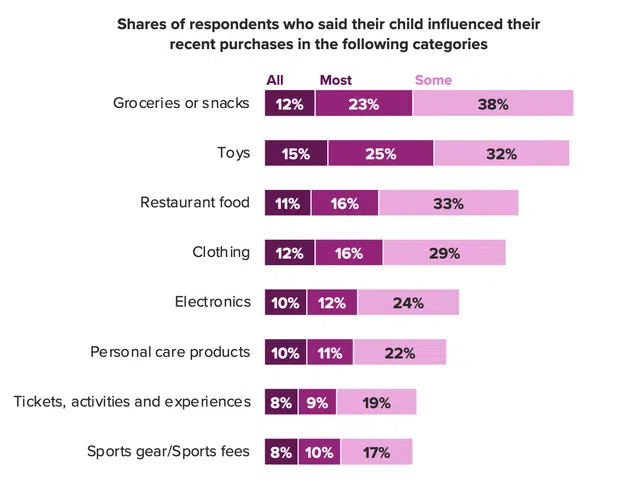
Gen Alpha’s influence on household spending is substantial. A Morning Consult survey revealed that 73% of parents state their children are the first to inform them about new or popular products, and nearly three-quarters acknowledge their child’s influence on recent grocery or snack purchases. Furthermore, 42% of Gen Alpha parents provide an allowance, granting this generation a degree of independent spending power. This direct and indirect influence means that waiting for Gen Alpha to reach full buying potential is a missed opportunity; their preferences are shaping current market trends.
Successful brands navigate this complex landscape by crafting messages that resonate with both demographics. For instance, a skincare brand designed for children might use playful, trend-forward TikTok content to capture a child’s attention, while simultaneously emphasizing non-toxic ingredients and safety in messaging directed at parents. Claire’s, a popular accessory retailer, effectively demonstrated this by featuring a creator’s daughters getting their ears pierced in a Reel, highlighting the joyful experience for children, while the accompanying caption focused on the brand’s new piercing experience and health standards, addressing parental concerns about safety and hygiene. This "experience for kids, safety for parents" dichotomy is a common thread in effective Gen Alpha marketing.

Regulatory Landscape and Ethical Considerations:
The presence of minors within Gen Alpha necessitates strict adherence to privacy and advertising regulations. In the U.S., the Children’s Online Privacy Protection Act (COPPA) is a critical safeguard, limiting how companies can collect personal information from children under 13. This includes names, email addresses, photos, location data, and behavioral data used for targeted advertising. Compliance typically requires parental notice and consent before data collection. Beyond legal mandates, platforms themselves impose minimum age requirements and stricter ad-targeting policies for younger users. For example, Facebook and Instagram restrict advertisers to using only age and location for targeting teens. These guardrails emphasize the ethical imperative for brands to prioritize child safety, privacy, and responsible content creation, ensuring that marketing efforts are not exploitative or manipulative. Industry experts and consumer advocacy groups consistently highlight that "effective" marketing to this demographic must be synonymous with "ethical" marketing, emphasizing transparency and age-appropriateness.
Strategic Engagement: Channels, Content, and Creators
To effectively reach Gen Alpha, brands must focus their efforts on the platforms and content formats that genuinely capture their attention, while adhering to ethical guidelines.
-
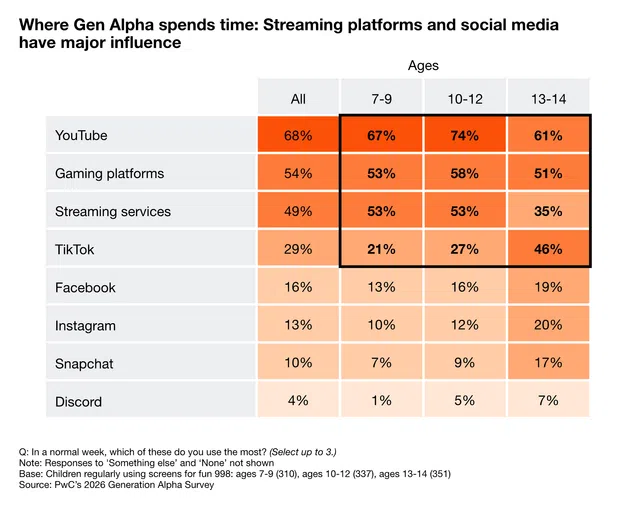
Dominant Platforms: YouTube and TikTok: YouTube stands out as the clear frontrunner for Gen Alpha, with a 2026 PwC survey indicating that 68% of children aged 7 to 14 regularly use it. Its appeal spans all age groups within this demographic. TikTok, while popular for its short-form, trend-driven content, gains additional significance due to its integrated social shopping features, aligning with Gen Alpha’s comfort with direct in-app purchases. Brands should prioritize a multi-platform content strategy, leveraging the unique strengths of each channel.
-
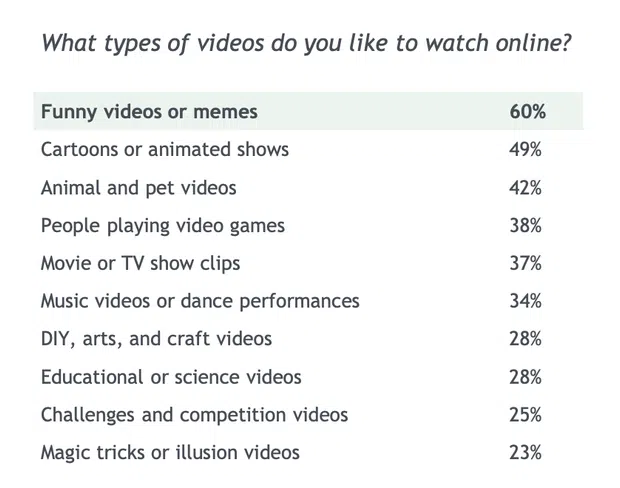
The Power of Gaming & Interactive Content: Gaming platforms represent a massive segment of Gen Alpha’s attention, with 54% regularly engaging with them. This signals a preference for content that allows for active participation—playing, choosing, competing, customizing, or exploring. Brands don’t necessarily need to develop their own games but can integrate interactive elements into their content, run challenges, or collaborate with popular gaming titles or streamers. The goal is to make content that invites engagement rather than simply being observed.

-
Entertainment-First Approach: Above all, Gen Alpha seeks entertainment. Content that features pranks, challenges, satisfying visuals, or invites direct participation tends to resonate most strongly. A brand like Jellycat effectively uses this principle by creating simple, interactive Reels that ask viewers to "wave your thumb to the beat," a small but effective way to foster engagement. The emphasis should be on creating genuinely enjoyable and shareable experiences that naturally fit into the feed, rather than overt promotional messages.
-
Leveraging Creators Authentically: Gen Alpha often looks to their favorite online creators and influencers for discovery and validation. Partnering with relevant creators offers a direct pathway to this audience. However, authenticity is crucial. The chosen creator must genuinely align with the brand and product, and their content and values must withstand parental scrutiny. Thorough vetting of influencers is essential to ensure responsible representation and avoid any missteps that could alienate both children and their parents.

Navigating the Pitfalls: What Brands Must Avoid
Missteps in marketing to Gen Alpha can be costly, leading to disengagement or even reputational damage. Brands must be acutely aware of common errors.

-
Oversimplifying Gen Alpha: Reducing Gen Alpha to a mere aesthetic of "brainrot" or "loud colors" is a fundamental misunderstanding. As Kayleigh Crandell, Social Lead & Project Manager at Xponent21, notes, while such elements have historically appealed to children, they fail to capture the sophistication of this generation. Alphas have built complex micro-societies within platforms like Roblox and Minecraft, complete with their own languages and norms, where brand preferences are actively formed. Brands must aim to become part of these cultural conversations, contributing meaningfully rather than superficially.
-
The Myth of the Short Attention Span: The notion that Gen Alpha possesses a universally short attention span is largely a misconception. While they are adept at quickly processing information and filtering out irrelevant content, they demonstrate sustained attention for long-form YouTube videos, gaming livestreams, and immersive walkthroughs that align with their interests. Their attention is selective, not absent. Brands should focus on creating compelling, quality content that justifies sustained engagement, regardless of its length, rather than solely relying on ultra-short formats.

-
Authenticity Over Forced Slang: Attempts by brands to adopt forced slang or internet-speak in an effort to "sound young" often come across as insincere and inauthentic. Gen Alpha values genuine connection. The most effective approach is to create content that is inherently funny, useful, or entertaining. If the content is engaging on its own merits, mimicking teenage vernacular becomes unnecessary and potentially counterproductive. Authenticity and cultural relevance trump contrived attempts at coolness.
-
Ethical Marketing and Transparency: Given the vulnerability of younger audiences, ethical considerations must be at the forefront of all marketing efforts. Transparency about sponsored content, clear distinctions between entertainment and advertising, and a commitment to age-appropriate messaging are non-negotiable. Brands have a responsibility to educate and entertain without resorting to manipulative tactics, fostering trust with both children and their parents.

Future Outlook and Long-Term Impact
Gen Alpha’s early digital habits and consumer preferences are poised to profoundly shape future markets. Their expectation of personalization, their comfort with integrated social commerce, and their demand for interactive experiences will continue to drive innovation in retail, advertising, and content creation. Brands that adapt proactively and ethically, recognizing this generation’s unique traits, will be best positioned for long-term success. The imperative is not just to reach Gen Alpha, but to understand them, engage them meaningfully, and build trust in a rapidly evolving digital ecosystem.

To manage the complexities of marketing to such a dynamic and privacy-sensitive generation, marketers increasingly rely on integrated social media management platforms. These tools enable the planning, creation, and scheduling of multi-platform, family-safe content, allowing brands to tailor messages to specific channels and age groups. Advanced analytics within these platforms help identify trending topics and content formats that resonate with Gen Alpha, facilitating agile content creation. Furthermore, robust governance and compliance features, including approval workflows and automated monitoring, are critical for ensuring all campaigns adhere to regulatory requirements like COPPA and internal ethical standards, especially when targeting minors. This technological support allows brands to maintain both speed and responsibility in their engagement with Generation Alpha.