rifanmuazin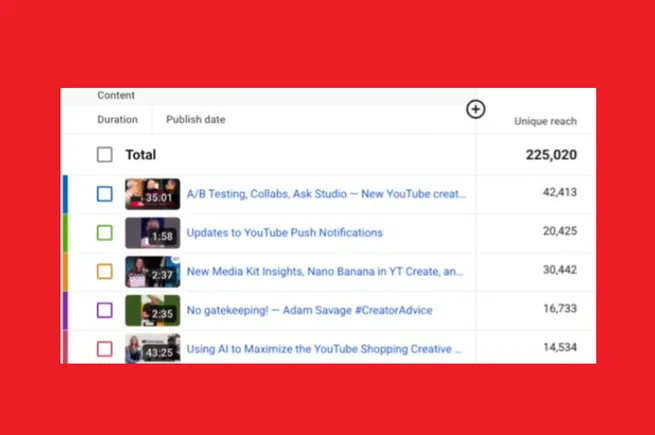
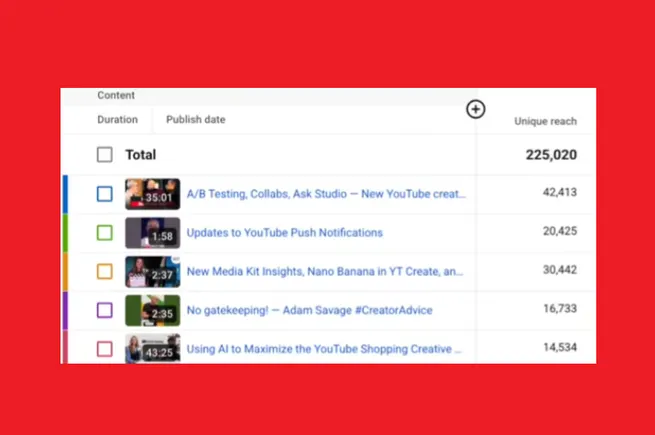
YouTube, the global video-sharing giant, has recently rolled out a new “Unique Reach” metric for its extensive creator community, designed to offer a more comprehensive and nuanced understanding of audience exposure, particularly for content consumed on Connected TV (CTV) platforms. This significant update aims to provide creators with an enhanced tool to demonstrate the true value and breadth of their viewership to prospective brand partners and advertisers. Concurrently, the platform has also announced a creative enhancement for its burgeoning Shorts feature, allowing creators to now incorporate music into image posts and carousels, further enriching the short-form content experience and fostering greater community connection. These dual announcements underscore YouTube’s continuous efforts to evolve its creator tools, measurement capabilities, and competitive offerings in the dynamic digital media landscape.
Understanding YouTube’s New Unique Reach Metric: A Deeper Dive into Audience Measurement
The introduction of the Unique Reach metric marks a pivotal step in YouTube’s ongoing evolution of its analytics suite. For years, digital platforms have grappled with the challenge of accurately measuring audience consumption across diverse devices, especially in multi-viewer environments like living rooms. Traditional metrics like “unique viewers” often counted individual logged-in accounts, which, while accurate for personal device usage (like smartphones or laptops), fell short in reflecting the collective viewing experience on shared screens such as smart TVs. The new Unique Reach metric directly addresses this deficiency, aiming to provide a more holistic representation of audience exposure.
As explained by YouTube’s Creator Liaison Rene Ritchie in an official announcement, the distinction between “unique viewers” and “unique reach” is crucial. Ritchie illustrated this with a clear example: if a user watches a video three times on their phone, analytics would register three views but only one unique viewer. However, if that same video is watched once on a TV, but with two friends present, the new Unique Reach metric would account for three “co-views,” thereby reflecting a broader audience exposure. This shift is particularly relevant in the era of Connected TV, where a single viewing session can often involve multiple individuals, yet historically, only one “view” or “viewer” was typically registered.
The Challenge of CTV Measurement and YouTube’s Predictive Modeling
The rise of Connected TV has dramatically reshaped media consumption habits. Data from Statista indicates that the global CTV ad spending is projected to reach over $30 billion by 2024, highlighting the immense value advertisers place on this channel. However, accurately measuring audiences on CTV has long been a complex hurdle for digital platforms. Unlike individual devices where user logins or device IDs can offer deterministic data, CTV environments often lack direct user identification for every viewer present. This makes precise, person-level measurement difficult.
To overcome this inherent challenge, YouTube has confirmed that its Unique Reach metric will rely on sophisticated predictive models rather than purely deterministic logged-in user data. These models are designed to estimate the number of viewers based on a multitude of factors, including demographics of the primary account holder, video genre, and even the time of day. For instance, a family-oriented cartoon watched on a Saturday morning might be predicted to have multiple co-viewers, whereas a late-night news program might be estimated to have fewer. This approach aligns YouTube’s measurement methodology more closely with traditional television industry standards, which have historically relied on probabilistic models and panel data (like those from Nielsen) to estimate household viewership.
YouTube emphasized that its modeling methodology is rigorously validated against industry-standard measurements from established partners, including Nielsen, to ensure that these estimates are robust and reflect real-world viewing patterns. This validation process is critical for building advertiser trust and demonstrating the credibility of the new metric. For advertisers accustomed to traditional TV ratings, a metric that provides estimated household or co-viewership figures offers a more familiar and comparable data point, even if it deviates from the absolute, logged-in user counts prevalent in pure digital advertising.
Implications for Creators and Advertisers
The introduction of Unique Reach carries significant implications for both content creators and advertisers. For creators, this metric offers a more compelling narrative for potential brand partnerships. By demonstrating a wider audience reach, particularly in the highly sought-after CTV space, creators can potentially command higher ad rates and attract a broader range of brand collaborations. It allows them to articulate the true scale of their influence beyond individual device users, making their channels more attractive to brands looking for mass-market exposure akin to traditional television advertising.
For advertisers, the metric presents a double-edged sword. On one hand, it provides a more aligned measurement framework for cross-platform campaigns, enabling them to compare the reach of their YouTube CTV ads with their linear TV placements using similar estimation methodologies. This simplifies campaign planning and post-campaign analysis, offering a more unified view of audience delivery. On the other hand, the reliance on estimates, rather than precise, deterministic data, introduces a degree of uncertainty. Advertisers who prioritize absolute, verifiable user data might view these estimates with caution. However, YouTube’s validation with partners like Nielsen is a strategic move to mitigate these concerns by grounding its estimates in established industry benchmarks.
This strategic pivot reflects a broader industry trend towards holistic, cross-platform measurement. As consumers fragment their attention across linear TV, streaming services, social media, and various devices, advertisers demand solutions that can unify audience insights. Companies like Nielsen, Comscore, and others are actively developing “total audience” measurement frameworks. YouTube’s Unique Reach metric is its contribution to this evolving ecosystem, positioning itself as a strong competitor for ad dollars that might otherwise flow exclusively to traditional broadcast or cable networks. The ultimate success of this metric will depend on its widespread adoption by advertisers and the continuous validation of its accuracy against real-world data.
Expanding Creative Horizons in Shorts: Music for Image Posts and Carousels
Beyond the significant updates to audience measurement, YouTube has also continued to refine its creative tools, particularly within its rapidly growing short-form video segment, YouTube Shorts. In a move aimed at enhancing creator engagement and user experience, YouTube has now enabled creators to add music to image posts and carousels within the Shorts feed.
The Evolution of Shorts and Image Carousels
YouTube Shorts was launched globally in 2021 as YouTube’s direct response to the explosive popularity of TikTok and Instagram Reels. Designed for vertical, short-form video content, Shorts quickly gained traction, leveraging YouTube’s massive user base and extensive content library. Over time, YouTube has steadily rolled out new features to enhance Shorts’ appeal, from advanced editing tools to monetization opportunities.
One such feature, which has been gradually implemented, is the ability to create carousel posts within the Shorts feed. This functionality allows creators to share a series of still images, up to 10 photos in a single post, displayed sequentially. This approach mirrors Instagram’s successful integration of carousel posts within its Reels feed, providing a versatile format for visual storytelling that doesn’t necessarily require video. Creators have utilized these carousels for various purposes, including sharing photo dumps, step-by-step guides, product showcases, or behind-the-scenes glimpses.
The New Music Integration and Its Strategic Importance
The latest enhancement allows creators to accompany these image posts and carousels with custom audio. Creators can now select music from YouTube’s extensive audio library or leverage its AI-powered “Dream Track” feature, which allows for the generation of unique musical compositions. This integration of music is not merely a cosmetic addition; it is a fundamental acknowledgment of the critical role audio plays in the short-form content ecosystem.
In the world of TikTok and Reels, trending sounds and popular music snippets are often as important as the visual content itself, driving virality, setting mood, and fostering community participation through shared audio experiences. By adding music to image carousels, YouTube is empowering creators to inject emotion, rhythm, and a stronger sense of narrative into their static visual content. This can significantly boost engagement, making image carousels more dynamic and captivating for viewers scrolling through the fast-paced Shorts feed.
Impact on Creator Engagement and User Experience
For creators, this new feature opens up a fresh avenue for creative expression. They can now combine compelling visuals with carefully chosen soundtracks to tell more immersive stories, convey specific emotions, or simply make their posts more memorable. This could range from a travel blogger showcasing scenic photos with an upbeat adventure track, to a fashion influencer presenting outfit changes with a trendy pop song, or an artist sharing their creative process with ambient background music. The ability to use YouTube’s vast audio library also ensures that creators have access to legally licensed music, simplifying the content creation process and avoiding copyright issues.
For users, the addition of music to image carousels enriches their viewing experience within the Shorts feed. It transforms static image sets into more engaging, multi-sensory content pieces that are more likely to capture and retain attention. This enhancement contributes to a more vibrant and diverse content offering within Shorts, making the platform more competitive against rivals that have long emphasized the synergy between visuals and audio. It fosters a more cohesive and entertaining scrolling experience, encouraging users to spend more time on the platform.
YouTube’s Competitive Landscape in Short-Form Video
This update is a strategic move by YouTube to further solidify its position in the fiercely competitive short-form video market. Platforms like TikTok have demonstrated the power of music and audio in driving content creation and consumption. By providing similar, robust tools, YouTube aims to keep its creators engaged and prevent them from migrating to other platforms for specific creative functionalities. It’s part of a broader strategy to offer a comprehensive suite of tools that supports creators across all content formats, from long-form videos to live streams and now, highly dynamic short-form image content. The integration of “Dream Track” also highlights YouTube’s investment in AI-powered creative assistance, signaling a future where advanced technology will play an even greater role in content production.
Conclusion: A Dual Strategy for Growth and Monetization
YouTube’s simultaneous announcements regarding the Unique Reach metric and the expansion of music integration in Shorts reflect a clear, dual-pronged strategy: enhance monetization potential for creators and advertisers, and boost user engagement through richer creative tools. The Unique Reach metric is a sophisticated response to the evolving demands of advertisers in a multi-platform world, particularly with the growth of CTV, aiming to provide more comparable and robust audience data. It signifies YouTube’s commitment to making its platform a top choice for brands seeking mass reach, directly challenging traditional TV’s dominance in this area.
Concurrently, the music integration in Shorts image carousels is a strategic investment in the platform’s creative ecosystem. By empowering creators with more versatile tools, YouTube fosters a more vibrant and engaging content environment, which in turn drives user retention and attracts new creators. These efforts are crucial for YouTube to maintain its leadership position, adapt to changing media consumption habits, and ensure sustained growth in the highly competitive digital media landscape. As the platform continues to innovate on both the analytics and creative fronts, it reinforces its commitment to supporting its vast community of creators and delivering value to its advertising partners.