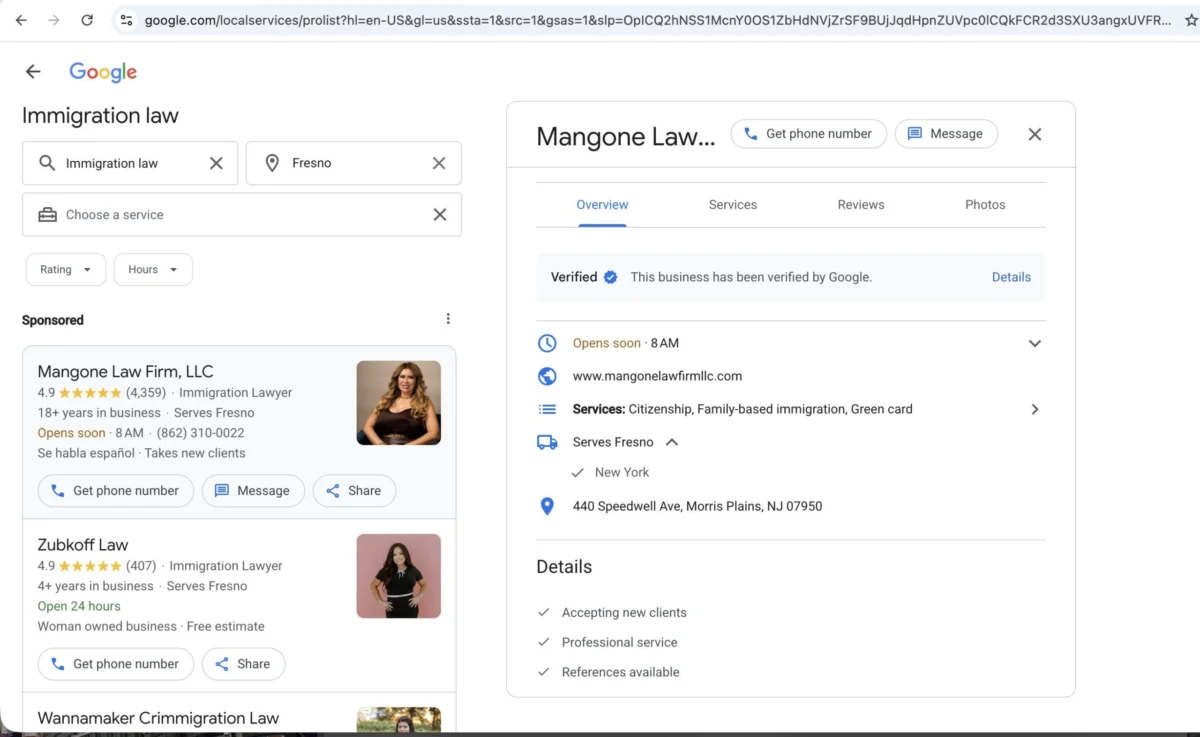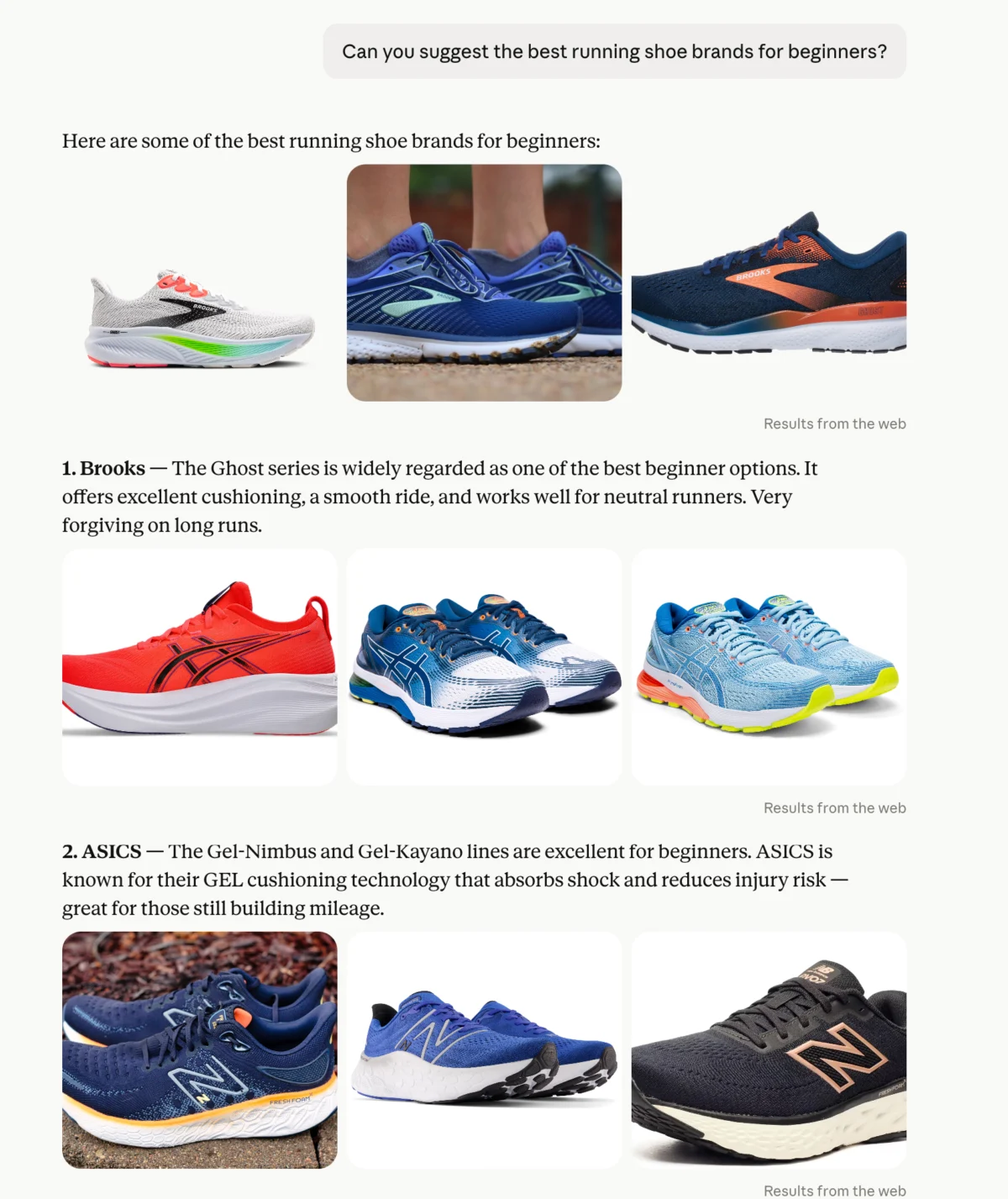
The digital landscape is undergoing a profound transformation, driven by the rapid proliferation of artificial intelligence, particularly large language models (LLMs) and AI-powered search. For brands, this shift presents both unprecedented opportunities and complex challenges in achieving visibility. The initial excitement of seeing a brand name surface in an AI-generated response is often palpable, signaling a potential "win" in the new era of discovery. However, a deeper understanding reveals a crucial distinction: is the brand merely being mentioned, or is it being cited? This nuanced difference is paramount for strategic brand management and effective SEO in the age of AI.
The Rise of AI-Powered Discovery
The advent of generative AI tools like ChatGPT, Google’s Gemini, and Microsoft’s Copilot has fundamentally altered how users access and interact with information. These powerful LLMs, capable of processing vast datasets and generating human-like text, are increasingly integrated into search engines and various digital interfaces. Industry reports indicate a significant acceleration in AI adoption; for instance, a 2023 Accenture study highlighted that over 70% of businesses plan to increase their AI spending. This rapid integration points to a future where a substantial portion of information retrieval will occur through AI-summarized answers rather than traditional blue links. For brands, this signifies a paradigm shift from optimizing for keyword rankings to optimizing for AI discoverability. The challenge lies not just in appearing, but in appearing credibly and effectively within these AI-driven summaries.
Defining AI Brand Mentions
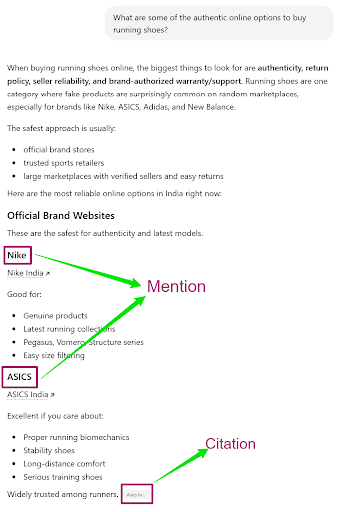
An AI brand mention occurs when an artificial intelligence tool incorporates a brand’s name within its generated response, recommendation, comparison, or summary. These mentions can be either explicit, meaning directly linked to the brand’s website or profile, or implicit, where the brand name appears in the text without a direct hyperlink. While both forms contribute to brand visibility, their impact and strategic value differ significantly.
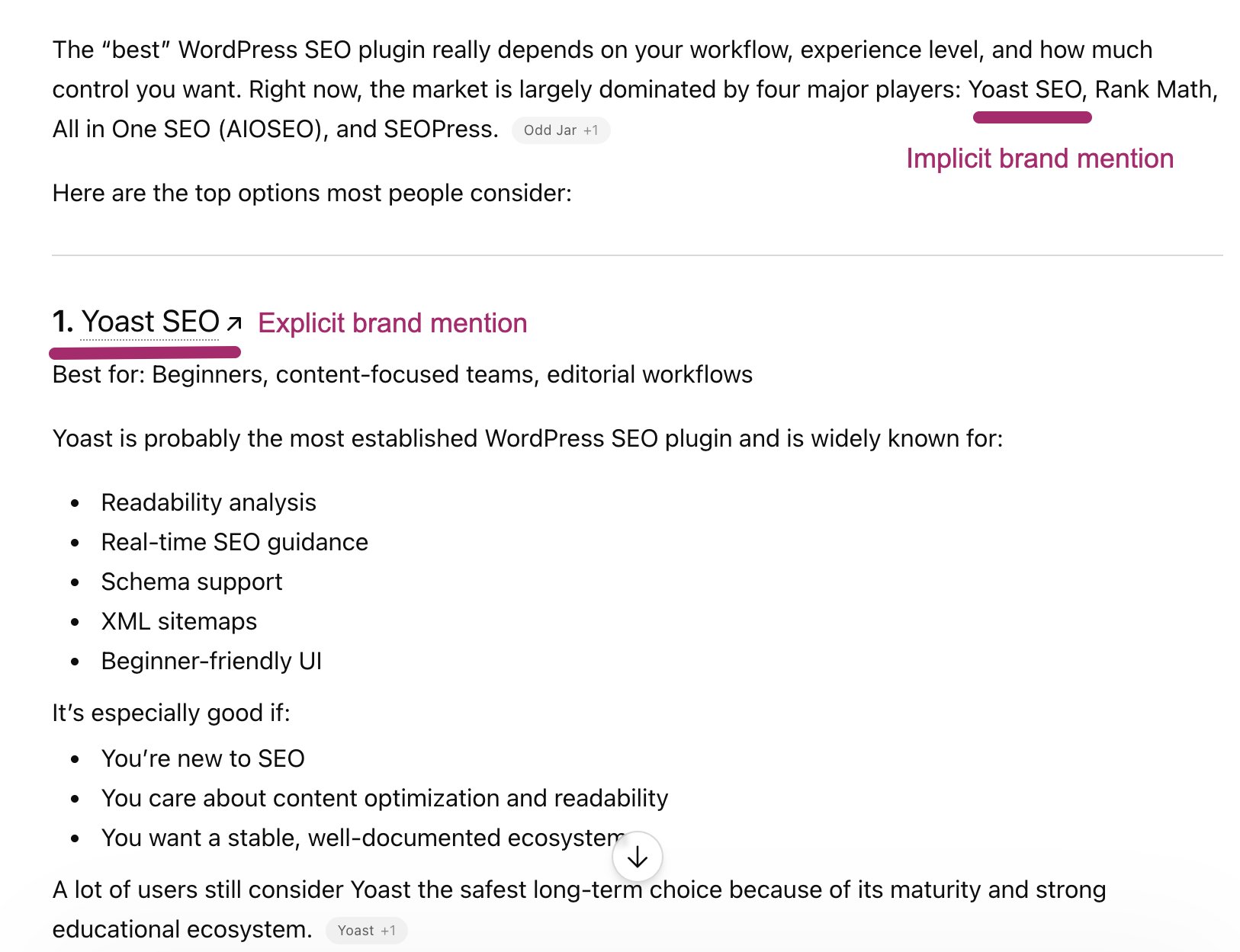
AI can feature brands in diverse conversational contexts, reflecting the user’s query and underlying intent. The most common manifestations include:
- Direct Recommendations: Here, the AI directly suggests a brand, product, or service as a viable solution to the user’s specific query. For instance, a prompt asking for "the best project management software" might yield a list including "Asana" or "Trello." These mentions are invaluable for brands actively seeking to be considered in purchase or adoption decisions.
- Comparisons: Brands frequently appear when AI is tasked with comparing products, services, features, pricing, or use cases. In such scenarios, the brand becomes an integral part of a broader evaluative discussion, allowing users to weigh options and make informed choices. For example, a query comparing "cloud storage solutions" could feature "Dropbox" and "Google Drive."
- Examples within Answers: AI often uses brands as concrete examples to illustrate complex concepts, emerging trends, industry workflows, or best practices. These mentions serve to provide context, making the AI’s explanation more tangible and easier for users to comprehend. A discussion on "e-commerce platforms" might cite "Shopify" or "Magento."
- Contextual References: Brands can also appear organically within broader discussions about a specific topic or industry. These mentions are less promotional and primarily serve to establish topical relevance, reinforcing the brand’s association with a particular domain. For example, an overview of "digital marketing tools" could include "Mailchimp" or "HubSpot" in a general sense.
The Algorithmic Underpinnings: How LLMs Select Brands
Unlike human editors, LLMs do not "choose" brands based on subjective preference. Their selections are outputs of complex algorithms analyzing patterns, probabilities, and signals gleaned from their vast training data and real-time information retrieval. When a brand appears in an AI response, it is typically the result of multiple underlying factors aligning.
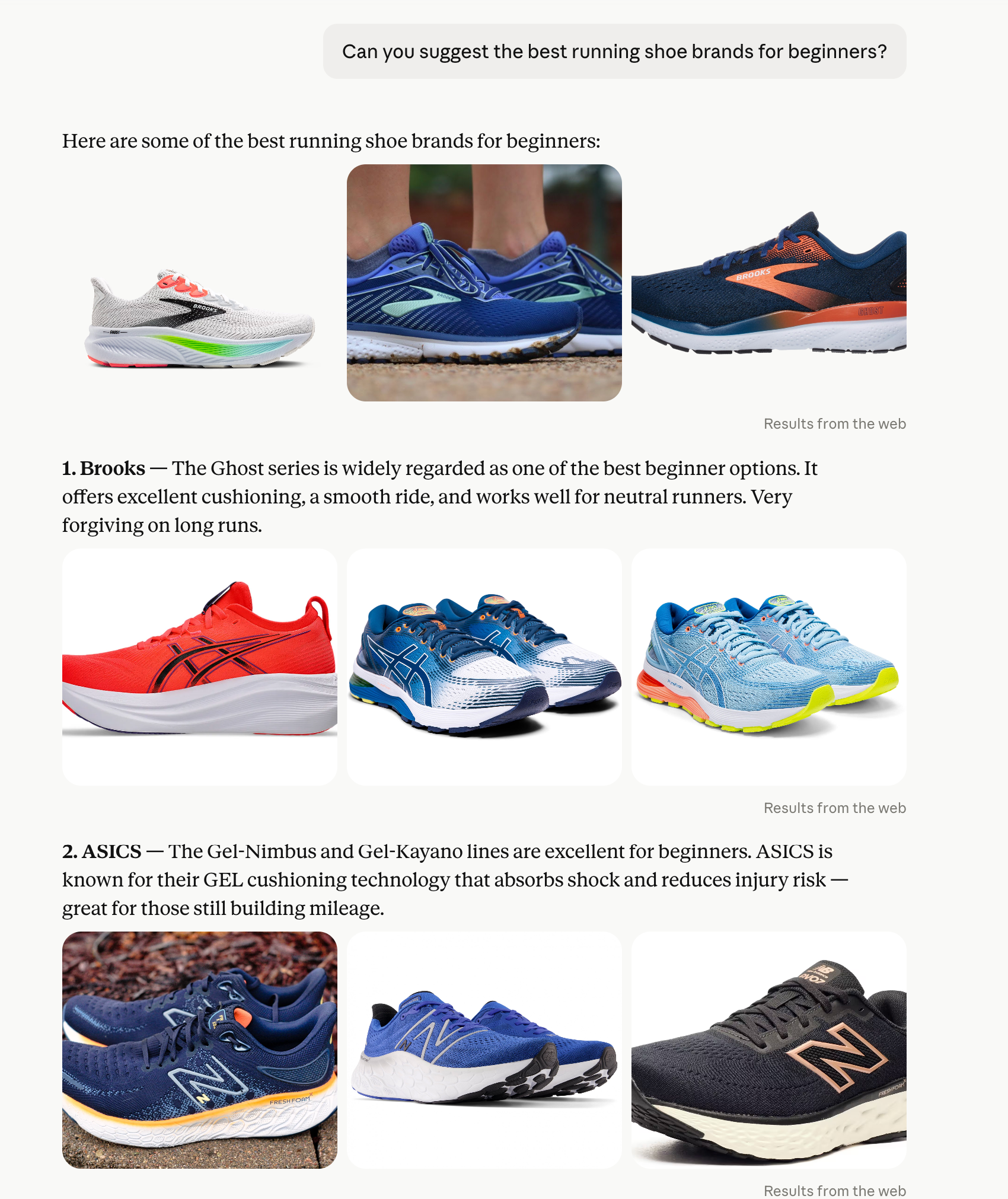
-
Training Data Patterns: LLMs learn from colossal datasets comprising billions of web pages, books, and articles. They identify how frequently and in what context certain brands are discussed alongside specific topics or use cases. A brand consistently associated with a particular function—e.g., "Adobe" with "graphic design software"—builds a strong semantic connection within the model. This association is not merely about frequency; context is paramount. Brands that appear across diverse, relevant contexts develop deeper, more flexible associations, increasing their likelihood of surfacing in varied queries.
-
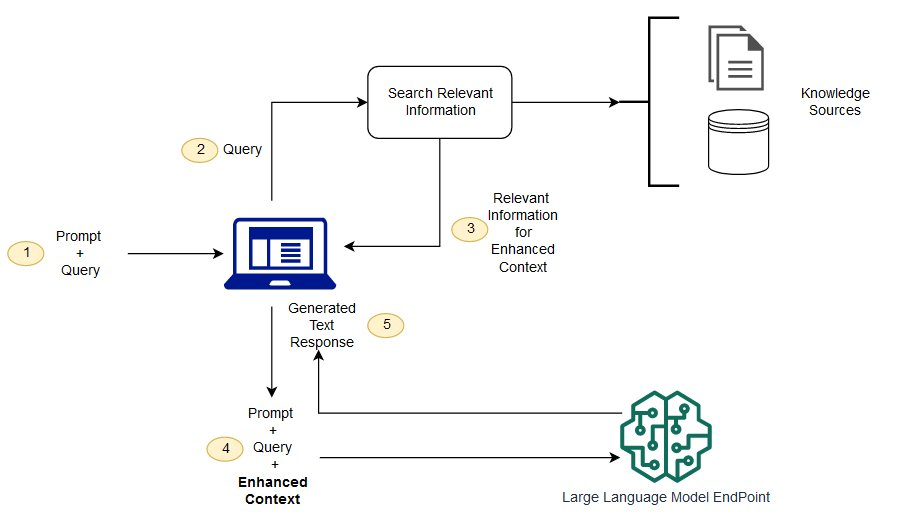
Retrieval-Augmented Generation (RAG) Explained: Many cutting-edge AI systems extend beyond their static training data by employing Retrieval-Augmented Generation (RAG). This dynamic process involves the AI system first retrieving pertinent information from external, indexed sources (like up-to-date web pages, academic papers, or proprietary databases) in real-time. This retrieved data then augments the LLM’s existing knowledge base, enabling it to generate more accurate, current, and contextually rich responses. For brands, this means that having well-indexed, high-quality content on the web is critical for AI discoverability, as it directly feeds into the RAG process.
-
Semantic Understanding and Entity Clarity: LLMs operate beyond mere keyword matching; they interpret the semantic intent behind a user’s query. When a user asks a question, the model maps it to broader concepts and then identifies brands that align with those meanings. For example, a query about "collaboration tools for hybrid teams" might connect to concepts like "video conferencing," "document sharing," and "project management." Brands that consistently and clearly associate themselves with these concepts, even if the exact phrase isn’t used, are more likely to be surfaced. Crucially, if a brand’s identity or offerings are described inconsistently across different sources, the AI model struggles to form a clear "entity" for that brand, hindering its ability to make relevant connections. This emphasizes the need for consistent brand messaging and clear definitions across all digital touchpoints.
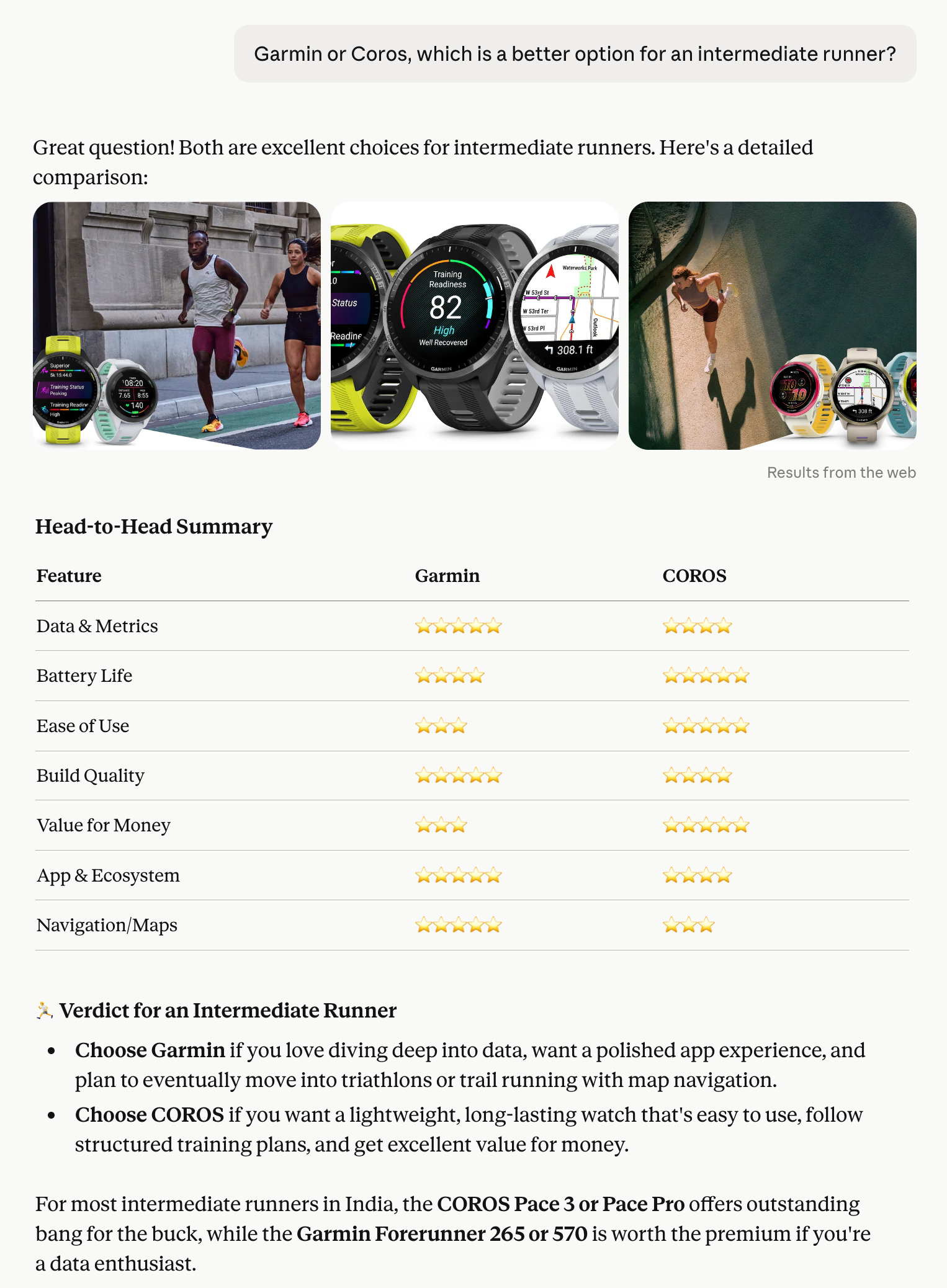
-
Authority, Trust, and Cross-Source Validation: AI systems do not rely on a single source of truth. They validate information by cross-referencing patterns across multiple sources and assigning weight to the perceived trustworthiness of those sources. When a brand, product, or claim appears consistently across numerous reputable and independent platforms, the AI’s confidence in including it rises significantly. This validation process often incorporates signals akin to traditional SEO’s E-E-A-T (Experience, Expertise, Authoritativeness, and Trustworthiness) principles. Factors such as the number and quality of backlinks, mentions in industry publications, expert reviews, and a strong community presence contribute to a brand’s perceived authority in the eyes of an LLM.
-
Relevance to the Query: Fundamentally, an AI model’s primary objective is to provide the most relevant answer to a user’s query. Even highly authoritative or frequently mentioned brands will not appear if they do not directly align with the user’s intent—be it a specific use case, target audience, or problem requiring a solution. AI models leverage advanced Natural Language Processing (NLP) to understand the "why" behind a query, converting text prompts into vector embeddings that allow for semantic similarity matching. This ensures that the brand surfaced is truly a strong and appropriate answer, often considering nuances such as suitability for small businesses versus enterprises, or niche applications versus broad appeal.
-
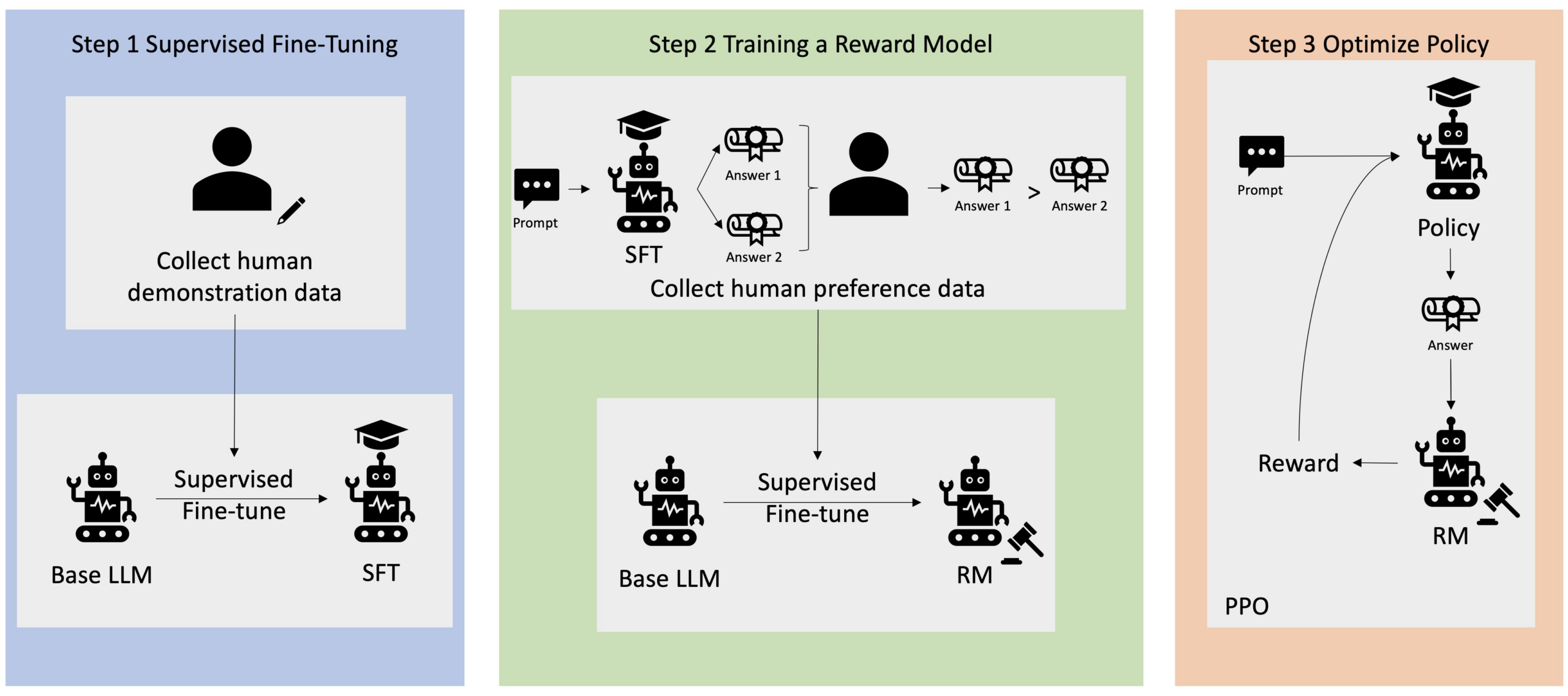
The Human Touch: Reinforcement Learning from Human Feedback (RLHF): LLMs are continuously refined through Reinforcement Learning from Human Feedback (RLHF). In this process, human evaluators review AI-generated responses, providing feedback on their accuracy, helpfulness, harmlessness, and overall quality. This feedback loop teaches the model to generate more desirable outputs. For brand mentions, RLHF plays a crucial role in filtering out potentially biased, inaccurate, or negatively perceived brand associations. If a brand is consistently linked with negative sentiment or unreliable information, the model may learn to deprioritize or avoid mentioning it. Conversely, brands that appear in consistently neutral or positive contexts across credible sources are more likely to be favored. RLHF thus acts as a vital quality control layer, aligning AI brand mentions with user expectations and ethical guidelines.
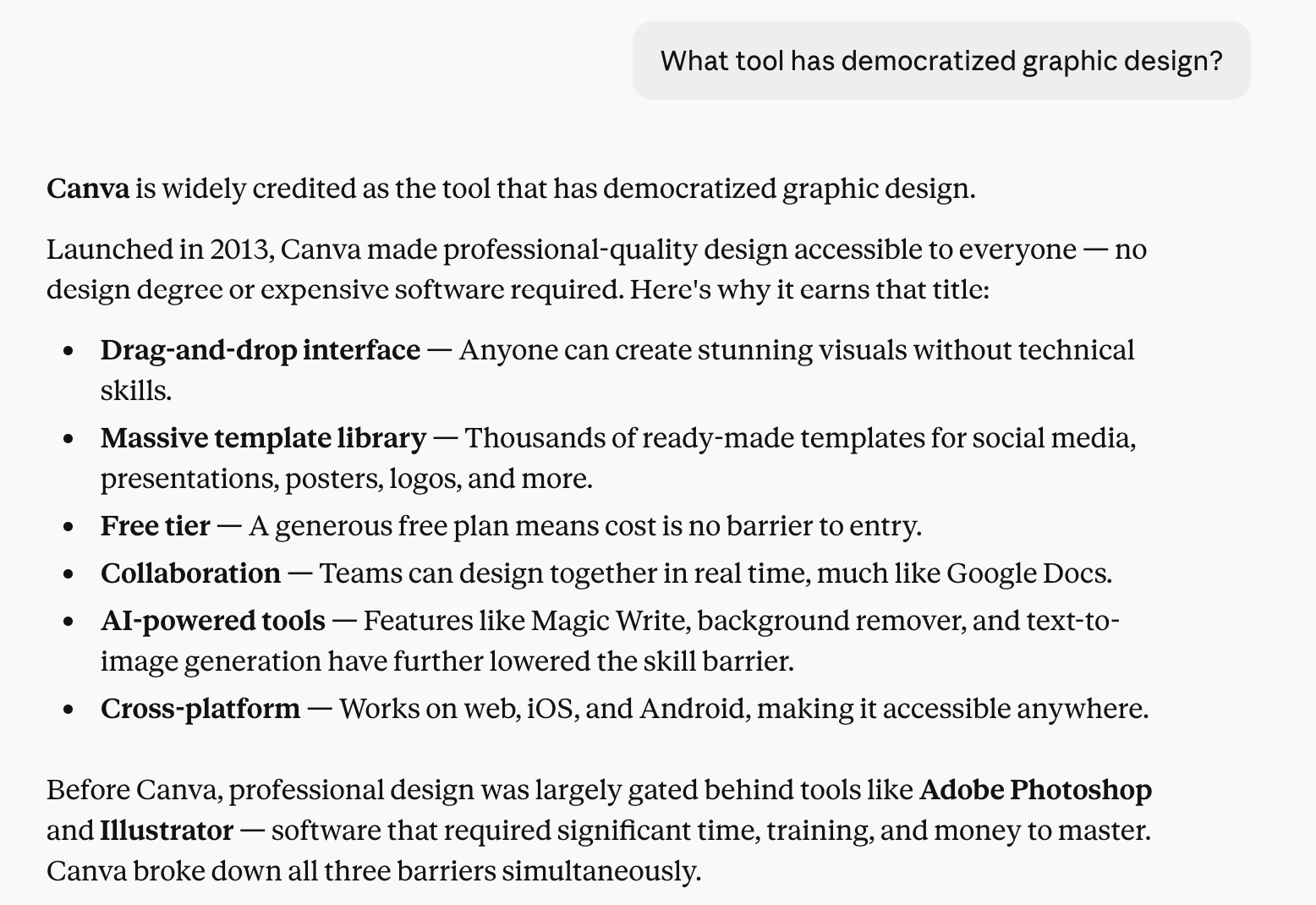
Strategies for Amplifying AI Brand Mentions
Achieving consistent brand mentions in AI responses is not a black box; it closely aligns with what is now being termed "LLM SEO." Brands already focused on content quality, authority, and comprehensive visibility are well-positioned. Here are practical strategies:
- Create AI-Friendly, Structured Content: Develop content that is easy for AI systems to parse and reuse. This involves clear definitions, well-organized sections, use of headings, bullet points, and direct answers to common questions. A "What is X?" page with concise explanations and structured data is more likely to be leveraged by AI than a verbose, unstructured article.
- Proactively Address Evaluative Queries: AI assistants frequently respond to prompts like "best tools for X" or "X vs. Y comparison." Brands should create dedicated content that directly addresses these evaluative queries, positioning their products or services effectively against competitors and clearly articulating their unique value propositions.
- Build Robust Authority Signals: Mentions from trusted, independent sources significantly enhance a brand’s authority in the eyes of AI. This includes securing media coverage (PR), being cited in industry reports, contributing expert insights to reputable publications, and garnering positive reviews and comparisons on third-party platforms. The goal is to be consistently referenced across credible, external channels.
- Maintain Content Freshness and Relevance: For topics that evolve rapidly, content freshness is critical. Regularly updating key "cornerstone" pages with the latest data, trends, and product information signals to AI systems that the content is current and reliable. An "ultimate guide" updated biannually is more valuable than one untouched for years.
- Ensure Consistent Entity Clarity: Your brand’s identity, offerings, and unique selling propositions must be consistently described across your website and all external platforms. If your product is consistently positioned as "AI-powered analytics for marketing teams," this repeated clarity strengthens the AI’s understanding of your core function and target audience.
Understanding AI Citations: The Mark of Authority
In contrast to a mere mention, an AI citation represents a direct attribution of information to a specific source by an AI system or search engine. These citations typically point to a particular webpage, report, article, or document, explicitly crediting the origin of the information. They often appear as hyperlinks, footnotes, or inline source references within the AI’s generated response.
What citations signal is paramount: authority, credibility, and trustworthiness. While a mention builds brand awareness, a citation validates the brand’s content as a reliable, authoritative source of information. This distinction is crucial because citations can directly drive traffic to the source, as users may click on the provided link to verify or explore the original content further. Citations are generally less common and more competitive to achieve than mentions, as they require the AI to deem the content sufficiently authoritative and unique to warrant direct attribution. They are most prevalent in AI systems that actively perform real-time retrieval or have deep web access, allowing them to pinpoint and link back to specific sources.
The Symbiotic Relationship: Why Both Mentions and Citations Matter
The reality for brands navigating the AI landscape is that neither mentions nor citations should be pursued in isolation; rather, they form a symbiotic relationship crucial for comprehensive AI visibility. Mentions cast a wider net, contributing to broad brand awareness, recall, and category relevance. They help AI systems understand where a brand fits into the overall topical landscape and how frequently it appears in relevant conversations. This "mindshare" keeps the brand within the user’s consideration set.
Citations, on the other hand, provide the vital layer of credibility and "proof of expertise." When an AI system explicitly cites a brand’s content, it reinforces that brand’s position as a trusted authority on a particular subject. Industry experts emphasize that while mentions establish presence, citations establish profound trust, which is becoming increasingly valuable in an era of potential AI "hallucinations" and misinformation. The strategic imperative for brands is to optimize for both: leveraging mentions for pervasive presence and citations for undeniable authority.
Optimizing for Dual Visibility: A Holistic Approach
Achieving both consistent brand mentions and authoritative citations requires a holistic content and brand strategy.
- Develop Mention-Worthy and Citation-Ready Content: Focus on publishing thought leadership, original research, unique data, proprietary insights, and comprehensive guides that genuinely add new value to the discourse. Content that is genuinely innovative or provides unique solutions is more likely to be referenced by AI and human users alike. This includes detailed case studies, expert interviews, and in-depth analyses.
- Cultivate Contextual Brand Presence: Actively engage in and contribute to industry discussions across various platforms. This includes participating in forums, contributing to community discussions, securing PR coverage, being featured in podcasts, and collaborating with influencers. The goal is to ensure your brand is consistently part of meaningful, context-rich conversations, reinforcing its relevance across multiple digital touchpoints.
- Prioritize E-E-A-T for Citation Readiness: To earn citations, a brand must demonstrate strong Experience, Expertise, Authoritativeness, and Trustworthiness. This involves showcasing the credentials of authors, providing robust data to support claims, ensuring transparency in reporting, and building a reputation for accuracy and reliability. Investing in expert content creators and ensuring factual accuracy across all publications is critical.
- Leverage Structured Data and Semantic SEO: Implement structured data (e.g., Schema markup) to help AI systems better understand the context and relationships of your content. Semantically linking entities within your content and across your digital footprint ensures that AI models can clearly map your brand to relevant topics, use cases, and terminology. This helps in forming clear entity definitions for AI, making it easier for models to pick up these relationships.
Challenges and Future Outlook
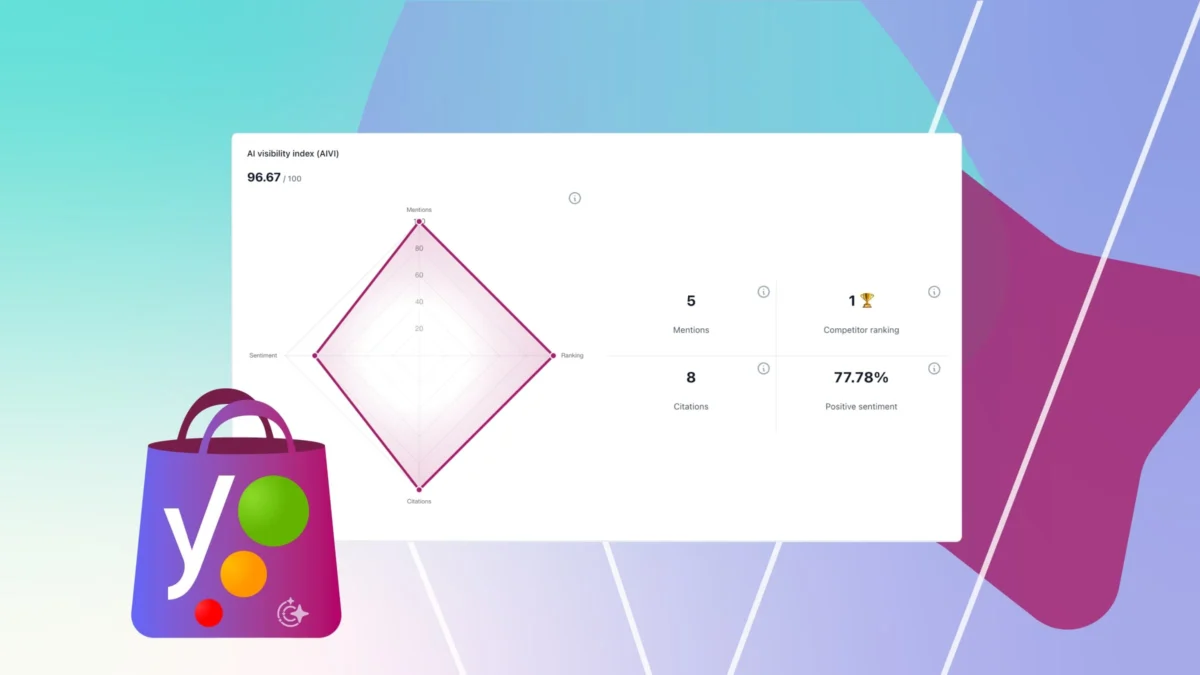
Navigating AI visibility is not without its challenges. Brands must contend with the potential for AI biases, which can be inadvertently embedded in training data, leading to skewed or unfair representations. The risk of "hallucinations," where AI generates plausible but factually incorrect information, underscores the critical importance of verifiable citations. The metrics for tracking AI visibility are also continuously evolving, requiring brands to adapt their measurement strategies. Tools like Yoast SEO AI+ are emerging to help brands monitor their presence across AI platforms, providing insights into mentions, citations, and overall brand perception.
Ultimately, the future of brand visibility in the digital realm is inextricably linked to AI. As LLMs become more sophisticated and integrated into every facet of information discovery, the imperative for brands is to move beyond superficial wins. A nuanced, strategic approach that actively optimizes for both broad AI brand mentions and authoritative AI citations will be the cornerstone of sustained success, ensuring not only presence but also unparalleled credibility and trust in the AI-driven era.