
 rifanmuazin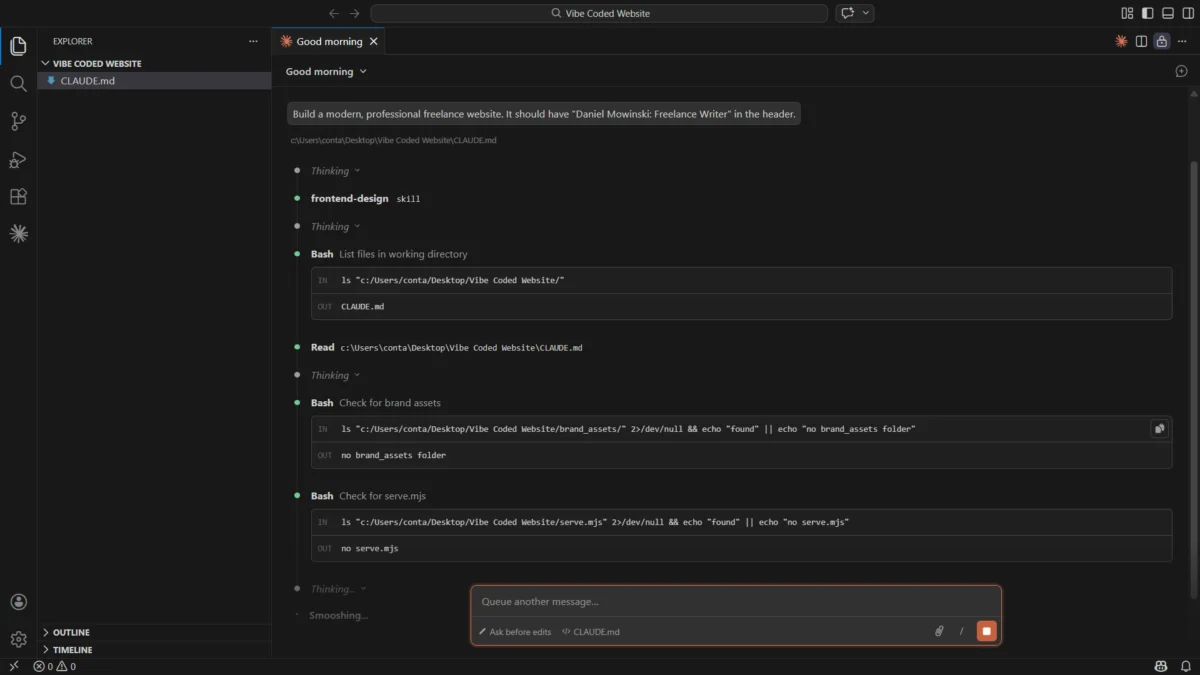
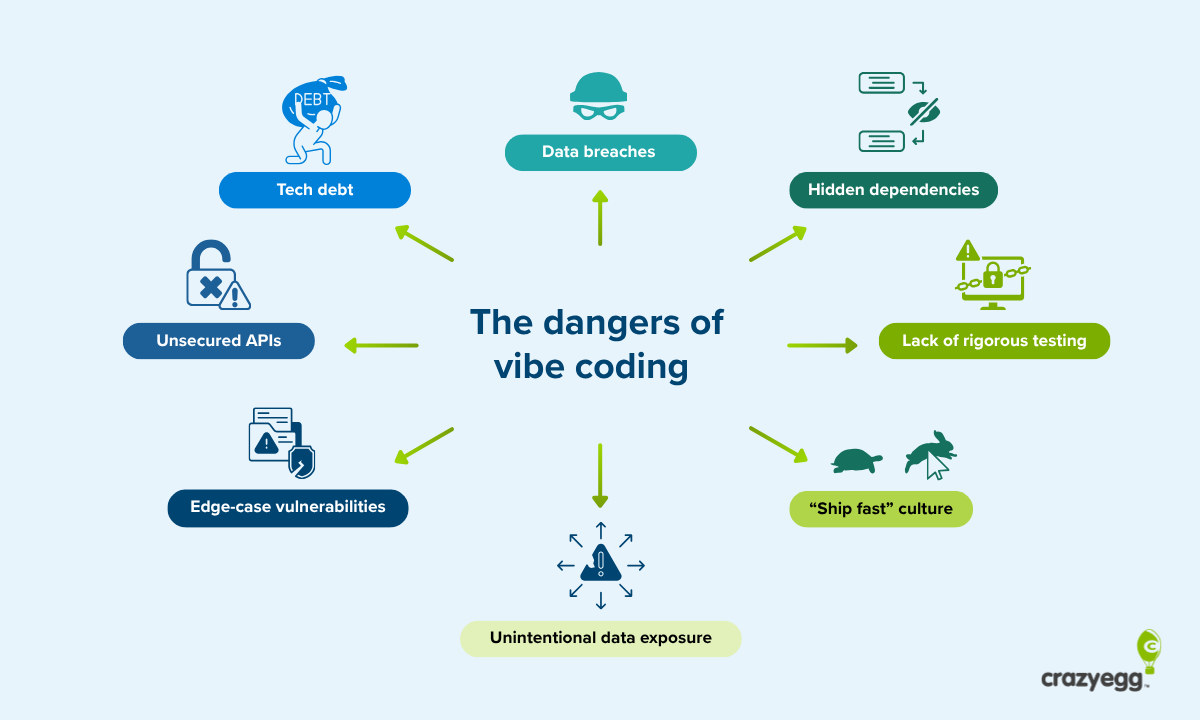
The democratization of software development has reached a critical tipping point with the emergence of “vibe coding,” a phenomenon where individuals build and deploy applications by communicating intent to artificial intelligence rather than writing traditional logic. While this shift has empowered a new generation of “solopreneurs” and non-technical founders to ship products at unprecedented speeds, it has simultaneously introduced a spectrum of invisible risks that many businesses are ill-equipped to handle. As the barrier to entry for software creation falls, the potential for catastrophic security failures, unmanageable technical debt, and data exposure is rising.
The Evolution of Vibe Coding: From Research to Reality
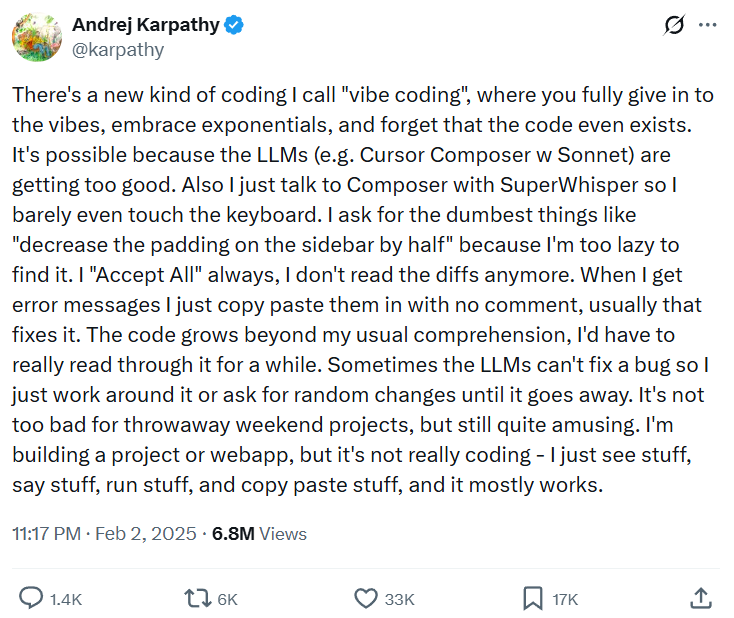
The term “vibe coding” was popularized by Andrej Karpathy, a founding member of OpenAI and former Director of AI at Tesla. In early 2025, Karpathy described a shift where the developer no longer needs to understand the underlying syntax of a language. Instead, they guide an AI agent through a series of iterative prompts, essentially “vibing” their way to a finished product. This methodology relies on advanced Large Language Models (LLMs) and agentic tools like Anthropic’s Claude Code and OpenAI’s Codex, which can access local file systems, execute terminal commands, and interact with version control platforms like GitHub.
The adoption rate of these tools has been staggering. According to the Jellyfish “AI Engineering Trends” report, 67% of software engineers now incorporate AI into their daily workflows. Perhaps more tellingly, 14% of all pull requests—the standard method for submitting code changes—are now generated autonomously by AI agents. In the startup ecosystem, the impact is even more pronounced. By the first half of 2025, Silicon Valley accelerator Y Combinator reported that 25% of the startups in its cohort possessed codebases that were 95% or more AI-generated.
The Security Gap: A False Sense of Security
The primary danger of vibe coding lies in the “knowledge gap” between the user’s intent and the AI’s output. When a non-expert uses a tool like Claude Code to build a website in minutes, they often lack the forensic ability to audit the resulting code for security vulnerabilities. A 2025 survey by security firm Escape analyzed 5,600 publicly available applications built using vibe-coding platforms and uncovered more than 2,000 significant vulnerabilities. These ranged from minor bugs to critical exposures involving sensitive medical records and financial data.
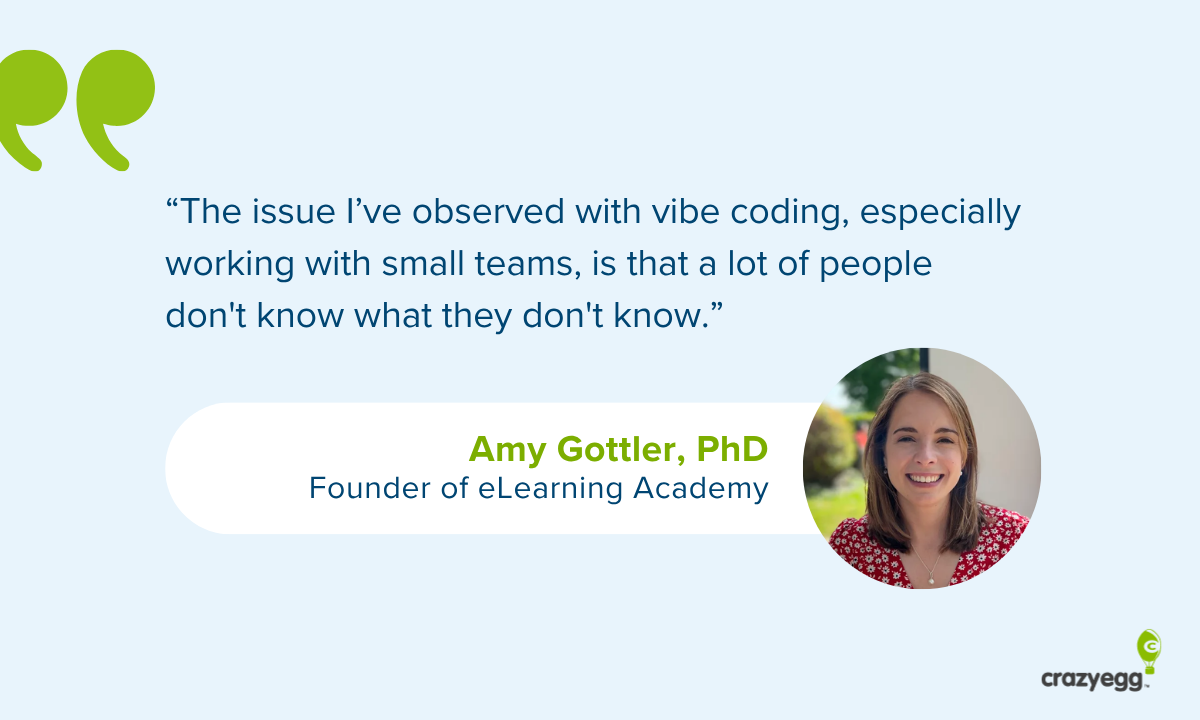
Amy Gottler, PhD, a specialist in technology-enhanced learning and founder of eLearning Academy, warns that the ease of these tools creates a dangerous overconfidence. “The issue, especially in small teams, is that people don’t know what they don’t know,” Gottler explains. She cites the example of a small business owner who successfully uses AI to build a simple landing page and then assumes they can use the same method to build a custom booking system. “If you don’t understand how programming works, you could unknowingly create a database where passwords are stored in plain text. You are essentially handing hackers an open door to your customers’ data.”
The Chronology of an AI Security Crisis: The OpenClaw Incident
The risks associated with autonomous AI development were laid bare during the “OpenClaw” crisis of 2026. OpenClaw, a popular framework for building autonomous agents, allowed users to grant AI significant control over local systems to automate complex tasks. However, the platform became a conduit for a series of high-profile security breaches.
The timeline of the crisis began with the discovery of malicious “skills” in the OpenClaw marketplace, which were designed to exfiltrate data from users’ local environments. This was followed by a critical release bug that allowed attackers to hijack browser connections and take control of local AI instances. The situation culminated in the massive data exposure of Moltbook, a social network designed for AI agents, which revealed that thousands of vibe-coded applications were leaking private API keys and user credentials. This event served as a wake-up call for the industry, highlighting that AI agents can be manipulated into bypassing security protocols if those protocols are not explicitly and expertly defined.
Agentic Engineering vs. Vibe Coding
Industry experts are increasingly drawing a distinction between “agentic engineering” and “vibe coding.” David Mytton, CEO of the security platform Arcjet and a researcher at the University of Oxford, argues that while both use AI, their methodologies are fundamentally different.
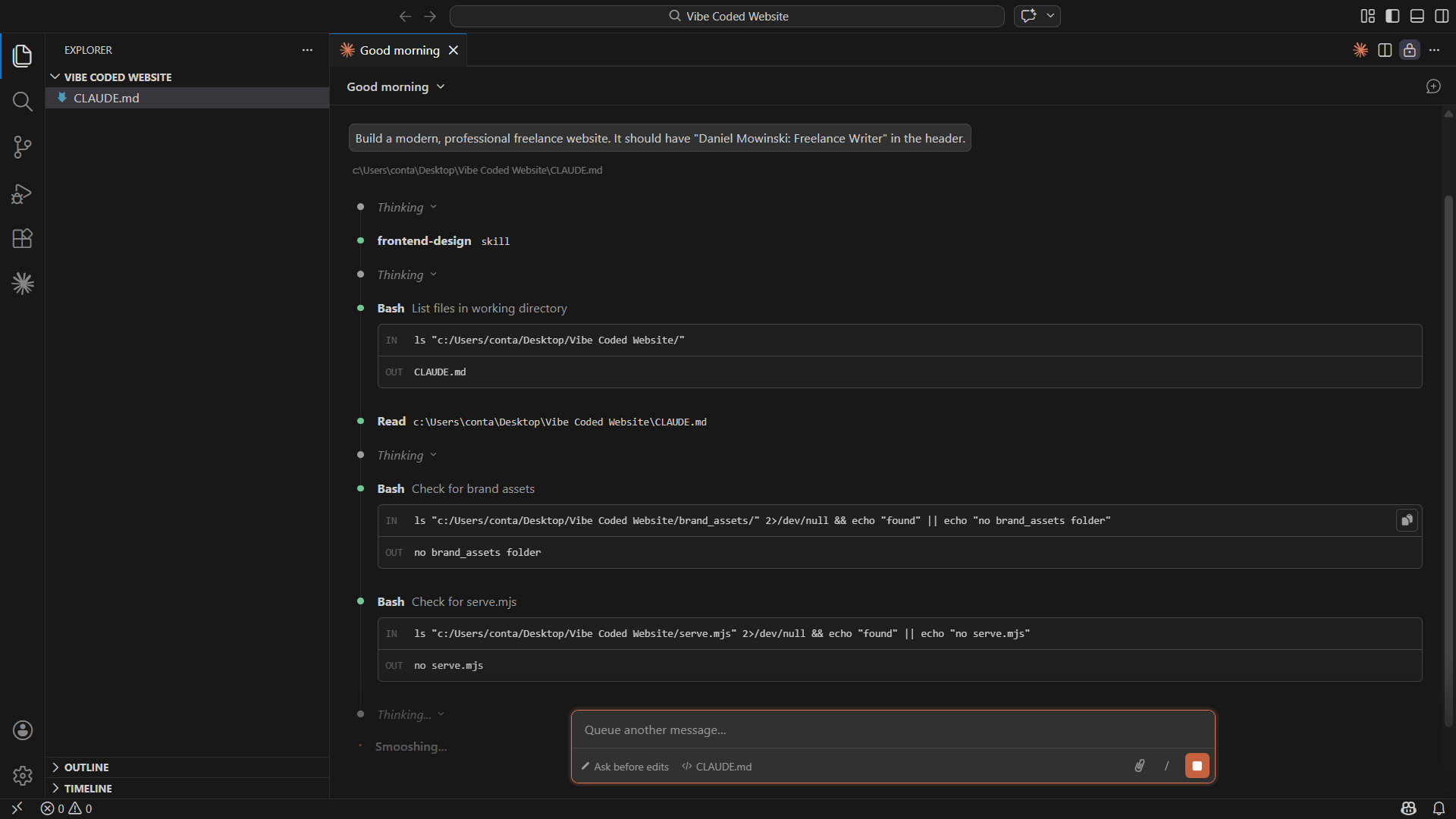
“Agentic engineering involves a structured three-phase process: upfront planning, implementation, and rigorous testing/deployment,” Mytton notes. “Vibe coding often skips the first and last phases. Users prompt the AI to do something and then deploy it to production immediately because it ‘looks’ like it works.”
Mytton points out that AI models are trained on existing human codebases, which are themselves riddled with imperfections. “Humans haven’t created perfect code. AI is trained on that imperfect body of work, which means it is going to reimplement existing patterns of insecure code,” he says. This replication of human error is compounded by the AI’s inability to understand the nuance of complex security protocols. Subtle flaws in how an API is implemented can create a chain of vulnerabilities that a vibe coder—and the AI itself—might completely overlook.
Technical Debt and the Rise of the Cleanup Specialist
Beyond immediate security threats, vibe coding is contributing to a massive accumulation of technical debt. Technical debt refers to the future cost of reworking code that was implemented quickly and poorly. In the context of AI, this often manifests as “rogue code” or hidden dependencies that break when the system is updated.
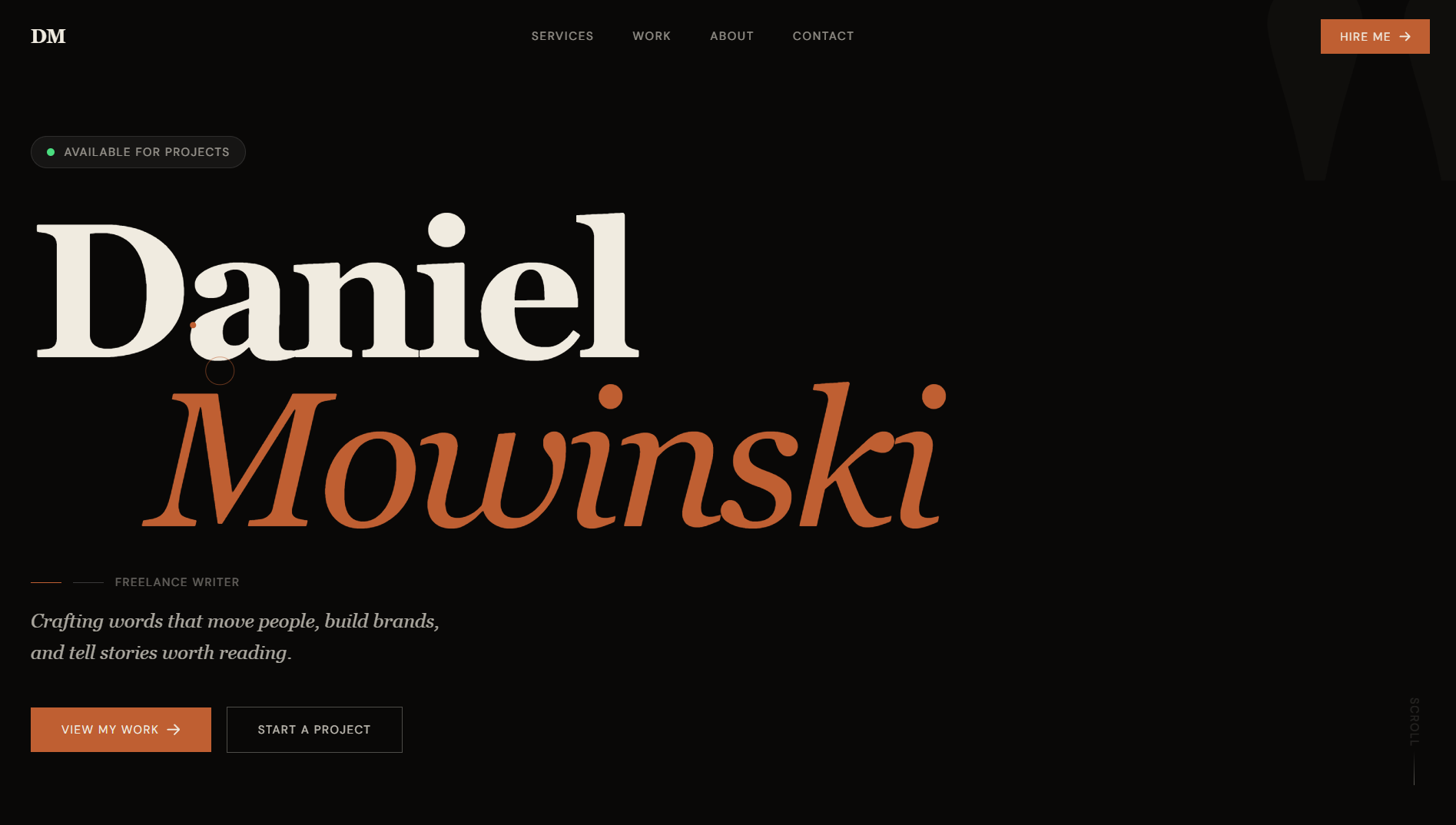
This problem has birthed a new niche in the labor market: the “vibe code cleanup specialist.” These are experienced developers hired specifically to untangle and secure AI-generated codebases that have become too complex for their original creators to manage. Matthew Rockwell, founder of the hardware architecture firm ATOMiK, notes that the creative freedom provided by vibe coding often leads to backend chaos.
“It’s possible to create user interfaces that traditional programmers never would have thought of, and that’s creating a new set of backend challenges,” Rockwell says. He emphasizes that vibe coders often fail to create “virtual sandboxes” or encrypted environments for testing. “They create a ‘radio’ thinking it’s one-way, but in reality, it’s a two-way gateway. They are presenting customer data to hackers on a silver platter.”
Implications for Small and Medium Businesses (SMBs)
For SMBs, the pressure to adopt AI is immense. A report by the U.S. Chamber of Commerce indicates that one in five small businesses is already using generative AI coding tools, and 62% of SMB leaders believe AI adoption is essential for remaining competitive. However, the lack of in-house technical expertise makes these businesses the most vulnerable to the pitfalls of vibe coding.
The broader implications include not only data breaches but also long-term brand damage and legal liability. As regulations like the EU AI Act and updated data privacy laws in the U.S. come into full effect, businesses will be held legally responsible for the security of their applications, regardless of whether a human or an AI wrote the code.
Strategic Recommendations for Safe AI Development
To mitigate the risks of vibe coding while still leveraging the speed of AI, experts recommend a series of “guardrail” strategies:
- Define the “Blast Radius”: Businesses should categorize their codebases based on risk. A bug on a marketing site has a small blast radius, while a vulnerability in a login flow or payment system has a catastrophic one. High-risk areas should never be left solely to AI and must require expert human review.
- Utilize Third-Party Security Providers: Instead of asking AI to build security features from scratch, businesses should use established services like Stripe for payments, Auth0 for authentication, and AWS for secure storage. These providers have spent billions on encryption that an AI-generated script cannot replicate.
- Establish “Tiger Teams” with Oversight: Larger organizations often use “tiger teams” to ship features quickly using AI. However, these teams must operate within organizational guardrails and maintain a direct line of communication with the IT and security departments.
- Prioritize Security Education: Employees using AI tools must be trained in basic security hygiene. This includes understanding the dangers of plain-text data storage and the necessity of testing applications in offline, virtual environments before deployment.
The Future of the Developer Role
The rise of vibe coding does not signal the end of the software engineer; rather, it marks a shift in their responsibilities. The developer of the future will likely act more as an “infrastructure engineer” or a “security architect.” Their value will lie not in the ability to write syntax, but in the ability to design robust testing frameworks, manage complex multi-agent orchestrations, and perform the high-level “stress testing” that AI currently cannot handle.
As the industry moves forward, the “vibe” of a product will remain important for user experience, but the structural integrity of the code will remain the foundation of business continuity. The transition from vibe coding to disciplined agentic engineering will be the defining challenge for the next era of digital transformation.








