
 rifanmuazin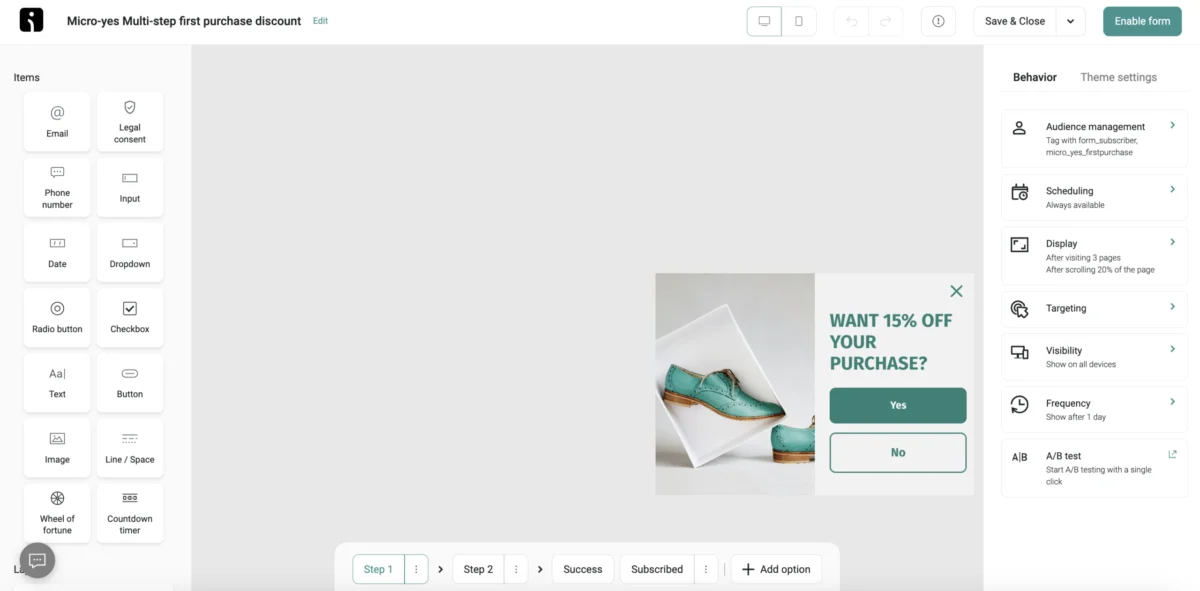
Despite the proliferation of new digital marketing channels, local email marketing continues to assert itself as an exceptionally effective and high-return strategy for businesses operating within specific geographic areas, delivering an average return of $36 for every $1 spent. This impressive efficiency, projected to hold strong through 2026, positions email as a crucial tool for driving foot traffic, securing local bookings, and cultivating a loyal customer base, often surpassing the unpredictable reach of social media and the diminishing returns of traditional advertising methods like flyers.
The Enduring Power of Direct Communication: Why Email Thrives Locally
The skepticism surrounding email’s relevance in an era dominated by social media feeds and instant messaging is a common narrative among local business owners. Many initially gravitate towards seemingly trendier platforms, investing in social media ads, flyers, or relying solely on word-of-mouth. However, this overlooks a fundamental principle of marketing: direct, owned communication. Unlike "rented" channels such as social media, where algorithms dictate visibility and reach can be bought but not guaranteed, an email list represents a direct line to a business’s audience, entirely controlled by the business itself. This ownership is invaluable, enabling personalized, consistent communication that builds trust and fosters loyalty.
For small and local businesses, the ability to communicate directly with their community is paramount. Local email marketing, defined as the strategic use of email to engage customers within a specific geographical area, is not merely about sending promotions; it’s about building a community, sharing local news, and establishing the business as an integral part of the neighborhood. This approach directly translates into tangible results: increased foot traffic, a higher volume of local bookings, and a steady stream of repeat purchases. The data unequivocally supports this, with the average $36 return on investment (ROI) serving as a powerful testament to its efficacy for both global enterprises and hyper-local establishments.
Navigating the Marketing Landscape: Email vs. Other Channels
To fully appreciate the strategic advantage of local email marketing, it’s beneficial to compare its performance against other common local marketing channels:
- Email Marketing: Offers direct, owned communication. Highly measurable (open rates, click-through rates, conversion rates, revenue attribution). Cost-effective, especially with automation tools. Allows for deep personalization and segmentation. Builds long-term customer relationships and loyalty.
- Social Media: Excellent for brand discovery and broad reach, but heavily reliant on ever-changing algorithms. Organic reach is often limited, necessitating paid advertising for visibility. Engagement can be fleeting, and direct sales conversion paths are not always as clear as with email. Data ownership is limited.
- Print Advertising (Flyers, Local Newspapers): Can reach a local audience, but often expensive per impression. Difficult to measure ROI accurately beyond anecdotal feedback. Limited targeting capabilities and can be perceived as intrusive or wasteful.
- Radio Advertising: Offers broad local reach but is generally expensive and difficult to target specific demographics within a small community. Measuring direct conversions from radio ads can be challenging, and listener attention can be passive.
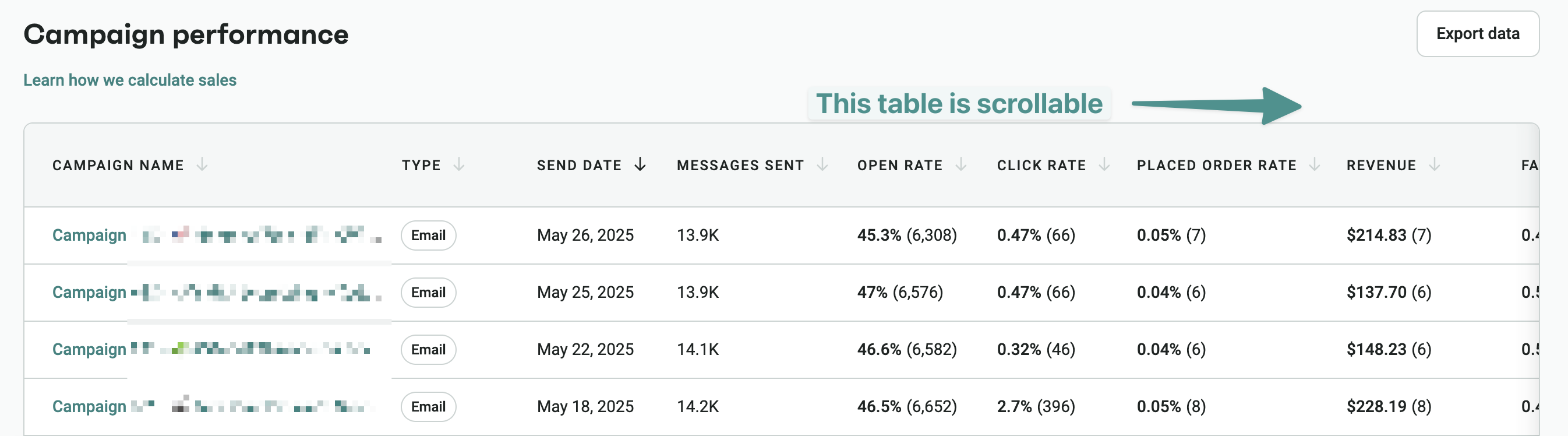
The measurability of email campaigns, as exemplified by comprehensive reporting dashboards (like the Omnisend campaign reporting dashboard mentioned in the source), provides clear insights into campaign performance. Businesses can track metrics such as messages sent, open rates, click rates, order rates, and direct revenue generated, allowing for continuous optimization and a clear understanding of what works.
Crafting Engagement: Core Strategies for Local Email Success
Effective local email marketing transcends mere promotional blasts. It requires a thoughtful, goal-driven approach that prioritizes value for the recipient. The industry-standard best practice involves a three-pronged strategy: consistent newsletters, timely promotions, and automated emails triggered by customer behavior. This diversification ensures customers feel valued, not just sold to, fostering deeper engagement and loyalty.
- Consistent Newsletters: These should blend promotional content with genuine, non-salesy information. Examples include local news relevant to your business, staff spotlights, behind-the-scenes glimpses, community involvement updates, or helpful tips related to your industry. The goal is to build rapport and keep your brand top-of-mind without constant selling.
- Timely Promotions: These leverage seasonality, local events, or specific business objectives. Flash sales, exclusive discounts for subscribers, early bird access to new products/services, or invitations to in-store events are all effective.
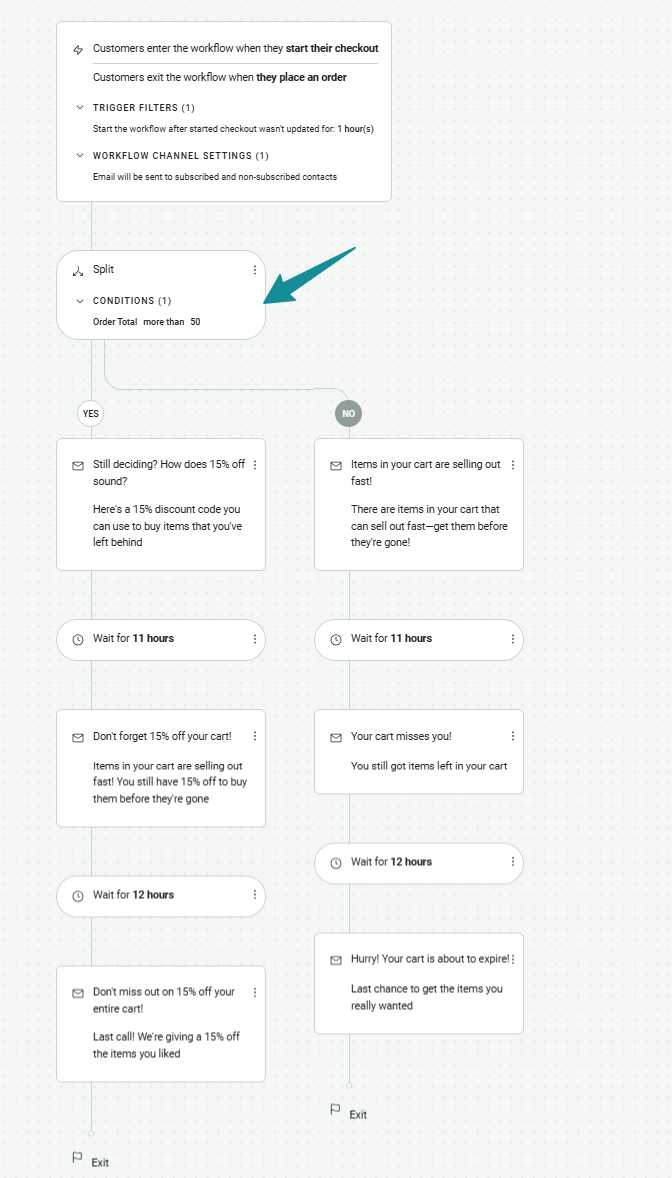
- Automated Emails: These are pre-set sequences that trigger based on specific customer actions or milestones, dramatically increasing relevance and conversion rates. Examples include welcome series for new subscribers, abandoned cart reminders, post-purchase follow-ups, birthday offers, and re-engagement campaigns for inactive customers. As Andrius Šeršniovas, Conversion Specialist at Omnisend, aptly puts it, "Consistency and clear objectives will always beat random messages to a single, unengaged list. Provide your newcomers with information about your values and brand, give VIP customers some special treatment, and ask returning customers to leave you a review."
Mapping the Customer Journey
To maximize the return from email efforts, messages must align with the customer’s journey. This ensures that the right message reaches the recipient at the most opportune moment.
- Awareness Stage (New Subscribers): Focus on welcoming them, introducing your brand’s values, and showcasing what makes your business unique. A welcome series can span several emails, offering a small discount on the first purchase or a free consultation.
- Consideration Stage (Browsers/Engagers): For those who have shown interest but haven’t purchased, automated emails can offer more information, testimonials, or address common questions. Abandoned cart reminders are critical here, prompting completion of a purchase.
- Purchase Stage (New Customers): Post-purchase emails confirm orders, provide tracking information, and express gratitude. This is an excellent opportunity to upsell or cross-sell related products/services.
- Retention Stage (Repeat Customers): Focus on loyalty. Send exclusive offers, early access to new products, or personalized recommendations based on past purchases. Birthday or anniversary emails with special discounts are highly effective.
- Advocacy Stage (Loyal Customers): Encourage reviews, referrals, or sharing on social media. A simple, automated email requesting feedback after a positive experience can generate valuable social proof.
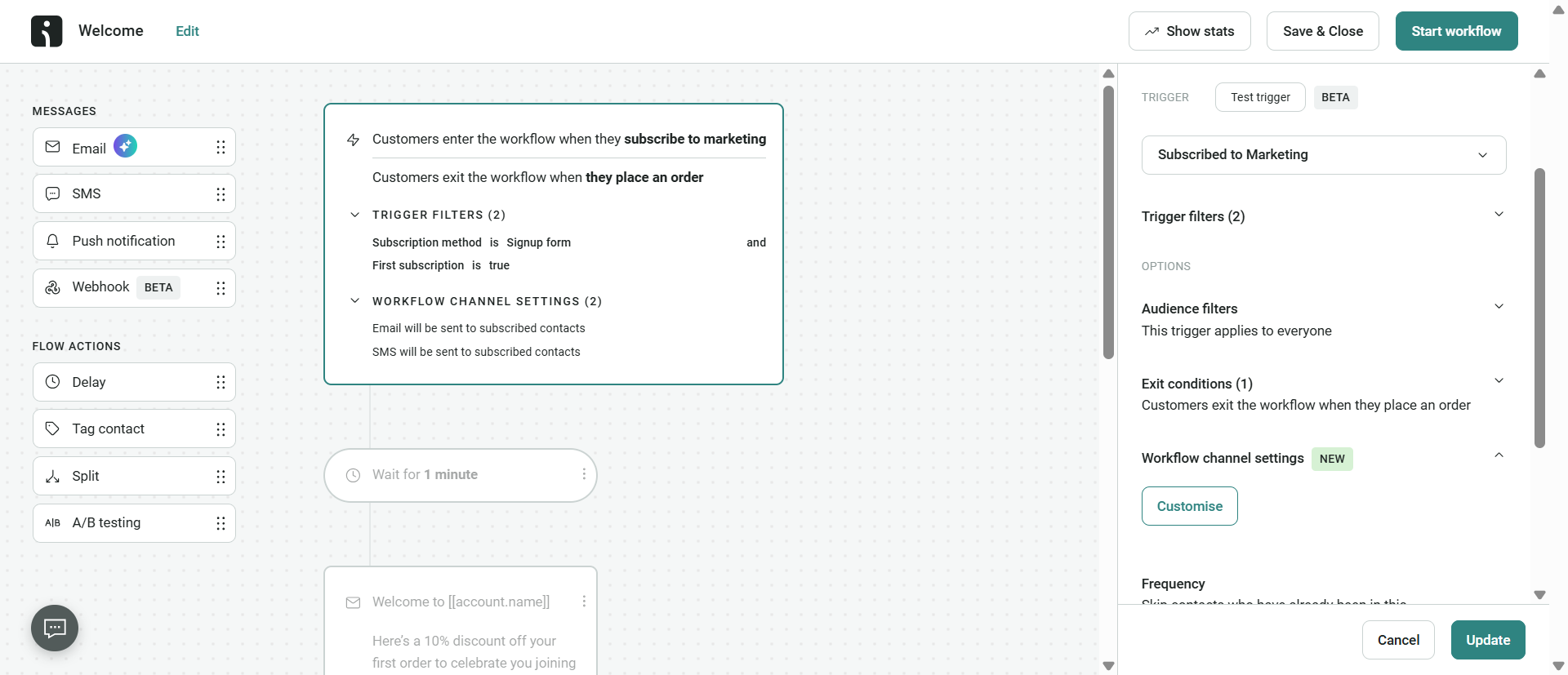
The visual representation of an automation workflow (such as the Omnisend welcome automation workflow) demonstrates how these stages can be seamlessly integrated into a cohesive, automated marketing funnel, ensuring no customer falls through the cracks.
Optimizing Timing and Frequency for Local Audiences
Striking the right balance between staying top-of-mind and avoiding customer annoyance is key. While general guidelines exist, local communities often have unique rhythms.

- Restaurants & Retail: Daily or bi-weekly promotions for lunch specials, happy hour, or new arrivals. Weekly newsletters summarizing upcoming events or new stock.
- Gyms & Fitness Studios: Weekly class schedules, monthly challenge announcements, and occasional motivational tips or special offers.
- Service Businesses (e.g., Auto Dealers, Salons): Less frequent, focusing on timely reminders (e.g., service due, seasonal checks), educational content, and quarterly newsletters.
A simple "quick win" for any local business is to send one straightforward email this week inviting locals to a small in-store event or offering an exclusive "locals only" discount for the upcoming weekend. This immediate action can yield quick results and provide valuable learning.
Precision Targeting: Segmentation and Personalization
Segmentation is the practice of dividing an email subscriber list into smaller, more focused groups based on shared characteristics. Many local businesses mistakenly believe this requires a massive list. However, segmentation is highly effective even for modest lists of 300 to 500 local subscribers, allowing for targeted messages that resonate deeply. This specificity lays the groundwork for powerful automated workflows. As one Reddit user noted, "We created tiers based on recent opens/clicks (like last 30, 60, 90 days) and only hit the most active ones for key campaigns. Not only did open rates go up, but inbox placement did as well."
-
Geographic and Proximity-Based Segments: For businesses operating within city limits, hyper-focused local updates are possible. Segment by:
- City/Neighborhood: Offer promotions relevant to specific districts (e.g., "Downtown Tuesday Lunch Special").
- ZIP Code: Target residents within a certain radius for local delivery or pickup offers.
- Distance from Store: Use geolocation data (if permission is granted) to send offers to customers who are physically near the business.
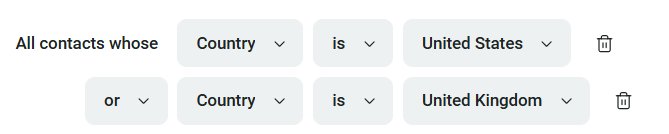
This level of granular targeting (as shown in the Omnisend segmentation by country example, adaptable to city/ZIP) ensures messages are highly relevant.
-
Behavioral and Lifecycle Segmentation: Automations triggered by customer actions are incredibly powerful:
- New Subscribers: Welcome series, introduction to services.
- First-Time Buyers: Post-purchase thank you, recommendations for complementary products.
- Repeat Customers: Loyalty rewards, VIP offers, early access.
- Inactive Customers: Re-engagement campaigns with special incentives to return.
- Product/Service Interest: Segment based on website browsing history or past purchases to recommend similar items.
-
Personalization Examples for Local Business Emails: Personalization makes recipients feel like the message is crafted just for them.
- Dynamic Name Fields: "Hi [Customer Name], here’s what’s new at [Your Business]!"
- Order Referencing: "Your recent order for [Product Name] is almost ready!"
- Behavior-Based Content: "We noticed you viewed [Product/Service] – here’s a special offer!"
- Local References: Mentioning specific local events, weather, or landmarks in the email copy.
Tailored Tactics: Campaign Ideas Across Industries
The versatility of email marketing means campaigns can be specifically tailored to different local business types, leveraging their unique strengths and customer needs.
Retail and Restaurant Local Email Campaigns:
- Weekly Specials: Highlight new dishes, seasonal ingredients, or discounted items.
- New Menu Launches: Create excitement with sneak peeks and exclusive tasting event invitations.
- Local Events: Promote themed nights, live music, or cooking classes.
- Loyalty Program Updates: Encourage sign-ups and remind members of their points or rewards.
Local Email Marketing for Gyms and Fitness Studios:
- New Class Launches: Announce new yoga, spin, or boot camp sessions.
- Challenge Announcements: Promote 30-day fitness challenges with sign-up links.
- Post-Holiday Reactivation: Encourage returning after holidays with special offers or new year resolutions campaigns.
- Member Milestones: Congratulate members on workout anniversaries or achieving fitness goals.
Auto Dealer and Service-Based Email Campaigns:
- Service Reminders: Automated emails for oil changes, tire rotations, or annual inspections.
- Weather-Based Tire Campaigns: Prompt customers to consider winter/summer tires based on seasonal changes.
- Local Test-Drive Events: Invite locals to experience new models at exclusive events.
- Educational Content: Share tips on vehicle maintenance, fuel efficiency, or safe driving.
Community and Event-Driven Local Campaigns:
- Sponsoring Local Teams: Announce your sponsorship and invite customers to games.
- Charity Drives: Promote participation in local charity events or donation campaigns.
- Partnering with Nearby Businesses: Cross-promote with complementary local businesses, offering joint discounts or events.
- Local Workshops/Classes: Host and promote educational workshops relevant to your business (e.g., "DIY Home Repair" at a hardware store).
Omnisend’s intuitive email builder, with its drag-and-drop functionality and hundreds of customizable templates, makes creating any of these campaigns accessible even for those without design expertise.
Building a Foundation: Ethical List Growth and Management
The cornerstone of successful local email marketing is a robust, ethically built email list. Prioritizing permission-based sign-ups is non-negotiable; purchasing email lists not only violates privacy regulations but also leads to low engagement and potential damage to sender reputation. Genuine, organic list growth, though requiring time and effort, yields a highly engaged audience that delivers a superior ROI.
-
In-Store and In-Person List-Building Tactics:
- QR Codes: Prominently display QR codes at the point of sale, on menus, or on signage, linking directly to an email sign-up form.
- POS System Integration: Offer email sign-up during checkout.
- Wi-Fi Access: Provide free Wi-Fi in exchange for an email address.
- Physical Sign-Up Sheets: For events or less tech-savvy customers.
- In-Store Events/Giveaways: Collect emails for event registrations or raffle entries.
-
Online and Social Tactics to Capture Local Subscribers:
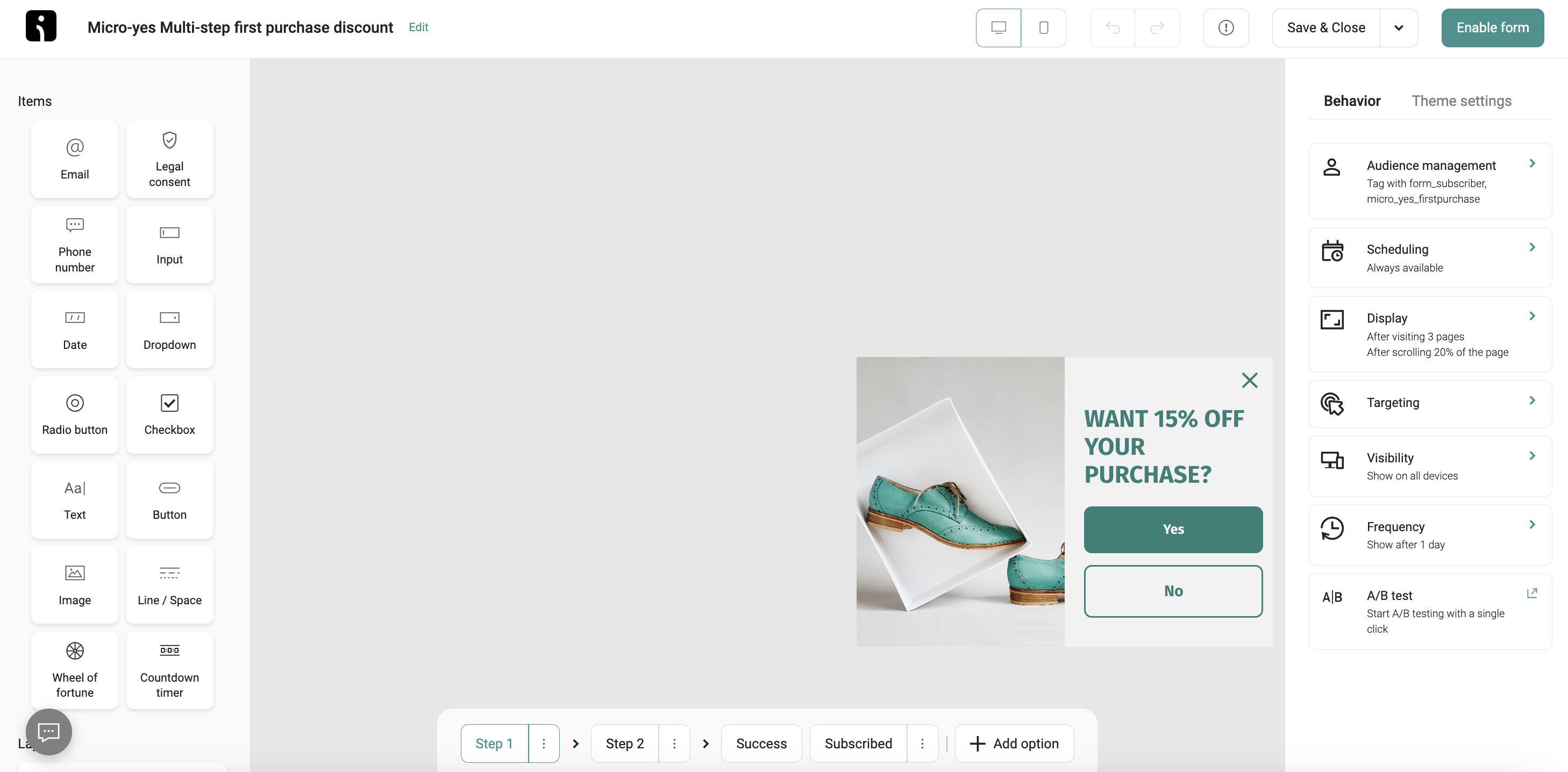
- Website Pop-ups: Use welcome pop-ups, exit-intent pop-ups, or time-based pop-ups on your website, offering an immediate incentive like a discount.
- Social Media Calls-to-Action (CTAs): Include direct links to your sign-up form in social media bios, posts, and stories.
- Lead Magnets: Offer a valuable, local-centric resource (e.g., "Top 10 Local Eateries Guide," "Seasonal Garden Planner") in exchange for an email address.
- Online Contests/Giveaways: Run contests where email sign-up is a condition of entry.
The Omnisend form builder facilitates the creation of these sign-up forms with ease, offering drag-and-drop functionality for quick deployment.
Managing, Cleaning, and Segmenting Local Email Marketing Lists:
- Regular Cleaning: Remove inactive subscribers, hard bounces, and unsubscribes to maintain list hygiene and improve deliverability.
- Re-engagement Campaigns: Attempt to re-activate dormant subscribers before removing them.
- Consistent Segmentation: Continuously refine segments based on new data or changing customer behavior.
Sustainable List Growth Checklist:
- Offer clear value: Why should they sign up?
- Easy sign-up process: Minimize friction.
- Privacy compliance: Be transparent about data usage.
- Regular engagement: Keep subscribers interested.
- Monitor growth: Track sources and effectiveness.
Maximizing Impact: Automation, Analytics, and Omnichannel Synergy
Marketing automation is a game-changer for local businesses, allowing them to set up email sequences once and have them send automatically based on specific customer actions. This not only provides a strong ROI but also frees up valuable time for other business operations. As Evaldas Mockus, VP of Marketing at Omnisend, states, "Automation lets small teams do more marketing with the same number of hours, while clear analytics prove what’s actually driving revenue."

Essential Automated Workflows for Local Businesses:
- Welcome Series: Automatically greets new subscribers and introduces the business.
- Abandoned Cart Reminders: Prompts customers to complete purchases they initiated but didn’t finish.
- Order Confirmation/Shipping Updates: Provides essential transactional information.
- Post-Purchase Follow-ups: Thanks customers, solicits reviews, or recommends related products.
- Birthday/Anniversary Emails: Sends personalized offers on special occasions.
- Re-engagement Campaigns: Targets inactive subscribers with incentives to return.
Tracking Results and Focusing on Simple KPIs:
While comprehensive analytics are available, local businesses can focus on key performance indicators (KPIs) for actionable insights:
- Open Rate: Indicates how engaging your subject lines are.
- Click-Through Rate (CTR): Shows how compelling your email content and CTAs are.
- Conversion Rate: Measures the percentage of recipients who completed a desired action (e.g., made a purchase, booked an appointment, visited the store).
- Revenue per Email/Campaign: Directly measures the financial return of your email efforts.
- List Growth Rate: Tracks the expansion of your subscriber base.
The sales performance dashboard (like the Omnisend sales performance image) visually illustrates how these metrics contribute to overall revenue, making it easy to see the impact of email marketing.
Combining Email, SMS, and Other Local Channels:
For truly holistic local marketing, integrating email with other channels creates a powerful omnichannel experience. Omnisend, for instance, seamlessly integrates with major e-commerce platforms and offers global SMS marketing.
- SMS Marketing: Ideal for urgent updates, flash sales, appointment reminders, or last-minute event changes due to its high open rates.
- Web Push Notifications: Re-engages website visitors with timely alerts, even when they’re not actively browsing.
- Social Media Retargeting: Use email list segments to create custom audiences for targeted social media ads, reinforcing your message across platforms.
- Google My Business/Local SEO: Direct customers from emails to leave reviews on GMB, boosting local search rankings.
Common Mistakes, Benchmarks, and First 90 Days Expectations
Embarking on local email marketing can feel daunting, and it’s natural to encounter hurdles. Understanding common pitfalls and setting realistic expectations can mitigate frustration. Omnisend offers 24/7 customer support to guide businesses through these initial challenges.
Typical Local Business Email Marketing Mistakes:
- Sending Generic Messages: Not segmenting or personalizing.
- Infrequent or Inconsistent Sending: Failing to stay top-of-mind.
- Over-promotional Content: Always selling, rarely providing value.
- Ignoring Analytics: Not tracking performance or optimizing campaigns.
- Poor Mobile Optimization: Emails not rendering correctly on smartphones.
- Neglecting List Hygiene: Not cleaning inactive subscribers, leading to poor deliverability.
Benchmarks for Local Email Performance:
According to HubSpot, general benchmarks to aim for include:
- Open Rate: 25-35% (higher for local, highly engaged lists).
- Click-Through Rate: 2.5-5%.
- Conversion Rate: 1-5% (depending on the goal).
These are general guidelines; the most valuable benchmark is your own historical performance, continually striving for improvement.
What to Expect in Your First 90 Days:
- Month 1: Foundation Building. Focus on setting up your email marketing platform, creating a professional sign-up form (e.g., a welcome pop-up on your website, a QR code in-store), and beginning to collect email addresses ethically. Launch your first welcome series and a basic weekly newsletter. Expect modest list growth and initial engagement metrics.
- Month 2: Engagement and Optimization. Start segmenting your nascent list based on initial interactions (e.g., opened welcome email, clicked a link). Experiment with different content types in your newsletter and introduce one automated workflow (e.g., abandoned cart or post-purchase review request). Analyze open rates and click-through rates, making small adjustments to subject lines and call-to-actions.
- Month 3: Expansion and Automation. Build on your learnings. Introduce a second automated workflow (e.g., birthday campaign, re-engagement for inactive subscribers). Plan and execute a targeted promotional campaign based on a specific segment. You should start seeing a clearer impact on foot traffic, bookings, or online sales, and your list should show consistent, quality growth.
Conclusion
In an increasingly crowded digital landscape, local email marketing remains an unparalleled channel for small businesses seeking high ROI, direct customer engagement, and sustainable growth. Its enduring effectiveness, even in 2026, stems from its ability to foster direct relationships, offer precise personalization, and provide measurable results that other channels often struggle to match.
The journey to local email marketing success doesn’t require an exorbitant budget or a dedicated tech team. The key lies in establishing clear goals, building a consistent strategy that leverages segmentation and personalization, and committing to ethical list growth. Once this foundation is in place, automating workflows and integrating omnichannel tactics can dramatically amplify results while optimizing time and resources.
By embracing the practical strategies and campaign ideas outlined in this article, local businesses can transform their marketing efforts, cultivate deeply loyal customer bases, and drive tangible economic impact within their communities. Taking the next step, whether by testing a few campaign ideas over the next 30 days or choosing a thoughtfully designed platform like Omnisend, positions local businesses for robust and sustainable growth.
FAQs
Is email marketing effective for local businesses?
Yes, it is highly effective, offering an exceptional return on investment (averaging $36 for every $1 spent). Local email marketing is proven to drive foot traffic, increase local bookings, and build long-term customer loyalty more reliably than many other marketing channels.
How do I build a local email marketing list?
Prioritize permission-based sign-ups. Implement QR codes at physical locations, integrate sign-up options at your point of sale, use pop-ups and dedicated landing pages on your website, and include sign-up links on your social media profiles. Offering an incentive like a discount or exclusive content can further encourage sign-ups.
What are the best local business email marketing strategies?
Goal-driven strategies are most effective. Focus on clear objectives like driving foot traffic, promoting specific offers (e.g., a weekend discount), or soliciting customer reviews through post-purchase automation. Diversify content to include consistent newsletters, timely promotions, and automated emails based on customer behavior.
How often should I email my local customers?
Frequency varies by industry and audience. A good starting point is one newsletter per week. Experiment by occasionally sending an additional email in a subsequent week and observe changes in engagement metrics. Use this data to determine the optimal frequency for your specific audience.
What is a good open rate for local email marketing?
An open rate above 30% is generally considered decent for local email marketing. However, the most valuable benchmark is your own historical data. Continuously analyze and improve your campaigns based on how your specific audience responds.
How can segmentation improve email marketing for local businesses?
Segmentation divides your audience by location, behavior, or interests. This allows you to send highly relevant and targeted messages, such as city-specific offers or follow-ups based on past purchases, significantly improving engagement, conversion rates, and overall sales compared to generic blasts.
What are some proven local email marketing campaign ideas?
Effective campaign ideas include announcing new restaurant menus, promoting gym fitness challenges, sending automated service reminders for auto shops, hosting local events, or partnering with neighboring businesses for cross-promotion.
Do I need marketing automation for local email marketing?
Yes, marketing automation is highly beneficial, especially for time-strapped local businesses. It allows you to set up workflows like welcome series, abandoned cart reminders, or post-purchase follow-ups once, ensuring customers are engaged at critical moments without requiring daily manual effort.









