

Conversion Rate Optimization (CRO) Key Performance Indicators (KPIs) represent the foundational data points that digital strategists and business leaders utilize to determine if structural or aesthetic changes to a website translate into tangible financial success. In an era where digital ad spend is soaring and organic reach is increasingly volatile, the ability to transform existing traffic into measurable outcomes has become a primary driver of corporate profitability. CRO KPIs are not merely numbers on a dashboard; they are the bridge between user behavior and the bottom line, providing an objective lens through which to view the effectiveness of product page updates, form simplifications, headline variations, and checkout redesigns.
A robust CRO KPI must fulfill three specific criteria to be considered actionable. First, it must be measurable, providing a consistent numerical value that can be tracked over time. Second, it must be directly aligned with a specific business objective, such as increasing gross revenue or improving lead quality. Third, it must be sensitive enough to reflect changes in user behavior resulting from specific experiments or site modifications. Without these three pillars, a metric remains a “vanity number” that offers little in the way of strategic guidance.
The Evolution of Digital Measurement: CRO Metrics versus CRO KPIs
The digital marketing industry has undergone a significant transformation in how it evaluates success. In the early days of the internet, “hits” and “pageviews” were the primary measures of a website’s health. However, as the digital landscape matured, professionals began to distinguish between simple metrics and strategic KPIs. While all KPIs are metrics, not all metrics are KPIs.
A metric is any data point that tracks what visitors are doing on a site. This includes bounce rates, scroll depth, click-through rates on non-essential buttons, and form starts. These are essential for diagnostic purposes; they tell a story about where a user might be getting frustrated or where their attention is waning. However, they do not necessarily indicate if the business is thriving.
In contrast, a KPI is a metric that is inextricably linked to a business goal. If a company’s primary objective is to increase quarterly revenue, its KPIs will focus on purchase conversion rates, revenue per visitor (RPV), and average order value (AOV). For a B2B SaaS organization, the focus shifts toward qualified lead rates, demo booking rates, and trial-to-paid conversion percentages.
The distinction is critical for resource allocation. Marketing teams often fall into the trap of optimizing for “micro-conversions”—such as increasing the number of people who add an item to a cart—without realizing that these actions may not lead to a “macro-conversion,” such as a completed purchase. By focusing on KPIs, organizations ensure that every experiment is judged by its impact on the final outcome.
Revenue and Conversion: The Core Pillars of CRO
When evaluating the success of a digital platform, revenue-focused KPIs are the most scrutinized by executive leadership. These numbers provide the most direct evidence of a return on investment (ROI) for optimization efforts.
1. The Purchase Conversion Rate
The conversion rate is the percentage of visitors who complete the primary desired action on a website. It is the most common starting point for any CRO program because it provides a high-level view of funnel efficiency. The formula is straightforward: (Total Conversions / Total Visitors) x 100. For example, a site that receives 10,000 visitors and generates 200 sales has a conversion rate of 2%.
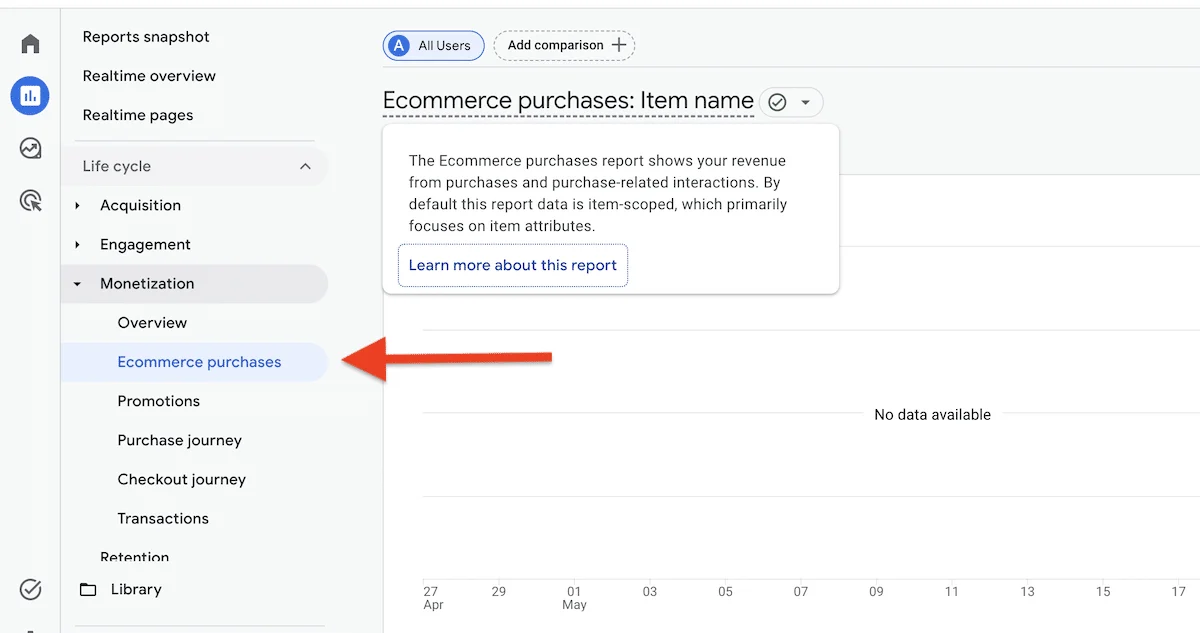
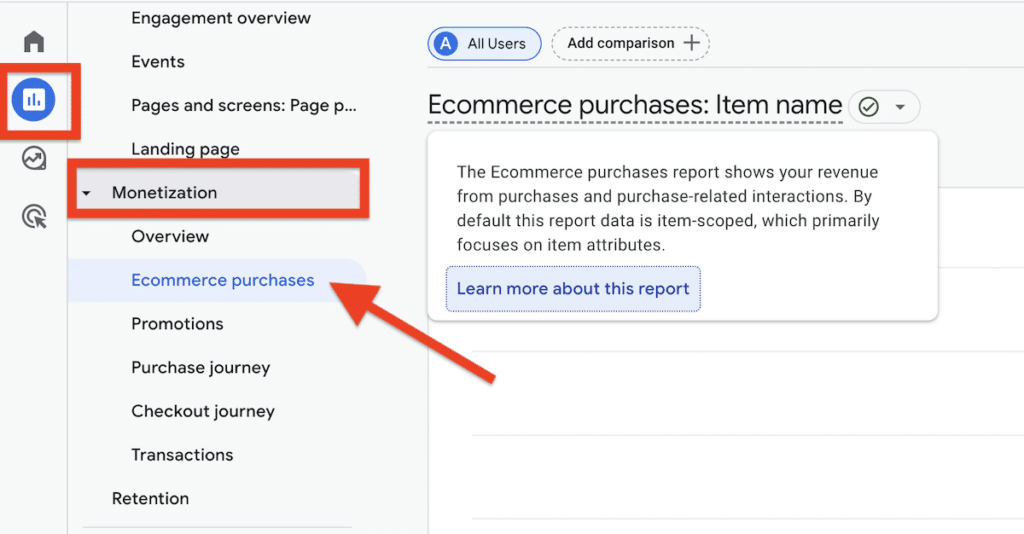
With the industry-wide transition to Google Analytics 4 (GA4), tracking these numbers has become more sophisticated. Analysts now look at “session conversion rate” and “user conversion rate” to understand different facets of the customer journey. While a high conversion rate is generally positive, it must be analyzed in the context of traffic quality; a spike in low-intent traffic can dilute a conversion rate even if the absolute number of sales remains steady.
2. Revenue Per Visitor (RPV)
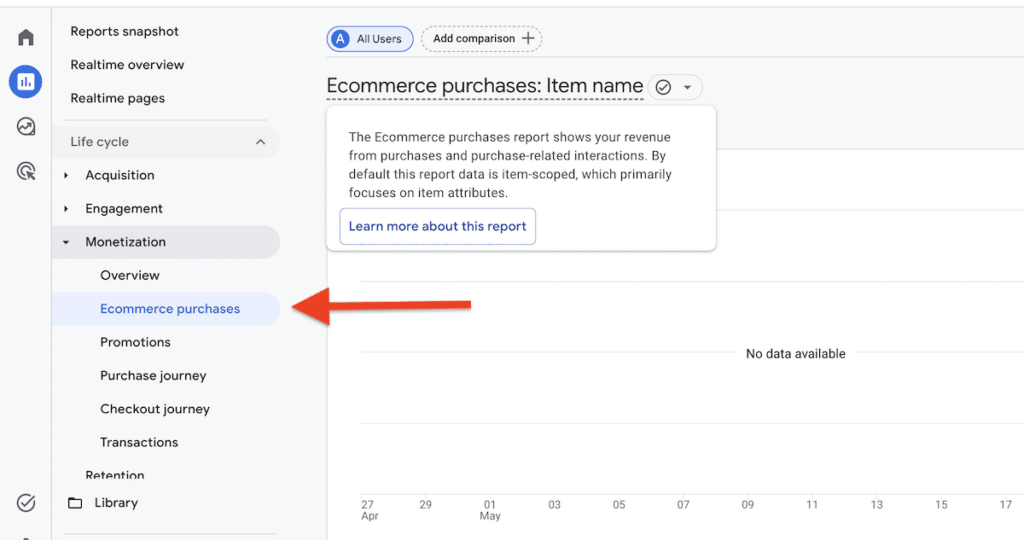
Revenue Per Visitor is often considered the “North Star” metric for eCommerce businesses. It combines the impact of conversion rate and average order value into a single number. RPV is calculated by dividing total revenue by the total number of visitors during a specific period.
RPV is a superior metric for judging site changes because it accounts for the trade-offs that often occur during testing. For instance, a discount offer might increase the conversion rate but significantly lower the average order value. RPV tells the business if that trade-off resulted in more or less money overall.
3. Average Order Value (AOV)
AOV measures the average dollar amount spent each time a customer places an order. This KPI is particularly relevant when testing up-selling and cross-selling strategies, such as “frequently bought together” sections or free shipping thresholds. If a site redesign encourages users to add more items to their cart, the AOV will rise, directly impacting the company’s margins without requiring any increase in traffic acquisition costs.
Lead Generation and Funnel Health
For B2B companies and service providers, the path to revenue is often longer and more complex than a simple checkout process. In these environments, KPIs must reflect the quality of the funnel rather than just the volume of entries.
4. Lead Quality and Qualified Lead Rate
A common mistake in lead generation is focusing solely on the “Total Leads” metric. High lead volume can be a burden on sales teams if those leads are unqualified or spam. Therefore, the “Qualified Lead Rate” (the percentage of leads that meet specific criteria for sales readiness) is a vital CRO KPI. Optimizing a form to be shorter might increase total leads, but adding a “budget” or “job title” field might decrease volume while significantly increasing the qualified lead rate, leading to more closed deals.
5. Demo Booking and Trial Signup Rates
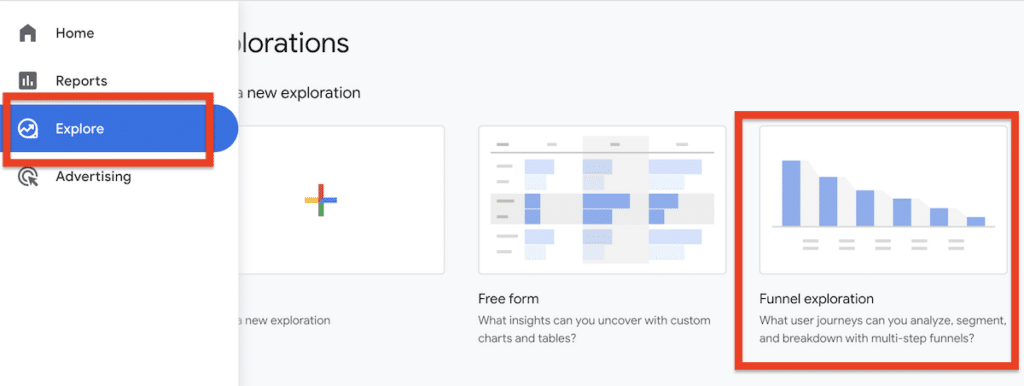
In the SaaS sector, the “Demo Booking Rate” and “Trial Signup Rate” serve as the primary indicators of product-market fit on the website. These KPIs measure the effectiveness of the value proposition and the clarity of the call-to-action (CTA).
Strategic Framework for Choosing the Right KPIs
Choosing which KPIs to track requires a structured approach to avoid data overload. Industry experts, including those at leading optimization firms like Invesp, suggest a tiered framework for KPI selection.
Step 1: Define the Primary KPI
Every test or initiative should have one—and only one—primary KPI. This is the ultimate “win” condition. For an eCommerce checkout redesign, the primary KPI is almost always the “Transaction Conversion Rate.”
Step 2: Identify Diagnostic Metrics
To understand why a primary KPI moved, you need 2–4 diagnostic metrics. If the conversion rate dropped, did the “Add-to-Cart” rate also drop, or was the drop isolated to the payment step? Diagnostic metrics help tell the story behind the data.
Step 3: Establish Guardrail KPIs
Guardrail KPIs are metrics you track to ensure that your optimization isn’t causing “downstream damage.” For example, if you are testing a more aggressive pop-up to increase email signups, your guardrail KPI might be the “Unsubscribe Rate” or the “Site Exit Rate.” If signups go up but exits also skyrocket, the test may be a net negative for the business.
The Role of Segmentation in KPI Analysis
Aggregate data often hides the truth. A website’s overall conversion rate might be 3%, but that figure is an average of many different user groups. Effective CRO reporting requires segmenting KPIs by:
- Traffic Source: Are visitors from organic search converting at a different rate than those from paid social media?
- Device Type: Is the mobile conversion rate significantly lower than desktop? This often points to technical friction in the mobile UX.
- User Type: New visitors vs. returning customers. Returning customers often have a much higher conversion rate and AOV, and mixing their data with new visitors can lead to skewed conclusions.
Reporting and Executive Alignment
The final stage of a CRO program is reporting these KPIs to stakeholders. Executives are rarely interested in “scroll depth” or “button clicks.” When reporting to leadership, the focus must remain on the business impact.
A successful CRO dashboard should translate technical metrics into financial outcomes. Instead of saying “We increased the conversion rate by 0.5%,” a more effective report would state, “The optimization of the product page led to a 0.5% increase in conversion rate, which is projected to generate an additional $200,000 in annual revenue based on current traffic levels.”
Conclusion: The Future of CRO Measurement
As artificial intelligence and machine learning become more integrated into analytics platforms, the way we track CRO KPIs is evolving. Predictive analytics now allow companies to look at “Predicted Lifetime Value” (pLTV) as a KPI, moving beyond the immediate transaction to the long-term value of a customer acquired through a specific test.
However, despite these technological advancements, the fundamental principle remains the same: CRO is a discipline of business growth, not just website design. By identifying the right KPIs, distinguishing them from vanity metrics, and aligning them with overarching corporate goals, organizations can ensure that every pixel changed on their website contributes to a stronger, more profitable future. The focus on outcomes over activities is what separates successful digital brands from those that merely exist online.







