rifanmuazin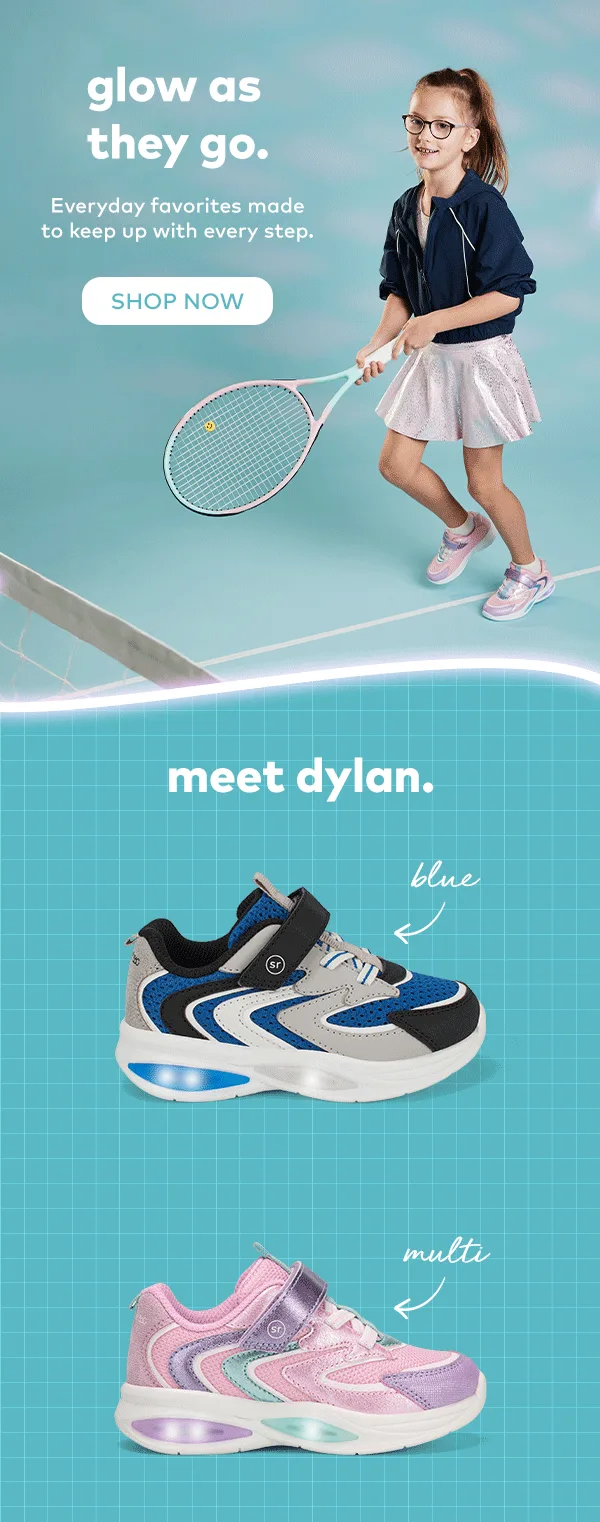
The landscape of digital communication, particularly within email marketing, is undergoing a significant transformation. Gone are the days when grand, flashy designs dominated inboxes; today’s most effective emails champion clarity, simplicity, and intentionality. In this evolving paradigm, micro-animations are emerging as a pivotal detail, breathing life into messages without overwhelming the recipient. This shift signals a broader industry recognition that subtle, purposeful movement can profoundly enhance user experience and drive engagement in an increasingly crowded digital space.

This trend has been a consistent point of discussion and prediction among industry experts. For instance, insights from Validity’s "State of Email" webinar and the "Litmus Live industry trends" session have highlighted the growing prominence of micro-animations as a key driver for future email marketing success. The consensus is clear: small movements, when strategically implemented, can yield substantial impact, transforming static emails into dynamic, engaging experiences. This article will delve into the definition, best practices, and diverse applications of micro-animations, providing a comprehensive overview for marketers seeking to elevate their email strategies.
Understanding Micro-Animations in Email Context

At its core, a micro-animation is a small, subtle animated GIF or CSS-based animation designed to grab attention without being obtrusive. Unlike large, bandwidth-heavy video or complex animations, micro-animations are characterized by their brevity, efficiency, and light file size, making them inherently mobile-friendly and quick to load. They can manifest in various forms, from a CTA button subtly changing color on hover to a small icon gently pulsating. The key differentiator is their understated nature; they are designed to enhance, not distract. A well-executed micro-animation is often barely noticeable on a conscious level, yet it effectively guides the subscriber’s eye, provides visual feedback, or reinforces a brand message. Crucially, their design often considers graceful degradation, meaning if an animation fails to load, the email’s core message and functionality remain intact, avoiding a broken user experience.
The psychological impact of micro-animations is significant. By introducing dynamic elements, brands can amplify their personality and tone, moving beyond static imagery to create a more immersive and memorable interaction. This visual engagement contributes to an improved user experience, subtly nudging subscribers toward desired actions, such as clicking a call-to-action (CTA) button. Furthermore, micro-animations can serve practical purposes, such as acting as a loading indicator, providing reassurance to the subscriber that rich content is being retrieved, thereby reducing perceived wait times and potential frustration.

The Evolution of Email Design and the Rise of Intentionality
The trajectory of email design has mirrored broader trends in digital user experience. Early emails were predominantly text-based, evolving to incorporate images, then responsive design to cater to diverse screen sizes. However, the proliferation of digital content led to a paradox: while marketers sought to stand out with elaborate designs, users increasingly valued simplicity, speed, and relevance. This shift paved the way for a "less is more" philosophy, where every design element must serve a clear purpose.
Against this backdrop, micro-animations emerged not as a return to flashy design, but as a sophisticated evolution towards intentional interactivity. They represent a harmonious blend of aesthetics and functionality, leveraging the power of movement to achieve specific marketing objectives without sacrificing the clean aesthetic that modern subscribers prefer. This approach aligns with broader UX principles observed in successful applications and websites, where subtle feedback and delightful micro-interactions contribute significantly to user satisfaction and task completion. The industry’s embrace of micro-animations is a testament to the ongoing quest for more engaging, user-centric email experiences that respect subscriber attention and time.
Key Best Practices for Effective Micro-Animations

Implementing micro-animations effectively requires adherence to several best practices to ensure they enhance, rather than detract from, the email experience. Like any element of email marketing, thoughtful application is paramount.
- Subtlety and Purpose: The golden rule of micro-animations is subtlety. They should complement the content, not compete with it. Each animation should have a clear purpose, whether it’s to guide attention, indicate progress, or convey brand personality. Avoid animations that are distracting, repetitive, or lack clear intent.
- File Size Optimization: While "micro" implies small, it’s still crucial to optimize file sizes. Large GIFs can increase email load times, consume mobile data, and negatively impact the user experience. Tools for compressing GIFs and leveraging CSS animations where possible are invaluable. The goal is to keep the total email size well within recommended guidelines, typically under 500KB.
- Mobile Responsiveness: A significant portion of emails are opened on mobile devices. Micro-animations must be designed to render correctly and load quickly on various screen sizes and network conditions. Testing across different devices and email clients is non-negotiable.
- Accessibility Considerations: Ensure animations do not trigger discomfort for users with motion sensitivities. Provide alternatives or ensure the animation is brief and non-looping. The core message should always be understandable even if the animation is not perceived.
- Cross-Client Compatibility and Fallbacks: Email client support for animations varies. While GIFs are widely supported, CSS animations might have limitations. Always design with a static fallback image for clients that don’t render animations, ensuring the message remains coherent. Litmus, a prominent email testing platform, provides essential tools for previewing emails across hundreds of clients, catching errors, and ensuring accessibility, thereby significantly cutting quality assurance time.
- A/B Testing: Don’t assume an animation will automatically improve engagement. A/B test different animations, their placement, and their impact on key metrics like open rates, click-through rates, and conversion rates. Data-driven decisions are crucial for optimizing performance.
- Brand Consistency: Micro-animations should align with the overall brand aesthetic and tone. They are an extension of the brand’s visual identity, reinforcing personality rather than introducing disparate elements.
Ten Examples of Micro-Animations in Action: Driving Engagement and Conversion

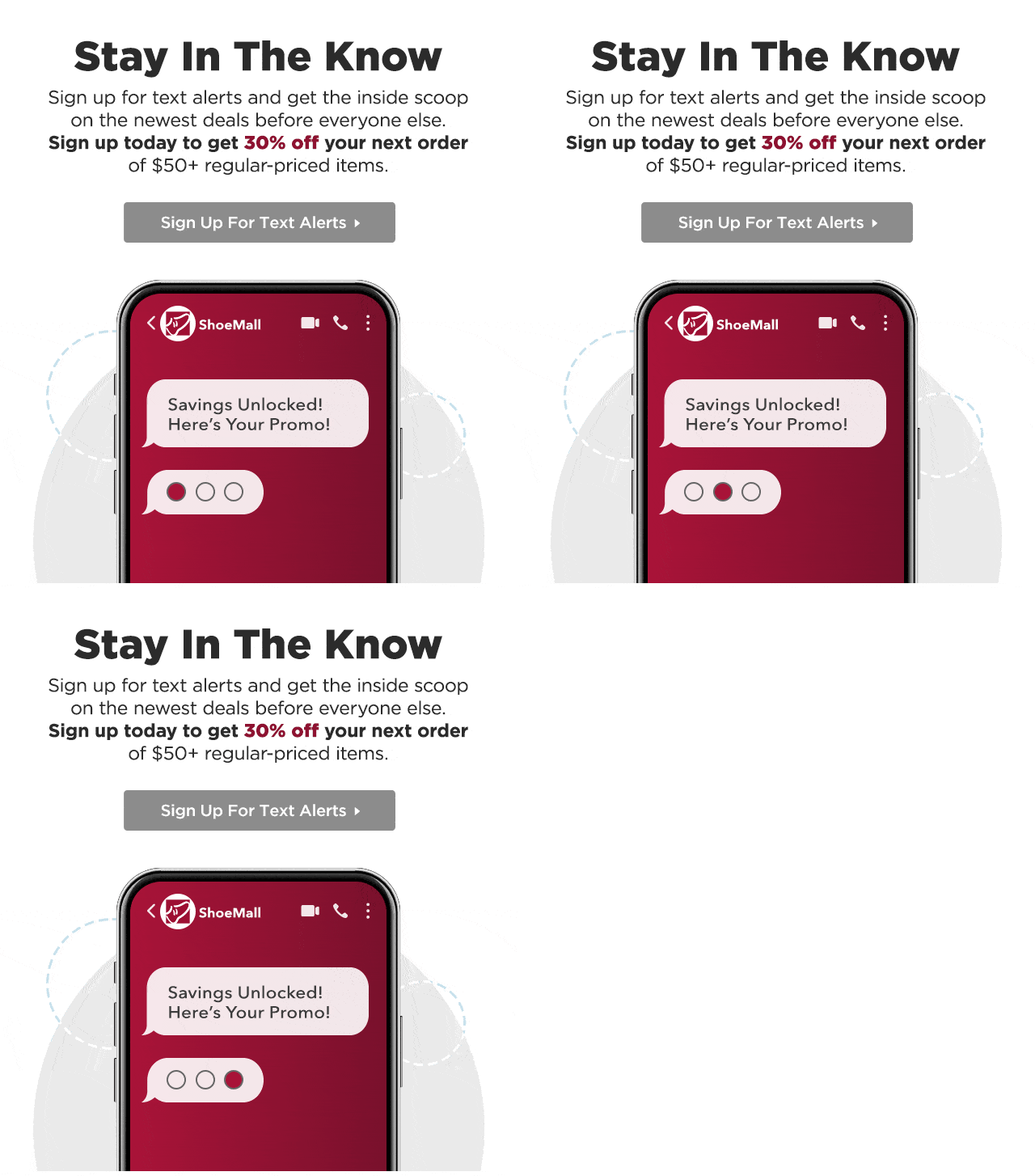
The versatility of micro-animations allows for a broad spectrum of use cases across various email marketing objectives. Here are ten illustrative examples, drawing inspiration from successful campaigns observed in the market, demonstrating how subtle movements can create significant impact:
-
Accentuating Your Brand Identity: A micro-animation embedded within a brand’s logo is a sophisticated yet understated way to capture attention. For instance, a luxury brand like Bulgari might feature its logo subtly sparkling or shifting, creating an air of elegance and exclusivity. This animation, residing in a consistent element like the logo, can be seamlessly integrated across numerous templates without requiring bespoke design for each email. Its effectiveness is amplified by the common practice of email subscribers using preview panes, allowing the animated logo to be seen even before the email is fully opened, fostering immediate brand recognition and intrigue.

-
Increasing Call-to-Action (CTA) Effectiveness: CTAs are pivotal for conversion, and micro-animations can dramatically boost their visibility and appeal. Subtle pulses, color shifts, or gentle glows on a "Shop Now" or "Learn More" button draw the eye without being aggressive. For example, a "75% Off Your First Pair" promotion could feature a CTA button that subtly expands or changes hue, signaling urgency and a clear path to action. This visual cue helps key elements stand out, thereby increasing engagement and significantly boosting click-through rates.
-
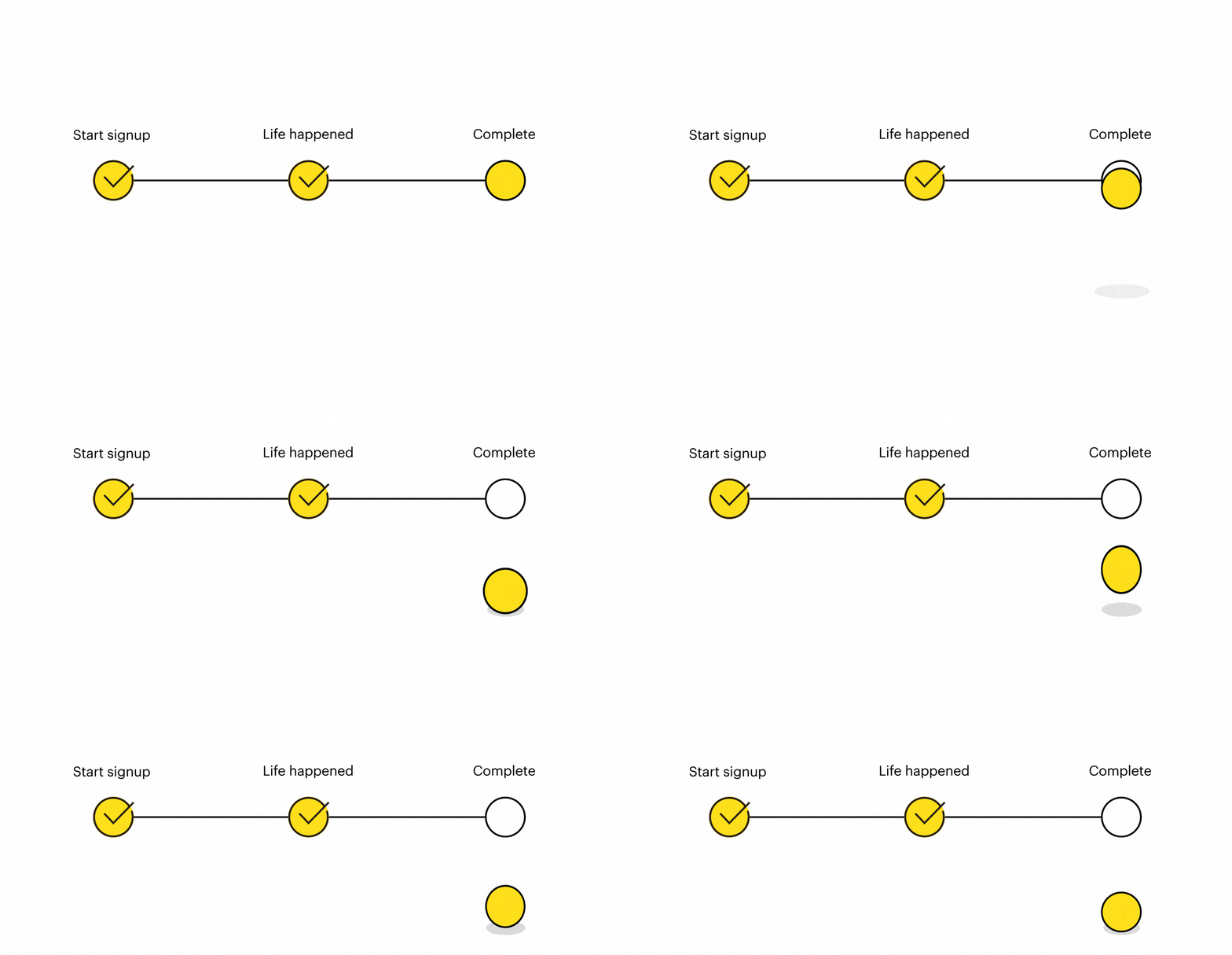
Improving Task Completion and Onboarding: Guiding new customers through onboarding processes, such as activating a subscription or completing an account setup, is crucial for early engagement and churn reduction. A clever micro-animation can visually highlight an incomplete action and subtly remind users of the benefits they are missing. Mailchimp, for example, might use an animated timeline where a "complete profile" step subtly bounces or lights up, prompting the user to pick up where they left off and reinforcing the value proposition.

-
Taking Loyalty Programs to the Next Level: Many businesses leverage loyalty programs to encourage repeat purchases and increased activity. Micro-animations can visualize progress within these programs, motivating subscribers to achieve their next tier or unlock new rewards. A "Vitamin Shoppe" email, for instance, could feature an animated progress bar that visually fills up as a user approaches their next reward tier, making the goal more tangible and inspiring action by showcasing how close they are to earning benefits.
-
Driving Urgency and Highlighting Speed: Micro-animations are excellent tools for conveying urgency and reassuring customers about swift service. An example from Grainger might depict a rapidly moving parcel alongside their logo, emphasizing next-day delivery capabilities for urgent maintenance and repair needs. This visual narrative quickly communicates efficiency and reliability, reinforcing the brand’s commitment to speed.

-
Illustrating Product Features Dynamically: Some products lend themselves exceptionally well to visual demonstration. Micro-animations can help readers visualize product features in a way static images cannot, reducing ambiguity and enhancing understanding.
- Stride Rite’s "Logo Glow" Shoes: An animation could show shoes glowing in the dark, perfectly illustrating a key feature.
- My M&M’s Personalization: A GIF could cycle through different personalized M&M designs, showcasing the customization options.
- Yves Rocher Beauty Products: An animation could subtly shift through various shades of a beauty product, helping customers visualize their ideal match. These animations make product benefits immediately apparent and engaging.
-
Enhancing Product Storytelling: Micro-animations can elevate product storytelling, creating a richer sensory experience. Starbucks UK, for example, promoted its tiramisu-inspired drinks with a full-width animated GIF. This animation subtly highlighted the drink’s mascarpone-style foam and cocoa topping, creating a sense of movement and texture that reinforced the dessert inspiration behind the product, making it more appealing and memorable.

-
Driving Cross-Channel Engagement: While email is often a central pillar, it naturally complements other channels like mobile apps and social media. Requests to engage on these platforms often get relegated to email footers, competing with other content. A subtle wiggle or shake animation on social media icons or app download prompts can make them stand out, encouraging subscribers to connect across different touchpoints and fostering a more holistic brand ecosystem.
-
Finessing Customer Feedback Collection: Customer feedback is vital for continuous improvement. Good senders proactively seek input. However, feedback prompts, much like social media links, can get lost further down the email. A small animation—perhaps a star rating system that subtly expands upon hover, or a "thumbs up/down" icon that wiggles—can draw attention to these prompts, making the feedback process feel more interactive and less like a chore, thereby increasing response rates.
-
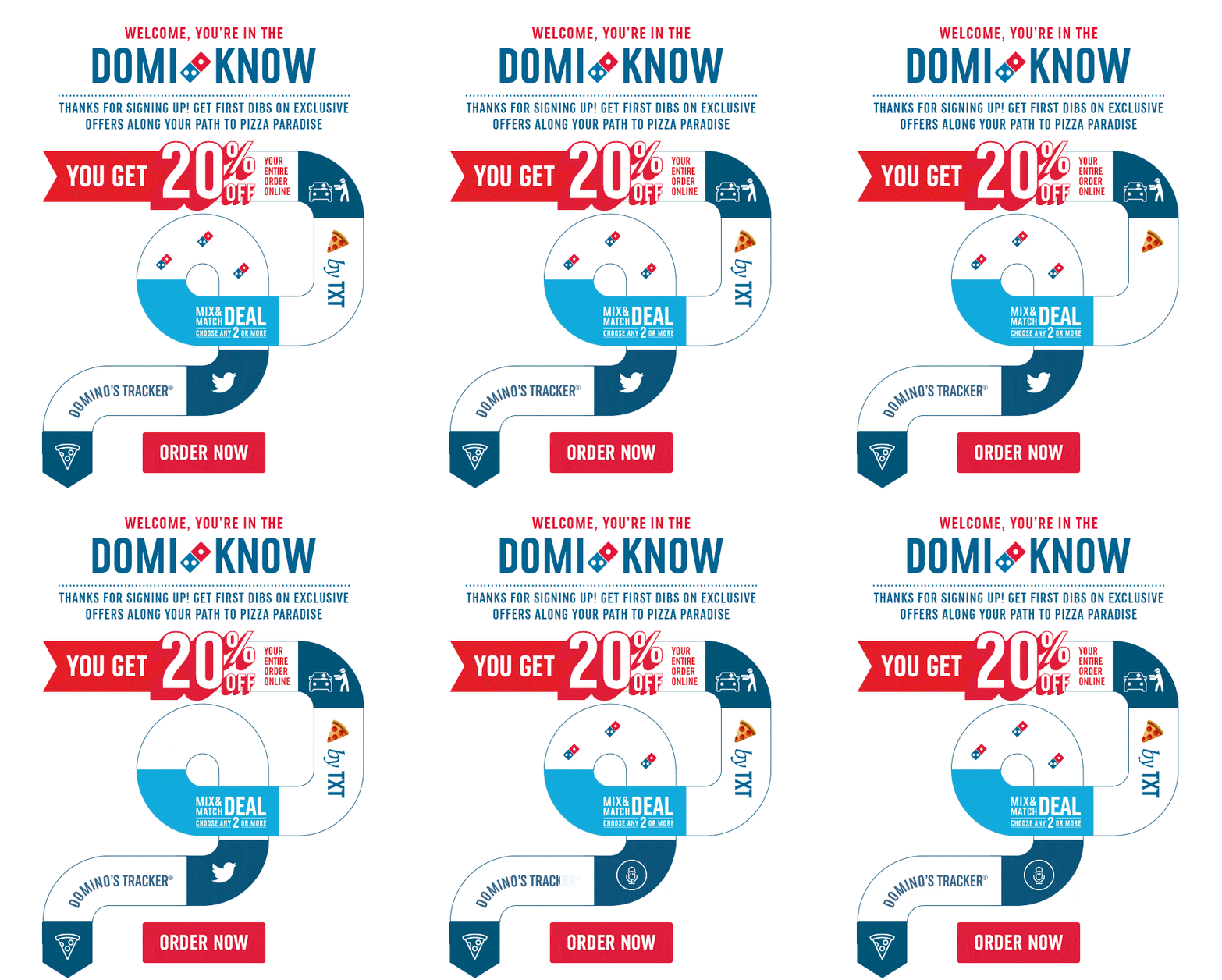
Going Big with Micro-Animations (The Welcome Journey): While the emphasis is on "micro," a series of well-integrated micro-animations can coalesce into a powerful, comprehensive experience, especially in welcome emails. Domino’s, for instance, created an entertaining visual journey in their welcome email. New subscribers are greeted with a cohesive animation that walks them through benefits, ordering instructions, mobile and social prompts, an introduction to the order tracker, and a clear CTA. Despite its comprehensive nature, the entire package was optimized to a lean 322KB, well below recommended guidelines, proving that even a "bigger" animation can retain its "micro" efficiency. This example showcases the potential of combining multiple micro-animation principles to create a highly engaging and informative onboarding experience.
Broader Implications and Future Outlook

The strategic adoption of micro-animations in email marketing carries significant implications for both marketers and subscribers. For marketers, it offers a sophisticated tool to break through inbox clutter, enhance brand recall, and measurably improve conversion rates. It necessitates a more thoughtful approach to design, moving beyond static layouts to consider the user’s journey and interaction points. This also implies a growing demand for email designers and developers proficient in creating lightweight, engaging animations that are optimized for diverse email clients and devices.
For subscribers, the proliferation of well-executed micro-animations means a more delightful, intuitive, and less overwhelming inbox experience. Emails become more dynamic and informative without demanding excessive cognitive load or bandwidth. This fosters a stronger connection with brands and reinforces positive perceptions, ultimately contributing to increased loyalty and engagement over time.
Technologically, the trend points towards further innovation in email client support for advanced CSS animations and perhaps more standardized ways to embed interactive elements without compromising accessibility or performance. While AMP for Email offers even greater interactivity, micro-animations provide a more universally supported and less complex entry point into dynamic email experiences.
In conclusion, the movement towards cleaner, simpler, and more intentional email design is not just a passing fad but a foundational shift. Micro-animations are at the forefront of this evolution, proving that subtle movements can indeed make a macro impact. By focusing on purpose, optimizing for performance, and adhering to best practices, marketers can leverage these powerful tools to create emails that truly come to life, fostering deeper connections and driving tangible results in an increasingly competitive digital landscape. Tools like Litmus, with their comprehensive testing, proofing, accessibility checking, and ongoing monitoring capabilities, are indispensable for marketers looking to ensure their micro-animations are not just visually appealing, but also maximally effective.


 Ammar Sabilarrohman
 Asro
Asro