rifanmuazin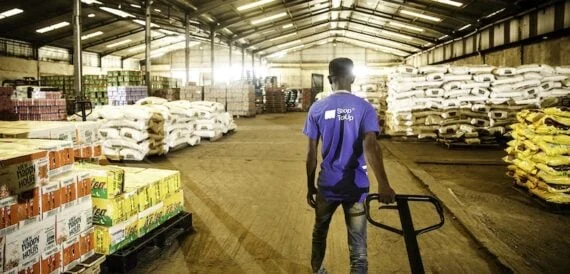
The landscape of consumer-focused e-commerce in Africa is undergoing a significant transformation, shifting its focus from direct-to-consumer models to a more robust business-to-business (B2B) approach targeting the continent’s vast network of informal retailers. This strategic pivot is driven by the persistent challenges of high customer acquisition costs and the logistical complexities of last-mile residential delivery across diverse urban and rural environments. While e-commerce penetration has been a slow burn, approximately 90% of consumer spending in Sub-Saharan Africa remains firmly rooted in physical retail, comprising a fragmented ecosystem of mom-and-pop shops, neighborhood kiosks, and bustling market stalls. Recognizing this reality, innovative B2B distributors are stepping in, not merely as delivery platforms, but as integral components of the core supply chain infrastructure, actively managing inventory sourcing and providing essential trade credit to these vital small businesses.
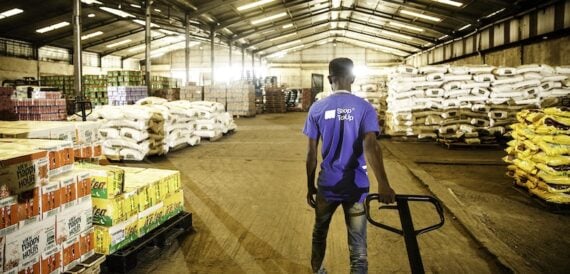
The sheer scale of this informal retail sector presents a compelling opportunity. In major African metropolises such as Lagos, Nairobi, and Cairo, consumers engage in frequent, low-value transactions conducted primarily in person. By aggregating demand and supplying these myriad sellers in bulk, B2B distributors can significantly reduce overall restocking costs and improve efficiency. The logistical advantages are particularly pronounced in congested urban centers. For instance, in Lagos, where severe traffic gridlock can drastically limit a business-to-consumer (B2C) courier’s daily delivery capacity, a B2B truck making deliveries to a concentrated cluster of retail outlets can transport five times the volume in a single trip compared to individual consumer deliveries.
A prime example of this model in action is Nigeria-based TradeDepot. The company has pioneered a sophisticated pre-selling strategy where its logistics fleet operates on highly optimized routes, servicing specific clusters of shops. This ensures that every vehicle departing from the warehouse is guaranteed a high-density delivery route, maximizing efficiency and minimizing wasted mileage. This approach not only addresses the logistical hurdles but also provides a predictable and reliable supply chain for small retailers who are often at the mercy of inconsistent deliveries.
Bridging the Working Capital Gap
One of the most significant barriers for small, informal retailers in Africa has been access to formal financing. Traditional banks often struggle to lend to these businesses due to a lack of transparency regarding their daily cash flow and inventory turnover. This opacity makes it difficult for financial institutions to assess risk and offer viable credit solutions. B2B distributors, however, are uniquely positioned to overcome this challenge. By digitizing the entire transaction process, from order placement to delivery and payment, these distributors gain unprecedented visibility into the sales and inventory data of each retailer they serve.
This granular data capture allows B2B distributors to offer revolving inventory credit directly to their merchant partners. Companies like MaxAB and Wasoko, which merged in 2024, exemplify this evolution. Collectively, these platforms serve over 450,000 African merchants. In Egypt alone, MaxAB-Wasoko’s finance arm generates an impressive annual turnover exceeding $180 million, a figure that now surpasses the revenue generated by its core e-commerce operations. With repayment rates reportedly soaring above 99%, these distributors have effectively transformed working capital into their primary product, using it as a powerful tool for customer acquisition and retention. This financial inclusion empowers small retailers to expand their stock, meet growing consumer demand, and stabilize their businesses.
Enhancing Supply Chain Visibility for Brands
The impact of these B2B distributors extends beyond the immediate retailers and their financing needs. They are fundamentally reshaping how demand is understood and managed by major consumer goods brands. Historically, large fast-moving consumer goods (FMCG) companies would sell their products into broad wholesale networks, losing granular visibility once the goods left their warehouses. This lack of insight made it challenging to understand product performance at the point of sale and to optimize inventory allocation effectively.
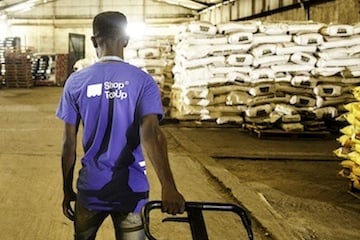
Distributors like MaxAB-Wasoko are now providing SKU-level visibility directly at the retail level. This means brand managers at global giants such as Unilever or Nestlé can access real-time data on what specific products are selling, where they are selling, and at what pace. This unprecedented level of transparency empowers brands to make more informed decisions regarding pricing strategies, promotional activities, and inventory management. They can now precisely allocate stock to meet demand, bypassing the inefficiencies and information gaps that were previously absorbed by multiple intermediaries in the traditional supply chain.
A Strategic Shift in African E-commerce
The trajectory of e-commerce in Africa has long been a subject of intense interest and investment. Early attempts often focused on replicating Western models, emphasizing direct-to-consumer sales and sophisticated logistics networks. However, the unique socio-economic realities of the continent, particularly the prevalence of informal retail and the challenges of last-mile delivery, proved to be formidable obstacles. The high cost of acquiring and delivering to individual consumers, coupled with the low average order values, often rendered these models unsustainable.
The emergence and rapid growth of B2B distributors represent a more pragmatic and sustainable approach, acknowledging and adapting to the existing retail infrastructure rather than attempting to bypass it entirely. This shift is not merely about optimizing delivery routes; it’s about building a comprehensive ecosystem that supports the backbone of African commerce: the small, independent retailer.
Background and Chronology:
The concept of informal retail has been central to African economies for decades. However, the advent of mobile technology and increased internet penetration in the early 2000s sparked the initial wave of e-commerce interest. Companies like Jumia and Konga emerged, attempting to build large-scale online marketplaces. While they achieved significant milestones, they often struggled with profitability due to the aforementioned logistical and customer acquisition challenges.
Around the mid-2010s, a new wave of innovation began to emerge, focusing on specific pain points within the retail value chain. B2B platforms started to gain traction, initially focusing on digitizing ordering and delivery for small businesses. Companies like TradeDepot, founded in 2014, began to pilot and refine their models.
The period between 2018 and 2022 saw a significant acceleration in this B2B space. Startups like MaxAB (founded in 2018) and Wasoko (formerly MarketForce, founded in 2018) emerged, rapidly securing substantial funding rounds. These companies distinguished themselves by not only digitizing the supply chain but also by integrating financial services, recognizing that access to working capital was a critical bottleneck for their merchant partners. The merger of MaxAB and Wasoko in 2024 marked a significant consolidation in the market, signaling a maturation of the sector and a recognition of the synergistic benefits of combining scale and diverse market presence.
Supporting Data and Market Trends:
- Informal Retail Dominance: Reports consistently indicate that the informal retail sector accounts for over 80-90% of consumer spending in many Sub-Saharan African countries. This vast, decentralized market represents a significant untapped opportunity for efficient supply chain solutions.
- High Cost of Logistics: Last-mile delivery costs in Africa can be up to three times higher than in developed markets due to factors like poor road infrastructure, traffic congestion, and the lack of standardized addressing systems. B2B aggregation significantly mitigates these costs.
- Financing Gap: Studies suggest that a substantial percentage of small and medium-sized enterprises (SMEs) in Africa are underserved by formal financial institutions, creating a critical need for alternative financing solutions. B2B distributors are filling this void with innovative credit offerings.
- Growth in B2B E-commerce Funding: Venture capital investment in African B2B e-commerce platforms has seen substantial growth in recent years, reflecting investor confidence in this model’s potential for scalability and impact. While specific figures vary, multi-million dollar funding rounds have become commonplace for leading players.
Analysis of Implications:
The success of B2B distributors has profound implications for the broader African economic landscape:
- Empowerment of Small Businesses: By providing reliable supply, fair pricing, and crucial working capital, these platforms are empowering millions of small retailers to professionalize their operations, increase their profitability, and contribute more significantly to local economies.
- Increased Efficiency and Reduced Waste: Streamlined supply chains lead to better inventory management, reducing stockouts and overstocking, which in turn minimizes food spoilage and waste – a critical issue for many consumer goods.
- Data-Driven Decision Making: The granular data generated by these platforms is invaluable for brands, governments, and researchers, offering unprecedented insights into consumer behavior and market dynamics across the continent. This can inform policy, product development, and investment strategies.
- Foundation for Future E-commerce Growth: While direct-to-consumer e-commerce may still face hurdles, the B2B model is building the essential logistical and financial infrastructure that can support future e-commerce expansion. As these B2B networks mature, they could potentially serve as springboards for more diversified digital commerce activities.
- Formalization of the Economy: By bringing informal businesses into a more structured and digitalized supply chain, B2B distributors contribute to the gradual formalization of the economy, which can have long-term benefits for tax revenue and economic planning.
Reactions and Perspectives (Inferred):
While direct quotes from specific parties were not provided in the original text, it is logical to infer the following reactions and perspectives:
- From Retailers: Small shop owners likely express immense relief and gratitude for the consistent supply, predictable pricing, and accessible credit offered by these B2B platforms. This access to working capital allows them to purchase more inventory, meet seasonal demand, and avoid the predatory lending practices that often plague informal businesses.
- From Consumer Goods Brands: Brand managers and executives are likely enthusiastic about the enhanced visibility and control over their distribution channels. The ability to track product performance at the point of retail allows for more agile and effective marketing and sales strategies, leading to increased market share and profitability.
- From Investors: Venture capital firms and private equity investors are likely encouraged by the strong unit economics, high repayment rates, and significant market potential demonstrated by leading B2B distributors. The successful scaling and profitability of these models validate the investment thesis in African tech and logistics.
- From Financial Institutions: Traditional banks may view these B2B distributors as both competitors and potential partners. While they face competition in the SME lending space, they may also explore partnerships to leverage the data and customer base that these distributors have cultivated.
The current evolution of African e-commerce, spearheaded by innovative B2B distributors, represents a paradigm shift. By focusing on the foundational elements of the retail ecosystem – efficient supply, accessible financing, and clear visibility – these companies are not just facilitating commerce; they are actively building the infrastructure for sustained economic growth and digital inclusion across the continent. This approach, deeply rooted in understanding and adapting to local realities, is proving to be the most effective pathway to unlocking the immense potential of Africa’s burgeoning consumer market.

 Raul Delapena Setiawan
 Ammar Sabilarrohman