
 rifanmuazin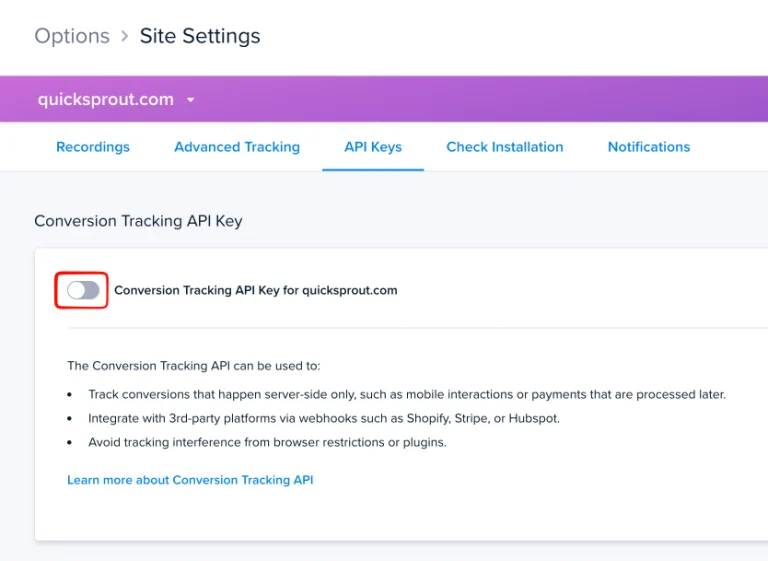
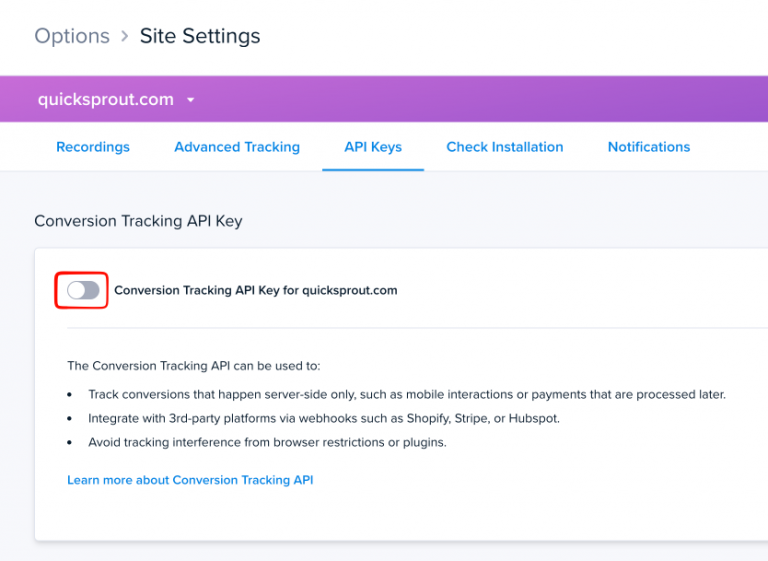
The digital marketing landscape has reached a critical juncture where the reliability of browser-based data collection is increasingly compromised by privacy-centric technological shifts. In response to these industry-wide challenges, Crazy Egg, a pioneer in web analytics and user experience optimization, has officially announced the launch of its Server-Side Conversion Tracking API. This new interface allows organizations to transmit conversion data directly from their internal servers to the Crazy Egg platform, bypassing the limitations inherent in traditional client-side tracking methods. By integrating this API, businesses can achieve a higher degree of data fidelity, ensuring that marketing decisions are based on the most accurate representation of user behavior and transaction success.
The Shift Toward Server-Side Architecture
For over two decades, the standard for web analytics has been client-side tracking, primarily through the use of JavaScript tags and "pixels" embedded in the browser. However, the efficacy of these tools has been significantly eroded by several factors. The rise of ad-blocking software, which is now utilized by an estimated 42.7% of internet users globally, often prevents tracking scripts from loading entirely. Furthermore, major browser updates, such as Apple’s Intelligent Tracking Prevention (ITP) in Safari and Mozilla’s Enhanced Tracking Protection in Firefox, have drastically shortened the lifespan of client-side cookies.
The Server-Side Conversion Tracking API represents a fundamental shift in how data is handled. Instead of relying on the user’s browser to report a successful transaction or sign-up, the communication occurs between the company’s web server and Crazy Egg’s processing engine. This "server-to-server" communication is invisible to ad blockers and is not subject to the same restrictive browser policies that affect third-party cookies. For high-growth B2B startups and e-commerce platforms, this ensures that the gap between actual sales recorded in a CRM and the data reflected in analytics tools is minimized.
Technical Overview and Implementation
The new API is designed to be developer-friendly while maintaining the robust security standards required for modern data transmission. It utilizes a RESTful architecture, allowing servers to send JSON-formatted payloads containing event data. When a conversion occurs—such as a completed checkout, a lead form submission, or a subscription renewal—the back-end system triggers a POST request to the Crazy Egg API endpoint.
This data packet typically includes unique identifiers that allow Crazy Egg to associate the conversion with specific user sessions. By linking server-side events with the visual data captured through Crazy Egg’s heatmaps and session recordings, marketers can gain a holistic view of the customer journey. For example, a marketing team can now see exactly which page elements a user interacted with before a purchase was confirmed on the server, even if that user was utilizing privacy software that would have otherwise blocked traditional tracking.
While the API is intended for advanced users with access to development resources, Crazy Egg continues to support its "Goals and Triggers" feature. This ensures that smaller businesses or those without dedicated engineering teams can still track conversions through a no-code, client-side interface, providing a scalable path for growth as their technical needs evolve.
Chronology of Data Tracking Evolution
The introduction of this API is the latest milestone in a long-standing evolution of web measurement technologies. Understanding this timeline provides essential context for why server-side solutions have become a necessity rather than a luxury.
- The Log File Era (1990s): Early web analytics relied on server logs that recorded every request made to a server. While accurate for hits, these logs lacked the ability to distinguish between unique human users and automated bots.
- The JavaScript Revolution (2000s): The launch of tools like Google Analytics and Crazy Egg popularized the use of client-side tags. This allowed for the tracking of "events" like clicks and mouse movements, providing unprecedented insight into user behavior.
- The Privacy Pivot (2017–2021): The introduction of GDPR in Europe and CCPA in California, combined with Apple’s ATT (App Tracking Transparency) framework, began to limit the data available to client-side trackers.
- The API Integration Era (2022–Present): Platforms began moving toward server-side APIs (such as Meta’s Conversions API and now Crazy Egg’s API) to reclaim lost data and provide a more resilient foundation for attribution.
Impact on Advertising and Targeting Algorithms
One of the most significant implications of the Server-Side Conversion Tracking API is its impact on paid media performance. Platforms like Meta (Facebook/Instagram) and TikTok rely heavily on conversion signals to train their machine learning algorithms. When a conversion is "missed" due to browser-side interference, the algorithm lacks the feedback necessary to optimize ad delivery to similar high-value users.
By funneling accurate server-side data into Crazy Egg, and subsequently using those insights to refine landing pages, companies can see a direct correlation in their Return on Ad Spend (ROAS). Stephen Ngo, Director of Growth Marketing at Crazy Egg, noted that accurate conversion data is the "lifeblood of targeting algorithms." Without it, businesses are essentially overpaying for traffic because their optimization tools are working with an incomplete map of the customer journey.
Supporting data suggests that companies utilizing server-side tracking see an average increase of 15% to 30% in attributed conversions compared to client-side methods alone. This "attribution gap" can be the difference between a profitable ad campaign and one that appears to be failing, leading to better-informed budget allocation across marketing channels.
Official Perspectives and Market Analysis
Industry analysts view this move as a strategic expansion for Crazy Egg, positioning the company as an enterprise-ready solution for data-driven organizations. Stephen Ngo, whose background includes leadership roles at B2B heavyweights like Paddle and ProfitWell, emphasizes that this update is about empowering growth leaders with "truth" in their data. In a market where customer acquisition costs (CAC) are rising, the ability to accurately attribute every dollar spent is paramount.
The release of the API also aligns with the broader industry trend of "first-party data" ownership. As third-party cookies are phased out by Google Chrome and other major browsers, the value of data collected directly by a company on its own terms—and transmitted via its own servers—cannot be overstated. Crazy Egg’s API facilitates this ownership, allowing businesses to maintain a private, secure, and accurate record of user interactions.
Broader Implications for the Future of Web Analytics
The launch of the Server-Side Conversion Tracking API suggests a future where web analytics will be hybrid by design. Visual behavior tools (heatmaps, scroll maps) will likely remain client-side, as they require direct interaction with the browser’s Document Object Model (DOM). However, "hard" data points—conversions, revenue, and sensitive user milestones—will increasingly migrate to the server side.
This hybrid approach addresses the "privacy vs. utility" paradox. It respects user privacy by reducing the number of intrusive third-party scripts running in the browser, while providing businesses with the essential data they need to survive in a competitive digital economy. Furthermore, server-side tracking can improve website performance. By reducing the number of JavaScript tags that need to load on the front-end, page load times are decreased, which in turn can lead to higher conversion rates and better search engine rankings.
Conclusion: A New Standard for Optimization
The introduction of the Server-Side Conversion Tracking API marks a significant advancement for the Crazy Egg platform. It provides a robust solution for the modern marketer who must navigate a landscape of increased privacy regulation and technological hurdles. By offering a direct pipeline for server-side data, Crazy Egg ensures that its users can continue to optimize their digital experiences with the highest level of confidence.
As the industry moves toward a "cookieless" future, the adoption of server-side APIs will likely become the standard for any organization serious about data integrity. For current Crazy Egg users, the instructions for implementation are now available via their support documentation, signaling a new era of precision in user behavior analysis and conversion rate optimization. The move not only strengthens Crazy Egg’s value proposition but also reinforces the necessity of technical adaptability in an ever-changing digital ecosystem.








