
 rifanmuazin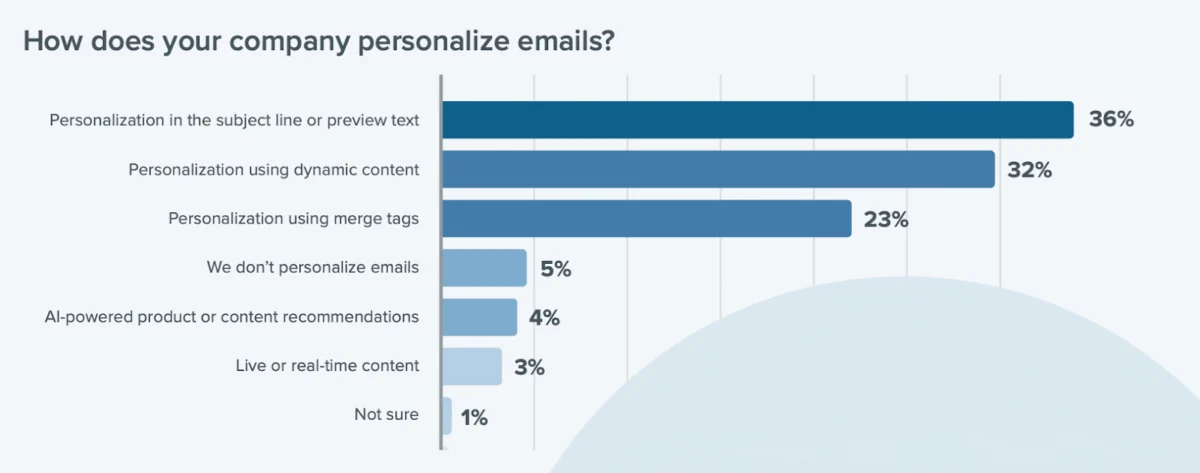
Email marketers today find themselves not merely wearing many hats, but wearing them all, navigating a complex landscape of demands and opportunities. This multifaceted role often traps professionals in a relentless cycle of email request, production, and dispatch, leaving precious little time for the strategic foresight necessary to truly leverage email’s immense potential. Indeed, recent findings from the State of Email Workflows Report reveal that nearly a quarter of all email marketers routinely juggle no fewer than eleven essential functions within their teams, ranging from content creation and design to list management, segmentation, automation, analytics, deliverability, compliance, A/B testing, strategy development, and crucial cross-functional collaboration. This operational overload, often driven by a reactive approach to incoming requests, starkly contrasts with the proactive, data-driven methodology required for sustained success.
The prevailing mindset of simply sending an email "because someone asked" or "once a week" falls short of a genuine email marketing strategy. Such an approach not only exhausts marketing teams but also squanders the channel’s significant revenue-generating capabilities. An effective email marketing strategy transcends mere message distribution; it is a meticulously crafted, comprehensive plan designed to achieve specific business objectives through targeted email communications. This strategic framework focuses on identifying precise target audiences, leveraging segmentation for highly personalized messaging, creating compelling and relevant content, implementing strategic scheduling, and establishing robust performance measurement mechanisms. By setting clear, measurable goals—whether boosting brand awareness, driving sales, or cultivating customer loyalty—and outlining the exact tactics to achieve them, a truly effective strategy becomes a powerful engine for growth. It demands an understanding of the entire customer journey, from initial contact to conversion and retention, tailoring email campaigns to resonate at each critical stage. Furthermore, an optimal strategy integrates continuous testing, in-depth analysis, and iterative optimization to refine approaches, maximize engagement, and ensure a strong return on investment (ROI). This strategic vision is paramount for unlocking email marketing’s impressive 36:1 potential ROI, necessitating a broader perspective on audience understanding, message crafting, and technological utilization.

The Foundation: Defining a Robust Email Marketing Strategy
At its core, an email marketing strategy is a definitive blueprint outlining the target audience, overarching goals, and the precise methods to achieve those objectives. It serves as a guiding document for email marketing teams, ensuring all efforts align with common organizational goals and enabling effective prioritization amidst demanding workloads. Cynthia Price, SVP of Marketing at Validity, underscores this shift: "In marketing, we define the word ‘campaign’ in 1,000 different ways. But I’d love email marketers to stop thinking about a campaign as a single email and more about how it fits into the broader marketing efforts. What is the larger initiative you’re taking on that’s going to reach your audience?" This perspective is vital for avoiding the pitfalls of burnout, bottlenecks, and ultimately, suboptimal results.
In an environment where campaign deadlines loom and backlogs of ideas grow, dedicating time to long-term strategic planning often feels like a low priority. However, without a clear strategy, demonstrating email’s profound impact on the bottom line becomes an uphill battle. Moving beyond arbitrary sending schedules to a goal-oriented, audience-first approach is the only way to build a sustainable and high-performing email program.

Core Pillars of an Effective Email Strategy
The journey to building a robust email marketing strategy begins with clearly articulating primary goals. These could range from driving website sales and increasing product awareness to improving email deliverability on neglected lists or significantly enhancing subscriber engagement. As Price notes, strategy is fundamentally about "what you’re trying to help your audience do within a specific timeframe." While numerical targets like pipeline generation are valuable, the essence lies in improving subscriber engagement and fostering positive change within the audience. From this foundational understanding, several critical components emerge:
1. Precision Targeting: Audience Segmentation and Buyer Behavior
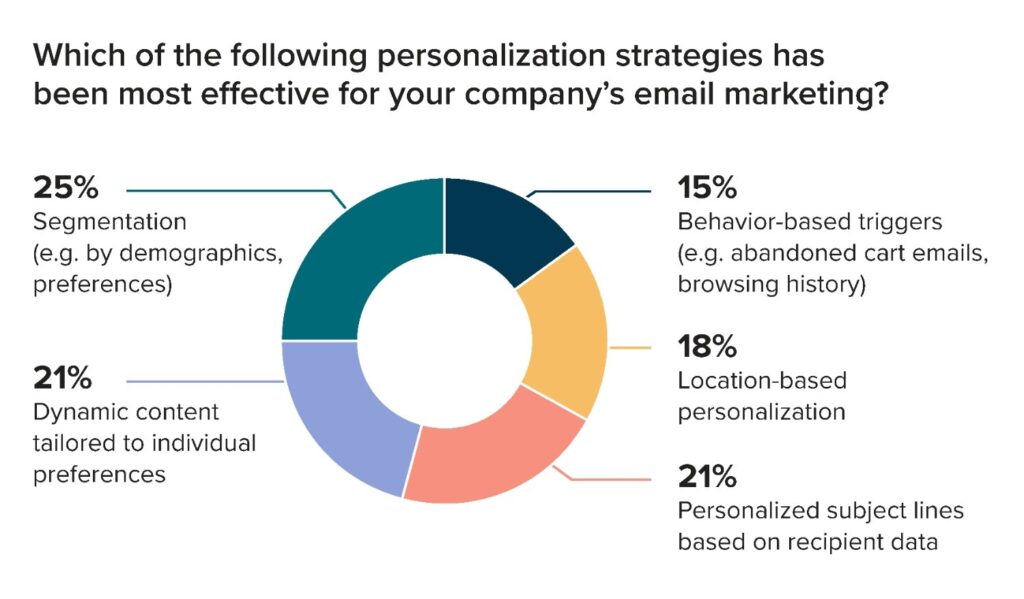
"Know your audience" remains timeless marketing advice, and in email, it translates into meticulous segmentation. Customer segments are distinct groups within an email list, categorized by specific criteria to facilitate targeted campaigns. Proper segmentation unlocks the power of personalized email content, widely recognized as the most effective form of personalization in email marketing. This goes beyond mere demographic data, delving into subscriber preferences regarding send times and, more importantly, delivering precisely the information they need, precisely when they need it. For instance, sending a "leave us a review" email to a non-purchaser is illogical. This logic extends across the entire customer funnel, dictating the deployment of transactional emails, promotional campaigns, recurring newsletters, sales sequences, welcome flows, and onboarding series based on user behavior on the website or product interaction. The efficacy lies in sending distinct, focused emails tailored to specific programs, products, or asks, rather than cramming disparate information into a single message that risks confusing a broad audience. Ultimately, segment definitions should dictate the entirety of the email strategy.
2. Crafting the Journey: Content Planning Across the Lifecycle
A high-quality email list is the bedrock of content effectiveness. A comprehensive strategy must document lead magnet offerings, signup forms, opt-in policies (single or double), and routine list cleaning processes. Once the list is established, mapping the entire buyer’s journey becomes crucial. This involves understanding the progression from initial interest ("I want emails from this brand") to enthusiastic brand advocacy. This journey is punctuated by consistent repetition across multiple marketing touchpoints, interspersed with strategic email nudges. Each email, therefore, must be designed to guide the subscriber to the next logical step, nurturing their relationship with the brand over time.
3. Continuous Improvement: Testing, Experimentation, and Optimization
The significant investment of time and resources into email marketing, coupled with the trust customers place in a brand by subscribing, mandates that every message is flawless and reaches the intended inbox. A robust strategy must include a rigorous plan for email testing, deliverability optimization, and iterative improvement of future campaigns based on insightful analytics. This encompasses A/B testing common elements like subject lines to boost open rates and pre-send testing to ensure consistent rendering across diverse email clients and devices. The adage "if you’re not testing, you’re not learning" holds particularly true here. While optimizing for major clients like Apple Mail or Gmail is standard, specific audience demographics might heavily favor platforms like Outlook, necessitating different design workarounds and optimization strategies—information only revealed through data analysis.
Measuring Success: Goals and Key Performance Indicators
Strategy is intrinsically linked to measurable outcomes. As Cynthia Price highlights, an effective email strategy can operate without direct customer asks, provided there are mechanisms to measure customer responses on the backend, such as engagement, website visits, or conversions further down the funnel.
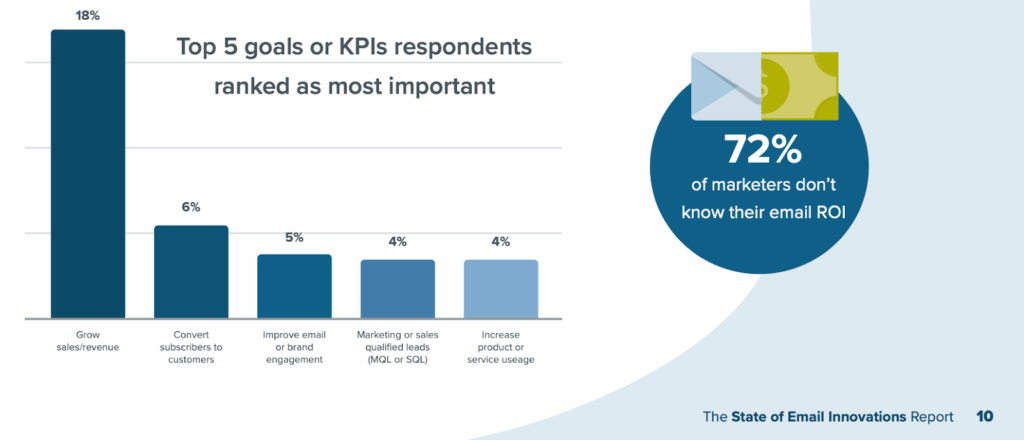
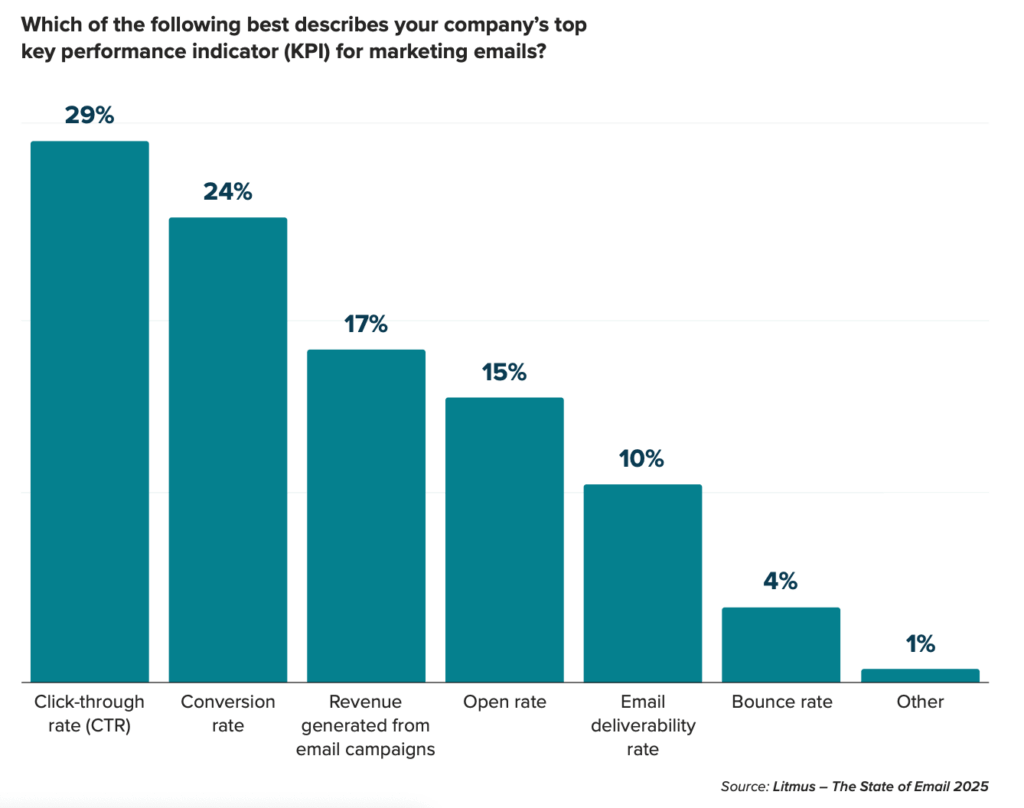
The primary goals for most email marketers revolve around growing sales and revenue, converting more subscribers into loyal customers, enhancing brand engagement, and generating Marketing Qualified Leads (MQLs). Any email campaign should align with one or two of these key priorities. Campaign-level goals can then be more granular; for instance, click-through rate (CTR) is excellent for measuring engagement with a newsletter, while email marketing ROI quantifies the power of promotional messages. A comprehensive email marketing strategy must explicitly list the Key Performance Indicators (KPIs) to be tracked, ensuring clarity on what to measure and which metrics are most critical.
While most marketers currently emphasize bottom-of-funnel metrics like CTR, conversion rate (CR), and revenue per email (RPE), other vital metrics include open rate, unsubscribe rate, bounce rate, spam complaint rate, list growth rate, and customer lifetime value (CLTV). These metrics must directly correspond to overarching goals. Prioritizing metrics based on desired growth levers allows for targeted campaign planning or operational adjustments. For example, if deliverability is a primary concern, focusing on revenue goals is premature; instead, efforts should concentrate on infrastructure and sender reputation. Price emphasizes that the starting point should always be the value offered to subscribers: "If you’re not delivering some level of value to the person on the recipient end of that email, then you’re not going to meet your goals." Connecting with the customer through discounts, smart content, or messages that streamline their experience is paramount.
The Collaborative Advantage: Cross-Functional Integration
Modern email marketing is inherently collaborative. To truly thrive, email marketers must integrate their efforts with various internal teams. This cross-functional approach ensures requests don’t derail strategy but become integral components of a unified marketing effort.
Synergizing with Product Development
New product features or launches necessitate a clear playbook for email communications. Close collaboration with product teams is essential to understand the "why" behind new developments. Price advises, "You need to know how it’s going to make your customer’s lives easier, not just that it’s new and exciting." Email teams must connect new features back to user outcomes and ensure positioning resonates with the audience. Product interest can also drive segmentation; in retail, purchase or browsing behavior dictates personalized recommendations, avoiding irrelevant promotions. Marketers must be prepared to push back on product leaders who expect extensive campaigns for features that may not hold broad audience value, prioritizing what will perform well.
Enhancing Customer Experience with Support Teams
For existing customer marketing, collaboration with support teams can significantly reduce inquiries and foster stronger customer relationships. Notifying support about major email sends—especially those concerning new products, pricing, or promotions—prepares them for potential customer questions. Support teams are also invaluable sources of content ideas and customer insights, knowing precisely where customers encounter friction and what information they require at each stage of the customer lifecycle. This insight is critical for developing effective onboarding sequences and retention nurture flows.
Bridging the Gap with Sales Initiatives
Sales teams often operate with their own email strategies, sometimes independently of marketing. It is crucial to work with sales leadership to align cold email strategies with broader email marketing efforts, preventing prospects from being inundated with redundant messages. Price highlights the need for sales to grasp marketing’s value proposition, ensuring that email campaigns don’t over-ask in every interaction. Instead, collaboration should focus on educating prospects with valuable, product-related content that builds trust rather than turning them off. Teaching sales representatives to build slower-paced email sequences that provide information incrementally can alleviate issues and enable more personalized or Account-Based Marketing (ABM) plays without requiring extensive CRM management. This, however, requires leadership buy-in, shifting the focus from mere quantity of outreach to the quality of engagement.
Navigating the Future: Key Trends Shaping Email Marketing
While the core tenet of email marketing—delivering valuable emails that audiences want to read—remains unchanged, the methods for achieving this are continuously evolving. The sheer volume of emails means breaking through the noise of a crowded inbox is both a significant challenge and a substantial opportunity.
1. Personalization’s Evolution: Beyond the First Name
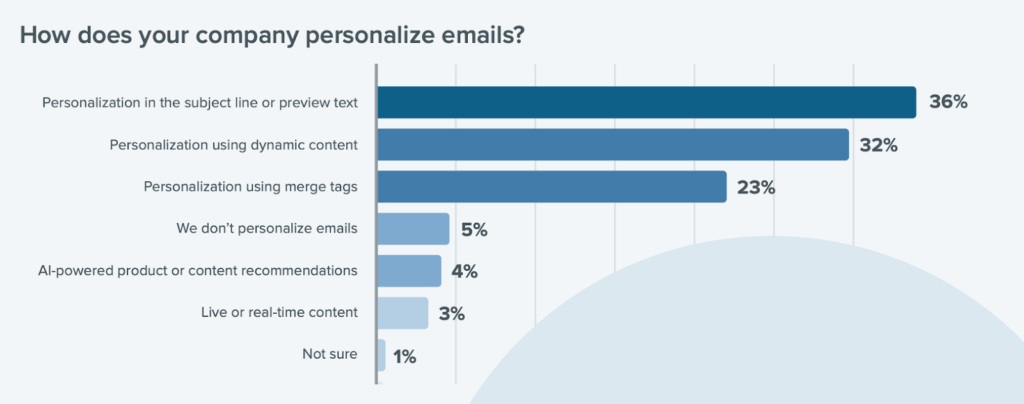
Segmentation forms the bedrock of modern email marketing strategy, and its natural extension is advanced personalization. Despite the additional effort involved in creating varied campaign versions, the returns are substantial. While 25% of email marketers identify personalization as their most effective tactic, many still rely on basic <first name> merge tags. This represents a significant missed opportunity to leverage dynamic content, live content elements like polls, interactive features, countdown timers, or sophisticated product recommendation engines. Cynthia Price cautions against superficial personalization: "If you’re using AI just to send more emails without thinking about the subscriber on the other side, you’re not going to do well." True personalization, she argues, must be specific, targeted, and genuinely valuable, recognizing that its application should be strategic, not universal, across the entire email marketing ecosystem, considering factors like industry, persona, or tech stack.
2. The Power of Automation: Triggered Nurture Flows
Scaling personalization effectively often relies on automating behavioral-based emails, delivering the right message at the opportune moment without manual intervention. Email automation is a strategic cornerstone, enabling campaigns like subscriber re-engagement, customer win-back, and birthday messages. This approach can be visualized as a ladder, where the most opened email is typically the first one received. The strategy then involves identifying the next best action and creating a series of automated nudges to guide subscribers progressively through the funnel. Price emphasizes the critical role of technology in this: "Using the technology you have on the back end to pay attention to what your customer is doing, and figuring out where you add value at each point in the funnel, that’s critical." Responding to specific customer actions, such as setting up a product integration with an email on maximizing its use, is far more effective than generic blasts.
3. AI as an Enabler, Not a Replacement
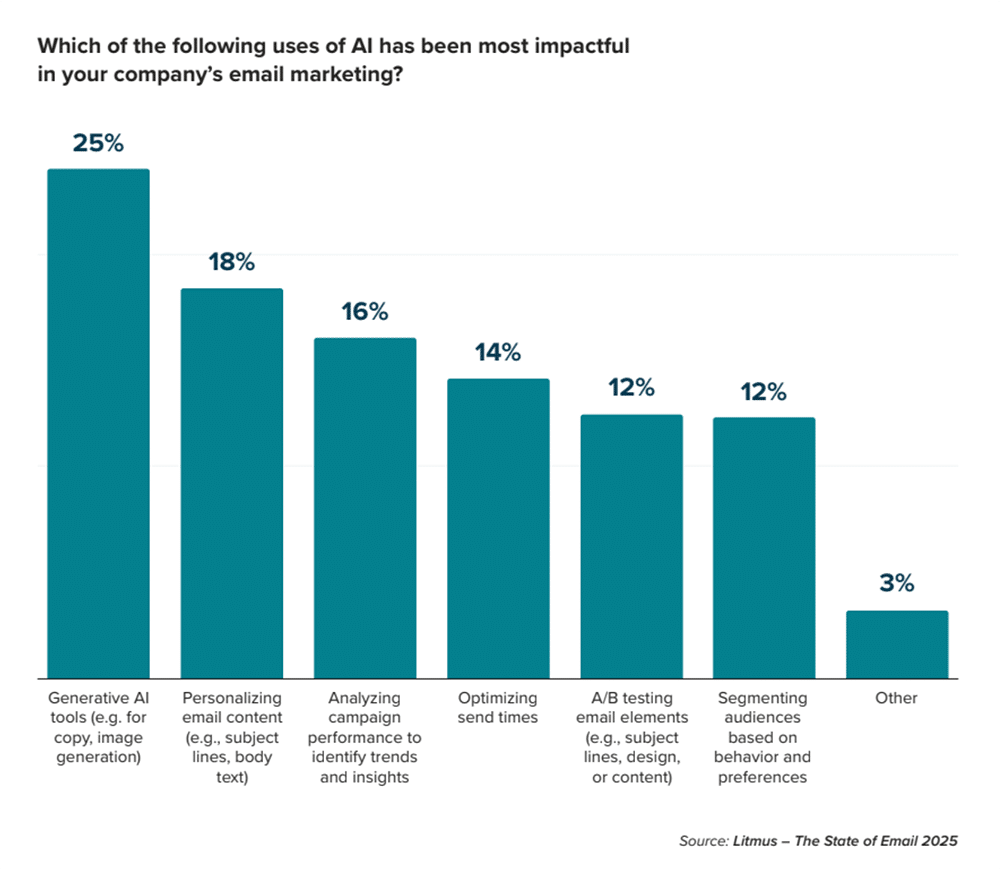
The explosion of artificial intelligence (AI) is undeniably transforming email marketing. A significant majority of marketers anticipate AI augmenting human efforts: 70% expect up to half of their email marketing operations to be AI-driven by the end of 2026, with an additional 18% projecting 50-75% AI integration. While AI promises increased productivity and data-driven insights, it is crucial to view it as an extension of existing automation, not a replacement for fundamental strategy. A successful email marketing campaign, regardless of AI involvement, still requires a clear understanding of the audience, well-defined goals, compelling value propositions, clear calls to action, and robust measurement. AI can be a powerful assistant, particularly when tasked with suggesting campaign ideas based on first-party data, drafting drip campaigns or sequences tailored to specific products, or generating ideas for special offers. However, given AI’s broad accessibility, marketers must critically evaluate its recommendations against their unique market positioning and audience preferences.
4. Streamlining Production: The Modular Email Approach
Efficiency in email production is another critical trend. Teams employing modular email designs report creating single emails in two weeks or less. This widespread adoption of modular coding practices, relying on pre-built templates rather than bespoke creations for every send, significantly expedites the email creation process. However, only 28% of companies currently utilize a centralized design template system to ensure brand consistency across email types. For those that do, templates are instrumental in faster email production, maintaining brand consistency, simplifying email testing, fostering better collaboration, and ultimately, delivering higher ROI. Developing a comprehensive library of code snippets and an email style guide—detailing fonts, colors, imagery, tone, voice, grammar, and spacing—establishes clear standards for visual appearance and brand voice. This eliminates the need to "reinvent the wheel" for every email, optimizing the entire email production workflow for faster, more effective strategy execution.
Real-World Impact: Examples Across the Customer Funnel

When constructing an email marketing strategy, identifying critical trigger points is paramount. Examples across the customer funnel illustrate how strategic emails drive engagement and conversion:
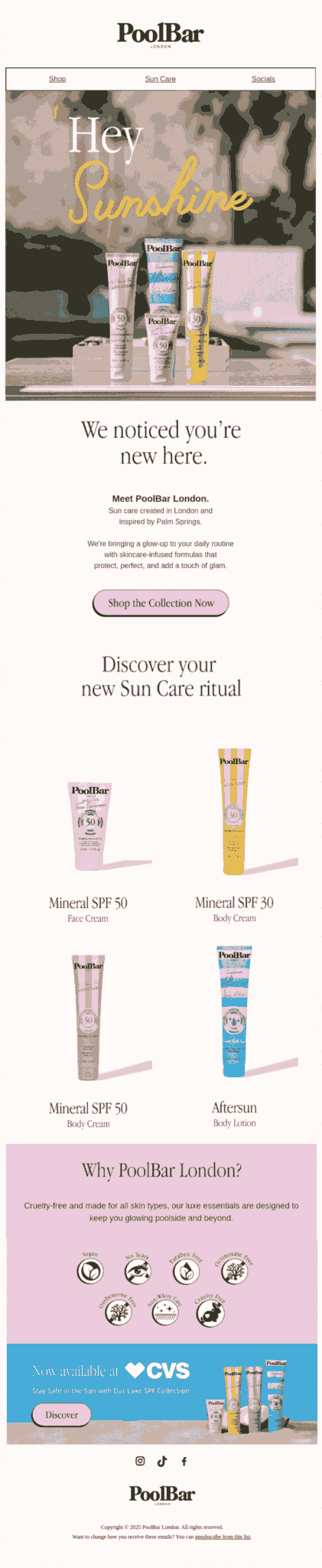
- Top of Funnel (Welcome & Newsletters): These emails introduce the brand, leading with value and personality. They aim to build familiarity and encourage future opens. A well-crafted welcome email, perhaps focusing on interesting content rather than immediate sales, can establish a strong initial connection. Newsletters, even when showcasing new products, can adopt an informative, value-driven format to engage subscribers early on.
- Middle of Funnel (Educational Content): As subscribers deepen their relationship, the focus shifts to engagement through educational content. These emails aim for a "lighter sell," providing information that makes subscribers click and eager for future communications. This could include new product arrivals presented with engaging designs or content that helps subscribers perform their jobs more effectively. The goal is to make engagement as effortless as possible for prospects and customers.
- Bottom of Funnel (Case Studies, Product Launches, Customer Appreciation): At the conversion stage, direct selling is appropriate. Whether through discounts, social proof, or showcasing customer success stories, these emails are assertive and confident. Classic product launches benefit from fresh, compelling designs, while customer appreciation emails can leverage creative language and humor to reinforce loyalty.
Tools and Technologies for Strategic Execution
Executing a comprehensive email marketing strategy requires a suite of specialized tools that streamline various processes:

- Segmentation: Email Service Providers (ESPs) like Salesforce, MailChimp, Klaviyo, and Campaign Monitor are foundational for segmenting audiences and tracking performance goals.
- Personalization: Tools like Litmus Personalize, alongside behavioral analytics platforms such as Customer.io, enable the creation of highly engaging, dynamic content beyond basic merge tags.
- Automation and AI: ESPs, integrated with AI assistants like Litmus Assistant, power triggered nurture flows and help determine the next optimal steps for subscribers based on their actions.
- Testing and Optimization: Litmus Test and Litmus Guardian are indispensable for pre-send testing, ensuring emails render perfectly across all devices and email clients, and for optimizing deliverability and spam scores.
- KPI Analysis: Litmus Analytics provides the critical data and insights needed to measure email performance against defined goals, allowing for continuous refinement and optimization.
Conclusion: The Strategic Imperative for Modern Email Marketing
While countless hours can be invested in developing a meticulous email marketing strategy, its true value materializes only when it translates into successful campaigns delivered to inboxes. The modern email marketer’s journey is characterized by a shift from reactive task execution to proactive strategic planning. Efficient building, precise previews, and rigorous testing facilitated by platforms like Litmus are crucial for bringing sophisticated email ideas to life. Coupled with robust analytics that reveal subscriber engagement and conversion patterns, these tools empower teams to not only implement their strategy effectively but also to continuously learn, adapt, and optimize. In an increasingly crowded digital landscape, a well-defined, measurable, and adaptable email marketing strategy is not just a competitive advantage; it is an absolute necessity for driving substantial ROI and ensuring the long-term success and sustainability of any marketing program.









