rifanmuazin
The recent TikTok World & Partner Summit, held last week, served as a powerful showcase for the platform’s evolving strategy, encapsulated by the potent new positioning: "Watch it. Love it. Want it." This succinct phrase, far from being a mere tagline, emerged as a recurring theme, accurately reflecting the data-driven reality of user behavior on TikTok. The platform is fundamentally betting on the convergence of discovery, consideration, and purchase, asserting that these traditionally sequential stages can now—and often do—occur within a single user session, sometimes even within a single video. This paradigm shift holds profound implications for brands and marketers, particularly those whose strategies remain anchored in the linear, multi-channel approach of the past.
The traditional marketing funnel, a long-standing framework for understanding consumer journeys, posited a sequential progression: initial reach, followed by sustained consideration, and finally, conversion. However, TikTok’s current ecosystem demonstrably challenges this model. The platform’s data indicates a radical compression of the consumer journey. A user might encounter a product within a creator’s video, initiate a search for more information, engage with comments, view supplementary content from different creators, and ultimately complete a purchase, all without ever leaving the TikTok application. In this environment, discovery does not merely initiate the funnel; it becomes the funnel.
TikTok’s internal data corroborates this seismic shift, revealing that a significant 64% of users have made a purchase after discovering a product on the platform. This statistic underscores a fundamental alteration in the formation of desire. Historically, awareness and purchase intent were distinct phases. On TikTok, these moments now frequently coalesce, embedded within a single piece of engaging content. This observation builds upon prior analyses, such as the insight that creator strategy in 2026 will likely prioritize scaling authentic culture over mere audience reach. The TikTok World summit underscored that the platform’s architecture is actively being re-engineered around this non-linear discovery journey. Brands that persist in planning their campaigns based on traditional funnel stages risk operating with an outdated map, ill-equipped for the current territory.
The Integrated Ecosystem: TikTok Shop as the Commercial Nexus
The most tangible manifestation of this evolving strategy is TikTok Shop. It has transcended its origins as a viral commerce feature to become a comprehensive ecosystem. This evolution encompasses affiliate-driven creator commerce, an expanding breadth of product categories, and seamlessly integrated checkout experiences embedded directly within entertainment formats. The platform now facilitates mini-series content, episodic creator storytelling, and gamified engagement loops that inherently incorporate purchasing mechanisms. The distinction between content consumption and retail storefront is rapidly dissolving, positioning TikTok as an entertainment-commerce environment where purchasing is an organic byproduct of viewing.
On the automation front, solutions like GMV Max exemplify this integrated approach. Instead of manually managing disparate elements such as product selection, creative delivery, audience segmentation, and budget allocation, GMV Max optimizes holistically toward sales outcomes. This mirrors the broader trajectory of the platform, which is increasingly prioritizing end-to-end performance.
Creative Reinvention: Fostering Cultural Fluency
The erosion of the traditional funnel, coupled with the convergence of discovery and purchase, necessitates a complete re-evaluation of creative strategy. The objective is no longer to interrupt a user’s scroll with a polished advertisement. Instead, the imperative is to integrate authentically into the content stream that users are already actively enjoying.
Brands that are successfully navigating this transition share a common trait: cultural fluency. This manifests through techniques such as point-of-view (POV) storytelling, street interviews, conversational and less polished video content, creator-led reviews, and content tailored to specific subcultures. The ability to produce content that feels native to TikTok, rather than merely adapted for it, is paramount.
Creator-led content consistently demonstrates superior performance compared to controlled brand messaging. This is attributable to a higher degree of user trust in recommendations and discoveries facilitated by creators, as opposed to direct brand communications. While this insight is not entirely new, the current scale at which it can be executed and rigorously tested represents a significant advancement.
A guiding principle for any creative team tasked with developing TikTok content should be: "Create content people would still watch if the product were removed." Content that fails this litmus test is effectively an advertisement masquerading as organic material. The inefficiency of such an approach represents a substantial drain on current TikTok advertising expenditures.
High-impact reach solutions, such as Top Reach, are designed to cultivate continuity and recall within a single user session by strategically sequencing placements like TopView and Top Feed. The underlying logic is that a campaign is not a singular impression but rather a narrative unfolding across a user’s engagement, particularly during moments of heightened attention. This reframing of awareness investment is crucial for brands seeking to maximize their impact on the platform.
The AI Revolution: Orchestrating the Future of Advertising
The third transformative shift, with the most profound long-term implications, is TikTok’s transition from a manually managed advertising platform to an AI-orchestrated system. The ramifications for marketing operations are substantial.
Tools like Smart+, which automate targeting, bidding, placement, and creative optimization, are at the forefront of this evolution. Symphony, TikTok’s generative AI suite, directly addresses a critical bottleneck in performance marketing: creative volume. It empowers the rapid generation of video variations, the conversion of product images into dynamic video ads, the creation of creator-style avatars, and accelerates the process of large-scale creative testing. Many performance limitations on TikTok are currently dictated by creative constraints rather than media buying capabilities. Symphony represents TikTok’s strategic endeavor to transform content production from a one-off cost into a scalable input.
Discussions surrounding the future of the platform, including initiatives like the potential "Metaverse Creator Platform" (MCP), point towards an infrastructure for an AI-native advertising ecosystem. This future envisions AI agents managing campaigns comprehensively, enabling direct interaction between external systems and TikTok’s advertising workflows, and progressively automating reporting, optimization, and planning processes. The role of the marketer is anticipated to evolve towards strategic oversight and creative direction, a development that promises to be more engaging for skilled professionals.
However, a significant disconnect exists: while TikTok is actively building this advanced future, many brands continue to measure the platform’s contributions using outdated tools. Last-click attribution, for instance, systematically undervalues TikTok’s impact. The platform’s influence often occurs earlier in the consumer journey—during discovery, through cultural resonance, by driving search behavior, or via assisted conversions. Users may discover a product on TikTok and complete the purchase on a different platform, a journey largely obscured by standard platform reporting.
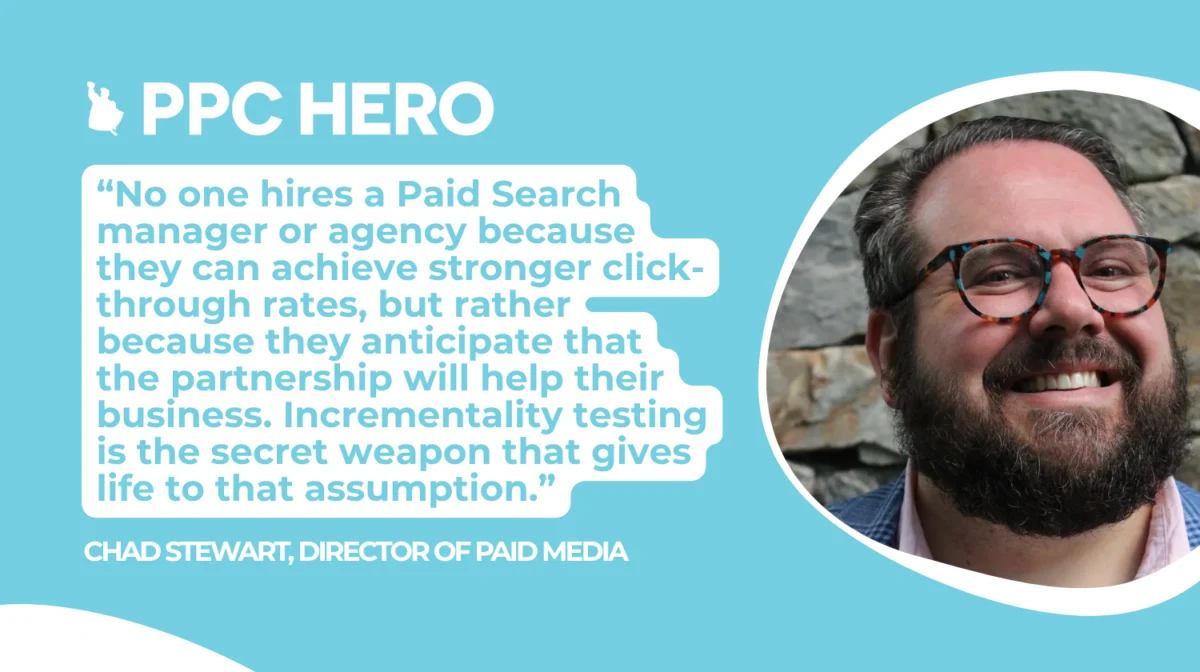
Brands that possess a more accurate understanding of TikTok’s true contribution are employing methodologies such as incrementality testing, tracking search lift, monitoring brand demand signals, and meticulously mapping assisted conversion pathways. Without these more sophisticated analytical lenses, brands that optimize solely for last-click Return on Ad Spend (ROAS) will inevitably underestimate TikTok’s efficacy and consequently underinvest in its potential. This scenario has been observed repeatedly across various campaigns.
A Unifying Vision: The Blurring Lines of Entertainment and Commerce
Across all sessions and discussions at TikTok World, a singular theme resonated: the platform is actively collapsing the distance between discovery and purchase by positioning entertainment as the primary interface for commerce. Shorter decision cycles, the trust engendered by creators, AI-driven execution, and integrated shopping experiences are not isolated trends but rather interconnected facets of a singular, powerful movement.
The brands poised for success in this evolving landscape will be those willing to fundamentally alter their approach to audience engagement. This involves a shift towards less polished, more participatory content; less interruption, and more authentic cultural integration; and the adoption of superior tools for accurately measuring campaign effectiveness.
On TikTok, attention is not merely purchased; it is meticulously earned within the feed, in real-time, and deeply embedded within the cultural fabric of the platform. This dynamic environment demands a strategic evolution that embraces authenticity, cultural relevance, and advanced analytical capabilities to truly harness its commercial potential. The summit served as a clear clarion call for marketers to adapt or risk being left behind in this rapidly transforming digital frontier.