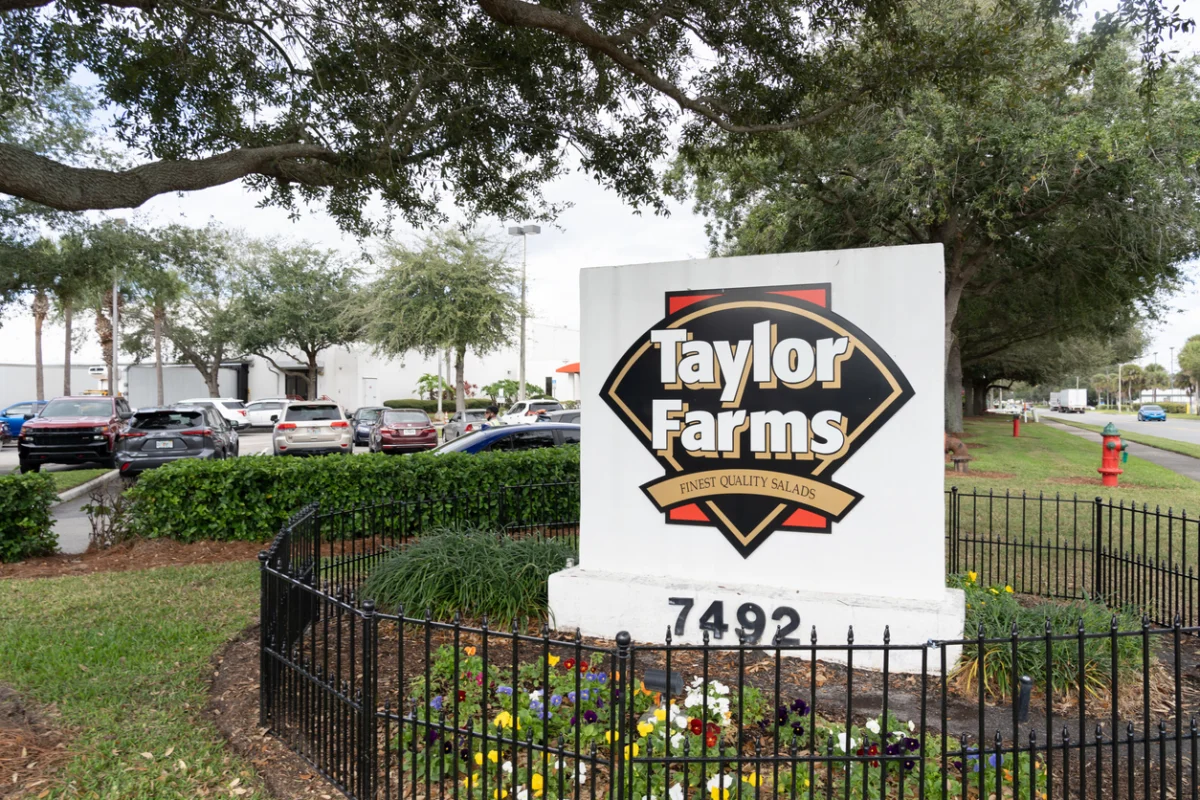
The fresh produce industry is currently navigating a period of heightened scrutiny as Taylor Farms, one of the largest suppliers of salads and healthy fresh foods in North America, grapples with a second major foodborne illness outbreak in less than two months. This latest crisis, involving Salmonella-contaminated jalapeños, comes on the heels of a widespread Cyclospora outbreak linked to the company’s lettuce products, placing the brand’s reputation and safety protocols under intense public and regulatory pressure. Simultaneously, the technology sector is seeing significant shifts as Meta CEO Mark Zuckerberg outlines a populist vision for artificial intelligence, and X (formerly Twitter) implements a radical restructuring of its revenue-sharing model to prioritize original content over engagement-driven "farming." In the world of professional sports, the Chicago White Sox are demonstrating a masterclass in niche marketing by leveraging an unprecedented connection to the papacy to drive record-breaking fan engagement.
Taylor Farms Under Fire: A Dual Crisis in Food Safety
Taylor Fresh Foods, a dominant player in the "white label" and branded produce sector, is facing a critical juncture in its corporate history. In August 2026, the company announced a new outbreak of Salmonella infections, specifically linked to fresh jalapeños. This development is particularly damaging because it follows a month-long national crisis involving Cyclospora—a microscopic parasite—that was traced back to the company’s lettuce.
According to an official notice posted by the company, the U.S. Food and Drug Administration (FDA) and the Centers for Disease Control and Prevention (CDC) have identified a grower in Sinaloa, Mexico, as the likely source of the Salmonella. This grower supplied Coast Citrus Distributors, which in turn supplied Taylor Farms. While Taylor Farms has stated it has ceased sourcing from the Mexican farmer in question, the communication has been criticized by industry analysts for its lack of clarity regarding the exact relationship between the entities involved.
Chronology of Recent Food Safety Incidents
The timeline of Taylor Farms’ recent struggles highlights a rapid succession of events that have tested the company’s crisis management capabilities:
- July 2026: Reports begin to surface of a Cyclospora outbreak linked to bagged salad mixes. The FDA initiates an investigation into Taylor Farms’ facilities.
- July 24, 2026: CEO Bruce Taylor issues an emailed statement to Forbes, marking his last significant public comment on the matter. Tension arises between the company and the FDA over the adequacy of the company’s public apologies and transparency.
- Early August 2026: A new outbreak is identified. This time, the pathogen is Salmonella, and the vehicle is fresh jalapeños used in processed products such as salsas and meal kits.
- August 7, 2026: Taylor Farms updates its website with a recall notice and a reiteration of its "Food Safety Commitment," though critics note the absence of live press briefings or direct leadership engagement.
The Impact of Pathogens on Public Health
To understand the severity of these outbreaks, one must look at the data provided by the CDC. Salmonella causes approximately 1.35 million infections, 26,500 hospitalizations, and 420 deaths in the United States every year. Symptoms include diarrhea, fever, and stomach cramps, which can last up to seven days. Cyclospora, while less common, causes an intestinal illness called cyclosporiasis, which can lead to prolonged gastrointestinal distress if not treated with specific antibiotics. For a single supplier to be linked to two distinct pathogens within a 60-day window suggests systemic vulnerabilities in the supply chain or processing environments.
Meta AI: Positioning for Universal Adoption
While the agricultural sector deals with biological contaminants, the tech world is focused on the "openness" of digital intelligence. Meta CEO Mark Zuckerberg recently released a comprehensive manifesto detailing the future of Meta AI. In a strategic pivot away from the gloom-and-doom narratives often associated with AI—such as job displacement or existential threats—Zuckerberg is positioning Meta’s technology as a tool for individual empowerment.
The "AI for Everyone" Philosophy
The core of Meta’s strategy is accessibility. Unlike competitors like OpenAI or Google, which have increasingly moved toward "closed" models or high-tier enterprise subscriptions, Meta is leaning into the open-source community with its Llama models. Zuckerberg’s essay emphasizes the word "everyone," suggesting that AI should not be a tool reserved for governments or massive corporations.
Industry analysts suggest this is a calculated move to build a massive user base and developer ecosystem that will eventually make Meta’s AI the industry standard by sheer volume of usage. By integrating AI across Facebook, Instagram, and WhatsApp, Meta already possesses a distribution network that its rivals struggle to match. The vision is to make AI as ubiquitous and helpful as the smartphone, focusing on creative tools, personalized assistants, and educational resources.
The White Sox and the Papal Boon: A Marketing Miracle
In a rare intersection of professional sports and global religious leadership, the Chicago White Sox have found an unlikely brand ambassador in Pope Leo XIV. Formerly known as Robert Prevost, the Chicago-born Pope has remained a vocal fan of the South Side team since his ascension to the throne of St. Peter.
Strategic Capitalization and Cultural Sensitivity
The White Sox front office has navigated this unique opportunity with a blend of marketing savvy and diplomatic caution. According to reports from the New York Times, the team has had to coordinate closely with the Archdiocese of Chicago and the Vatican to ensure that their promotional efforts remain respectful.
The data reveals the success of this "papal pivot":
- Social Media Performance: Three of the team’s top 10 most-engaged social media posts in 2025 were related to Pope Leo XIV.
- Attendance Spikes: A special mass held at the stadium in collaboration with the Archdiocese drew 35,000 attendees, nearly double the team’s average game attendance.
- Merchandising: While the Vatican vetoed a "Pope Bobblehead" to maintain the dignity of the office, the giveaway of White Sox-branded miters (ceremonial hats) became a viral sensation and a collector’s item.
This phenomenon has provided the White Sox with a "halo effect," distracting from the usual grind of the baseball season and attracting a demographic—religious families and international Catholic fans—that might not otherwise engage with Major League Baseball.
X Reboots the Creator Economy: Prioritizing Originality
The social media platform X is undergoing yet another transformation, this time targeting the way it compensates its creators. Allegra Jacchia, a key figure in X’s creator rewards division, recently announced that the previous revenue-sharing program had become "misaligned." The platform is now shifting its focus to "net new content" and "originality."
New Requirements for Monetization
The rebooted program introduces stricter criteria to filter out "engagement farmers" and bots that replicate viral content to siphon ad revenue. To qualify for the new program, creators must:
- Maintain at least 500 verified (Premium) followers.
- Amass at least 500,000 verified timeline views within a rolling 90-day window.
- Demonstrate "meaningful" transformation or original commentary in their posts.
Implications for Digital Journalism and Brands
This shift is intended to improve the quality of the user experience on X. By rewarding original reporting and unique creative work, X hopes to reclaim its status as a primary source for real-time news and cultural discourse. For brands, this means a safer and more authentic environment for partnerships. For journalists, it offers a potential, albeit rigorous, path to monetization that prioritizes the value of their unique insights over mere clickbait.
Broader Impact and Industry Implications
The convergence of these stories points to a broader trend in the 2026 landscape: the critical importance of trust and authenticity.
For Taylor Farms, the path forward requires more than just technical audits; it requires a restoration of public confidence through transparent leadership and a fundamental overhaul of supplier oversight. The company’s "white label" dominance is a double-edged sword; while it ensures sales through major retailers, a loss of trust at the consumer level can lead to retailers seeking alternative, more reliable partners to protect their own brand reputations.
In the technology sector, the moves by Meta and X reflect a maturing AI and social media market. The focus is shifting from "how much content can we generate?" to "how valuable and original is the content we are providing?" Meta’s populist AI approach and X’s originality-focused rewards are two sides of the same coin: an attempt to make the digital experience more human-centric and less algorithmic.
Finally, the White Sox’s success with the papacy serves as a reminder that in an increasingly data-driven world, human connection and local pride still hold immense power. By embracing a unique cultural moment with grace, the team has shown that sports marketing is at its best when it transcends the box score and taps into the shared identity of its community.
As these situations evolve, the primary takeaway for corporate leaders and public relations professionals is clear: in an era of rapid information flow, silence is a liability, and originality is the only sustainable currency. Whether it is ensuring the safety of the food supply or the integrity of a digital platform, the modern consumer demands accountability, innovation, and a clear sense of purpose.