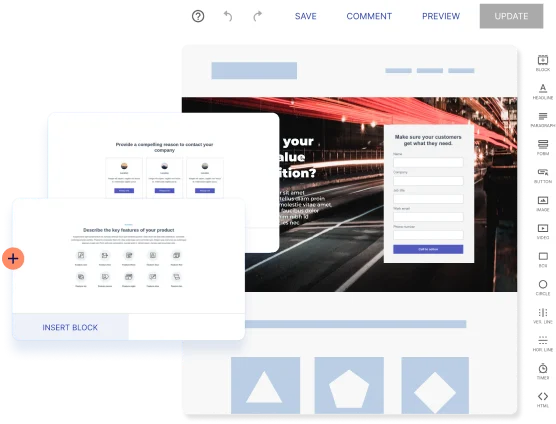
The modern recruitment landscape has shifted from a passive "post and pray" model to a high-stakes performance marketing environment where companies frequently spend upwards of $5 per click to drive traffic to job listings. However, a systemic inefficiency persists in the talent acquisition funnel: the disconnect between recruitment advertising and the final application. While organizations invest heavily in creative ad campaigns on platforms like LinkedIn, Indeed, and Meta, the majority of this paid traffic is directed toward generic corporate career sites. These sites, often cluttered with complex navigation and exhaustive lists of unrelated roles, lead to high bounce rates and significant budget waste. To rectify this, industry leaders are increasingly adopting dedicated recruitment landing pages designed with a singular focus on conversion.
The Economic Reality of Digital Recruitment Friction
In the current labor market, the cost of acquiring a qualified candidate has reached record highs. According to industry benchmarks, the average cost-per-click (CPC) for specialized roles can range from $2 to $15 depending on the sector. When a candidate clicks an ad for a specific position, such as a "Remote Software Engineer," and lands on a general career page, they are immediately met with cognitive overload. Research indicates that the average user decides within the first 0.05 seconds whether they will stay on a website. If the specific role mentioned in the ad is not immediately visible, or if the candidate is forced to navigate through multiple menus, the likelihood of abandonment increases exponentially.
Recruitment landing pages function as standalone entities removed from the main corporate site’s architecture. By stripping away navigation bars, secondary links, and "About Us" fluff, these pages guide the candidate toward one specific action: submitting an application. This streamlined approach addresses the "leaky bucket" phenomenon in HR tech, where qualified leads are lost due to technical and structural friction rather than a lack of interest in the role itself.
A Chronology of the Shift Toward Targeted Hiring
The evolution of recruitment technology has followed a distinct timeline, moving from broad visibility to hyper-personalized experiences.
- The Job Board Era (1990s–2010s): Early digital recruitment relied on massive repositories like Monster and CareerBuilder. The focus was on volume, with little attention paid to the user experience (UX) of the application process.
- The Social Media and Search Integration (2010s–2018): Platforms like LinkedIn and Indeed introduced "Easy Apply" features, signaling a market shift toward reducing friction. However, companies found they lacked control over the branding and data collection of these third-party tools.
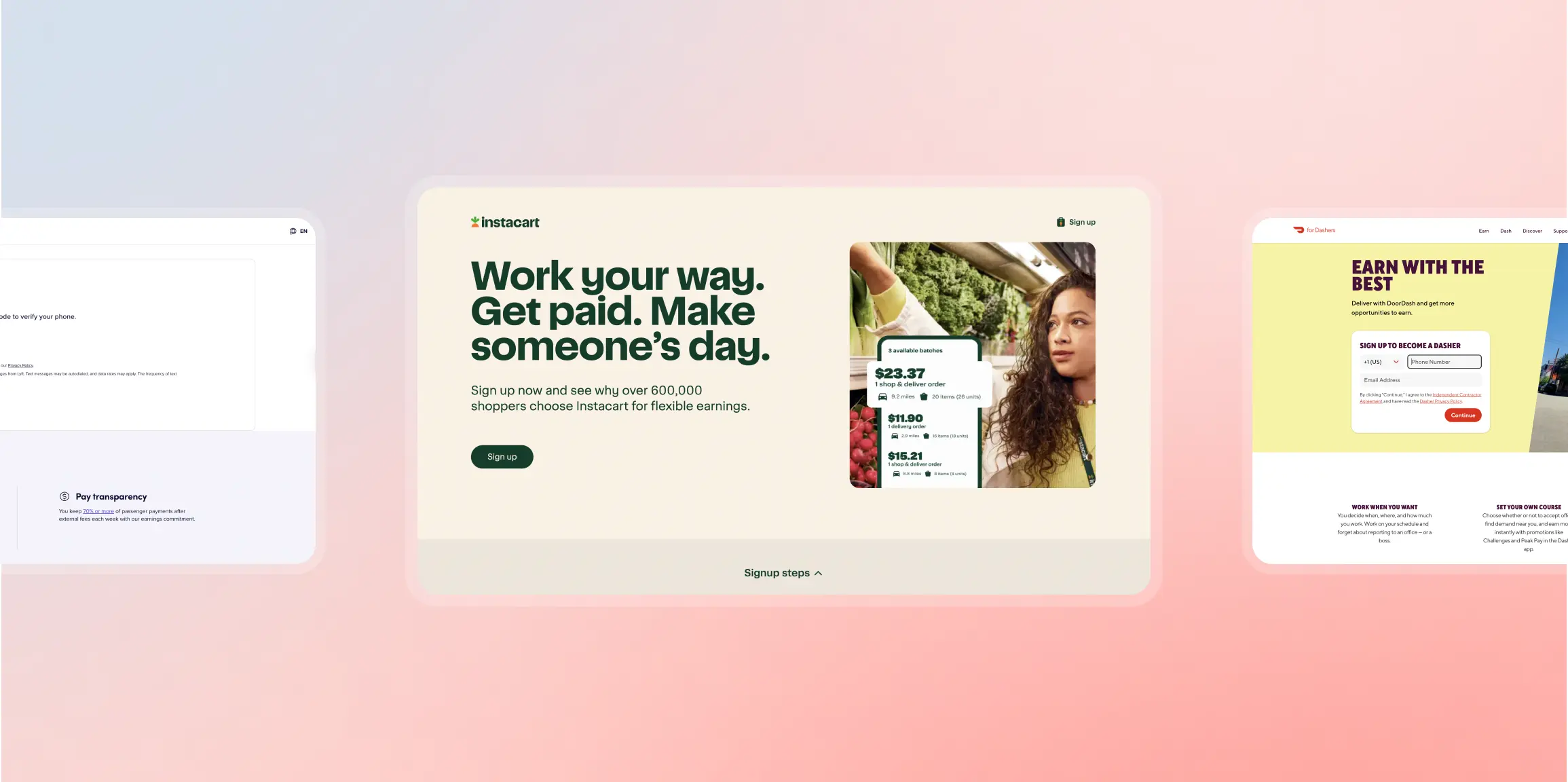
- The Rise of the Gig Economy (2018–Present): Companies like Uber, Lyft, and DoorDash pioneered the use of high-velocity recruitment landing pages. Because their business models depend on the constant onboarding of thousands of contractors, they could not afford the drop-off rates associated with traditional career sites.
- The Optimization Era (2020–Future): With the advent of A/B testing and AI-driven personalization, recruitment is now treated as a science. Talent acquisition teams are borrowing methodologies from e-commerce to treat candidates as customers.
Essential Components of High-Performing Recruitment Pages
To maximize the Return on Ad Spend (ROAS), recruitment landing pages must adhere to several technical and psychological principles.
Message Matching and Headline Alignment
The psychological principle of "message match" is the most critical factor in reducing bounce rates. If an advertisement promises a specific salary range and remote work flexibility, those exact details must be mirrored in the headline of the landing page. Discrepancies between the ad copy and the landing page create a "trust gap," leading candidates to believe the job is no longer available or was misrepresented.
The "Above the Fold" Rule
In digital marketing, "above the fold" refers to the content visible on a screen before a user scrolls. For recruitment, this section must include the job title, three to four high-value benefits (e.g., 401k matching, sign-on bonuses, or flexible scheduling), and a prominent Call to Action (CTA) button. Data from heat-mapping tools suggest that engagement drops by nearly 50% for every additional scroll required to find the "Apply" button.
Minimizing Application Friction
Application abandonment is a significant hurdle for HR departments. Statistics from the Society for Human Resource Management (SHRM) suggest that up to 60% of job seekers quit an application midway through because it was too long or complex. High-converting recruitment pages limit initial forms to three to five essential fields: name, email, phone number, and a resume upload. More complex data collection, such as work history or references, is increasingly being moved to a "second step" after the initial lead has been captured.
Social Proof and Trust Signals
In an era of "ghost jobs" and recruitment scams, candidates require validation that an opportunity is legitimate. Including employee testimonials with real photos, Glassdoor ratings, or industry awards serves as a psychological "trust signal." Analysis of conversion data shows that pages featuring peer testimonials can see a 15% to 20% uplift in completed applications compared to those without.
Sector Analysis: How Industry Leaders Scale Hiring
An examination of five major players in the gig and freelance economy reveals how specialized landing pages drive massive scale.
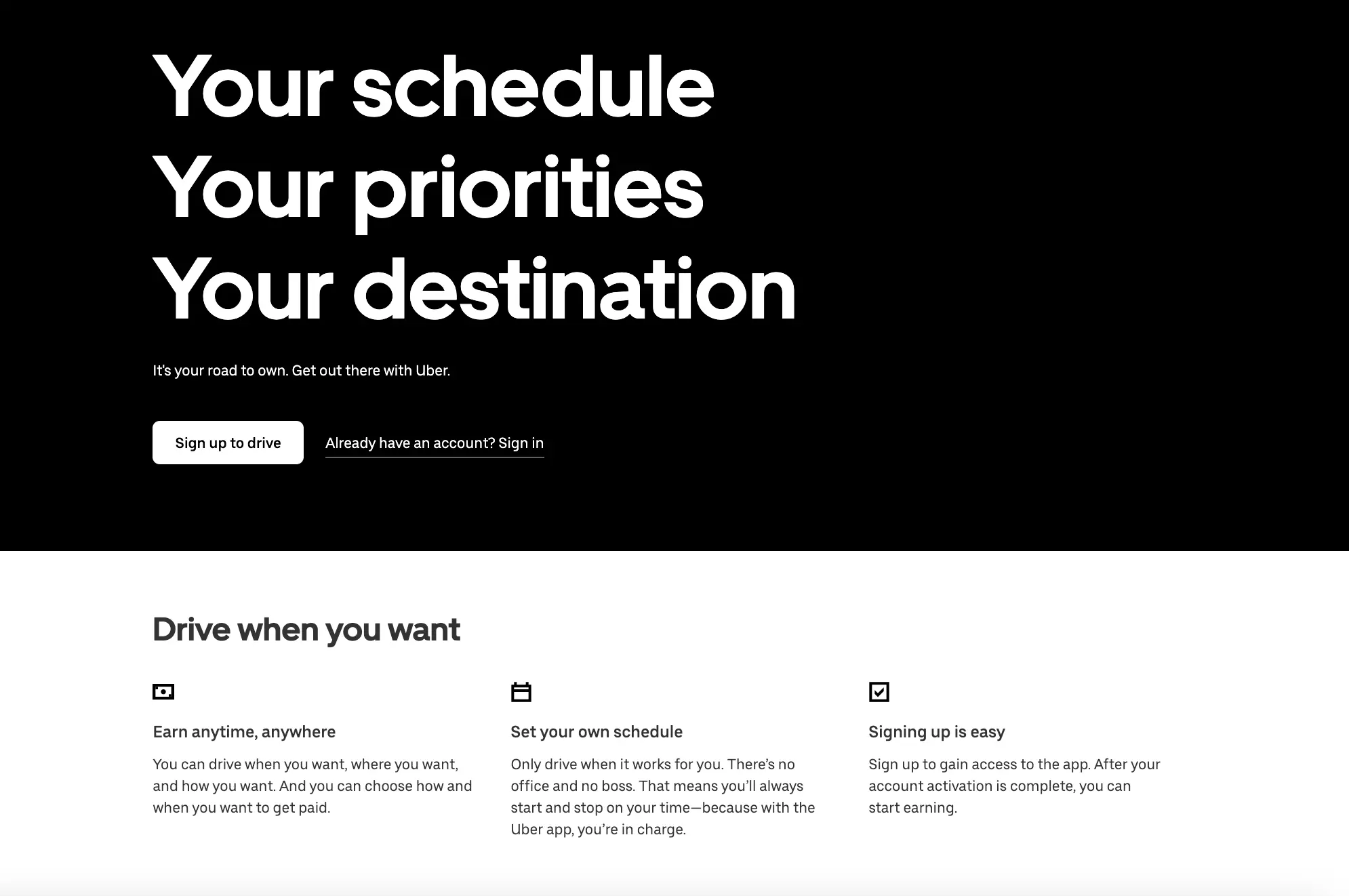
1. Uber: Uber’s driver recruitment page focuses on the immediate financial incentive. By using a "geo-aware" headline that mentions the specific city of the applicant, they create instant relevance. Their use of a simple, one-field start (email or phone) ensures the lead is captured before any complex background check information is requested.
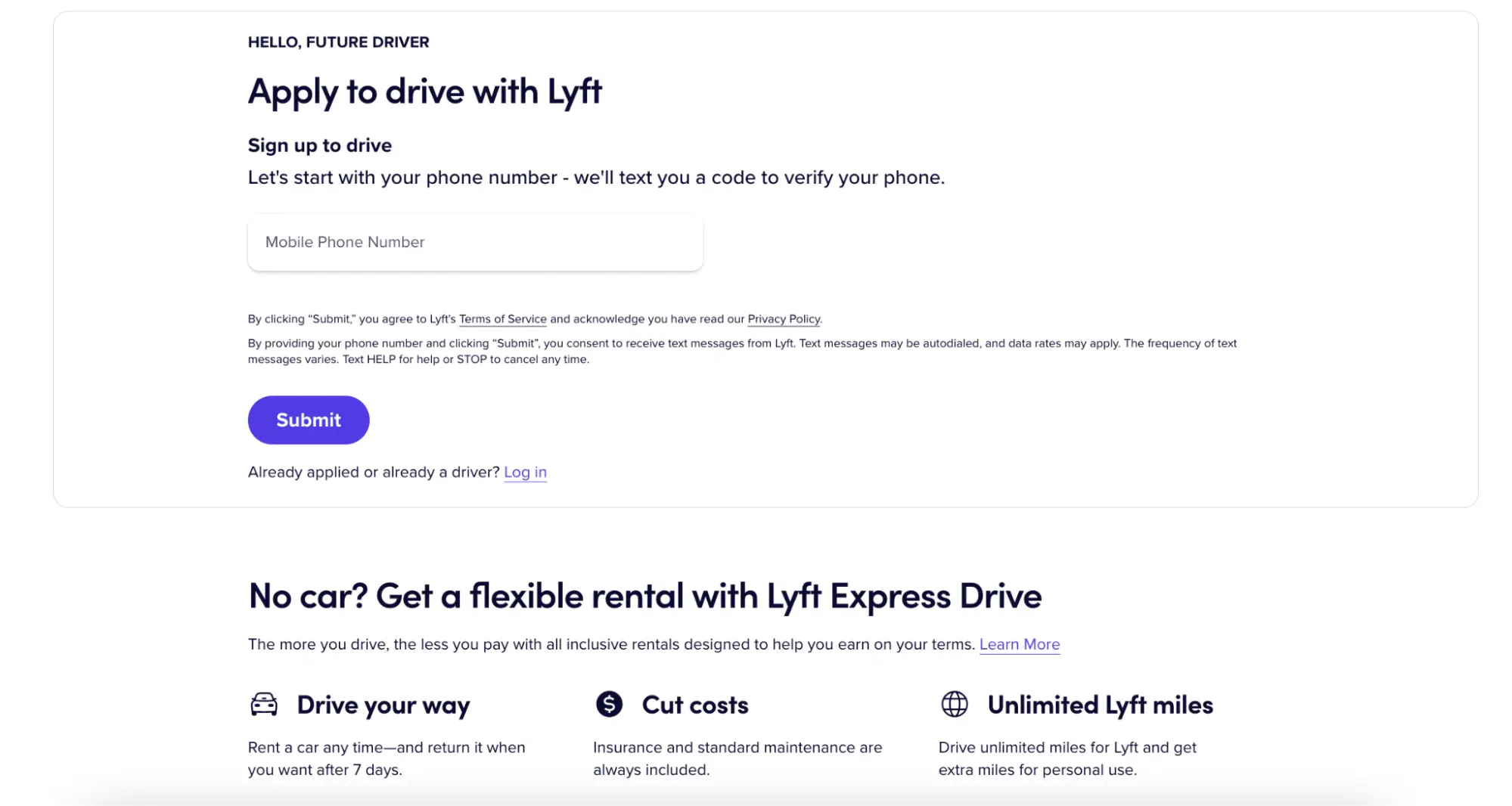
2. Lyft: Lyft emphasizes the "lifestyle" aspect of the role. Their landing pages often feature calculators that allow potential drivers to estimate earnings. This interactive element increases "time on page," which is a secondary indicator of candidate intent.
3. DoorDash: The "Dasher" signup page is optimized for mobile-first users. Recognizing that most of their target demographic applies via smartphone, DoorDash utilizes large buttons and minimal text, ensuring the page loads in under two seconds even on 4G networks.
4. Writers Work: As a freelance marketplace, this platform uses a "qualification" hook. By framing the application as a way to see if the candidate "qualifies" for high-paying gigs, they flip the script from a standard job hunt to an exclusive opportunity, increasing the perceived value of the platform.
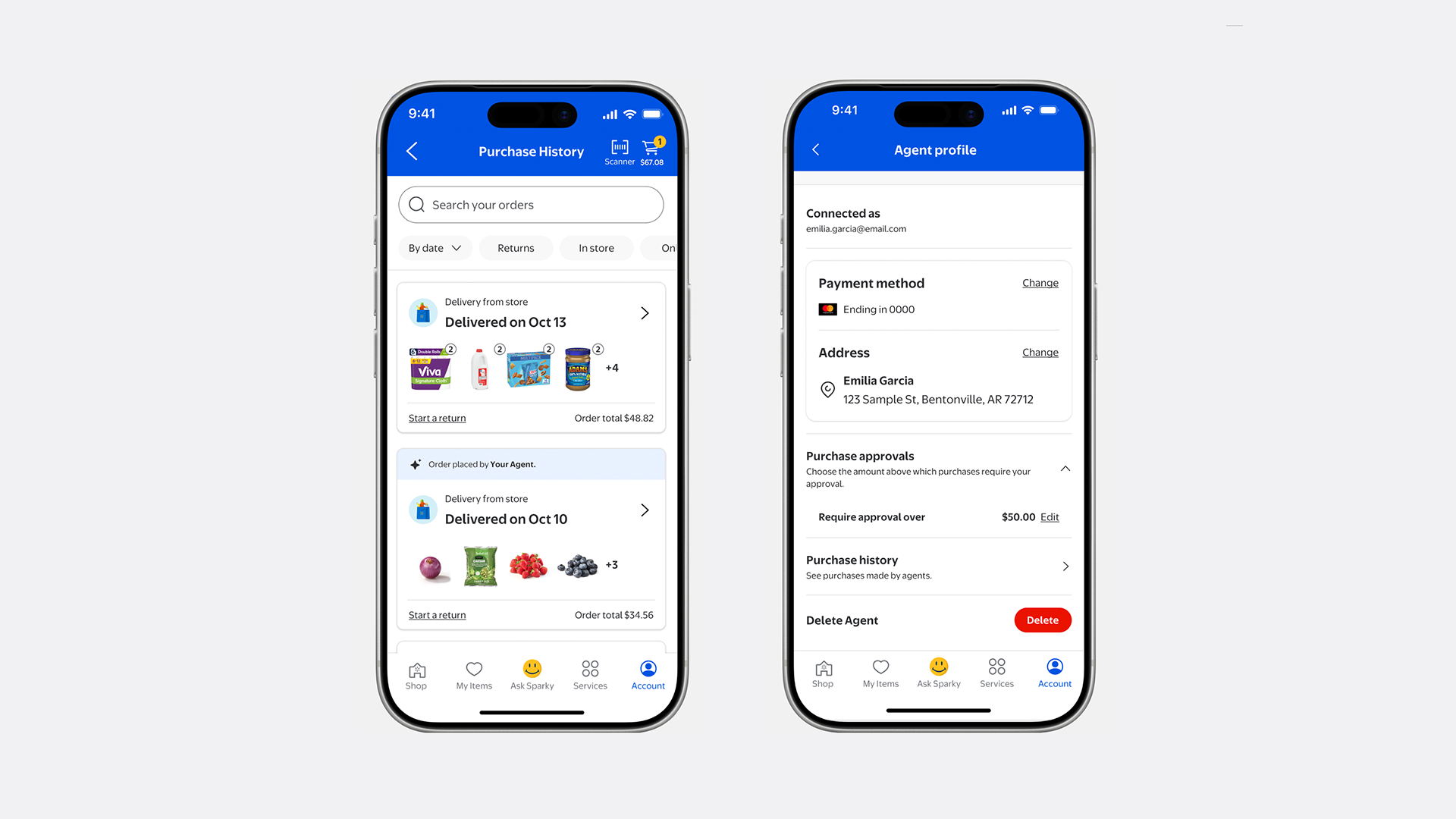
5. Instacart: Instacart utilizes high-quality imagery of shoppers in action to create a "day in the life" visualization. Their CTA buttons are often contrasting colors (such as bright green against a white background) to ensure there is no ambiguity about where the candidate should click.

Technical Infrastructure: Mobile Speed and A/B Testing
The technical performance of a recruitment page is as important as its copy. With over 70% of job searches now occurring on mobile devices, page speed is a primary ranking factor for both user experience and ad placement algorithms. Google’s research indicates that 53% of mobile visits are abandoned if a page takes longer than three seconds to load. Organizations are now utilizing Content Delivery Networks (CDNs) and image compression to ensure near-instantaneous load times.
Furthermore, the implementation of A/B testing—or split testing—has become a standard practice for sophisticated HR teams. By running two versions of a landing page simultaneously, recruiters can determine which headline, image, or CTA button yields a lower cost-per-applicant. For instance, a company might test whether a headline focusing on "Career Growth" performs better than one focusing on "Work-Life Balance." Over time, these marginal gains (even 1% to 2% improvements) can save an enterprise-level company hundreds of thousands of dollars in annual recruitment costs.
Implications for the Future of Talent Acquisition
The shift toward dedicated recruitment landing pages represents a broader professionalization of the Talent Acquisition (TA) function. No longer just an administrative wing of Human Resources, TA is increasingly operating like a marketing department, utilizing tools like Instapage, HubSpot, and Google Analytics to track the candidate journey from first touch to hire.
Industry analysts suggest that the next frontier will involve AI-driven personalization, where the landing page dynamically changes its content based on the candidate’s previous browsing history or professional background. For example, a candidate with a background in "FinTech" might see a landing page that highlights the company’s financial stability, while a "Creative" candidate might see a version that emphasizes the design culture.

Ultimately, the goal of these strategies is to respect the candidate’s time. By removing the obstacles of traditional career sites and providing a clear, fast, and trustworthy path to application, companies not only lower their costs but also improve their employer brand in a competitive global market. In a landscape where the best talent is often only "on the market" for a few days, the ability to convert an ad click into an application within seconds is no longer an advantage—it is a necessity.


 Asro
Asro
 Dwi Wanna