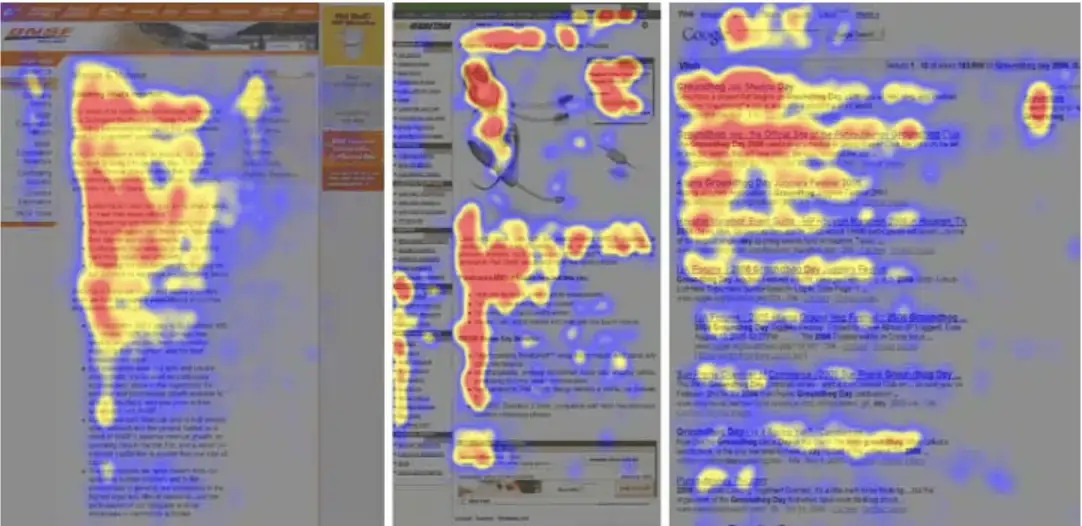
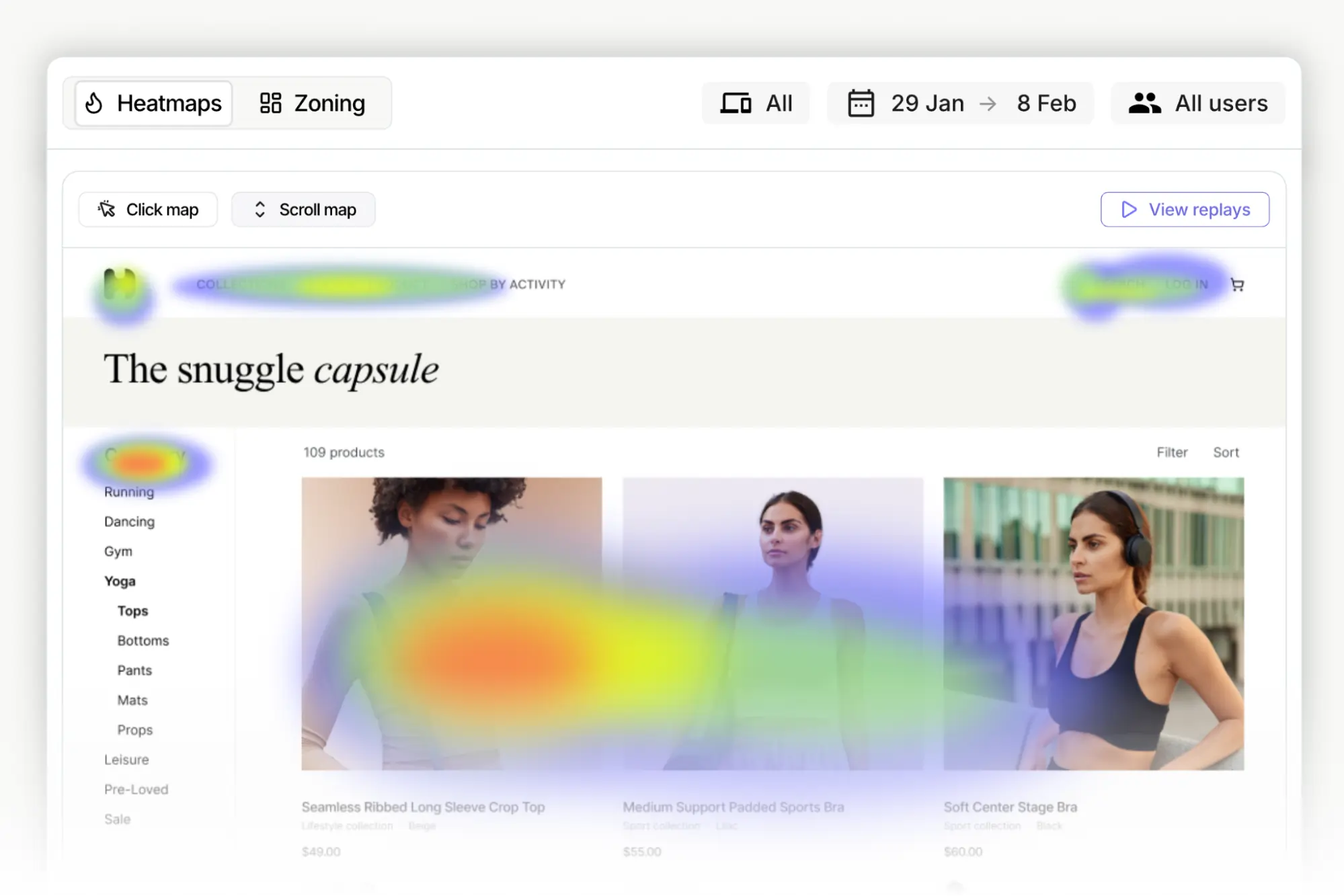
The global digital experience monitoring market has undergone a seismic shift as enterprises increasingly prioritize qualitative behavioral data over traditional quantitative metrics. As organizations move beyond simple page-view tracking, the demand for sophisticated heatmap tools has reached an all-time high, driven by the need to decode complex user journeys and mitigate friction in real-time. In the current competitive landscape, the ability to visualize how a user interacts with a digital interface—identifying where they linger, where they stumble, and where they exit—has become the cornerstone of modern Conversion Rate Optimization (CRO) and User Experience (UX) design.
The Technological Paradigm Shift in Behavioral Mapping
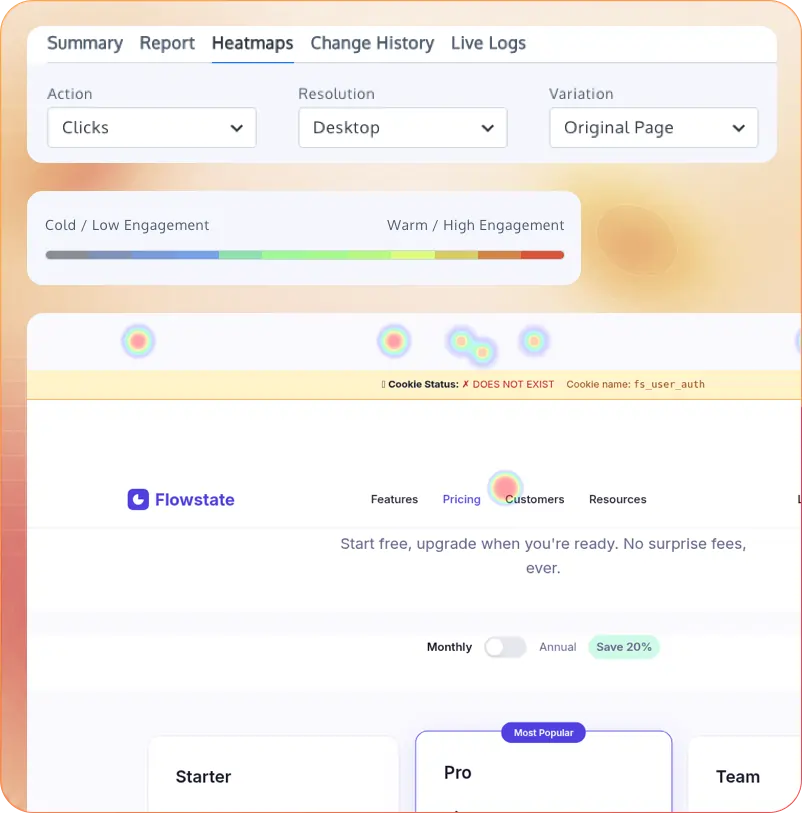
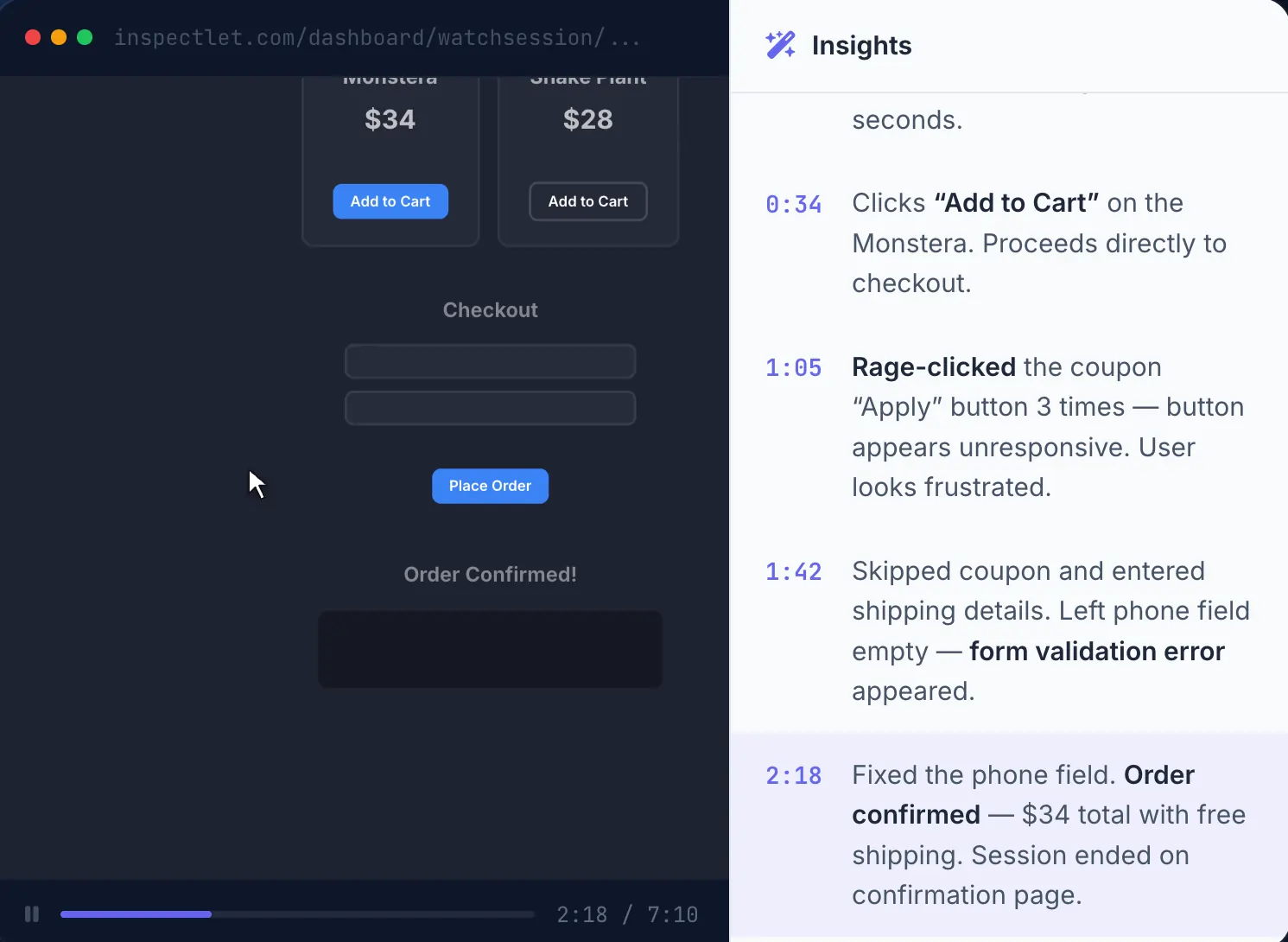
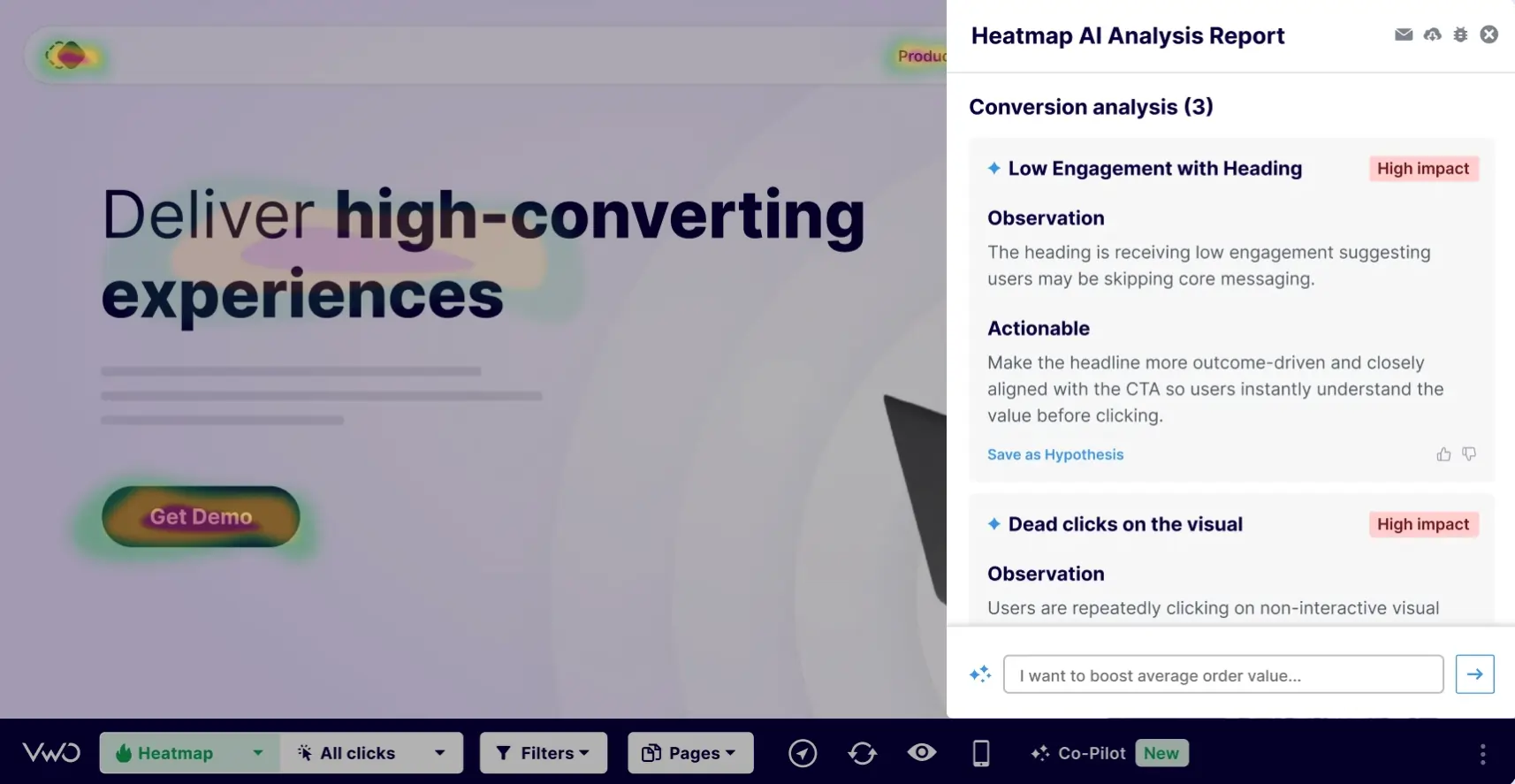
The evolution of heatmapping technology can be categorized into three distinct eras. The initial phase focused on basic click-tracking, providing static visualizations of where users interacted most frequently. The second phase introduced scroll maps and move maps, offering a deeper understanding of content engagement and attention spans. Today, the industry has entered a third phase defined by AI-integrated behavioral intelligence. Modern tools no longer just show "where" a user clicks; they utilize machine learning algorithms to detect "why" a user might be frustrated, surfacing patterns such as "rage clicks," "dead clicks," and "hesitation patterns."
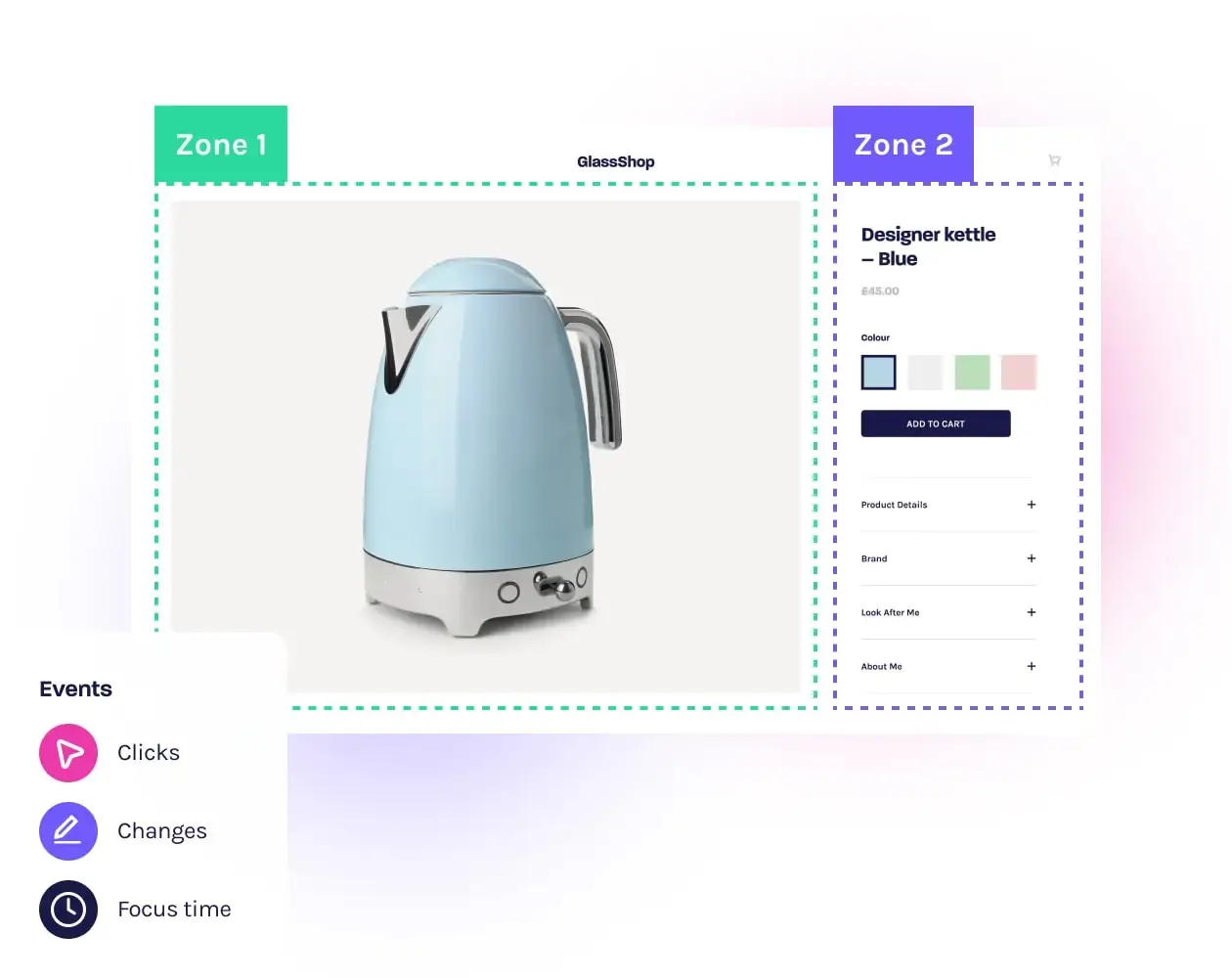
This technological advancement is largely a response to the increasing complexity of web architectures. With the rise of Single Page Applications (SPAs) and dynamic JavaScript-heavy environments, traditional static heatmaps often failed to capture the nuances of the user experience. The latest generation of tools utilizes dynamic DOM (Document Object Model) capturing to ensure that heatmaps remain accurate even as page elements shift or update without a full reload.

Comparative Analysis of Market Leaders and Specialized Solutions
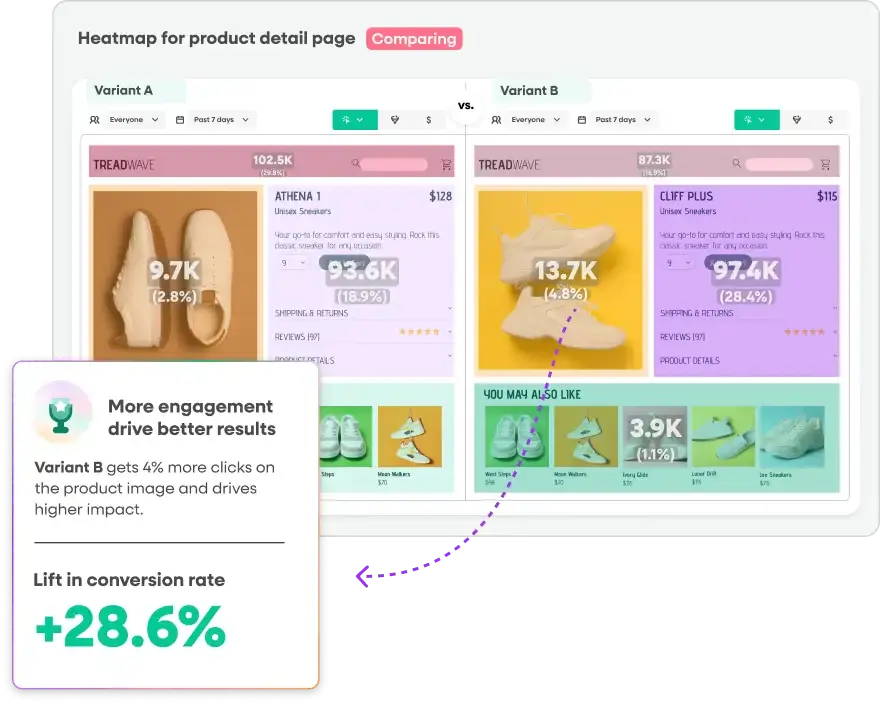
The current market is bifurcated between comprehensive experimentation suites and specialized behavioral analytics platforms. For organizations seeking a unified approach, Convert Experiences has emerged as a significant contender by integrating native heatmaps directly into its A/B testing environment. This integration allows testers to compare user behavior across different experiment variations without switching platforms, a feature increasingly sought after by high-velocity testing teams.
In the enterprise sector, Glassbox and Quantum Metric have established dominance by catering to complex conversion funnels and technical troubleshooting. Glassbox is noted for its automatic interaction capture, which removes the need for manual tagging, while Quantum Metric has gained traction through its "Felix AI" feature. This AI component summarizes user insights from thousands of session replays, effectively solving the "data overload" problem that has long plagued UX researchers.
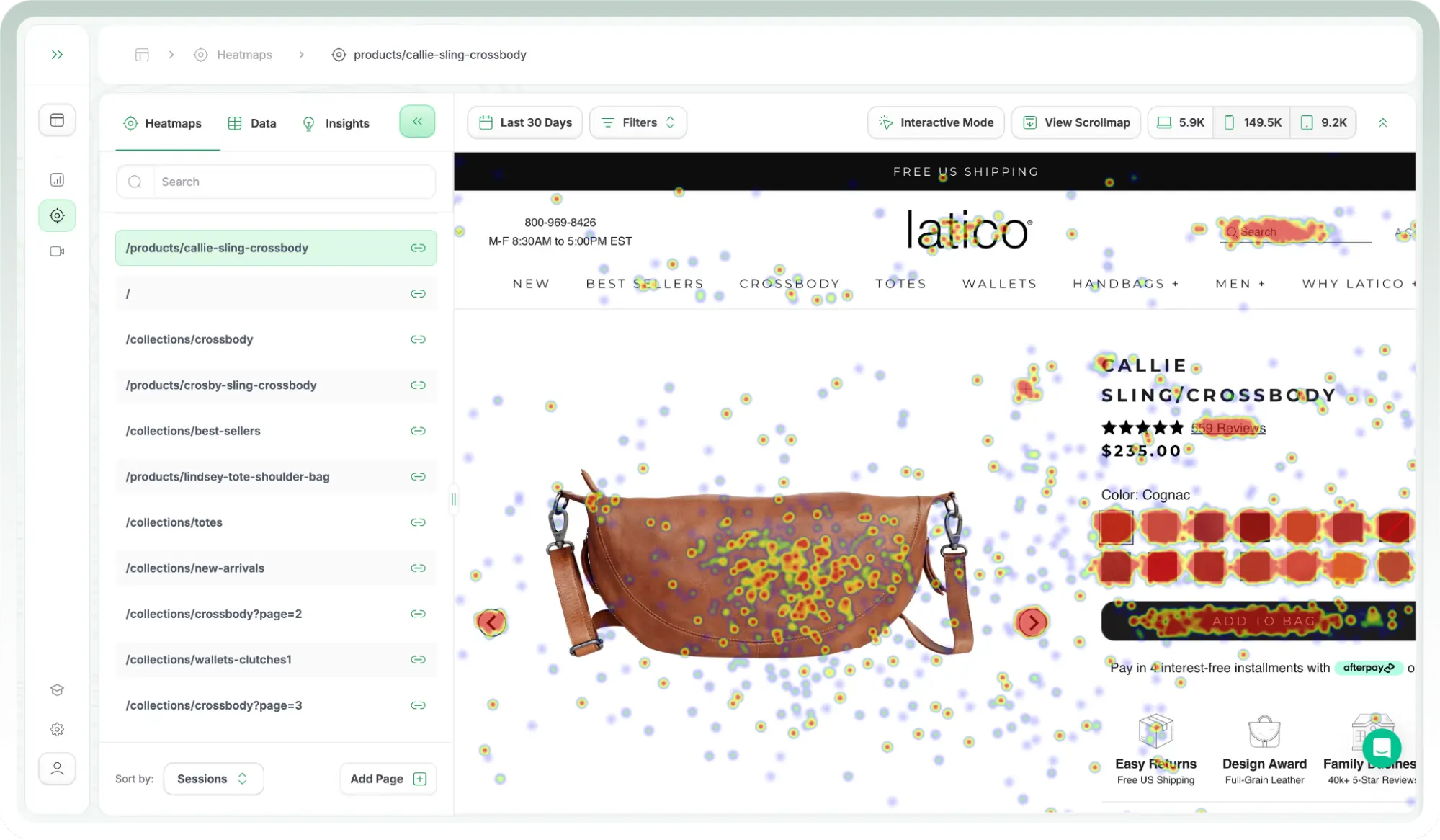
Conversely, the entry of Microsoft Clarity into the market several years ago disrupted the pricing models of established players. By offering a robust, free-forever plan that includes session recordings and heatmaps, Microsoft has made behavioral analytics accessible to small-to-medium enterprises (SMEs) that were previously priced out of the market. This move has forced competitors to differentiate through advanced features like revenue attribution and specialized e-commerce integrations.

Industry Consolidation: The Contentsquare and Hotjar Integration
A pivotal moment in the industry’s chronology occurred in mid-2025 with the full integration of Hotjar into the Contentsquare Group. This merger represented a consolidation of the mid-market and enterprise-level behavioral analytics sectors. By bringing Hotjar’s user-friendly feedback tools and heatmaps into the Contentsquare ecosystem, the group created a comprehensive stack that spans from simple surveys to complex data-science-driven experience analytics.
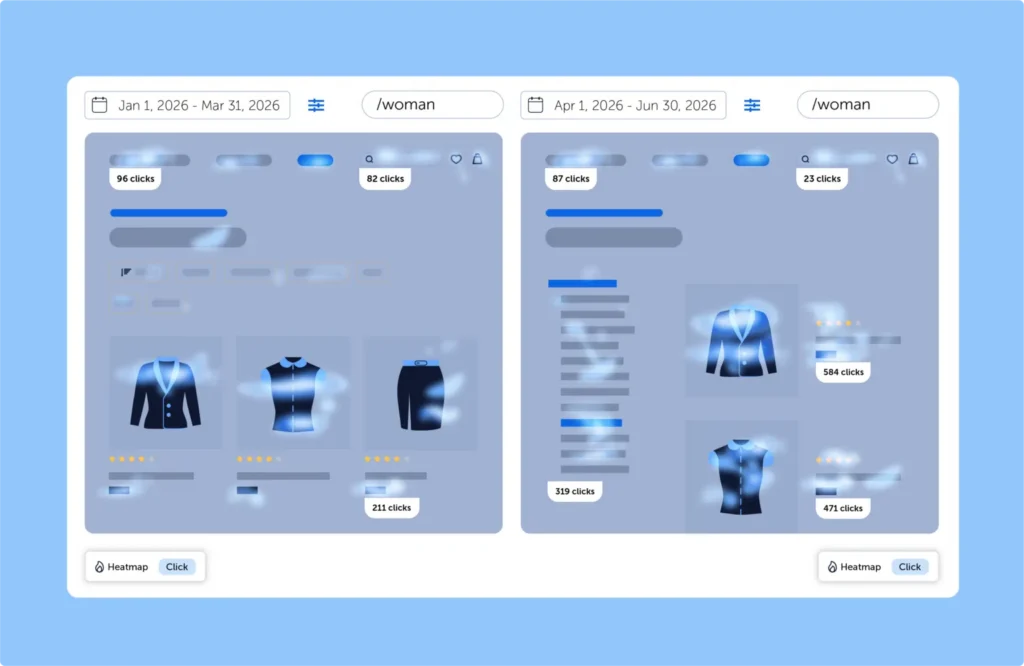
This consolidation reflects a broader trend: the convergence of "Voice of the Customer" (VoC) data with behavioral data. Industry analysts suggest that standalone heatmap tools are becoming less viable as marketers demand "all-in-one" platforms that can connect a user’s physical actions on a page to their stated preferences in a survey and their eventual impact on the bottom line.
Revenue-Centric Analytics for E-commerce
For the e-commerce and Direct-to-Consumer (DTC) sectors, the focus has shifted from engagement metrics to revenue attribution. Tools like Heatmap.com have pioneered the "Revenue Per Session" (RPS) metric within heatmaps. Unlike traditional tools that show click density, revenue-based heatmaps attribute actual dollar values to specific on-page elements. This allows merchandisers to see, for example, that while a "Related Products" carousel receives many clicks, a specific "Add to Cart" button on a hero image is responsible for a higher percentage of total revenue.
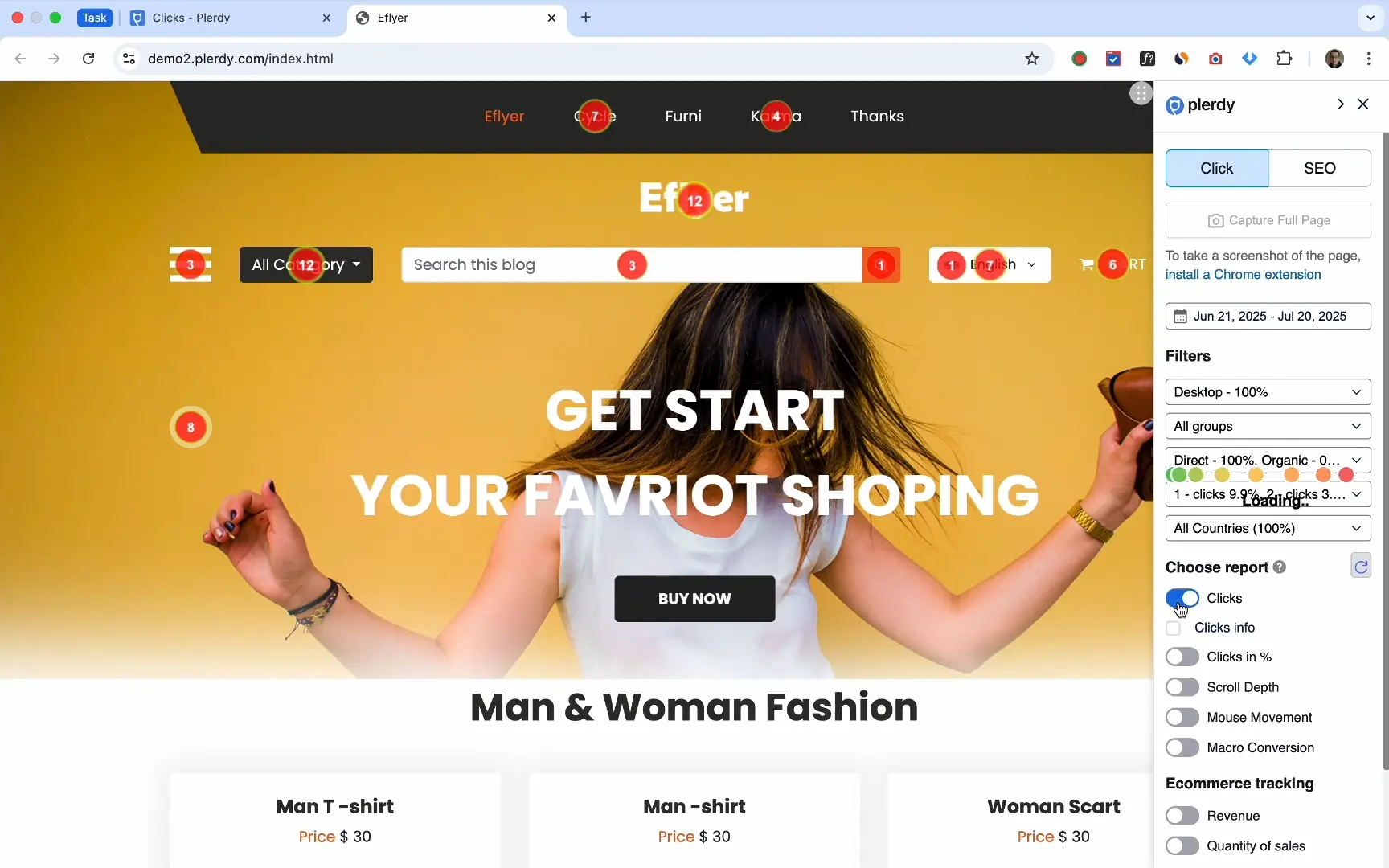
Similarly, Lucky Orange and Plerdy have focused on the e-commerce niche by offering features such as form analytics and real-time visitor dashboards. These tools allow store owners to diagnose exactly where a customer abandons a checkout form, providing the data necessary to reduce cart abandonment rates—a metric that continues to be the primary KPI for digital retailers.
The Role of AI in Eliminating Friction
The integration of "frustration detection" has become a standard requirement for competitive heatmap software. Features once considered advanced, such as rage click detection (where a user clicks repeatedly on a non-responsive element) and dead click analysis, are now foundational.
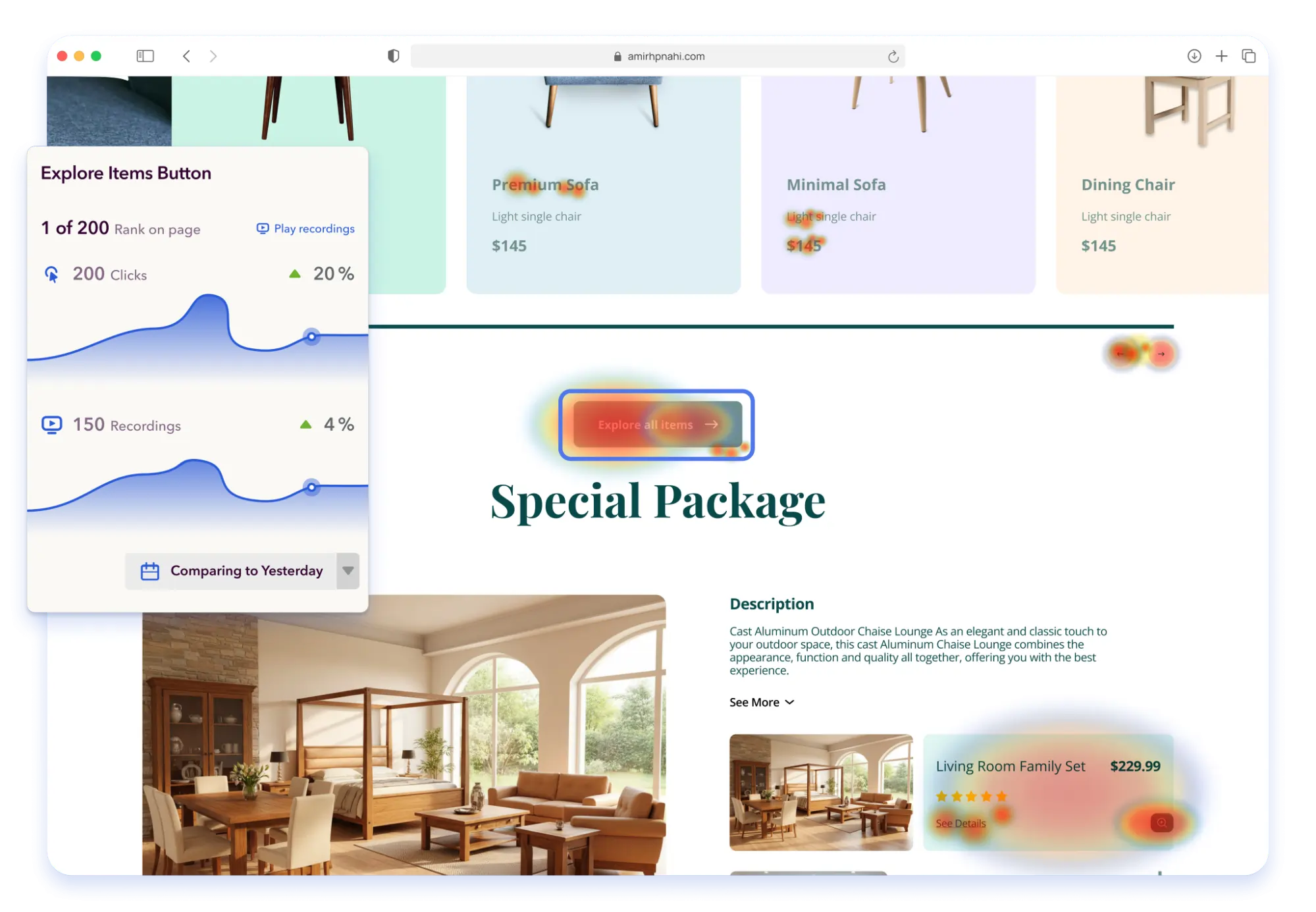
FullStory and Mouseflow have been at the forefront of this movement, developing proprietary algorithms that rank sessions based on "friction scores." This allows product managers to prioritize their workflow by focusing on the most problematic user sessions first. Instead of manually reviewing hundreds of hours of session recordings, teams can now use AI-filtered views to jump directly to the moments where the user experience breaks down.
Data Privacy and the Post-Cookie Era
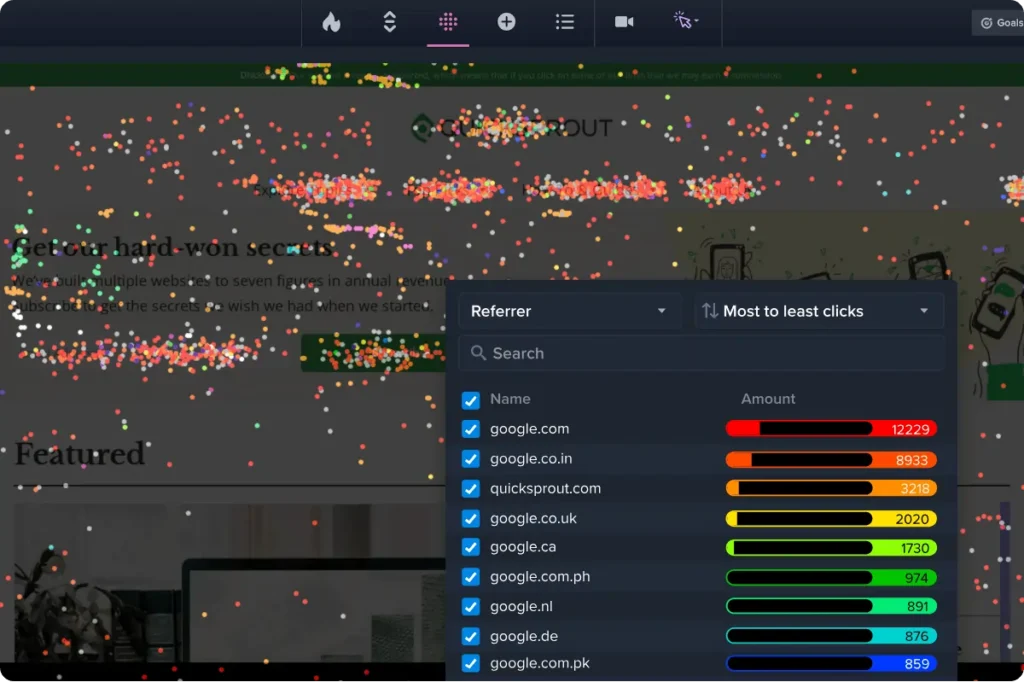
As global privacy regulations like GDPR, CCPA, and the emerging ePrivacy Directive become more stringent, heatmap vendors have had to re-engineer their data collection methods. The industry has moved toward "privacy by design," where Personally Identifiable Information (PII) is automatically masked at the browser level before data is ever transmitted to the server.
The decline of third-party cookies has also increased the strategic importance of first-party behavioral data. Because heatmaps and session recordings rely on first-party scripts to observe user interactions, they remain a reliable source of insight in an era where traditional tracking is becoming more restricted. This has led to increased investment in these tools as part of a broader "first-party data strategy" for major brands.
Economic Impact and Strategic Implementation
The economic case for implementing advanced heatmapping tools is substantiated by industry data suggesting that data-driven UX improvements can yield a significant Return on Investment (ROI). According to various industry benchmarks, companies that utilize behavioral analytics in their optimization programs see an average conversion rate increase of 15% to 25% compared to those relying solely on quantitative data.

However, the effectiveness of these tools is highly dependent on the organization’s ability to act on the data. Experts suggest that the "insight-to-action" gap remains the biggest hurdle for most teams. To address this, many modern platforms, including VWO Insights and Crazy Egg, have built-in A/B testing modules. This allows teams to identify a problem via a heatmap and immediately launch a corrective test variation within the same interface.

Future Outlook: Predictive Heatmapping
Looking toward the end of the decade, the industry is moving toward predictive heatmapping. By utilizing historical data from millions of user sessions, emerging AI models are beginning to predict how users will interact with a design before it is even published. This "pre-testing" capability could significantly reduce the cost of design iterations and allow brands to launch more optimized experiences from day one.

In conclusion, the heatmap tool market of 2025 is characterized by deep AI integration, a focus on revenue attribution, and a move toward consolidated digital experience platforms. Whether through the free accessibility of Microsoft Clarity or the enterprise-grade intelligence of Contentsquare and Quantum Metric, organizations now have the tools necessary to view their websites through the eyes of their customers. As the digital landscape continues to evolve, the winners will be those who can most effectively translate these visual behavioral insights into tangible improvements in the user journey.


 Asro
Asro
 Dwi Wanna