

The global digital advertising ecosystem is undergoing a fundamental shift as the traditional dominance of major platforms faces new scrutiny regarding Return on Ad Spend (ROAS). Recent data from an Instapage survey of 1,440 marketing professionals highlights a growing disconnect between platform popularity and actual financial performance. While 87% of marketers continue to utilize Google or Meta Ads as their primary channels, only 44% identify Google as their top-performing asset, and a mere 25% cite Facebook as their most profitable platform. This discrepancy suggests that while the reach of these "Big Tech" platforms remains unmatched, the efficiency of the conversion funnel is increasingly compromised by factors occurring after the initial user click.

The Economic Reality of Rising Acquisition Costs
The digital marketing landscape in 2026 is defined by two converging pressures: increasing costs and decreasing patience. Market analysis reveals that the average cost per lead (CPL) has seen a steady climb, rising from $66.69 in 2024 to $70.11 by 2025, with projections suggesting further inflation as competition for premium digital real estate intensifies.
Concurrent with rising costs is the technical demand for performance. Industry research indicates that a mere one-second delay in mobile landing page load times can result in a conversion reduction of up to 20%. For many brands, the current average mobile load time hovers around four seconds, meaning a significant portion of paid traffic is lost to bounce rates before the marketing message is even delivered. In an era where every click costs more, these technical inefficiencies represent a substantial drain on corporate marketing budgets.
A Chronology of Platform Evolution: 2024 to 2026
To understand the 2026 landscape, one must look at the technological and regulatory timeline that shaped it. Between 2024 and 2026, the industry moved through three distinct phases:
- The Privacy Pivot (2024): The widespread adoption of Apple’s App Tracking Transparency (ATT) and the initial phases of third-party cookie depreciation forced advertisers to move away from hyper-specific behavioral targeting toward broader, AI-driven audience modeling.
- The Automation Surge (2025): Platforms like Meta introduced Advantage+ and Google doubled down on Performance Max, removing manual controls in favor of algorithmic optimization. This leveled the playing field but also increased the cost of entry for smaller players.
- The Intent Integration Era (2026): Current strategies now prioritize "first-party data" and "post-click optimization." Marketers have realized that platform algorithms can find the audience, but they cannot force the conversion if the destination page is generic or slow.
The Foundational Giants: Google and Meta Ads
Despite the rise of new challengers, Google and Meta remain the bedrock of digital advertising due to their sophisticated targeting and massive user bases.
Google Ads and High-Intent Search
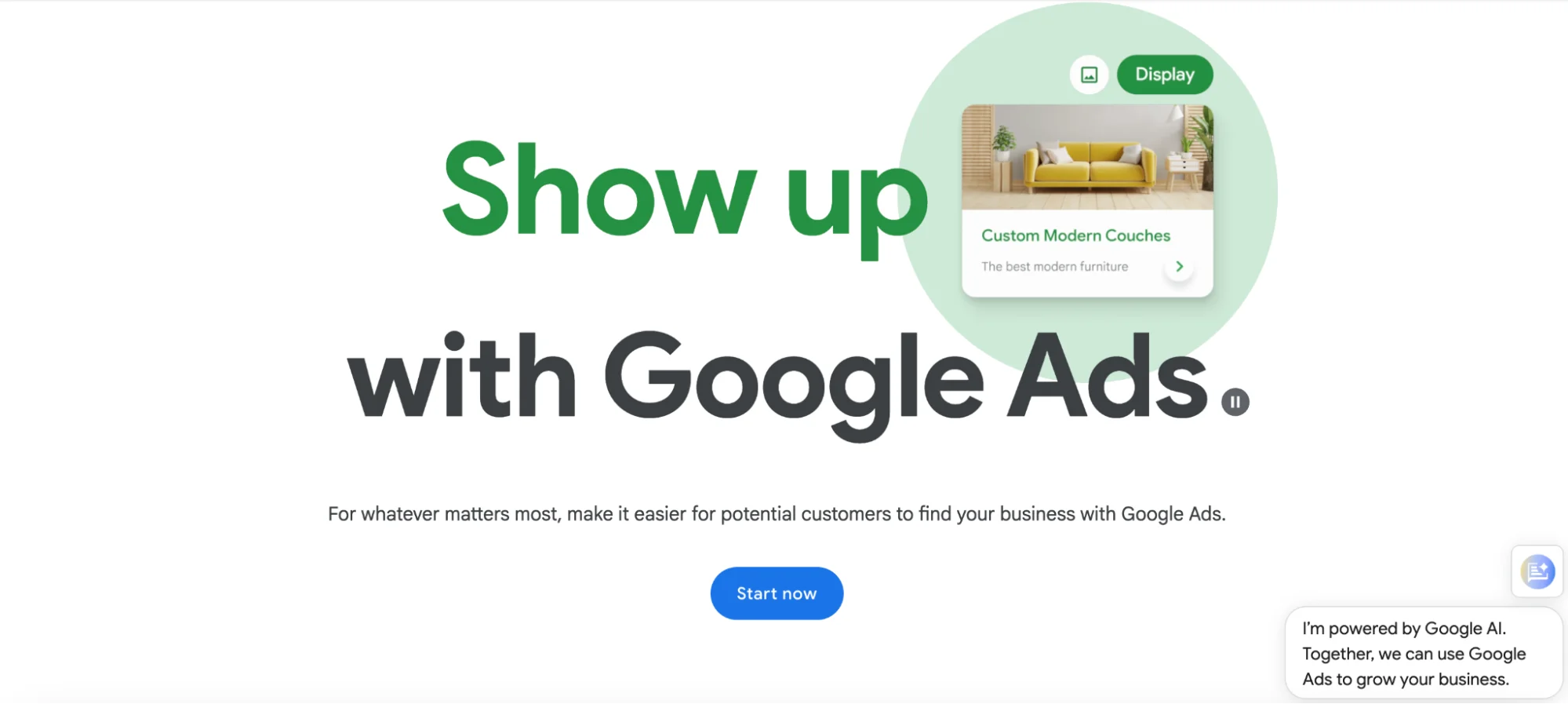
Google continues to capture over 90% of global search traffic. Its primary value proposition in 2026 remains its ability to capture "high-intent" users—those actively seeking a solution. The platform’s reliance on Quality Score rewards advertisers who maintain high relevance between their keywords, ad copy, and landing pages. However, the rising CPC (Cost Per Click) in search has pushed many brands to diversify into the Google Display Network and YouTube, where top-of-funnel awareness can be built at a lower immediate cost.
Meta Ads: Social Discovery and Automation
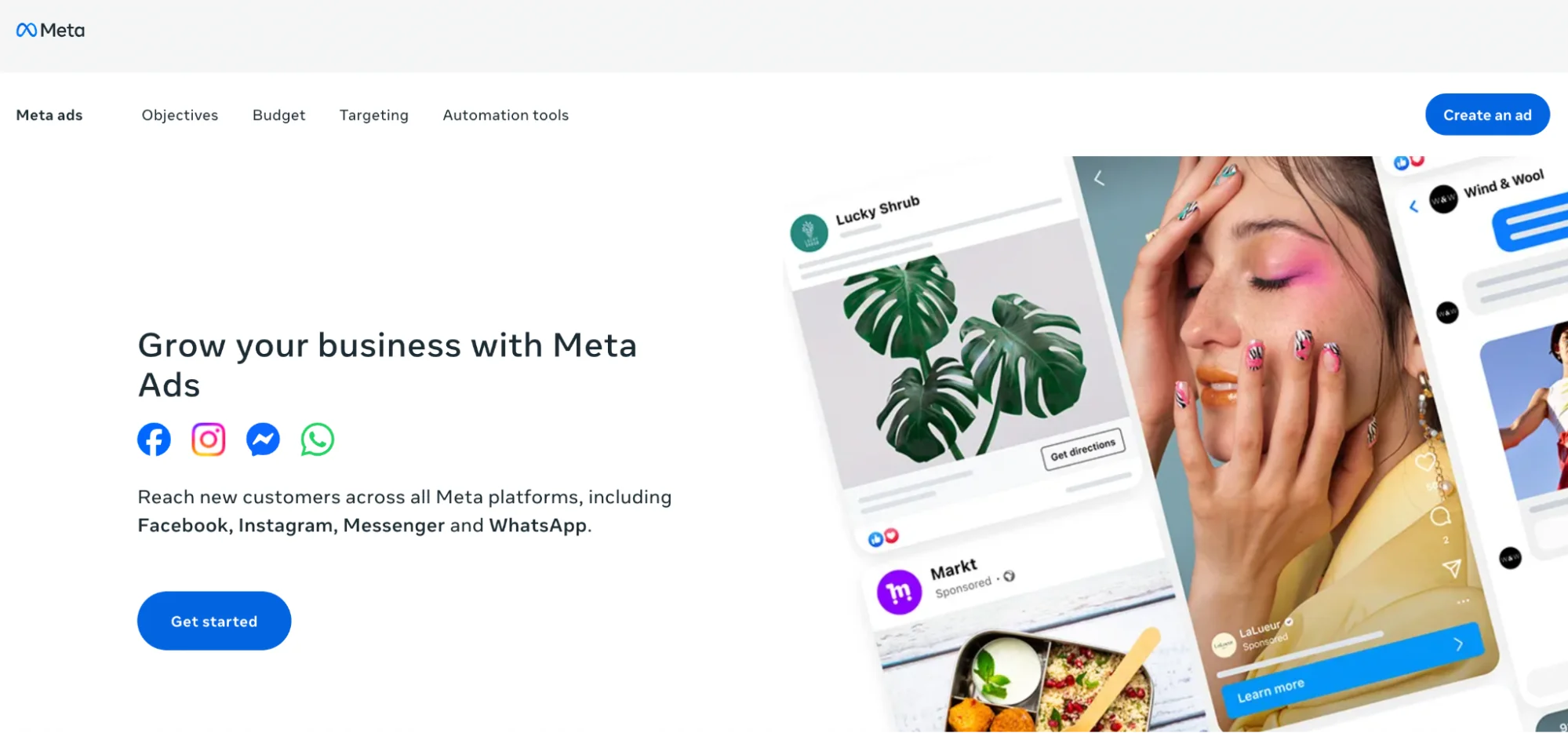
Meta, encompassing Facebook and Instagram, has transitioned into a discovery engine. While only 9% of marketers report Instagram as their top-performing platform despite 80% usage, its role in the "discovery-to-purchase" journey is vital. The platform’s strength now lies in its creative-led targeting. Since the decline of pixel tracking accuracy, the ad creative itself has become the primary targeting tool, with the algorithm serving ads to users who engage most with specific visual styles and messaging.
The Rise of TikTok and Emerging Alternatives
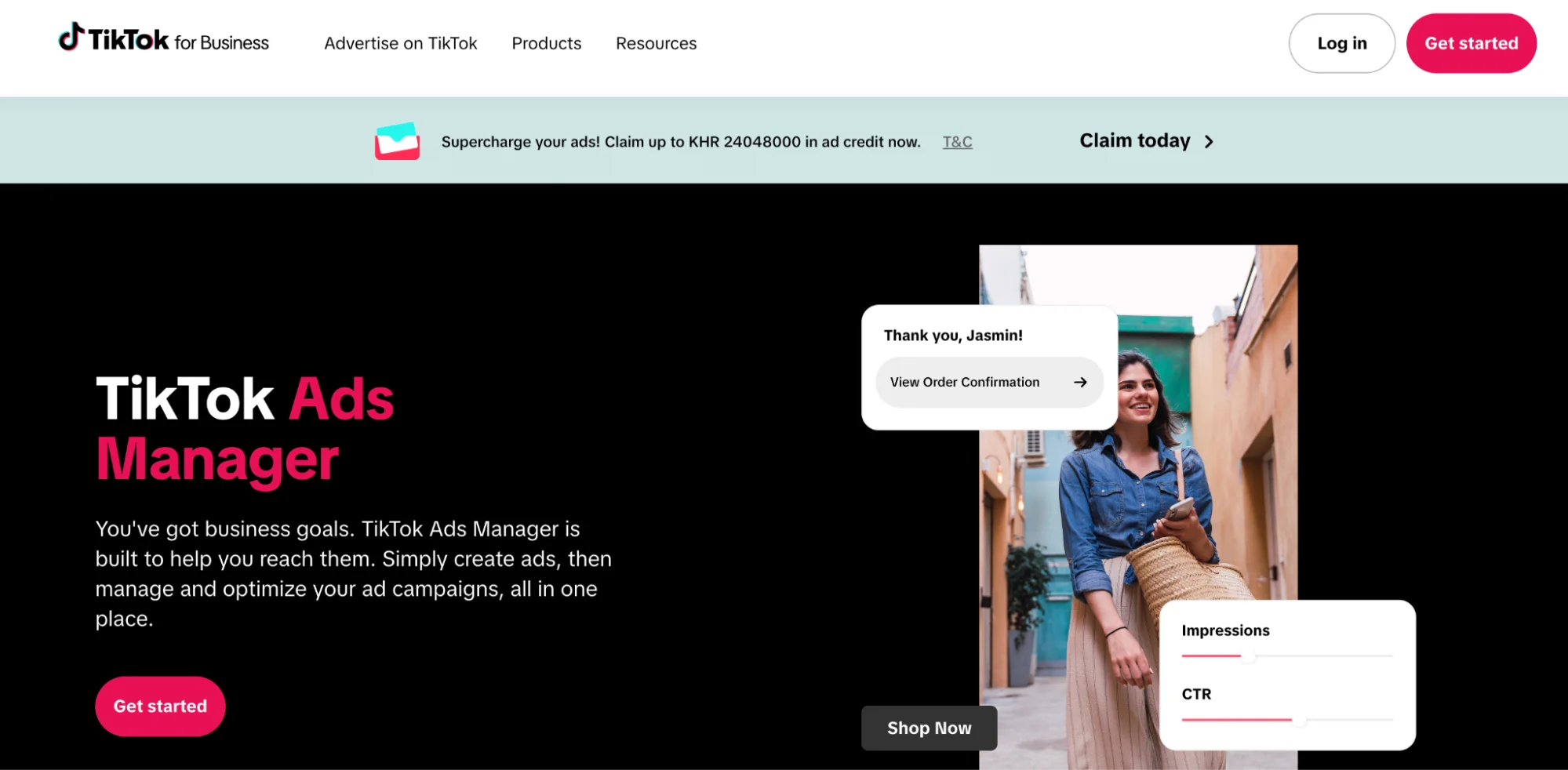
The most significant trend in the 2026 outlook is the rapid adoption of TikTok. Survey data shows that 25% of marketers plan to integrate TikTok into their mix this year. Unlike the search-based intent of Google or the social-graph intent of Meta, TikTok operates on an "entertainment-based" algorithm. This allows newer brands to achieve viral reach without the historical data requirements of older platforms.
Microsoft Advertising (Bing)
Often overlooked, Microsoft Advertising has emerged as a strategic alternative for B2B and high-income demographic targeting. With a global search share still under 10%, it offers a competitive advantage through lower saturation. Research suggests that Microsoft’s CPCs can be 30% to 50% lower than Google’s for identical keywords. Furthermore, the ability to import campaigns directly from Google Ads has made it a low-friction expansion choice for budget-conscious marketers.
The B2B Dominance of LinkedIn
For the enterprise sector, LinkedIn Ads remains the gold standard. Despite having the highest average CPC in the industry, its ability to target by job title, company size, and industry seniority provides a level of lead quality that consumer-focused platforms cannot replicate. In 2026, the trend on LinkedIn has shifted toward "Thought Leadership Ads," which promote native content to build trust before asking for a conversion.
Broader Industry Impact: The Privacy and Compliance Mandate
The advertising landscape of 2026 is inextricably linked to global privacy regulations. With Google Chrome finally phasing out third-party cookies and browsers like Safari and Firefox blocking them by default, the industry has moved toward a "First-Party Data" economy.
Regulatory frameworks such as the GDPR in Europe, CCPA in California, PIPEDA in Canada, and LGPD in Brazil now dictate how data is collected. For advertisers, this means that the landing page is no longer just a sales tool; it is a critical data collection point. The implementation of Consent Management Platforms (CMPs) is now a mandatory component of any ad campaign. Failure to document user consent not only risks legal penalties but also renders ad platform tracking pixels unreliable, leading to a "black hole" in attribution modeling.
Strategic Analysis: The Post-Click Profitability Gap
The most critical finding for 2026 is that ROAS is increasingly determined after the click occurs. Marketers are identifying "Message Mismatch" as the primary killer of conversion rates. This occurs when an ad promises a specific benefit, but the landing page provides a generic overview.
The Cost of Generic Destinations
Many brands still make the error of sending paid traffic to their homepage. In a professional newsroom analysis of digital performance, homepages are categorized as "high-friction" environments. They contain multiple navigation links, various competing calls to action (CTAs), and general information that dilutes the specific intent of the visitor. In contrast, dedicated landing pages—stripped of navigation and focused on a single offer—typically see conversion rates of 16%, compared to the 2-4% industry average for generic website pages.
Speed as a Competitive Advantage
In the 2026 market, technical performance is a marketing feature. As mobile traffic accounts for over 60% of all ad clicks, the infrastructure of the landing page must be optimized for "Core Web Vitals." Advertisers who invest in server-side tracking and lightweight page architecture are seeing a direct correlation with lower acquisition costs.
Conclusion and Future Outlook
As we move through 2026, the definition of a successful online advertising strategy has evolved from "buying clicks" to "managing experiences." The dominant platforms provide the audience, but the advertiser must provide the relevance. The transition toward TikTok, the resurgence of Microsoft Advertising, and the specialized utility of LinkedIn and Pinterest reflect a maturing market where diversification is the only hedge against rising costs on Google and Meta.
The broader implication for businesses is clear: the era of "set it and forget it" advertising is over. Success in the current climate requires a rigorous discipline of experimentation, a commitment to privacy compliance, and, most importantly, an obsession with the post-click experience. Those who bridge the gap between the ad and the landing page will find profitability, while those who rely solely on platform algorithms will continue to see their margins eroded by the rising tide of digital competition.







