

Adalysis, a recognized leader in award-winning Pay-Per-Click (PPC) management software, has embarked on an extensive content initiative aimed at educating digital marketing professionals on the critical nuances of PPC Key Performance Indicator (KPI) monitoring. The series, developed and published over several months, delves deep into the complexities of tracking, analyzing, and understanding the performance of paid advertising campaigns. This initiative underscores Adalysis’s commitment to providing actionable insights and empowering its audience with the knowledge to optimize their PPC strategies for enhanced return on investment (ROI).
The Genesis of a Deep Dive into PPC Performance
The impetus for this comprehensive series stems from a perceived gap in readily accessible, in-depth resources that address the practical challenges faced by PPC managers. In the dynamic landscape of digital advertising, where campaign performance can fluctuate significantly due to a multitude of factors, the ability to accurately monitor and interpret KPIs is paramount. Adalysis, through its proprietary software and its team of industry experts, recognized the need for a structured and detailed exploration of these critical metrics.
The series, which has garnered significant readership and positive engagement since its inception, covers a broad spectrum of PPC-related topics. It is designed to be a go-to resource for both seasoned professionals seeking to refine their expertise and newcomers looking to build a solid foundational understanding of PPC analytics. The content is meticulously crafted to be both informative and practical, offering readers not just theoretical knowledge but also tangible strategies they can implement in their own campaigns.
A Structured Approach to Understanding PPC KPIs
The Adalysis blog has been the primary platform for this content rollout. The series adopts a systematic approach, breaking down the complex subject of PPC KPI monitoring into digestible modules. While the original announcement did not detail a specific chronological list of topics covered in the early stages, the progression of the series indicates a deliberate movement from foundational concepts to more advanced analytical techniques.
The overarching goal of the series is to equip advertisers with the tools and understanding necessary to move beyond simply observing metrics to actively diagnosing performance issues and identifying opportunities for improvement. This involves understanding not just what the numbers mean, but why they are changing, and what actions can be taken in response.

Unpacking the Core of PPC KPI Monitoring
At its heart, PPC KPI monitoring is about understanding the health and effectiveness of paid advertising campaigns. This involves tracking a variety of metrics that provide insights into different aspects of campaign performance. Key KPIs typically include:
- Click-Through Rate (CTR): The percentage of users who click on an ad after seeing it. A higher CTR generally indicates that the ad is relevant and appealing to the target audience.
- Cost Per Click (CPC): The average amount paid for each click on an ad. This is a crucial metric for managing budget and understanding campaign efficiency.
- Conversion Rate: The percentage of clicks that result in a desired action, such as a purchase, lead submission, or download. This is often considered one of the most important KPIs as it directly relates to business objectives.
- Cost Per Acquisition (CPA) or Cost Per Conversion: The average cost incurred to acquire a customer or achieve a specific conversion. This metric ties advertising spend directly to revenue-generating outcomes.
- Return on Ad Spend (ROAS): The revenue generated for every dollar spent on advertising. This is a key indicator of profitability.
- Impressions: The number of times an ad is displayed. This helps gauge the reach of a campaign.
- Clicks: The number of times an ad is clicked. This is a direct measure of user engagement with the ad.
- Average Position: The typical ranking of an ad on the search results page. A higher position often leads to more visibility and clicks, but can also be more expensive.
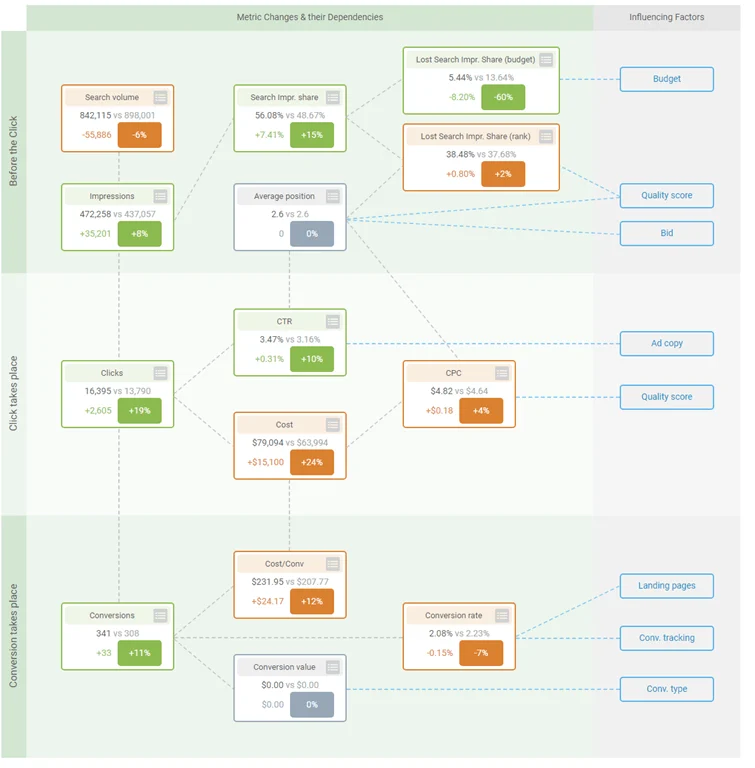
The Adalysis series aims to go beyond the mere reporting of these figures. It delves into the interconnectedness of these KPIs and how changes in one can impact others. For instance, a sudden drop in CTR might be linked to a shift in ad position, changes in search query volume, or increased competition. Understanding these relationships is vital for effective troubleshooting and optimization.
A Glimpse into the Series’ Depth: Visual Evidence
To illustrate the comprehensive nature of their content, Adalysis has provided visual excerpts from the series. These images, which showcase data visualizations and analytical interfaces, offer a tangible preview of the in-depth analysis presented. While the specific data within these images is illustrative, they point towards:
- Detailed Performance Dashboards: The visuals suggest the presentation of intricate dashboards that consolidate various performance metrics, allowing for a holistic view of campaign health.
- Trend Analysis: Charts and graphs likely depict historical performance data, enabling readers to identify trends, patterns, and anomalies over time. This is crucial for understanding the impact of seasonality, market shifts, or campaign adjustments.
- Diagnostic Tools: The inclusion of screenshots hints at the exploration of diagnostic tools and methodologies that help advertisers pinpoint the root causes of performance fluctuations. This moves beyond simply noticing a change to understanding why it’s happening.
- Data Segmentation and Filtering: The visual elements suggest that the series will cover techniques for segmenting data by various dimensions (e.g., device, location, audience, time of day) to gain granular insights and identify specific areas for optimization.
The Unfolding Narrative: Upcoming Topics and Future Implications
The series is not a static collection of articles but an evolving narrative designed to address the ongoing challenges in PPC management. A specific upcoming topic highlighted is: “KPI Monitoring & Diagnosis: Why Does the Number of Clicks You Receive Change Over Time?” This particular focus underscores the series’ commitment to tackling common and often perplexing issues faced by advertisers.
The question of fluctuating click volumes is a perennial concern. Potential drivers for such changes, which the Adalysis series is likely to explore, include:
- Seasonal Trends: Demand for certain products or services naturally fluctuates throughout the year.
- Competitive Landscape: New competitors entering the market, or existing competitors increasing their ad spend, can significantly impact click volume.
- Algorithm Changes: Search engine algorithms are constantly updated, which can affect ad visibility and performance.
- Budget Allocation: Changes in daily or campaign budgets can directly influence how often ads are shown and, consequently, how many clicks they receive.
- Targeting Adjustments: Modifications to audience targeting, keyword selections, or geographical focus can alter the pool of potential clicks.
- Ad Copy and Creative Updates: New ad variations or landing page experiences can either boost or diminish user engagement.
- Search Query Volume: The overall interest in specific keywords or topics can increase or decrease, directly affecting the number of available clicks.
- Device Performance: Users’ behavior can differ across desktop, mobile, and tablet devices, impacting click patterns.
- Time of Day and Day of Week: Advertising effectiveness can vary significantly depending on when ads are shown.
By dedicating a specific article to this topic, Adalysis signals its intent to provide readers with a structured framework for analyzing these variables and developing proactive strategies to manage them.

Accessibility and Engagement: Ensuring Broad Reach
Adalysis has made the entire series readily accessible through a dedicated category on their blog: https://adalysis.com/blog/category/ppc-management/performance-analyzer/. This centralized location allows interested parties to easily navigate and consume the content. Furthermore, for those who wish to stay updated on all future publications and insights from Adalysis, a subscription option to their blog is available at https://adalysis.com/subscribe-to-adalysis-blog/.
This commitment to accessibility and ongoing engagement highlights Adalysis’s role not just as a software provider but as a thought leader and educator within the digital marketing ecosystem. By investing in comprehensive content creation, the company aims to foster a more informed and capable community of PPC professionals.
Broader Implications for the Digital Advertising Industry
The Adalysis series on PPC KPI monitoring carries significant implications for the broader digital advertising industry. In an era where data-driven decision-making is paramount, the ability to effectively interpret and act upon performance metrics is a key differentiator for success.
- Enhanced Campaign Efficiency: By providing clear guidance on KPI monitoring, Adalysis empowers advertisers to identify inefficiencies, reduce wasted spend, and allocate budgets more effectively. This can lead to improved ROAS and a stronger bottom line.
- Democratization of Advanced Analytics: The series aims to break down complex analytical concepts, making advanced PPC management accessible to a wider range of businesses, including small and medium-sized enterprises (SMEs) that may not have dedicated analytics teams.
- Proactive Performance Management: The emphasis on diagnosis rather than just reporting encourages a shift towards proactive campaign management. Instead of reacting to poor performance, advertisers can anticipate issues and implement preventative measures.
- Industry Standards and Best Practices: As a prominent player in the PPC software market, Adalysis’s content can help shape industry standards and promote best practices for KPI monitoring and analysis.
- Innovation in PPC Tools: The insights gained from such content initiatives can also inform the development of new features and functionalities within PPC management software, driving innovation in the tools available to marketers.
The success of this series, as evidenced by its readership, suggests a strong demand for practical, actionable knowledge in the field of PPC. Adalysis’s initiative represents a significant contribution to the ongoing education and professional development of digital marketers worldwide, reinforcing the company’s position as a valuable resource in the ever-evolving landscape of online advertising. The continuation of such in-depth series by industry leaders is crucial for the sustained growth and effectiveness of digital marketing strategies globally.









