For email marketers globally, the perennial question of "What’s the best time to send my newsletter?" remains a cornerstone of strategic planning. The precise timing of an email campaign is a critical determinant of its success, directly influencing key performance indicators such as open rates and click-through rates (CTR). In an increasingly crowded digital landscape, understanding the intricate factors that govern recipient engagement is no longer a luxury but a necessity for achieving meaningful marketing outcomes. This article delves into the latest data and expert insights to provide a comprehensive guide to optimizing email send times, drawing on extensive research and industry benchmarks.
The Evolving Landscape of Email Engagement
Email marketing has undergone a significant transformation from its early days of mass, untargeted blasts. Today, it stands as a sophisticated channel demanding personalization, relevance, and impeccable timing. The sheer volume of emails received daily by the average user means that a message’s position in the inbox, and the recipient’s immediate availability to engage with it, can make the difference between a conversion and an ignored delete. This evolution has driven Email Service Providers (ESPs) and marketers alike to invest heavily in analytics, A/B testing, and automation tools designed to pinpoint and leverage optimal send times. As digital habits continue to shift, influenced by factors such as mobile device ubiquity and evolving work-life patterns, the "best time" is not a static concept but a dynamic one, requiring continuous monitoring and adaptation.
Deciphering Peak Engagement Hours: Global Data Analysis
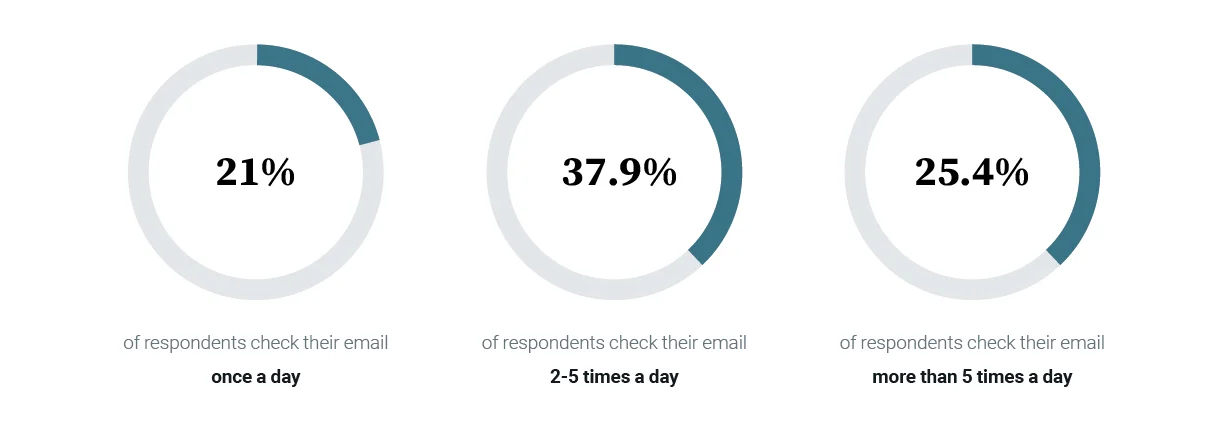
While simplistic advice often suggests a narrow window between 9 AM and 12 PM as universally ideal, a deeper dive into behavioral data reveals a more nuanced picture. Research, including Mailjet’s 2024 Email Engagement Report, highlights that 63.3% of users interact with their personal mailboxes multiple times throughout the day. This frequent checking, however, does not automatically translate to a capacity for action. Recipients may glance at their inbox during a commute but lack the time or focus to fully engage with content or complete a purchase. Therefore, identifying times when recipients are not only checking their email but also prepared to act is paramount.
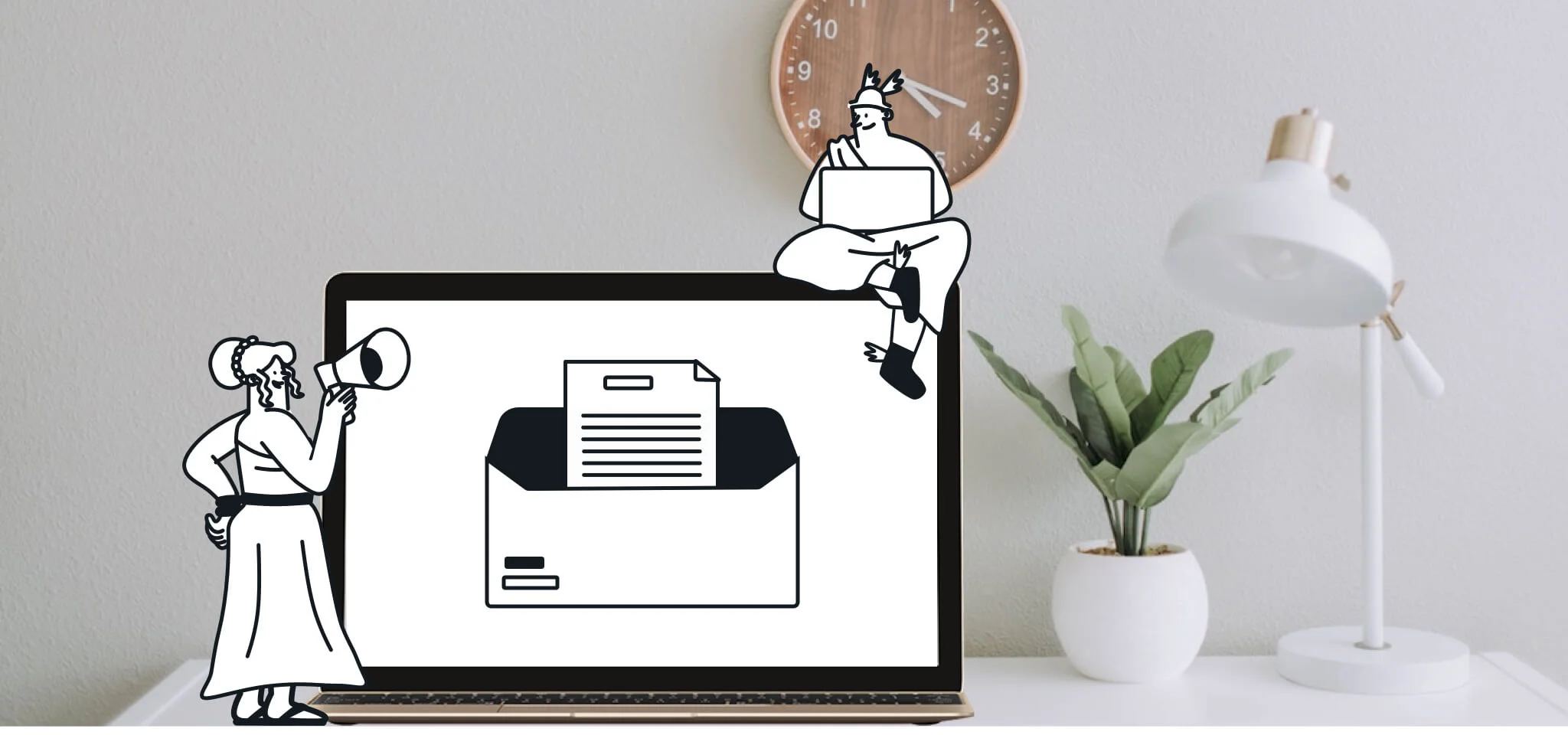
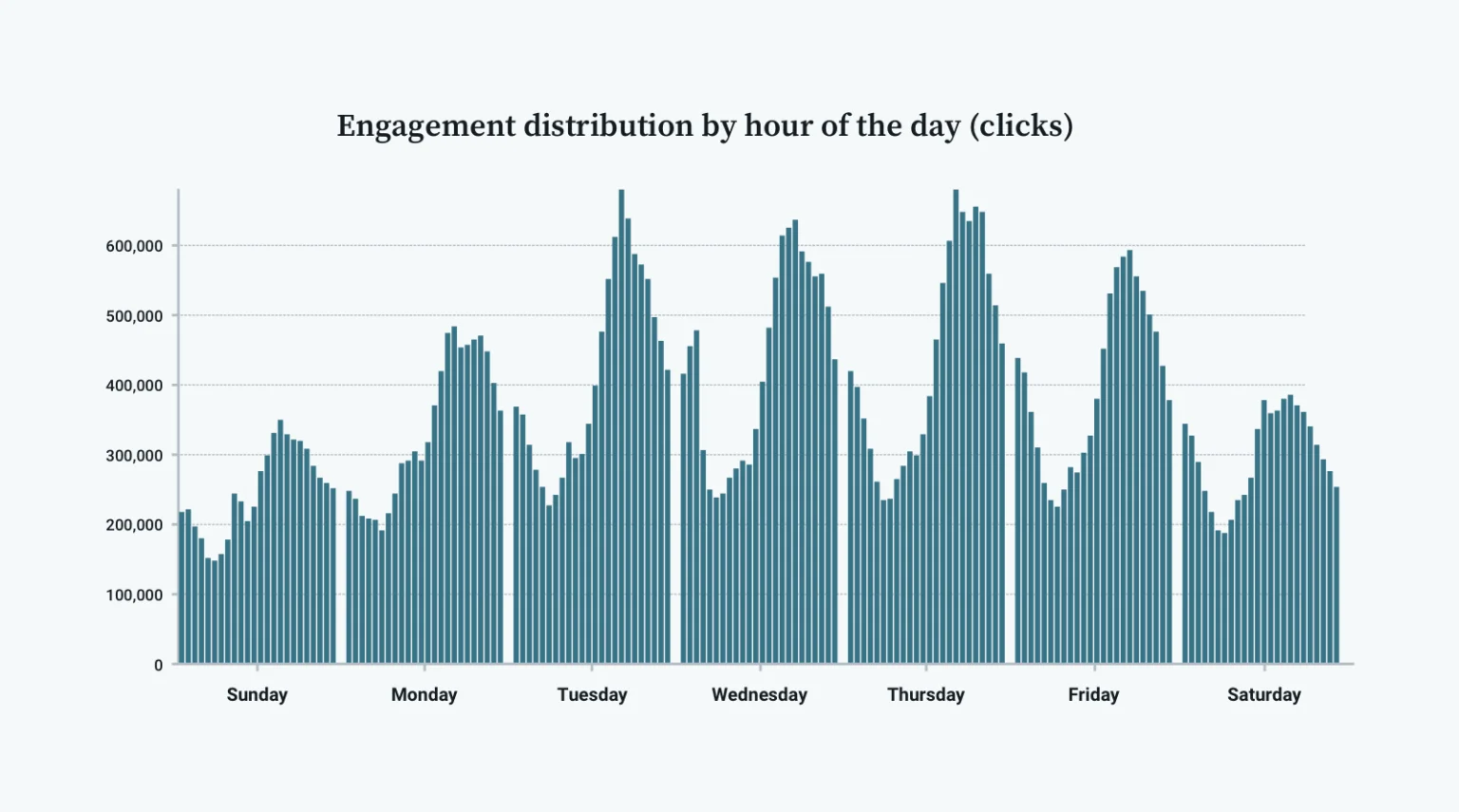
A comprehensive study conducted by Sinch Mailgun, analyzing billions of emails sent by its customers, offers valuable insights into global engagement patterns. The data indicates that 15 UTC (Coordinated Universal Time) generally correlates with the highest engagement in click-to-open ratios. This global peak translates to approximately 11 AM for Eastern Standard Time during summer months, aligning with many traditional "mid-morning" recommendations. This period often captures recipients as they settle into their workday, have completed initial tasks, and are taking a short break before lunch, making them more receptive to new information or offers.
Beyond this peak, other notable engagement windows often emerge:
- Early Morning (7 AM – 9 AM local time): Many individuals check emails upon waking or during their morning commute, seeking updates or news. While open rates might be high, the capacity for deep engagement or transactional actions can be lower due to time constraints.
- Post-Lunch (1 PM – 3 PM local time): A second surge in activity can occur as people return from lunch, clear their inboxes, and may have a brief window for less urgent tasks.
- Late Afternoon/Early Evening (4 PM – 6 PM local time): As the workday winds down, some users might engage with personal emails or content that helps them transition out of work mode.
These general trends underscore the importance of converting UTC times to specific local time zones to ensure messages land when target audiences are most receptive. A blanket global send without time zone optimization risks missing significant portions of an audience during their peak activity periods.
Weekly Trends: Identifying Optimal Sending Days
Just as the time of day matters, so does the day of the week. Industry data consistently points to certain days as more effective for email campaigns, largely influenced by work schedules and leisure activities. The Sinch Mailgun study reveals that Tuesdays through Thursdays typically exhibit the highest open rates and click-through rates.
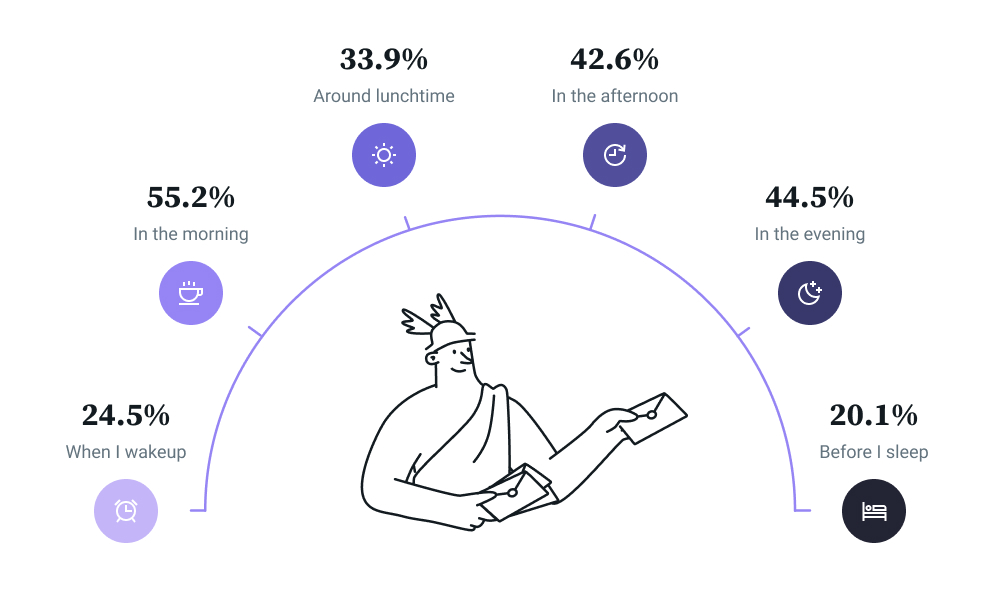
- Tuesdays and Thursdays: These days often show slightly higher engagement rates, suggesting they are prime times for campaign deployment. Recipients have moved past the Monday blues but are not yet distracted by impending weekend plans.
- Wednesdays: A strong contender, Wednesday offers a solid second option for email sends, often balancing engagement with potentially lower inbox competition than Tuesdays.
- Mondays: Traditionally considered less effective, Mondays are often characterized by recipients sifting through a backlog of weekend emails or focusing on planning the week ahead. Our research indicates that Friday actually outperforms Monday significantly in terms of open and click-through rates, challenging the conventional wisdom that both are equally poor choices.
- Fridays: While engagement can dip slightly as people mentally transition to the weekend, Fridays should not be entirely disregarded. Sending on a Friday might mean less competition in the inbox, potentially giving your email more visibility, especially if the content aligns with weekend activities or leisure.
- Saturdays and Sundays: Weekends generally yield the lowest engagement. Most individuals prioritize personal time, family, and errands over checking marketing emails. The notable exception is for content specifically tailored for weekend consumption, such as event promotions, travel deals, or hobby-related newsletters.
The strategic implication here is not just about avoiding "bad" days, but understanding the context of each day. A well-timed email on a slightly less popular day with relevant content can sometimes outperform a poorly timed one on a "prime" day.
Geographic and Cultural Nuances in Email Habits
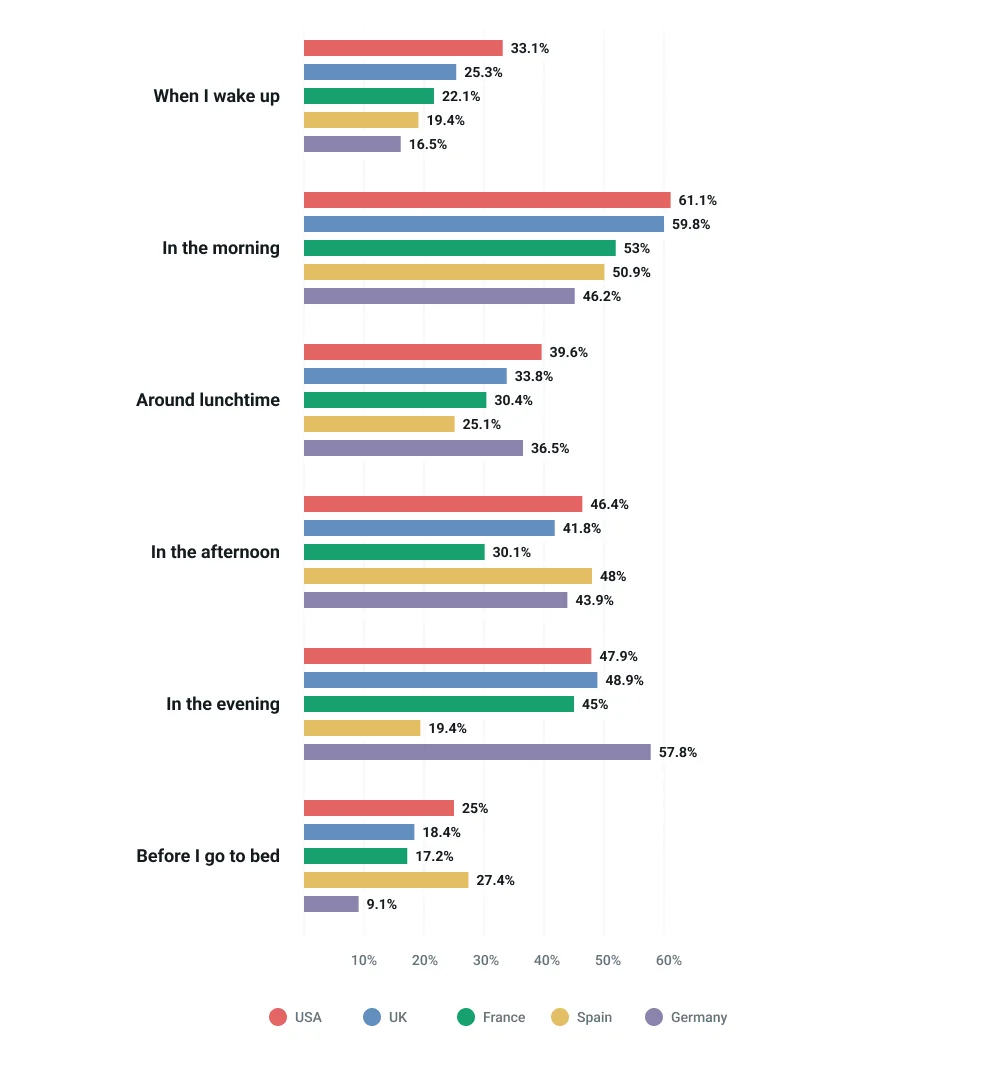
Global averages, while informative, often mask significant regional and cultural differences in email behavior. Mailjet’s Email Engagement Report highlights fundamental disparities across different countries. For instance, German customers show peak email engagement in the early evening, with 57.8% opening emails at this time. In stark contrast, only 19.4% of Spanish recipients engage during the early evening, with a more substantial 27.4% preferring to check emails late at night before bed. Sending the same email campaign at the same local time across these two regions would result in drastically different engagement levels.
These variations stem from diverse factors including:
- Work Culture: Differences in typical office hours, lunch breaks, and work-life balance.
- Commute Patterns: How long people spend commuting and whether they use this time for digital activities.
- Social Habits: Evening routines, dinner times, and leisure activities that might compete with email checking.
- Mobile Adoption: The prevalence of smartphone usage for email access and instant notifications.
For international marketers, this underscores the critical need for audience segmentation based on geographic location. Employing sophisticated ESP features that allow for time zone sending or country-specific scheduling is essential to optimize engagement and avoid alienating large segments of a global audience.
B2B vs. B2C: Tailoring Strategies for Diverse Audiences
The distinction between Business-to-Business (B2B) and Business-to-Consumer (B2C) audiences is paramount when determining optimal send times. Professionals interact with their work inboxes differently than with personal ones, and consumer behavior varies greatly depending on the product or service being offered.
B2B Email Marketing:
B2B emails are typically consumed during standard business hours. The content is often informational, educational, or solution-oriented, designed to aid in professional decision-making.
- Optimal Times: Mid-morning (9 AM – 12 PM local time) and early afternoon (1 PM – 3 PM local time) on weekdays (Tuesday-Thursday) are generally most effective. These periods often catch professionals after they’ve handled urgent morning tasks but before they’re engrossed in late-day projects.
- Days to Avoid: Weekends and often Mondays and Fridays, as recipients are either off-duty or preoccupied with weekly planning/wrap-up.
- Considerations: Long-form content or complex proposals might be better received when professionals have dedicated focus time, potentially mid-morning. Quick updates or event invitations might fare well during short breaks.
B2C Email Marketing:
B2C emails cater to personal interests, promotions, and entertainment. Engagement patterns are more varied and often extend beyond traditional work hours.
- Optimal Times: Can be more flexible. Late morning, lunch breaks, late afternoon, and evenings often perform well. For specific industries (e.g., entertainment, travel, retail), weekend sends can be highly effective, especially if the content aligns with leisure activities or weekend planning.
- Days to Avoid: Less rigid than B2B. While mid-week is often strong, the "worst" days (weekends, Mondays) for B2C can be overcome with highly relevant and engaging content.
- Considerations: Transactional emails (e.g., order confirmations) are expected immediately. Promotional emails for evening activities might perform best in the late afternoon. Newsletters about hobbies or weekend sales could thrive on Fridays or Saturdays.
Effective B2B and B2C strategies demand a deep understanding of marketing personas. By analyzing user habits, interests, and how they typically interact with different types of content, marketers can craft highly targeted sending schedules that resonate with their specific audience segments.
The Strategic Imperative of Send Time Optimization
Beyond merely boosting open and click rates, optimizing email send times holds broader strategic implications for businesses:
- Enhanced ROI: Timely delivery ensures that valuable marketing content reaches recipients when they are most likely to engage, leading to higher conversion rates and a better return on investment for email campaigns.
- Competitive Advantage: In a saturated inbox, precise timing can be a powerful differentiator, allowing a brand’s message to stand out and be seen before competitors’.
- Improved Brand Perception: Delivering relevant content at a convenient time demonstrates an understanding of the customer, fostering trust and a positive brand image. Conversely, ill-timed emails can be perceived as intrusive or irrelevant.
- Reduced Opt-Out Rates: When emails arrive at opportune moments and provide value, recipients are less likely to feel overwhelmed or annoyed, contributing to healthier email lists.
- Maximized Resource Efficiency: Marketers invest significant resources in crafting compelling email content. Optimizing send times ensures that this effort is not wasted due to poor delivery timing.
As highlighted in Mailjet’s "The Path to Email Engagement" report, "86.4% of respondents say having time to read an email is an important factor in determining whether to open it." This statistic powerfully underscores that even the most compelling subject line and offer will fall flat if the recipient lacks the capacity or inclination to engage at the moment of delivery.
Methodology for Identifying Your Brand’s Best Time
Given the myriad variables, there is no universal "magic hour" that applies to every business. The most effective approach involves a combination of leveraging existing data and continuous experimentation.
-
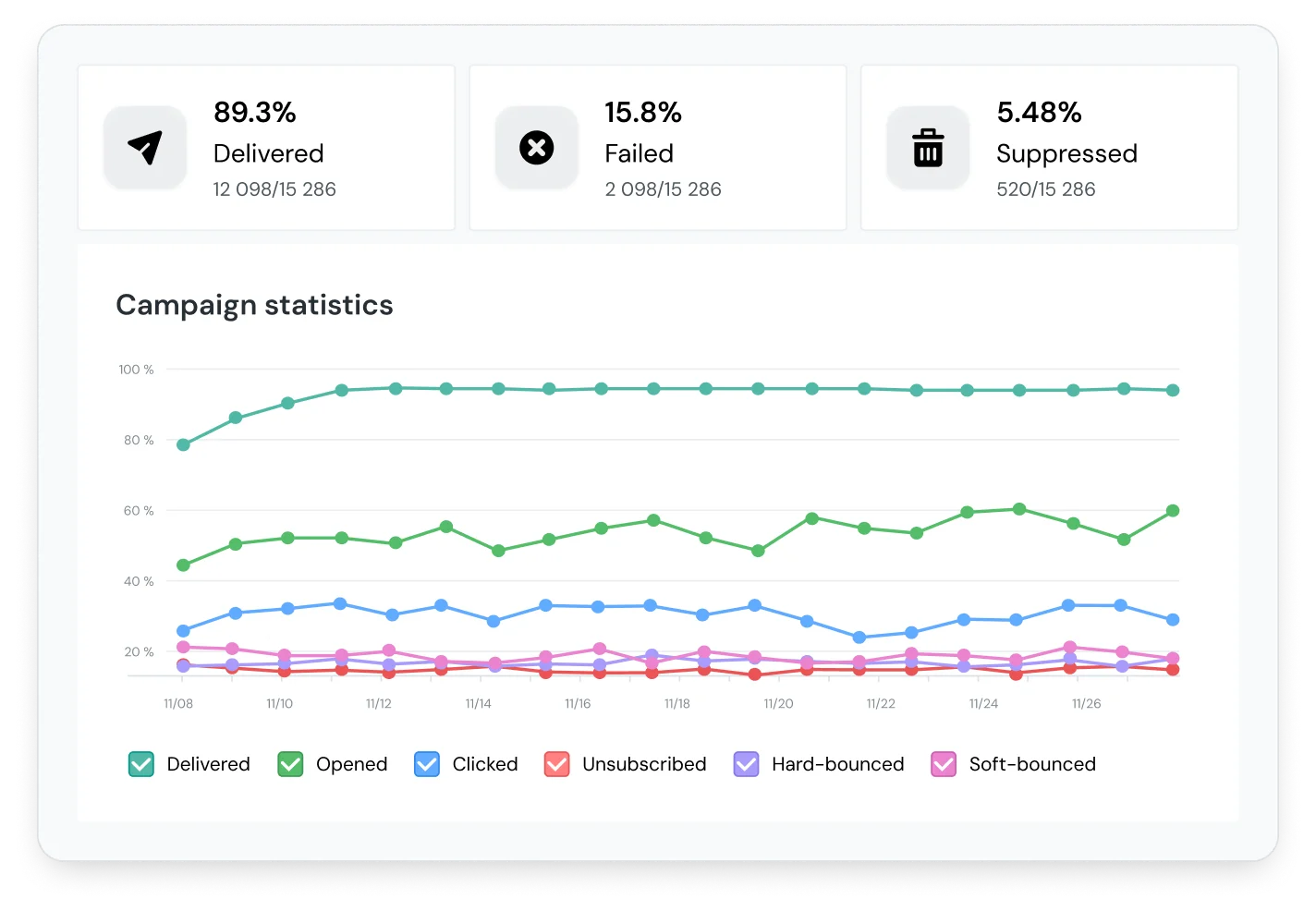
Analyze Your Own Data: Your Email Service Provider’s (ESP) statistics dashboard is a treasure trove of historical data. Examine past campaign performance, focusing on open rates, click-through rates, and conversion rates broken down by day of the week and hour of the day. Identify existing peaks and troughs in engagement specific to your audience. Mailjet users, for example, can access detailed engagement stats within their platform’s Statistics dashboard.
-
A/B Testing: This is the most reliable method for fine-tuning your send times.
- Time-Based Splits: For a weekly newsletter, segment your list and send identical campaigns at different times over several weeks (e.g., 10 AM one week, 1 PM the next, 9 PM the third).
- Immediate Comparisons: For a single campaign, divide your list and send half in the morning and half in the afternoon, then compare results.
- Iterative Process: Treat A/B testing as an ongoing scientific experiment. Analyze results, formulate new hypotheses, and continue testing to refine your optimal schedule.
-
Audience Segmentation and Personalization:
- Time Zone Optimization: Utilize ESP features that automatically adjust send times based on the recipient’s local time zone, ensuring your email lands at their optimal local hour.
- Demographic/Behavioral Segmentation: Different segments of your audience (e.g., students, working professionals, retirees) will have distinct daily routines. Segmenting your list and tailoring send times accordingly can significantly boost engagement.
- Triggered Emails: For transactional or behavioral emails (e.g., welcome series, abandoned cart reminders), immediate delivery is often more critical than a specific "best time."
-
Consistency and Flexibility: For regular newsletters or content series, establishing a consistent send day and time builds anticipation and trust. However, be prepared to deviate for special events, holidays, or urgent announcements. It’s always preferable to adjust your schedule for higher engagement than to rigidly stick to a routine that yields poor results.
Conclusion: Sending at the Perfect Time with Mailjet
Ultimately, mastering email send times is an ongoing process of data analysis, experimentation, and adaptation. While industry benchmarks and global studies provide excellent starting points, the true optimal schedule is unique to each brand and its specific audience. The type of business, customer demographics, email content, and marketing objectives all play a pivotal role.
Platforms like Mailjet empower marketers with the tools necessary to navigate this complexity. With its intuitive Email Editor, responsive templates, and advanced features such as Segmentation, A/B Testing, Campaign Comparison, and comprehensive Email Statistics, Mailjet enables businesses to create, deliver, and track campaigns with precision. These capabilities allow marketers to rigorously test hypotheses, analyze performance metrics, and continuously refine their sending strategies to achieve superior digital marketing results.
By embracing a data-driven approach and leveraging sophisticated marketing tools, businesses can ensure their messages are not just sent, but received and acted upon, transforming email marketing from a mere communication channel into a powerful engine for engagement and growth. For further insights into maximizing email campaign performance, resources such as the Email Growth Playbook offer a wealth of tactics and best practices. This updated perspective builds upon foundational insights from previous research, underscoring the dynamic nature of effective email timing in the modern digital era.