Pevita Pearce
The landscape of digital retail is continually refined by strategic email marketing, with gift guide emails emerging as a critical tool for boosting conversions and enhancing customer engagement. Analysis of campaigns conducted between October 2025 and October 2026 reveals that the most effective gift guide emails are those that simplify the shopper’s journey, offering curated selections categorized by recipient or budget. This approach addresses the common challenge of choice paralysis, transforming a potentially overwhelming task into a streamlined, personalized experience for consumers navigating various gifting occasions.
The Evolving Landscape of Digital Gifting
Email marketing has long been a cornerstone of e-commerce, but its evolution reflects a growing emphasis on personalization and relevance. In an increasingly crowded online marketplace, consumers are inundated with options, making the act of finding the "perfect" gift a daunting prospect. This phenomenon, often termed "decision fatigue," underscores the necessity for retailers to provide highly targeted and intuitive shopping experiences. Background context from the mid-2020s shows a significant shift from broad promotional emails to highly segmented content, driven by advancements in data analytics and customer relationship management (CRM) systems. Industry reports from Campaign Monitor indicate that segmented and targeted campaigns can boost revenue by as much as 760%, highlighting the substantial return on investment for personalized communication. Gift guide emails, when executed effectively, embody this principle by pre-filtering choices based on consumer-centric criteria.
Key Pillars of Effective Gift Guide Emails
The successful gift guide emails from the 2025-2026 period consistently demonstrated several core strategies that contributed to their efficacy. These pillars – personalization, pricing transparency, strategic timing, and authentic curation – collectively shaped customer perception and drove purchasing decisions.
Personalization as a Priority
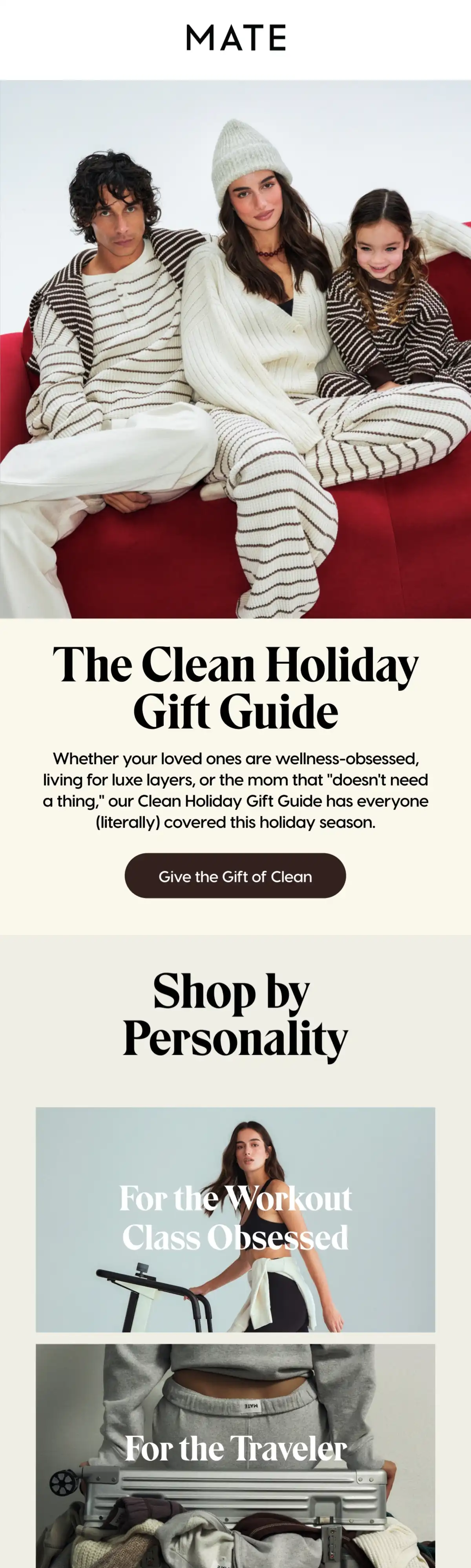
One of the most impactful strategies observed was the organization of gift selections around the recipient. Eight out of the twelve analyzed campaigns sorted gifts by a type of person, moving beyond generic product categories to cater to specific needs or interests. MATE the Label, for instance, in its October 21, 2025, "THE CLEAN HOLIDAY GIFT GUIDE," offered selections based on six distinct personalities, while Fi, in its June 11, 2026, Father’s Day campaign, segmented offerings by "dog dad" and "cat dad." This recipient-centric approach directly addresses the initial thought process of a gift buyer: "Who am I buying for?" rather than "What should I buy?"
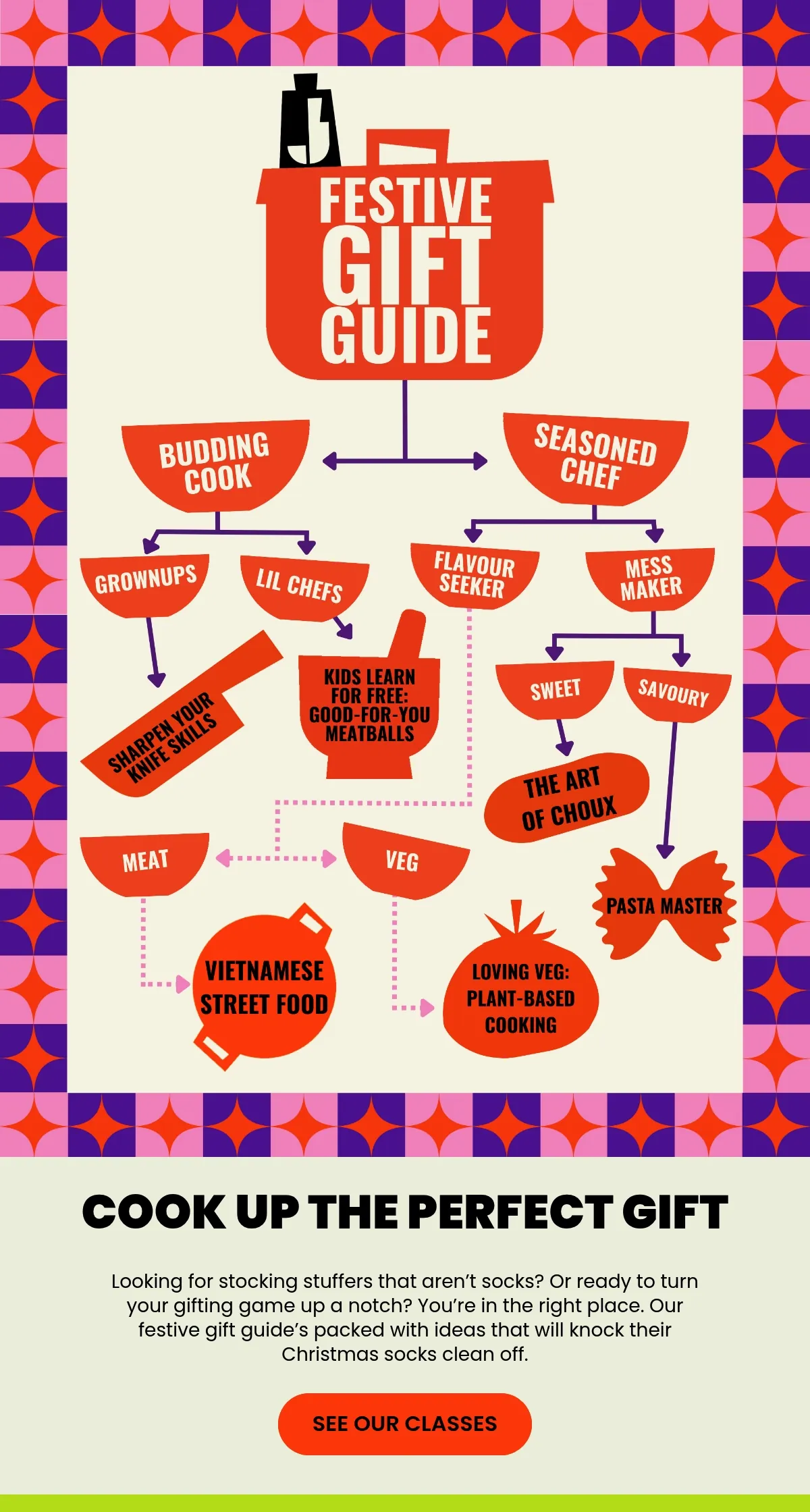
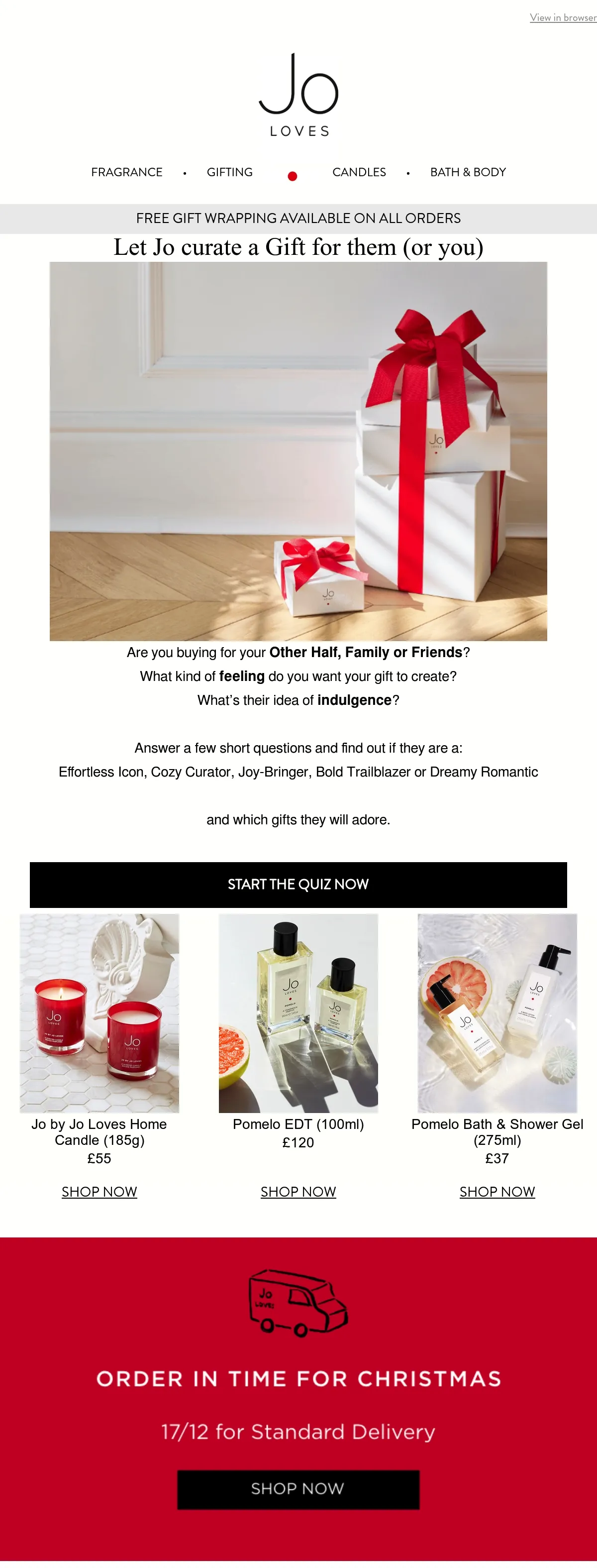
Further elevating personalization, interactive elements like quizzes and flowcharts were deployed to guide shoppers. Jamie Oliver Cookery School’s November 14, 2025, guide utilized a flowchart to help customers find the perfect cookery class based on the recipient’s cooking skill level. Similarly, Jo Loves, on December 12, 2025, implemented a "Gift Finder" quiz, allowing shoppers to select a scent by answering simple questions about the recipient (e.g., "Other Half, Family or Friends?"). These interactive tools not only simplify decision-making but also create a more engaging and memorable brand experience, ultimately leading to higher conversion rates. Studies by Accenture reveal that 91% of consumers are more likely to shop with brands that provide relevant offers and recommendations, underscoring the power of such tailored approaches.
Transparency in Pricing
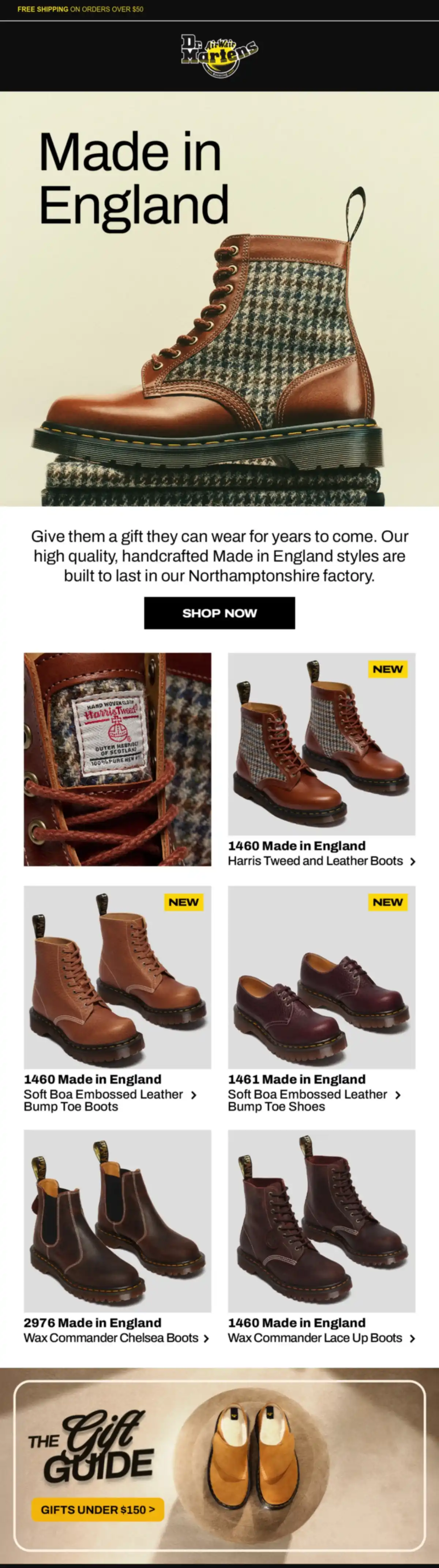
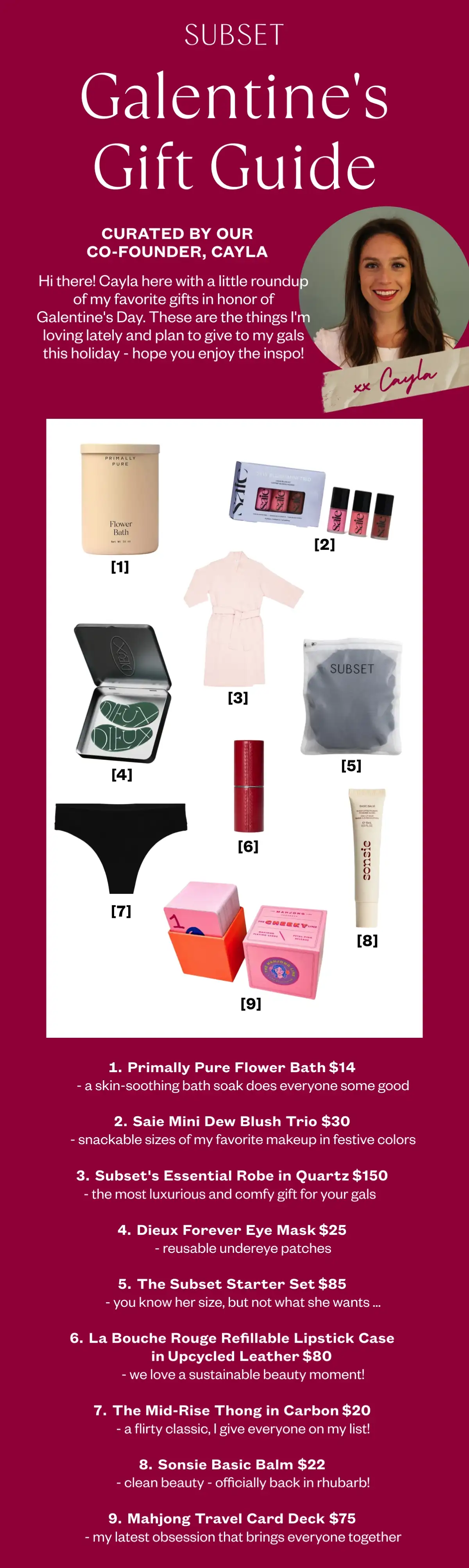
While personalization drives initial interest, clarity regarding cost is crucial for converting intent into purchase. Four of the twelve examples explicitly addressed pricing, either by listing individual item prices or setting a clear budget ceiling for the entire guide. Subset’s February 10, 2026, "Galentine’s Gift Guide" featured a co-founder’s picks with every item priced, accompanied by a brief rationale. Dr. Martens’ November 4, 2025, email, promoting "Made in England" styles, concluded with a prominent "GIFTS UNDER $150" button, catering to budget-conscious shoppers even after presenting premium items. Mark & Graham’s October 27, 2026, campaign directly incorporated an "Under-$100 Gift Guide" in both its subject line and headline, immediately signaling value to its audience. Providing upfront pricing information builds trust and allows shoppers to quickly assess whether the offerings align with their spending limits, thereby reducing friction in the purchasing process.
Strategic Timing and Delivery Logistics
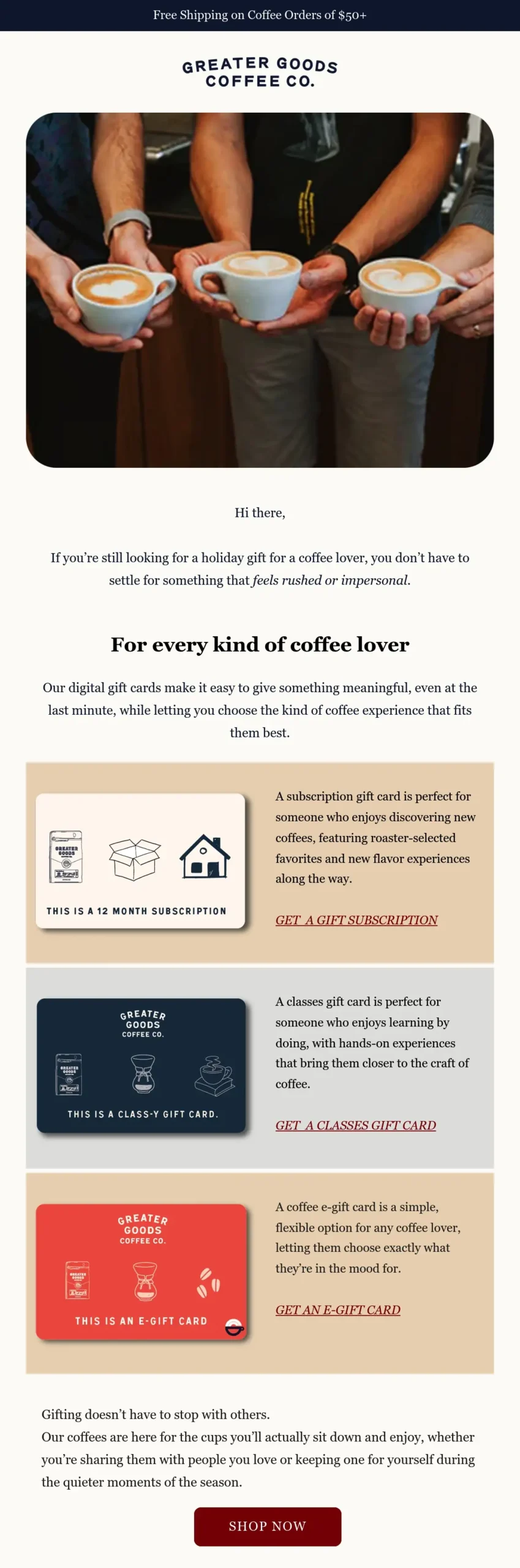
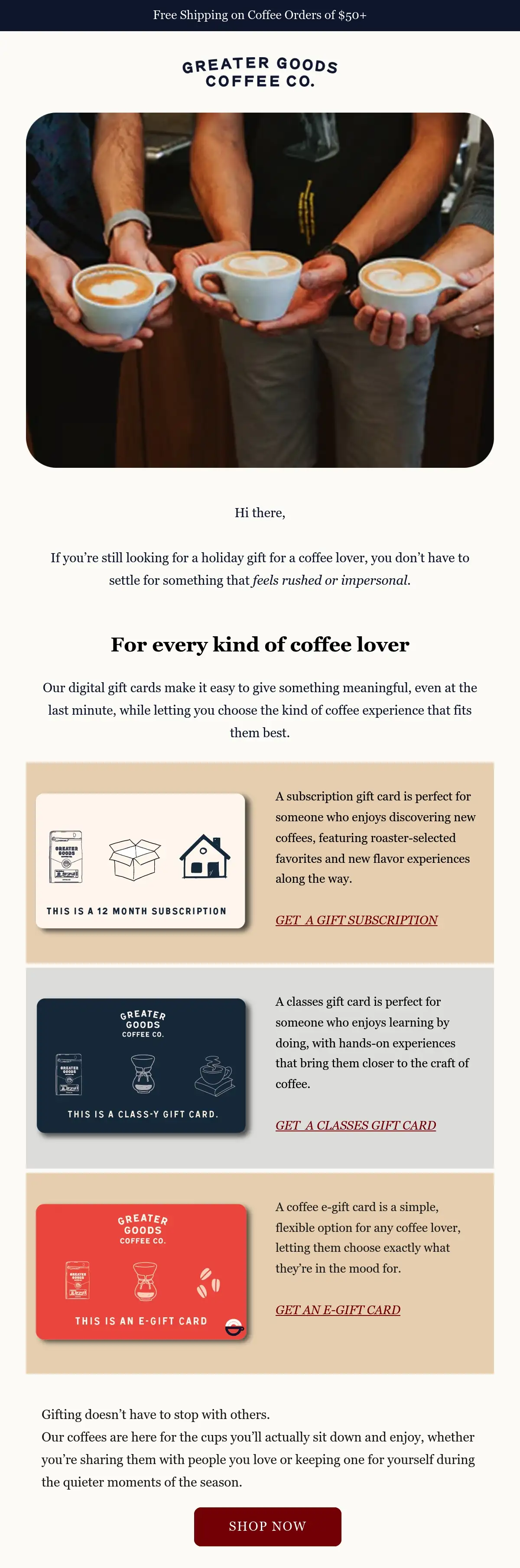
The timing of gift guide emails is paramount, balancing early engagement with last-minute urgency. Analysis from the 2025-2026 period shows a strategic window for holiday guides beginning in late October to early November, well ahead of the Black Friday rush. MATE the Label’s campaign, sent 38 days before Black Friday, exemplifies this early bird approach, aiming to capture shoppers before the peak promotional period. Conversely, as gifting occasions draw nearer, the focus shifts to delivery logistics and instant solutions. Greater Goods Roasting, on December 23, 2025, just two days before Christmas, successfully pivoted its strategy to promote digital gift cards, explicitly highlighting their instant delivery and suitability for last-minute buyers.
Crucially, clear communication regarding delivery cutoffs is often overlooked but vital. Only one of the twelve examples, Jo Loves, explicitly printed an "order-by" date for standard delivery. Retail analysts consistently advise retailers to include such information in their holiday email campaigns and newsletters, as it manages customer expectations and fosters confidence in timely arrival. The absence of this detail can lead to customer frustration and missed sales, particularly during high-stakes gifting periods.
The Human Touch: Curators and Authenticity
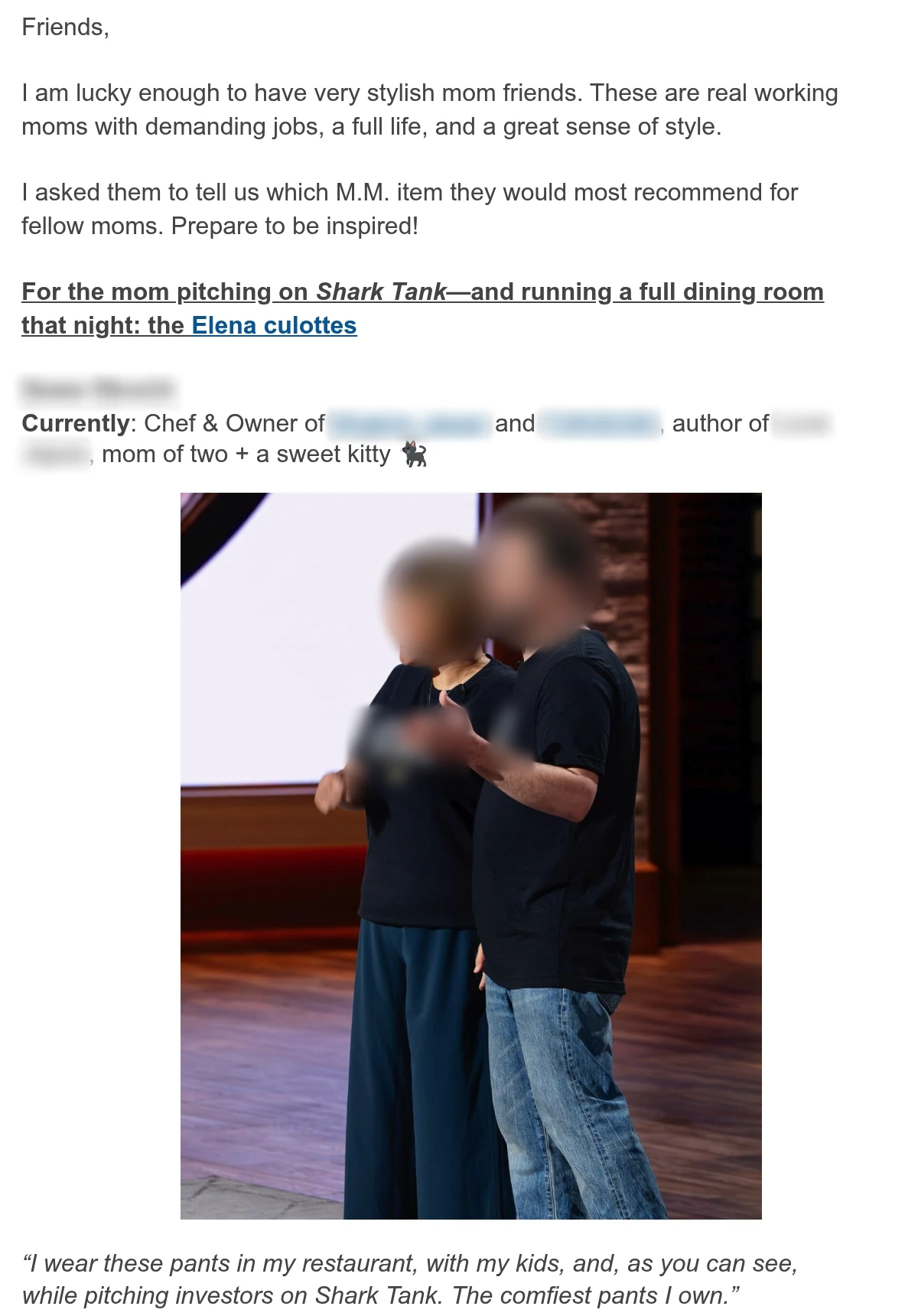
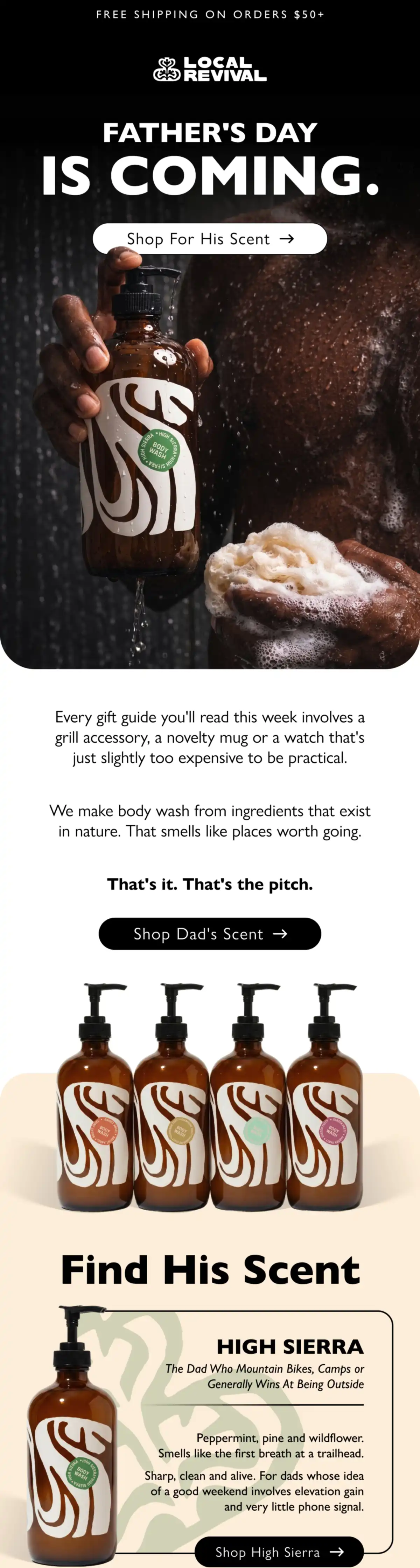
Injecting a human element into gift guides significantly enhances their authenticity and persuasive power. Four of the analyzed campaigns leveraged personal curation, with founders, employees, or even customers endorsing specific products. Subset’s "by Cayla" guide and M.M.LaFleur’s May 2, 2026, "My personal Mother’s Day gift guide," which featured recommendations from working moms, both capitalized on the credibility and relatability of a personal endorsement. These approaches transform a transactional list into a trusted recommendation, much like advice from a friend. Local Revival’s June 6, 2026, Father’s Day guide, signed off by "James," positioned its offerings as an anti-cliché alternative, directly challenging typical gift suggestions with a personal, honest tone. This strategy taps into the consumer’s desire for genuine recommendations, fostering a stronger emotional connection with the brand.
Case Studies in Action: A Year of Gifting Strategies
The 2025-2026 period provided a rich tapestry of gifting strategies, demonstrating adaptability across various holidays and life events.
Pre-Holiday Engagement (October-November 2025): Campaigns like MATE the Label’s "Clean Holiday Gift Guide" (October 21, 2025) focused on early engagement by categorizing gifts by personality, preempting the overwhelming nature of holiday shopping. Dr. Martens (November 4, 2025) leveraged its "Made in England" heritage to promote premium products while still offering a "GIFTS UNDER $150" option, broadening its appeal. Jamie Oliver Cookery School’s "ultimate festive gift guide" (November 14, 2025) used an engaging flowchart, reducing cognitive load for shoppers. These early sends aimed to capture attention before the intense promotional period of Black Friday, positioning brands as helpful guides rather than aggressive marketers.
Peak Holiday Season Urgency (December 2025): As the holiday season intensified, strategies shifted towards immediate solutions and clear deadlines. Jo Loves’ "Jo’s Gift Finder" (December 12, 2025) combined an interactive quiz with clear delivery cutoffs, catering to both thoughtful planners and those facing time constraints. Greater Goods Roasting’s "Last-minute gift ideas" (December 23, 2025) brilliantly pivoted to digital gift cards, offering a stress-free solution for shoppers past physical shipping deadlines. These campaigns underscored the importance of dynamic strategies that evolve with the purchasing cycle.
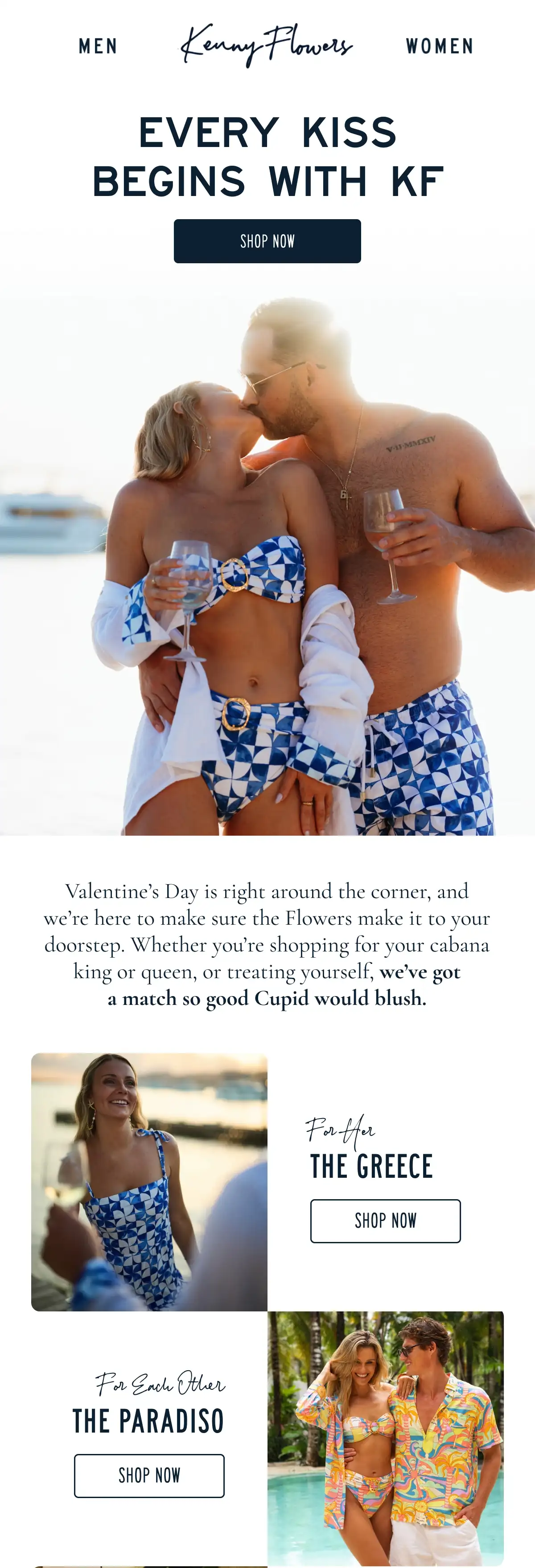
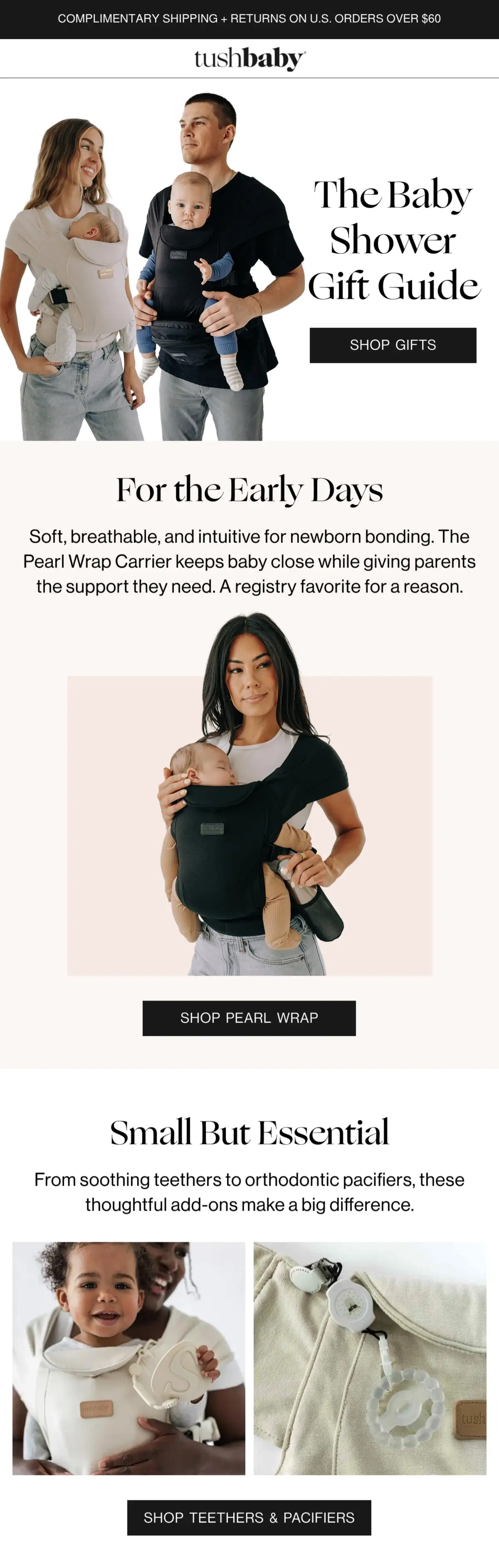
Niche Occasions and Diverse Recipients (February-October 2026): Beyond the major holidays, brands effectively adapted gift guides for specific relationships and events. Kenny Flowers’ "island Valentine’s Day gift guide" (February 3, 2026) skillfully segmented by relationship and "moment," even including options for self-gifting. Subset’s "Galentine’s Gift Guide, by Cayla" (February 10, 2026) offered a founder’s personalized, priced recommendations, fostering a sense of intimate advice. Tushbaby’s "Baby Shower Gift Guide" (April 24, 2026) was organized by the baby’s developmental stage, making it useful for guests navigating registry-free gifting. M.M.LaFleur’s "personal Mother’s Day gift guide" (May 2, 2026) featured recommendations from working mothers, adding a layer of authenticity and relatability. Local Revival (June 6, 2026) offered an "anti-cliché" Father’s Day guide, directly addressing common gifting frustrations. Fi’s "dog & cat dad gift guide" (June 11, 2026) smartly categorized by pet type, broadening its audience, while Mark & Graham’s "Under-$100 Gift Guide" (October 27, 2026) provided a clear budget-friendly option for early holiday planners. This chronological spread demonstrates the versatility of gift guide emails throughout the year, catering to a continuous cycle of gifting opportunities.
Technological Enablement: Tools for Seamless Execution
The execution of these sophisticated gift guide emails relies heavily on robust email marketing platforms. Tools like Omnisend, as referenced in the original analysis, offer functionalities such as product listing blocks that automatically pull product details and pricing from a store’s inventory. This automation streamlines the content creation process, ensuring accuracy and efficiency. Furthermore, advanced segmentation capabilities allow marketers to tailor gift guide versions for different audience groups. For instance, past buyers of a particular product can receive a version of a gift guide that highlights complementary accessories or related items, a practice aligned with optimal Black Friday customer segmentation strategies. The ability to track clicks and purchases also enables targeted follow-up campaigns, engaging contacts who showed interest but did not convert. Email marketing platforms are increasingly offering sophisticated tools that integrate AI-driven personalization, further refining the ability to deliver hyper-relevant content at scale.
Optimizing Engagement: Subject Lines and Preheaders
The gateway to any successful email campaign is a compelling subject line and preheader. The analyzed examples consistently employed clear, concise, and informative subject lines that immediately communicated the email’s purpose and value. Nine out of twelve explicitly included the phrase "gift guide." Effective strategies observed included:
- By Budget: "Gifts under $50 they’ll actually use," "Stocking stuffers under $25."
- By Recipient: "Shopping for Dad? Start here," "Gifts for the cook in your life."
- Last-Minute & Shipping Deadline: "Order by Thursday for delivery by Christmas," "Too late to ship? Send a gift card today."
- Curiosity-Driven: "The gift they didn’t know they wanted," "Answer 3 questions, find their gift."
These subject lines, typically under 50 characters as recommended by email marketing best practices, maximize visibility across various devices and inbox environments. Paired with a strong preheader that expands on the subject line’s promise, they collectively drive higher open rates, which are fundamental to the campaign’s overall success.
Broader Implications for E-commerce
The strategic deployment of curated gift guide emails carries significant broader implications for e-commerce businesses. Beyond immediate sales, these campaigns contribute to enhanced customer lifetime value by demonstrating a brand’s understanding of its audience’s needs and preferences. By simplifying the gifting process, brands can reduce the likelihood of gift-related returns, a common pain point for both consumers and retailers. Moreover, the personalized and authentic approach strengthens brand-customer relationships, fostering loyalty and positive brand perception. As e-commerce continues to evolve, the integration of AI-driven personalization and hyper-segmentation will likely become even more sophisticated, allowing brands to anticipate gifting needs and offer even more tailored solutions.
In conclusion, the period from October 2025 to October 2026 served as a valuable benchmark for effective gift guide email strategies. The most successful campaigns prioritized clarity, personalization, timely delivery information, and authentic recommendations. By understanding who the gift is for, what the budget is, and when it needs to arrive, retailers can transform the often-stressful act of gift shopping into a delightful and efficient experience, ultimately driving both short-term revenue and long-term customer loyalty.

 Lina Hope
 Neng Nana