
 rifanmuazin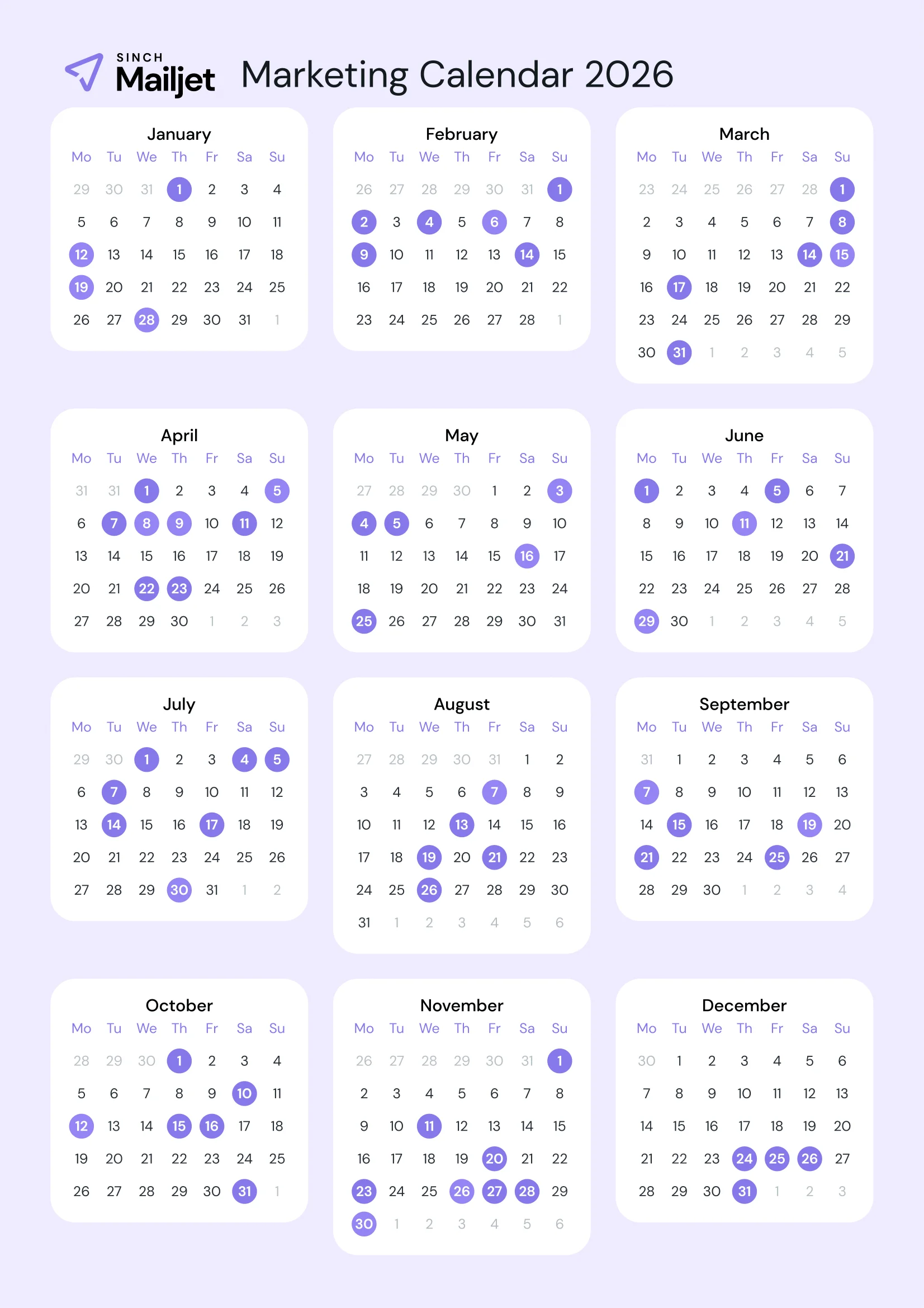
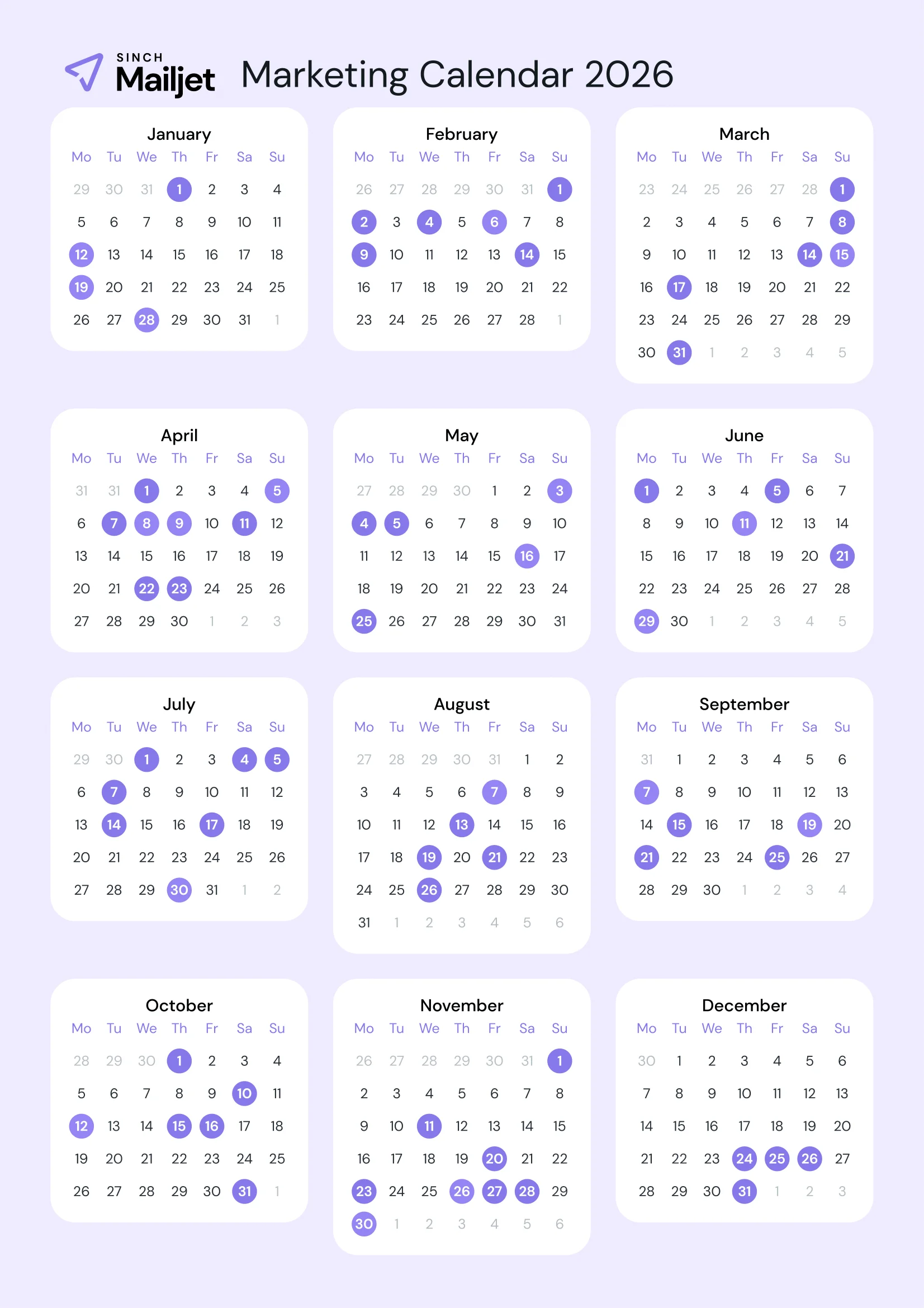
As the final weeks of 2025 draw to a close, businesses worldwide are meticulously charting their course for the new fiscal year. The transition into 2026 marks not just a calendar change, but a pivotal moment for re-evaluating strategies, setting ambitious goals, and, crucially, laying the groundwork for a robust marketing offensive. At the heart of this preparation lies the 2026 marketing calendar, an indispensable tool for brands aiming to start the year with impactful campaigns and sustained engagement. This comprehensive guide outlines key dates, strategic considerations, and actionable insights to navigate the competitive landscape of the coming year.
The Strategic Imperative of a 2026 Marketing Calendar
Developing a detailed marketing calendar for 2026 is far more than a mere scheduling exercise; it is a foundational element of any successful business strategy. While some might mistakenly view implementation as the most challenging phase of a marketing initiative, industry experts consistently point to the preparatory stages—goal setting, priority establishment, and meticulous planning—as the true determinants of success. Proactive planning minimizes unforeseen obstacles, optimizes resource allocation, and ensures coherent messaging across all channels.
In an era defined by rapid market shifts and evolving consumer behaviors, the ability to adapt communication strategies is paramount. Recent years, characterized by dynamic global events, have underscored the necessity for brands to maintain agility while remaining tethered to a well-defined strategic framework. A comprehensive marketing calendar equips organizations with the foresight to align their promotional activities with cultural moments, consumer trends, and critical sales periods, thereby maximizing the return on marketing investments.
Foundational Pillars of a Winning Marketing Strategy
Before delving into specific dates, marketers must establish clear objectives and define their promotional framework. This involves asking fundamental questions: What are the overarching business goals for 2026? Who is the target audience, and what are their seasonal needs and purchasing patterns? Which products or services will be prioritized for specific campaigns? These decisions form the bedrock upon which all subsequent marketing activities are built. Misaligned promotional strategies can significantly undermine Key Performance Indicators (KPIs), emphasizing the critical importance of this initial phase.
The planning process for holiday or special event campaigns should be structured in distinct stages:
- Pre-Campaign Analysis: Researching historical data, competitor activities, and emerging trends.
- Campaign Development: Crafting compelling messages, creative assets, and promotional offers.
- Launch and Monitoring: Executing the campaign and tracking real-time performance metrics.
- Post-Campaign Review: Analyzing results, identifying lessons learned, and informing future strategies.
Leveraging Omnichannel Engagement
Once the strategic direction and promotional offers are defined, the next crucial step is disseminating marketing messages effectively. For campaigns centered around special dates, an omnichannel approach is widely regarded as the most effective strategy. Omnichannel marketing, which integrates various touchpoints such as in-store experiences, online platforms, social media, SMS marketing, and email, fosters a cohesive customer journey. This integrated approach not only enhances audience engagement but also unlocks significant opportunities for upselling and cross-selling, creating a seamless and consistent brand experience.

While a multitude of channels are available, strategic selection is key. Not every channel is suitable for every business or product. However, email marketing consistently stands out as a high-ROI channel, frequently cited for generating returns of $35 to $40 for every dollar spent. Its inherent capabilities for personalization, segmentation, and detailed performance analytics make it indispensable. Moreover, email campaigns ensure that marketing messages and promotional codes remain accessible in contacts’ inboxes, providing a lasting reference point.
Technological Tools for Calendar Organization
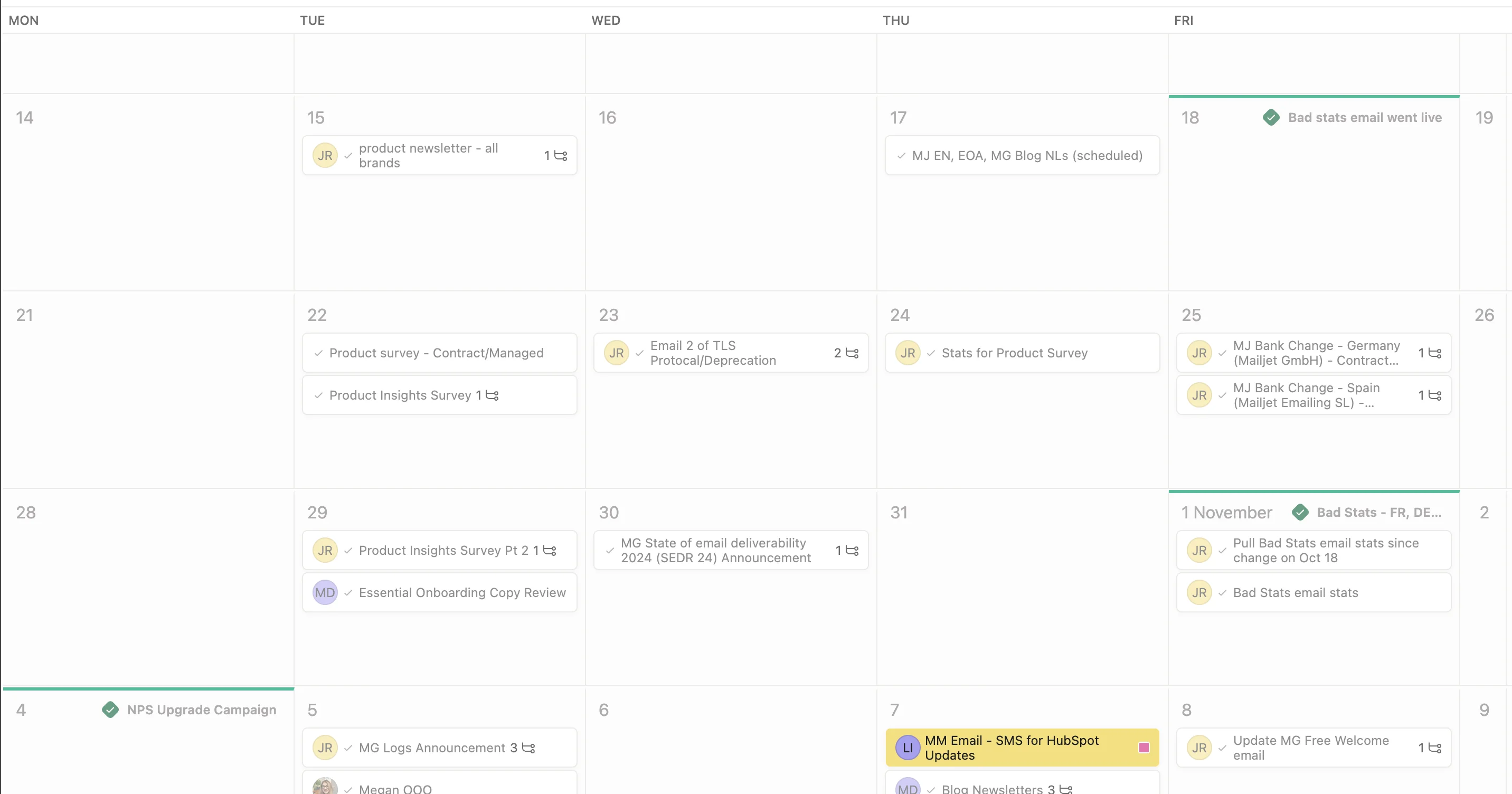
The sheer volume of dates and associated tasks can be overwhelming without robust organizational tools. Marketers rely heavily on project management and scheduling platforms to maintain clarity and efficiency. Tools such as Trello, Asana, Monday.com, and Google Calendar are instrumental in scheduling content, assigning tasks, tracking progress, and ensuring deadlines are met. These platforms free up mental bandwidth, allowing creative teams to focus on campaign quality rather than administrative logistics. For email campaigns specifically, advanced scheduling features within email marketing platforms are crucial for precise timing and automated delivery.
Key Dates in the 2026 Marketing Calendar: A Month-by-Month Breakdown
The following chronology highlights essential dates and strategic considerations for marketers throughout 2026.
January: The Month of New Beginnings
January is synonymous with fresh starts, New Year’s resolutions, and goal setting. For marketers, this translates into significant opportunities to promote products and services aligned with self-improvement, health and wellness, financial planning, and organizational tools.
- January 1: New Year’s Day. A prime opportunity for "Happy New Year" messages and kick-starting resolution-focused campaigns.
- Early January: Winter Sales (Europe). Traditional post-holiday sales, offering discounts on seasonal goods.
- January 6: Epiphany (Three Kings’ Day). Celebrated in many parts of the world, particularly in Latin America and some European countries, as a gift-giving holiday.
- January 13: Orthodox New Year. An opportunity to connect with Orthodox communities.
- January 20 (approx.): Blue Monday. Often cited as the most depressing day of the year, it presents a chance for brands to offer uplifting content, mood-boosting products, or special "pick-me-up" deals.
- Mid-January: Martin Luther King Jr. Day (US). A day for reflection and promoting diversity and inclusion.
- January 28: Data Privacy Day. An excellent occasion to reinforce commitment to customer data security and transparency.
Strategic Insight: Leverage the "new year, new me" sentiment. Campaigns should focus on aspiration and solutions to common resolution challenges. Early January sales can clear inventory and attract budget-conscious consumers.
February: Love, Legacy, and Large Audiences
February packs a powerful punch with several high-impact events, making it a critical month for marketing.
- February 1: Black History Month (US & Canada). A month-long observance to celebrate the achievements and recognize the central role of Black people in history. Brands should approach this with authenticity, showcasing diverse stories and supporting relevant initiatives.
- February 2: Groundhog Day (US & Canada). A lighthearted cultural event for engaging content.
- February 14: Valentine’s Day. A colossal retail event. In 2025, US consumers were projected to spend an estimated $27.8 billion on gifts. Marketers should target diverse expressions of love, from romantic gifts to "Galentine’s Day" celebrations and self-care promotions.
- Mid-February: Presidents’ Day (US). Often associated with retail sales, particularly for big-ticket items.
- February (Varies): Super Bowl. A major cultural and advertising phenomenon. The 2025 Super Bowl saw average spending of $91.58 per person on food, decorations, and team apparel, totaling around $18.6 billion. Brands not directly advertising during the game can still leverage the excitement with related promotions and social media engagement.
- February 21: International Mother Language Day. An opportunity for global brands to celebrate linguistic diversity.
Strategic Insight: Valentine’s Day demands early planning for gift-centric campaigns. Super Bowl offers massive reach for timely, engaging content. Black History Month requires respectful and meaningful participation, moving beyond mere commercialization.
March: Empowerment and Cultural Observances
March emphasizes themes of empowerment and marks significant religious and cultural observances.
- March 1: Women’s History Month. A month to celebrate women’s contributions. Brands can share stories of women leaders within their organizations, highlight female-founded businesses, or support women’s causes.
- March 3: World Wildlife Day. An occasion for eco-conscious brands to promote sustainability efforts.
- March 8: International Women’s Day. A global day celebrating the social, economic, cultural, and political achievements of women. This is an ideal time to reinforce corporate values on equality and diversity.
- March 17: St. Patrick’s Day. A festive occasion for themed promotions, particularly in the food, beverage, and entertainment sectors.
- March 20 (approx.): Start of Ramadan. The holiest month in the Islamic calendar, observed by 1.9 billion Muslims worldwide. Campaigns must be respectful and culturally sensitive, focusing on community, reflection, and family.
- March 31: International Transgender Day of Visibility. An important day to celebrate transgender people and raise awareness of the discrimination they face.
Strategic Insight: Focus on authentic messaging for Women’s History Month and International Women’s Day. Ramadan campaigns require deep cultural understanding and should prioritize respect and community building over aggressive sales.
April: Renewal and Environmental Awareness
April ushers in spring, Easter, and a heightened focus on environmental responsibility.
- April 1: April Fools’ Day. An opportunity for lighthearted, humorous campaigns that can boost engagement if executed carefully and avoid misleading customers.
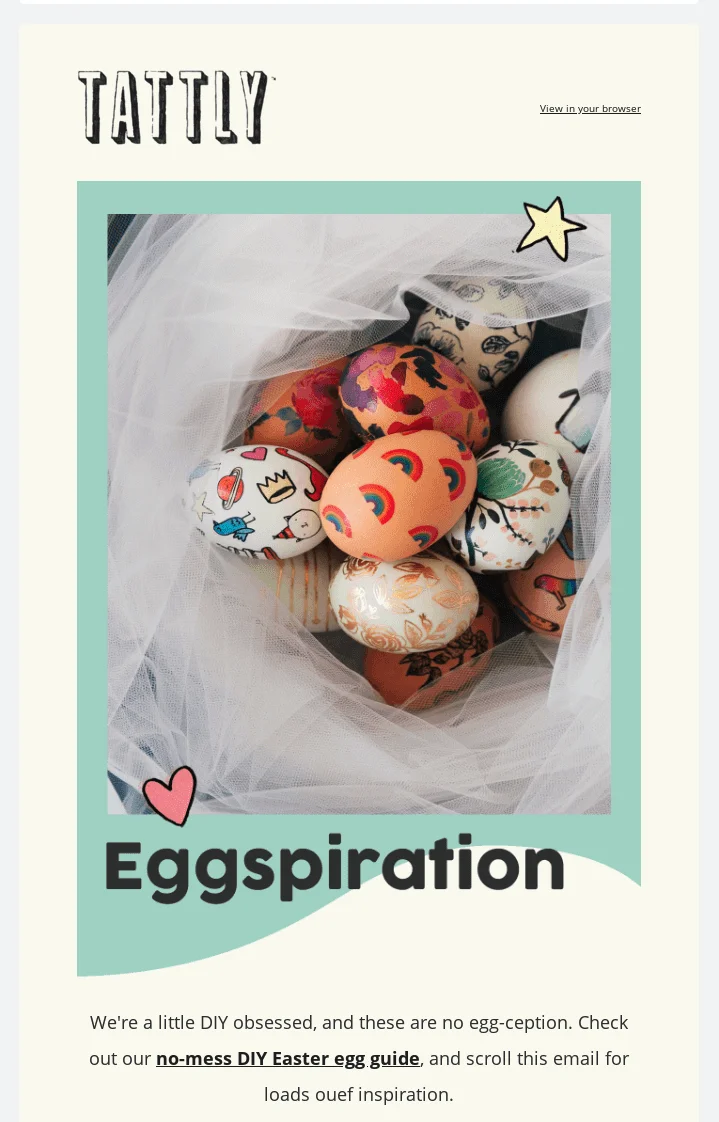
- April (Varies): Easter. Often a major retail event, with spending on candy, gifts, and decorations. In 2026, Easter falls in April. Marketers can create engaging "Easter egg hunt" style promotions, themed discounts, or family-oriented content.
- April 22: Earth Day. A critical day for brands to demonstrate their commitment to sustainability, promote eco-friendly products, and educate consumers on environmental issues.
- April 23: World Book Day. An opportunity for publishers, bookstores, and educational platforms to promote literacy and reading.
- April 26: World Intellectual Property Day. Relevant for industries focused on innovation and creativity.
Strategic Insight: Easter offers a blend of traditional and playful marketing opportunities. Earth Day is a powerful platform for showcasing corporate social responsibility and connecting with environmentally conscious consumers.
May: Celebration of Family and Fandom
May is a month of diverse celebrations, from global fandom to honoring parental figures.
- May 1: May Day (International Workers’ Day). A public holiday in many countries, often impacting business operations.
- May 4: Star Wars Day ("May the 4th Be With You"). A significant social media event for brands to engage with a passionate global fanbase, often leading to themed product launches or promotions.
- Second Sunday in May (US & many others): Mother’s Day. A major retail holiday focused on expressing appreciation for mothers. Campaigns should be mindful and offer opt-out options for subscribers who may find the day sensitive due to personal loss.
- Mid-May: Eurovision Song Contest Final. A massive entertainment event, particularly in Europe, offering opportunities for real-time engagement and themed content.
- May 31: Memorial Day (US). A federal holiday often marking the unofficial start of summer and associated with sales events.
Strategic Insight: Leverage the viral potential of Star Wars Day. Mother’s Day campaigns require sensitivity and diverse gift options. Consider local variations for holiday dates.
June: Summer Transition and Pride
As temperatures rise, consumer focus shifts towards summer activities, but June also brings important social and sporting events.
- June 1: Pride Month. A global celebration of LGBTQ+ rights and culture. Brands should demonstrate authentic support through inclusive campaigns, partnerships with LGBTQ+ organizations, and internal diversity initiatives.
- Third Sunday in June (US & many others): Father’s Day. Similar to Mother’s Day, this is a key gifting holiday.
- Mid-June: Start of Wimbledon (Tennis). A prestigious sporting event with global viewership, offering engagement opportunities for relevant brands.
- June 21: Summer Solstice (Northern Hemisphere). Marks the official start of summer, prompting promotions for outdoor gear, travel, and seasonal products.
- June 28: International PRIDE Day. Culminates Pride Month with widespread celebrations.
Strategic Insight: Summer can see a sales slump for some, making it an ideal time to stand out with creative, engaging campaigns. Pride Month requires genuine advocacy and support, not just "rainbow washing."
July: Holiday Season and Sporting Spectacles
July is characterized by peak holiday travel and significant sporting events, presenting unique marketing challenges and opportunities.
- July 1: Canada Day.
- July 4: Independence Day (US). A major national holiday with associated sales, patriotic themes, and family-oriented promotions.
- Early July: Tour de France (Cycling). A globally recognized sporting event, especially in Europe, attracting a dedicated audience.
- Mid-July: Wimbledon Finals. High-stakes tennis action draws significant viewership.
- July 17: World Emoji Day. A playful social media holiday for creative, engaging content.
- Late July: FIFA Club World Cup Final (2025 edition concluding in July 2026). A major international football tournament with global appeal.
Strategic Insight: While many consumers are on vacation, targeted campaigns leveraging email segmentation can re-engage audiences with timely offers. Sporting events provide natural content hooks and opportunities for real-time marketing.
August: Mid-Summer Momentum
August is often a slower month for business as summer peaks. However, it also presents a chance to re-engage audiences returning from vacation and prepare for the autumn surge.
- Early August: International Beer Day. A fun, lighthearted day for breweries and hospitality businesses.
- Mid-August: International Youth Day. An opportunity to engage with younger demographics and promote youth-focused initiatives.
- Late August: Women’s Equality Day (US). Commemorating the 1920 adoption of the Nineteenth Amendment.
- Late August: Start of Back-to-School shopping. While not a single date, this period ramps up throughout August and into September.
Strategic Insight: Utilize email segmentation to re-target contacts who may have missed previous offers while on holiday. Focus on "end of summer" deals and early "back-to-school" promotions.
September: Back to Business and New Goals
September often feels like a "second January," signaling a return to routine, new projects, and a renewed focus on productivity and learning.
- First Monday in September: Labor Day (US & Canada). Often associated with end-of-summer sales and marking the unofficial end of the holiday season.
- September 8: International Literacy Day. Relevant for educational and publishing sectors.
- Mid-September: Rosh Hashanah (Jewish New Year). A significant religious holiday, requiring respectful communication.
- September 22: Autumn Equinox (Northern Hemisphere). Marks the official start of autumn, inspiring seasonal themes.
- Late September: World Tourism Day. Relevant for travel and hospitality industries.
Strategic Insight: Capitalize on the "back-to-school" and "back-to-work" mindset. Campaigns can focus on productivity tools, educational resources, new season fashion, and re-engaging customers with special offers and sweepstakes. Recovering abandoned carts becomes particularly important.
October: The Spooky Season and Q4 Kick-off
October marks the official start of Q4 and the holiday season, making it a critical month for strategic planning and creative execution.
- October 1: International Coffee Day. A popular day for cafes and coffee brands.
- First Monday in October: World Habitat Day. For brands focused on housing, development, or sustainability.
- October (Varies): Yom Kippur (Jewish Day of Atonement). A solemn religious holiday.
- October 10: World Mental Health Day. An important day for brands to promote mental wellness and support relevant charities.
- Second Monday in October: Columbus Day (US) / Thanksgiving (Canada). Varying regional holidays.
- October 31: Halloween. A major retail holiday, particularly for costumes, candy, and decorations. Marketers can unleash creativity with spooky themes, contests, and festive promotions.
Strategic Insight: October is the launchpad for holiday season marketing. Begin planning Q4 campaigns early, focusing on festive themes and building anticipation for upcoming sales events. Halloween offers immense creative freedom for engaging content.
November: The B2C Sales Bonanza
November is arguably the most crucial month for B2C sales, dominated by Thanksgiving and the massive shopping events that follow.
- November 1: All Saints’ Day.
- Early November: Diwali (Hindu Festival of Lights). A major religious and cultural festival, with gift-giving and celebratory spending.
- November 11: Veterans Day (US) / Remembrance Day (Canada). A day to honor military veterans.
- Fourth Thursday in November: Thanksgiving (US). A family-focused holiday leading directly into the biggest shopping weekend of the year.
- Fourth Friday in November: Black Friday. The unofficial start of the Christmas shopping season, characterized by massive discounts and sales.
- Fourth Saturday in November: Small Business Saturday. Encourages consumers to support local, independent businesses.
- Fourth Monday in November: Cyber Monday. The largest online shopping day of the year, focusing on e-commerce deals.
Strategic Insight: These dates are "marked in red" on every marketing calendar. Campaigns for Black Friday and Cyber Monday require meticulous planning, often starting weeks in advance with teasers and early access offers. Email templates and automated flows are essential for managing the high volume of communications.
December: Festive Finale and Year-End Gratitude
December is the culmination of the year, filled with festive cheer, last-minute shopping, and opportunities for brands to express gratitude.
- December 1: World AIDS Day. An opportunity to support health initiatives.
- December (Varies): Hanukkah (Jewish Festival of Lights). An eight-day celebration with gift-giving.
- December 24: Christmas Eve. Last-minute shopping surges.
- December 25: Christmas Day. A global holiday, though marketing shifts to post-Christmas sales.
- December 26: Boxing Day (UK, Canada, Australia). A major post-Christmas sales event.
- December 31: New Year’s Eve. Celebrations and anticipation for the coming year.
Strategic Insight: December offers a final push for Q4 sales through holiday-themed campaigns and promotions. Beyond sales, it’s a prime time for expressing appreciation to customers through festive newsletters, engaging social media contests (e.g., best holiday decorations), or even creative team videos, fostering brand loyalty and goodwill into the new year.
Building Your Own Bespoke Marketing Calendar for 2026
Crafting an effective marketing calendar transcends merely listing dates; it demands a strategic alignment of business objectives, audience insights, and product lifecycles. For many, this integrative process can appear daunting. The following steps provide a structured approach:
- Define Core Business Objectives: Clearly articulate what you aim to achieve in 2026 (e.g., market share growth, customer acquisition, brand awareness, revenue targets).
- Identify Target Audience Segments: Understand who you are trying to reach, their demographics, psychographics, and seasonal purchasing behaviors.
- Map Out Key Product Launches/Updates: Integrate any new product releases, service updates, or significant company announcements into the timeline.
- Research Industry-Specific Events: Beyond general holidays, identify conferences, trade shows, or niche celebrations relevant to your sector.
- Analyze Historical Performance Data: Review past campaign successes and failures to inform future strategies and allocate resources effectively.
- Integrate Global and Local Holidays: Account for regional holidays and cultural observances relevant to your markets, ensuring cultural sensitivity.
- Allocate Budget and Resources: Assign financial resources and team members to specific campaigns, ensuring adequate capacity.
- Determine Content Themes and Formats: Plan content topics, messaging angles, and appropriate formats (e.g., blog posts, social media, video, email campaigns) for each period.
- Outline Promotional Offers: Detail the types of sales, discounts, or special incentives to be offered throughout the year.
- Establish Key Performance Indicators (KPIs): Define measurable metrics for each campaign to track success (e.g., conversion rates, engagement rates, ROI).
- Select Marketing Channels: Choose the most appropriate channels for each campaign, emphasizing an omnichannel approach where beneficial.
- Integrate Project Management Tools: Utilize software to schedule tasks, manage workflows, and collaborate effectively across teams.
- Schedule Regular Review Cycles: Plan periodic reviews of the calendar to make adjustments based on performance, market changes, or new opportunities.
Creating a comprehensive marketing calendar for 2026 is an investment in future success. It provides clarity, fosters alignment across departments, and ensures that marketing efforts are proactive, strategic, and impactful throughout the year. The detailed planning undertaken now will be the cornerstone of effective audience engagement and sustained business growth in the dynamic landscape of the coming year.









