
 rifanmuazin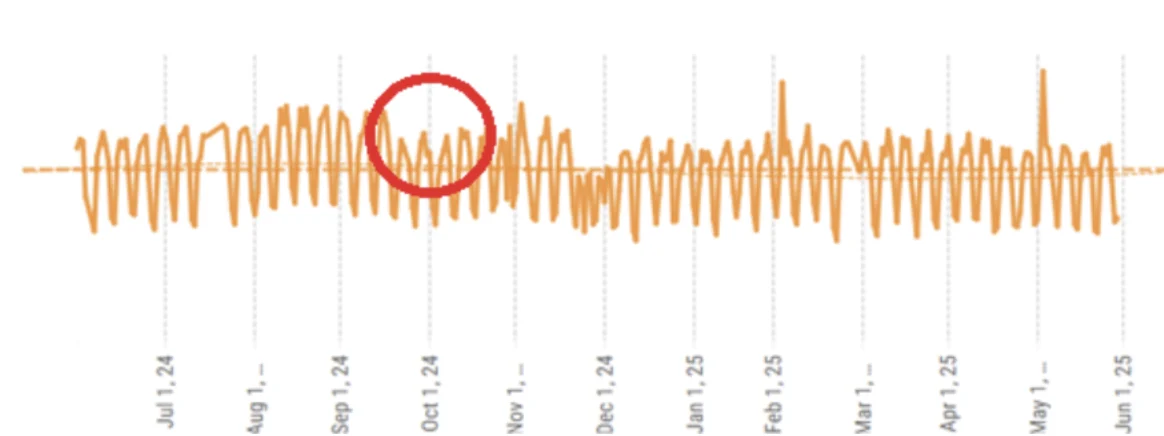
During periods of exceptionally high email volume, the successful placement of messages in recipient inboxes transcends the mere quality of an individual sender’s email program. Instead, it becomes intricately influenced by the broader digital ecosystem, a dynamic interplay of sender reputation, mailbox provider (MBP) capacity, and overall user engagement. This phenomenon is particularly evident during major national events, such as the intense political campaigning leading up to an election, which can exert significant pressure on the email channel, creating unexpected challenges for commercial marketers.
The period spanning Black Friday through Cyber Monday serves as a prime example of a high-volume sending environment where mailbox providers rapidly approach their operational limits. In response to this influx, MBPs often implement stricter throttling measures, increase deferrals, and are more prone to routing emails to spam folders or, in severe cases, rejecting them outright. During such times, senders with established reputations for high-quality content and strong engagement are prioritized, while those with lower quality scores often experience delays in delivery or even outright suppression.
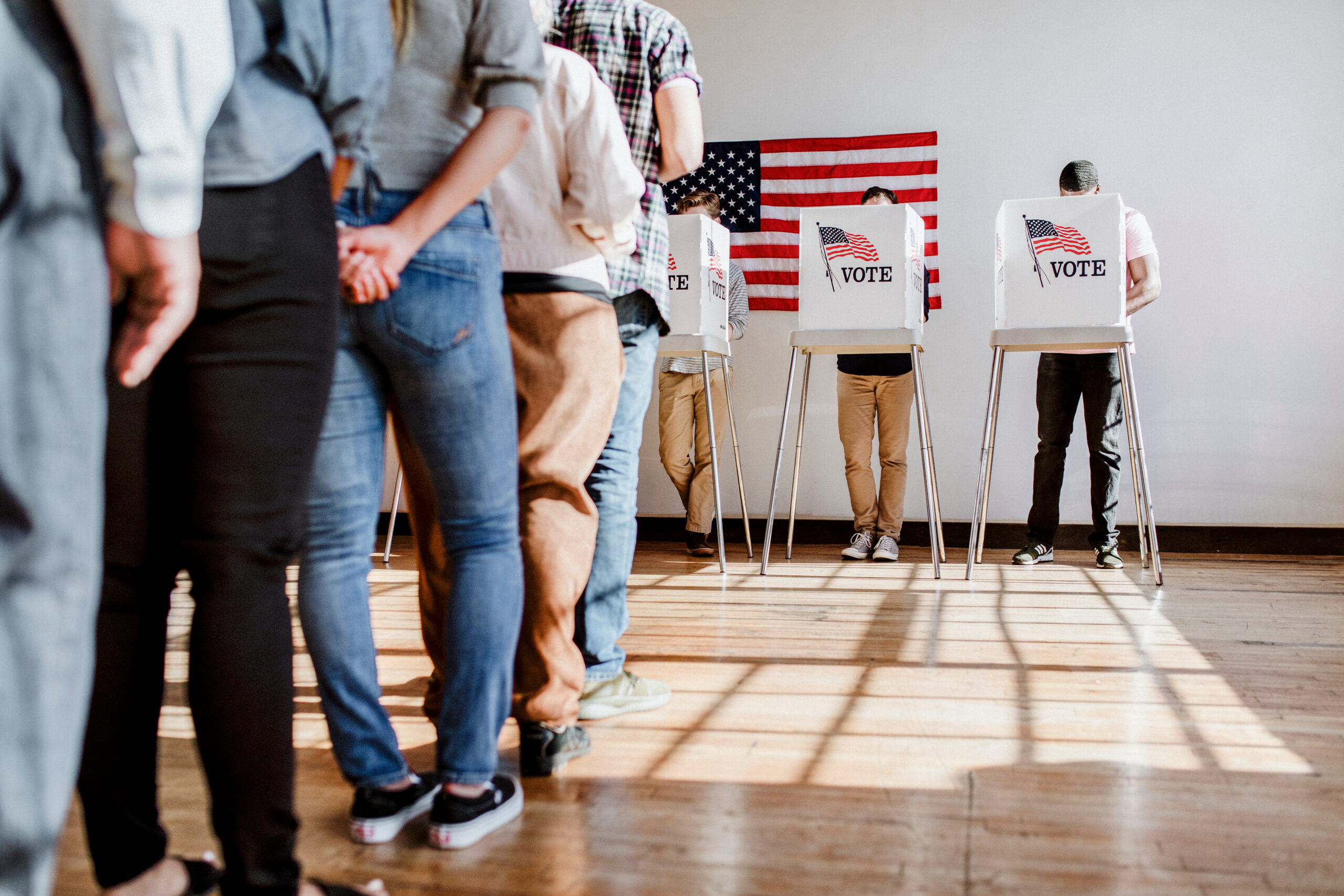
Elections, especially in politically charged environments like the United States, generate a comparable, if not more intense, pressure point on email infrastructure. Candidates, political parties, and Political Action Committees (PACs) rely heavily on email as a primary tool for fundraising, voter mobilization, and disseminating their platforms. It is not uncommon for political campaigns to send four or more messages daily from a single program as election day draws near. This concentrated surge in political messaging creates substantial “noise” in the inbox, leading to increased competition for attention and, crucially, heightened scrutiny from mailbox providers.
As the 2026 midterm elections approach, a critical question looms for commercial senders: will the anticipated surge in political email activity impede their marketing efforts, and will subscribers already be fatigued by the time the critical Black Friday sales period commences? To address these concerns and provide actionable insights, an in-depth analysis was conducted using the Validity Intelligence Network, examining data from the 2024 election cycle to understand its impact on email deliverability.
The 2024 Election: A Case Study in Deliverability Strain
The 2024 election provided a stark illustration of how political email campaigns can disrupt the entire email ecosystem. Among all major mailbox providers, Gmail’s performance during this period stood out as particularly affected. Gmail holds a dominant position in the U.S. email landscape, processing over half of all business-to-consumer (B2C) email marketing traffic. This makes its performance a bellwether for overall deliverability trends.
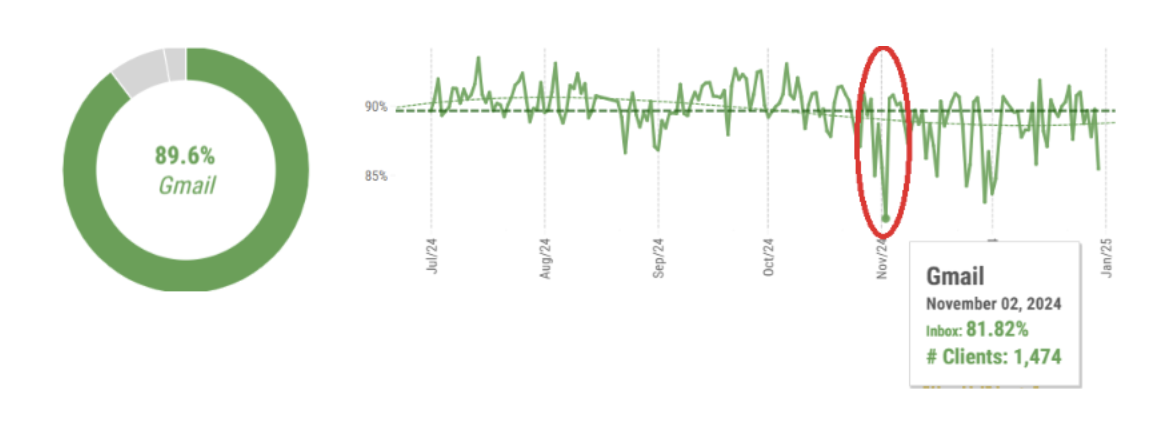
According to Validity’s 2026 Email Deliverability Benchmark report, Gmail typically maintains an average inbox placement rate (IPR) of 89.6 percent, a figure comfortably above the broader U.S. benchmark of 86.8 percent. (It’s worth noting that if Gmail’s substantial volume is excluded, the average U.S. IPR drops significantly to 83.4 percent, underscoring its influence.)
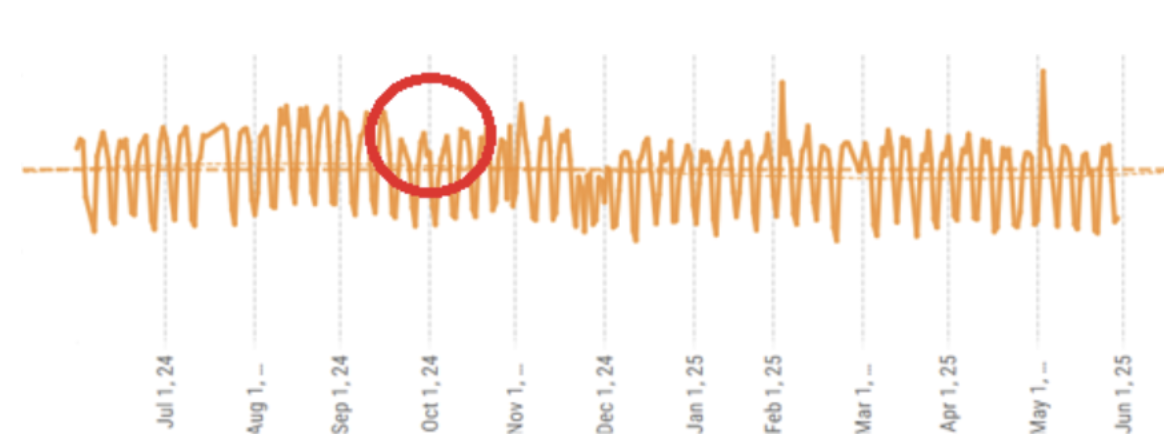
However, in the days immediately preceding the November 5, 2024 election, Gmail’s IPR experienced a notable decline, plummeting to 81.8 percent. This drop of nearly 8 percentage points is highly significant, given the sheer volume of email traffic handled by Gmail. Considering that the U.S. collectively sends approximately 10 billion emails per day, and slightly more than half of these are destined for Gmail addresses, an 8 percent drop in deliverability translates into an estimated 420 million additional emails landing in spam folders each day.
The financial implications of this deliverability degradation are substantial for commercial entities. With a typical marketing email generating an estimated $0.10 per message in revenue, this election-period deliverability pressure could have cost U.S. retailers approximately $42 million per day in lost potential revenue. This staggering figure underscores the direct economic consequences of email deliverability challenges during peak times.
Understanding Mailbox Provider Responses
To comprehend why such a significant drop in IPR occurs, it’s essential to understand Gmail’s filtering mechanisms. Gmail has historically been highly responsive to subscriber engagement signals. Positive signals, such as clicks, forwards, and replies, indicate that subscribers genuinely value and wish to receive messages from a particular sender. Conversely, negative signals, including spam complaints or messages deleted without being opened, push mail towards the spam folder.
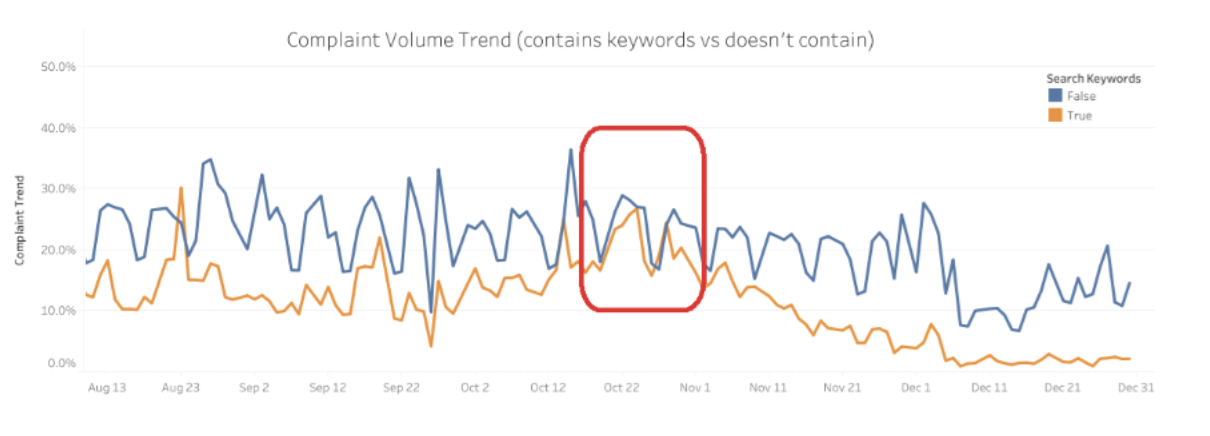
An analysis of complaint data from the Validity Intelligence Network, which tagged emails containing common political terms (e.g., “election,” “vote,” “donate,” “president”), revealed critical insights. Both political and non-political senders experienced above-average complaint rates in the pre-election period. Crucially, the peaks in spam complaints observed in the pre-election window were higher than those recorded during the Black Friday/Cyber Monday period just four weeks later.
This data leads to a clear inference: political campaigns do not merely generate complaints for themselves; their aggressive sending practices contribute to an increased negative sentiment and heightened complaint rates across the entire email channel. Political mailers are frequently criticized for their disregard of established email best practices. This often includes exceptionally high sending frequencies, the use of aggressive or urgent language, and minimal list segmentation or targeting. The resultant surge in spam complaints is therefore not coincidental but a direct consequence of these practices.
However, the analysis also revealed an interesting nuance: donation-focused emails from political programs generated spam complaints at one-third the rate of content and news emails from the same senders. This suggests that the core fundraising mechanics were not the primary driver of complaints; rather, it was the framing and presentation of general political content that elicited stronger negative reactions from recipients. This distinction highlights that even within political messaging, certain approaches are more likely to trigger adverse user responses.
Commercial Strategies Amidst Political Noise
Given the evident pressure on email deliverability, how did commercial senders respond during the 2024 election cycle? An examination of average daily campaign volumes from Validity customers during the pre-election period revealed a striking trend: average daily campaigns dropped by 5-10 percent in the four weeks leading up to election day. Many commercial senders opted to scale back their activity, only ramping back up once the election dust had settled. This proactive reduction in volume suggests that marketers were acutely aware of the heightened deliverability risks and potential for subscriber fatigue.
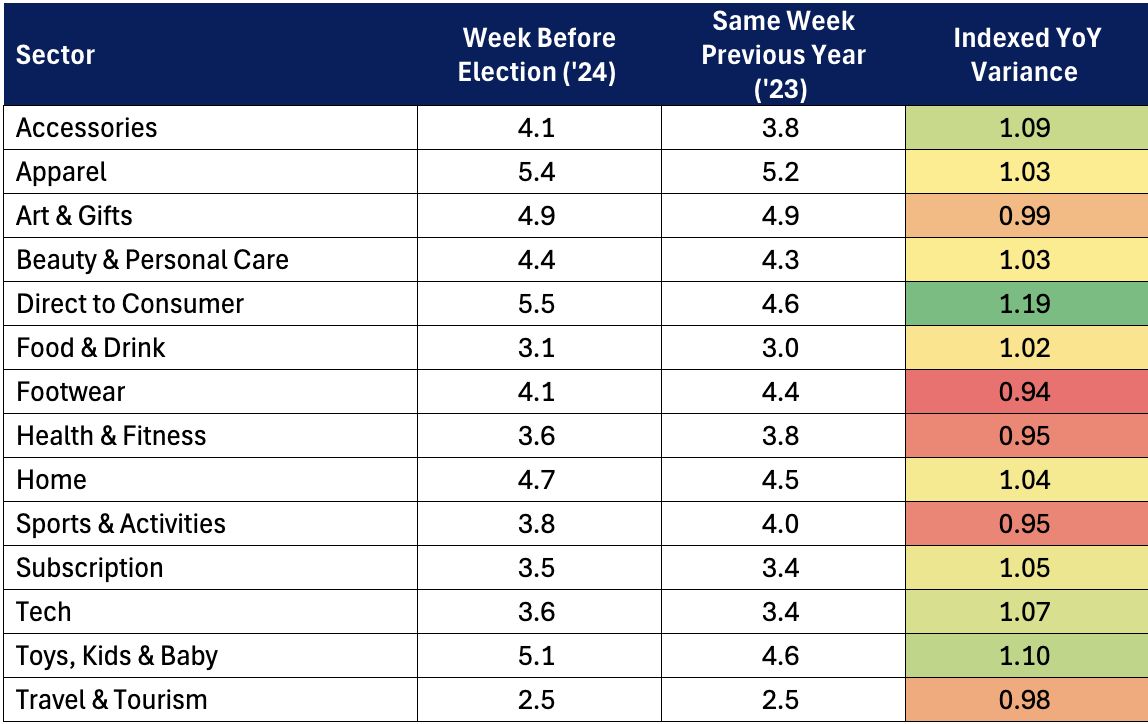
However, the response was not uniform across all sectors. Comparing sending frequency in the week immediately before the 2024 election with the same week in 2023 (a non-election year) provided further granularity:
- Increased Activity: Direct-to-Consumer (D2C) brands, businesses in the Toys/Kids/Baby sector, and Accessories retailers all demonstrated increased email activity during election week. This could indicate either a strategic decision to push through the noise, or perhaps these sectors cater to audiences less susceptible to political email fatigue, or their products align with consumer behavior during such times.
- Reduced Activity: Conversely, the Footwear, Health & Fitness, and Sports & Activities sectors largely pulled back their email volumes. This suggests a more cautious approach, perhaps anticipating lower engagement or higher deliverability challenges for their specific audiences and product types.
For those sectors that previously under-indexed their email activity during the 2024 election, the upcoming 2026 midterms might present a strategic opportunity. By understanding the nuances of deliverability and audience behavior, some brands might choose to selectively increase their presence, potentially capitalizing on reduced competition from other commercial senders who opt to scale back.
Outlook for 2026: A Shifting Landscape
Will the 2026 midterm elections present a similar challenge, or will the landscape have evolved? Several recent developments suggest that while challenges will persist, the dynamics might be somewhat different.
Firstly, a concerning trend is the overall decline in global inbox placement rates. After reaching a high-water mark of 87.2 percent in the previous year, global IPRs have trended downward, settling at 84.5 percent for Q2 2026. This means that the starting point for deliverability heading into this election cycle is already softer, implying that any additional pressure could have a more pronounced impact on overall inbox placement.
Secondly, and potentially beneficial for commercial senders, mailbox providers have significantly tightened bulk sender requirements. New policies and stricter enforcement mean that non-compliant senders are increasingly seeing their emails blocked outright or filtered directly to spam. This shift could disproportionately affect political mailers, which, as observed, typically generate high complaint rates due to their often aggressive and high-volume sending strategies. A larger share of political email volume might be suppressed before it can significantly impact overall inbox sentiment for legitimate commercial senders. This proactive filtering by MBPs could inadvertently alleviate some of the channel pressure experienced in previous election cycles.
Thirdly, the past 18 months have witnessed a wave of AI-powered inbox features rolled out by major MBPs. Tools like Gmail’s relevance-sorted Promotions tab, Gemini for Gmail, and Microsoft Copilot are designed to nudge subscribers toward more conversational, high-engagement inbox experiences. These advanced algorithms prioritize content that users are most likely to interact with positively. Consequently, senders who consistently generate low engagement signals will become less visible in the inbox. If political mailers fail to generate strong engagement, these AI-driven filters are likely to suppress them before they reach inboxes at scale. Reduced visibility for political campaigns, whether due to stricter rules or AI filtering, would translate to less overall pressure on the email channel, potentially benefiting commercial senders.
Strategic Engagement with Civic Themes
The decision to scale back email activity during election season is not universally applicable. For some brands, election season presents a genuine opportunity to align with broader themes of choice, freedom, and civic duty that resonate with a significant portion of consumers.
An analysis of examples from Validity’s data revealed how some brands effectively leaned into election themes in 2024. These ranged from patriotic product tie-ins and public service announcements encouraging voting, to clever wordplay and humor related to the electoral process. The most successful approaches shared several common characteristics: they remained strictly non-partisan, kept the political messaging light and generally inoffensive, and found a natural, authentic connection between the act of voting or civic engagement and their own products or brand values. Brands that employed humor ensured it was broad enough to appeal across the political spectrum, avoiding divisive jokes.
The key guardrail for such strategies is brand fit. Overtly political messaging, particularly anything perceived as partisan, carries a significant risk of alienating a substantial portion of the audience, potentially damaging brand loyalty and reputation. Interestingly, most brands that embraced election themes in 2024 were smaller businesses. These entities might be inherently less risk-averse about potential brand exposure or possess a more niche audience that aligns with such messaging. Larger, more established brands, for the most part, maintained a cautious stance, staying focused on their core marketing objectives and Black Friday preparations, rather than wading into the complexities of election-themed campaigns.
Best Practices for Future Election Cycles
The data from the 2024 election cycle unequivocally demonstrates that election season represents a significant deliverability pressure point for all email senders, not solely political campaigns. Inbox placement rates can decline, complaint rates can spike, and this pressure often peaks well in advance of major commercial events like Black Friday.
Therefore, the most effective defense for commercial senders remains consistent: maintaining a robust sender reputation built on consistent positive engagement, cultivating a healthy and well-managed subscriber list, and developing a clear, adaptable timing strategy for email campaigns heading into November. Proactive monitoring of key deliverability metrics is paramount.
While there is reason to believe that the 2026 midterms may be somewhat less disruptive due to evolving MBP policies and AI-driven filtering, this should not lead to complacency. Continuous vigilance over email metrics and a willingness to adjust sending strategies are crucial. For brands considering creatively tapping into election themes, the lessons from 2024 are clear: keep the messaging light, strictly non-partisan, and authentically rooted in the brand’s products or values. As a general rule, expressions of civic pride tend to travel well and resonate broadly, whereas overt political stances risk alienating potential customers. Understanding and adapting to these dynamics will be key for commercial senders navigating the increasingly complex email landscape during future election cycles.
For those seeking more in-depth analyses of deliverability trends and how their performance stacks up against global and industry standards, consulting comprehensive resources such as the 2026 Email Deliverability Benchmark report is highly recommended.









