

In the rapidly evolving landscape of global e-commerce, the category page serves as the critical connective tissue between a landing page and a final conversion. Often referred to as the “digital storefront window,” these intermediary pages are tasked with the complex challenge of organizing vast inventories while simultaneously guiding diverse user personas toward a purchase decision. Recent industry data suggests that while product detail pages (PDPs) are where the final transaction is initiated, the efficiency of category pages—also known as listing pages—directly correlates with a 20% to 30% increase in average order value (AOV) when optimized correctly. As retailers face increasing competition and rising customer acquisition costs, the strategic refinement of these pages has shifted from a design preference to a fundamental business necessity.
The Psychological Foundation: Defining Intent and Purpose
The primary hurdle in category page optimization is the failure to align page design with user intent. Digital marketing analysts categorize the role of these pages into three distinct functions: browsing, deciding, and buying. A browsing-focused visitor is in the early stages of the sales funnel, seeking to understand the breadth of a brand’s offerings. For these users, an interface that pushes aggressive “Add to Cart” buttons can create significant friction. This phenomenon, often referred to as “decision conflict,” occurs when a user is forced to make a high-commitment choice before they have gathered sufficient information.
When a browsing visitor encounters a conversion-heavy layout, they are frequently forced to backtrack. Instead of exploring the catalog, the user begins to question whether they are ready to purchase, leading to a cognitive overload that often results in site abandonment. To mitigate this, industry experts recommend that browsing-focused pages prioritize high-quality imagery, clear subcategory links, and educational content that assists the user in narrowing their focus. By contrast, “buying-focused” pages, designed for returning customers or those with high-intent search queries, benefit from streamlined “Quick Buy” features and prominent price displays.
A Chronology of E-Commerce Navigation Standards
The evolution of category page architecture has followed a clear trajectory over the last two decades. In the early 2000s, category pages were little more than static lists of hyperlinks, offering minimal visual context. By 2010, the rise of “faceted navigation” allowed users to filter products by basic attributes like size or color. Today, the standard has moved toward “intelligent taxonomy,” where pages dynamically adjust based on real-time user behavior and historical data.
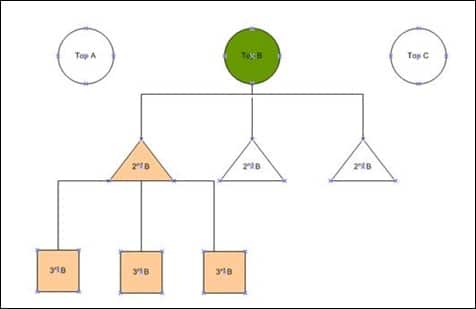
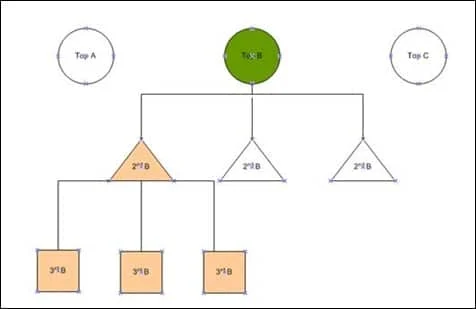
The modern standard for information architecture dictates a “Three-Level Rule.” Industry benchmarks indicate that user engagement drops significantly when a site requires more than three levels of sub-categorization to reach a specific product. For instance, a top-level category like “Electronics” must be broken down into “Computers,” which then funnels into “Laptops.” Attempting to nest further—such as “Gaming Laptops” then “15-inch Gaming Laptops”—often leads to “pogo-sticking,” where users constantly jump back and forth between levels, losing their place in the digital aisle. To maintain flow, retailers are now encouraged to highlight “child” categories within the parent page, providing a visual roadmap for the next step in the journey.
Quantitative Analysis: The Role of Analytics in UX Design
Evaluating the success of a category page requires a deep dive into specific performance metrics, most notably the exit rate. In a healthy e-commerce ecosystem, the exit rate of a category page should ideally mirror the site-wide average. A spike in exit rates on a specific category page is a primary indicator of “navigational failure.” This suggests that the visitor, upon reaching the page, found the layout confusing, the filtering inadequate, or the product density overwhelming.
Supporting data from user experience (UX) research firms highlights that category pages with load times exceeding 2.5 seconds see an abandonment increase of over 15% per additional second. Furthermore, heat mapping technology has revealed that users typically focus on the top-left quadrant of a category grid. If the most relevant filters or high-demand subcategories are buried below the fold or hidden in obscure menus, the page fails its primary objective of facilitation. Retailers are increasingly using session recordings to identify where users “stumble,” such as clicking on non-interactive elements or repeatedly refreshing filters that return zero results.
Feature-Driven vs. Needs-Based Categorization
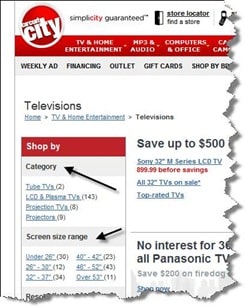
A critical advancement in e-commerce strategy is the distinction between product features and consumer needs. Feature-based navigation allows users to filter by technical specifications. For example, a consumer shopping for a television may filter by screen size (e.g., 65 inches), resolution (e.g., 4K), or brand (e.g., Sony). This is essential for the “informed buyer” who knows exactly what technical requirements they have.
However, the “needs-based” approach addresses the “problem-solving buyer.” This strategy, utilized effectively by major retailers like Best Buy and Amazon, categorizes products by their intended use. Instead of just “Laptops,” a site might offer categories such as “Laptops for Students,” “Laptops for Video Editing,” or “Laptops for Basic Home Use.” This psychological framing assists the user in making a selection based on their lifestyle rather than technical expertise. By aligning the product taxonomy with the “why” behind the purchase, retailers can significantly reduce the time-to-purchase and improve the overall customer experience.
The Integration of Decision Support Systems
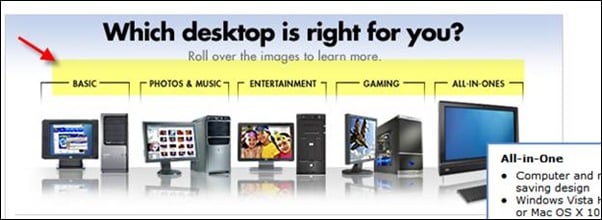
As products become more complex, the role of the category page expands into that of a digital consultant. For high-consideration purchases—such as appliances, high-end electronics, or specialized sporting equipment—simple grids are often insufficient. Leading e-commerce platforms are now integrating “Buying Guides” and “Product Wizards” directly into the category page environment.
These tools serve as a bridge for the undecided consumer. A buying guide might explain the difference between various types of camera sensors, while a wizard might ask the user three questions about their skill level and budget before recommending a specific subcategory. Industry reactions to these implementations have been overwhelmingly positive, with some retailers reporting a 15% increase in conversion rates for users who engage with educational content on category pages. This transition from “selling” to “assisting” builds brand authority and reduces the likelihood of product returns, as customers feel more confident in their final selection.
The Iterative Nature of Category Optimization
One of the most vital takeaways for modern retailers is that category page design is never truly finished. The “set it and forget it” mentality is frequently cited by analysts as a reason for declining market share. The implementation of A/B testing and multivariate testing is now standard practice for top-tier e-commerce brands.
A common case study in the industry involves a major retailer that implemented a “needs-based” filter at the top of their category pages, assuming it would revolutionize their UX. However, heatmaps and click-through data revealed that their specific demographic ignored the new feature entirely, preferring the traditional sidebar filters. This underscores the importance of data-driven decision-making; what works for a fashion retailer may fail for a B2B industrial supplier. Testing allows brands to validate assumptions about button placement, image sizes, and the inclusion of “Add to Cart” functions versus “View Details” links.
Broader Implications and Long-Term Impact
The optimization of category pages carries implications that extend far beyond immediate sales. From an SEO (Search Engine Optimization) perspective, category pages are often the most powerful assets a website possesses. They typically rank for broad, high-volume keywords that have a higher search frequency than specific product names. A well-structured category page with optimized headers, internal linking, and relevant content acts as a “hub,” distributing authority to individual product pages and improving the site’s overall visibility in search engine results pages (SERPs).
Furthermore, as the industry moves toward a “mobile-first” reality, the constraints of smaller screens demand even more rigorous category page discipline. On mobile devices, the “Three-Level Rule” becomes even more critical, as excessive scrolling and complex menus lead to rapid user fatigue. The future of category pages likely lies in AI-driven personalization, where the order of products in a grid is dynamically re-sorted based on the individual user’s browsing history, geographic location, and predicted preferences.
In conclusion, the e-commerce category page is a sophisticated tool that requires a balance of psychology, data science, and technical precision. By defining the page’s purpose, maintaining a clean hierarchy, leveraging analytics, and continuously testing new features, retailers can transform these transitional spaces into high-performing engines of growth. As the digital marketplace continues to saturate, the brands that master the art of the “digital aisle” will be the ones that secure long-term consumer loyalty and sustainable commercial success.







