

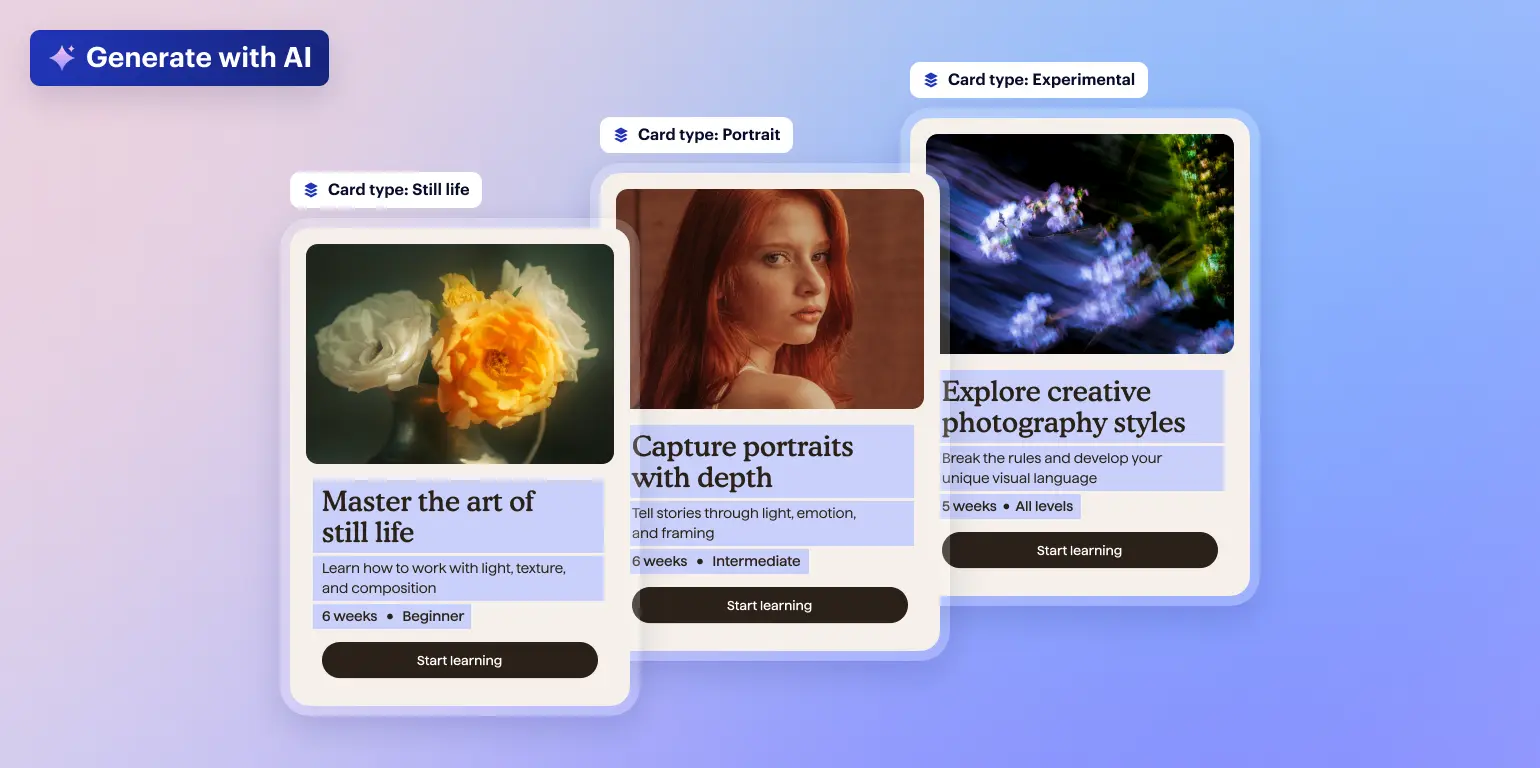
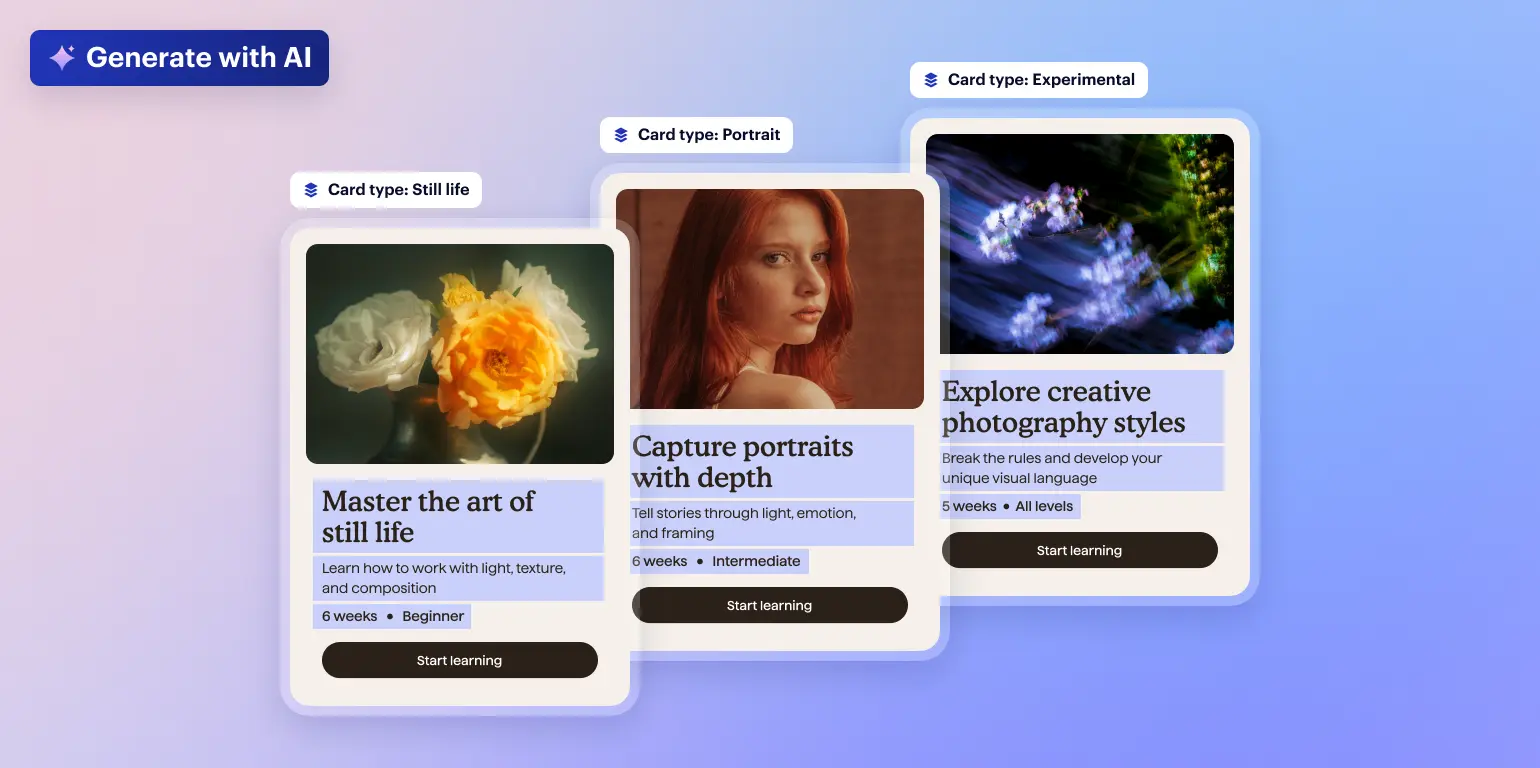
Instapage, a leading provider of post-click automation and landing page solutions, has officially unveiled AI Collections, a sophisticated suite of tools designed to eliminate the operational bottlenecks that have historically hindered large-scale marketing personalization. For years, digital marketers have operated under the consensus that personalized user experiences drive higher conversion rates and better return on ad spend (ROAS); however, the practical application of this strategy has remained a significant challenge. The launch of AI Collections marks a pivotal shift in the industry, moving from manual page duplication to an automated, AI-driven workflow that allows teams to generate and manage hundreds of personalized landing pages with unprecedented speed and precision.
The Personalization Gap in Modern Digital Marketing
While the theoretical benefits of personalization are well-documented, the "execution gap" has remained the primary obstacle for marketing departments ranging from small startups to global enterprises. Traditionally, creating a personalized experience for different audience segments meant manually duplicating existing landing pages, editing copy for specific keywords, and managing these assets across disparate spreadsheets. This manual labor often resulted in "campaign fatigue," where teams would eventually revert to generic pages due to the sheer volume of work required to maintain unique versions for every ad group or demographic.
Industry data suggests that personalized experiences can improve conversion rates by up to 20% or more. According to research from McKinsey & Company, companies that excel at personalization generate 40% more revenue from those activities than average players. Despite these incentives, a report from Econsultancy indicated that only a small fraction of marketers felt they had the technical infrastructure to execute personalization at scale. Instapage’s AI Collections aims to address this discrepancy by streamlining the creation process, reportedly allowing teams to build personalized pages up to three times faster than manual methods.
Technical Overview: How AI Collections Automates Personalization
The core of the AI Collections platform is a centralized content table that functions as the "brain" for a marketing campaign. Rather than treating each landing page as a separate, isolated file, the system views a campaign as a collection of dynamic entries. This structural change allows marketers to manage large-scale initiatives from a single dashboard.
The workflow begins with the creation of a master template. Marketers take a high-performing page and transform it into a "Collection template." This template acts as the foundation for all subsequent variations. Within this framework, the AI Collections tool introduces a built-in content table where each row represents a unique page and each column represents a specific content variable—such as headlines, body copy, images, or calls to action.
Automated AI Placeholders
One of the most significant technical hurdles in dynamic page creation is the placement of variables. In older systems, developers or designers had to manually code placeholders into the HTML or use complex "find and replace" logic. AI Collections simplifies this through AI-driven analysis. The AI scans the layout of the template and automatically identifies optimal locations for dynamic content. These AI placeholders ensure that the design remains cohesive regardless of the content being injected. Users retain the ability to review, edit, or remove these placeholders, but the initial heavy lifting is handled by the algorithm.
Generative Content Capabilities
Once the structure is established, the platform leverages generative AI to populate the content table. Instead of writing 50 different headlines for 50 different geographic locations or industry verticals, a marketer can provide a single prompt describing the target audience and the core messaging goal. The AI then generates publish-ready content tailored to each specific entry in the table. When integrated with Instapage’s "fluid grid blocks," the layout automatically adjusts to accommodate varying text lengths, ensuring that the mobile and desktop versions of the pages remain visually polished without manual intervention.
Chronology of the Personalization Evolution
The development of AI Collections is the latest step in a decades-long evolution of landing page technology. To understand the significance of this launch, one must look at the trajectory of the MarTech (Marketing Technology) industry:
- The Era of Static HTML (1990s – 2000s): Landing pages were hard-coded. Any change required a developer, making personalization nearly impossible for the average marketing team.
- The Rise of WYSIWYG Builders (2010 – 2015): Tools like Instapage and its competitors introduced "What You See Is What You Get" editors. This democratized page creation but still relied on a "one-to-one" creation model.
- Dynamic Text Replacement (2016 – 2021): Basic scripts allowed for simple keyword insertion (e.g., changing a headline based on a URL parameter). While effective for search ads, it lacked the depth to change entire narratives or visual layouts.
- The AI Integration Phase (2022 – Present): With the explosion of Large Language Models (LLMs), platforms began integrating AI assistants to help write copy.
- The Automation of Scale (2025 and Beyond): Instapage’s AI Collections represents the shift from "AI as a writer" to "AI as an architect," where the entire workflow—from layout to content to scaling—is unified under an automated system.
Supporting Data and Market Analysis
The move toward automated personalization is driven by the increasing cost of digital advertising. As Cost-Per-Click (CPC) rates rise on platforms like Google Ads and Meta, the efficiency of the "post-click" experience becomes the deciding factor in a campaign’s profitability.
Data from recent industry surveys highlights the following trends:
- Ad Relevance: Google’s "Quality Score" heavily weights the relevance of a landing page to the ad trigger. Higher relevance leads to lower CPCs. AI Collections allows for hyper-relevance across thousands of keywords, directly impacting the bottom line.
- Time-to-Market: In a fast-moving economy, the ability to launch a campaign in hours rather than weeks is a competitive advantage. Instapage’s claim of a 3x speed increase suggests that a team could theoretically triple their campaign output without increasing headcount.
- Consistency: Manual editing is prone to human error—broken links, typos, and inconsistent branding. Centralized management in a content table minimizes these risks by applying global rules across the entire collection.
Industry Reactions and Expert Perspectives
While Instapage has not released a list of official partner statements, industry analysts suggest that this move is a direct response to the growing demand for "Agile Marketing."
"The bottleneck in digital marketing has shifted from the ‘buy’ to the ‘experience,’" notes an independent MarTech analyst. "We have the tools to target anyone in the world with surgical precision, but we haven’t had the tools to actually talk to them individually once they click. AI Collections is essentially trying to solve the ‘at-scale’ part of that conversation."
Marketing agencies, in particular, are expected to be early adopters of this technology. For agencies managing multiple clients with vast product catalogs, the ability to generate specific landing pages for every SKU (Stock Keeping Unit) or service area without a massive design budget represents a significant expansion of their service capabilities.
Strategic Implications for Marketing Teams
The deployment of AI Collections suggests several long-term implications for the structure of marketing departments. First, the role of the "Landing Page Specialist" may evolve from a creative/technical executor to a prompt engineer and data strategist. The focus will shift from how to build a page to what the strategy behind the collection should be.
Second, the barrier to entry for sophisticated "Account-Based Marketing" (ABM) is being lowered. Previously, only enterprise companies with significant resources could afford to create bespoke pages for individual high-value prospects. With AI Collections, even a small B2B firm can create a personalized landing page for every one of their top 500 leads.
Finally, there is the implication of SEO and organic reach. While AI Collections is primarily marketed for paid media (PPC), the ability to generate high-quality, relevant content across a wide array of sub-topics could have significant impacts on "programmatic SEO" strategies, where companies create thousands of pages to capture "long-tail" search queries.
Conclusion and Future Outlook
Instapage’s introduction of AI Collections is a clear signal that the future of marketing lies in the intersection of automation and relevance. By removing the manual labor associated with page duplication and content entry, the platform allows marketers to return to high-level strategy and creative experimentation.
As AI models continue to advance, it is likely that these collections will become even more autonomous, perhaps eventually utilizing real-time user data to adjust layouts and messaging on the fly. For now, the focus remains on empowering human teams to execute their visions at a scale that was previously unimaginable. Instapage is currently offering a 14-day free trial of the system, inviting brands to test the 3x speed claim and experience the new era of automated personalization firsthand. In an era where consumer attention is the most valuable currency, the ability to deliver a perfectly tailored message at the exact moment of interest is no longer just an advantage—it is a necessity for survival in the digital marketplace.







