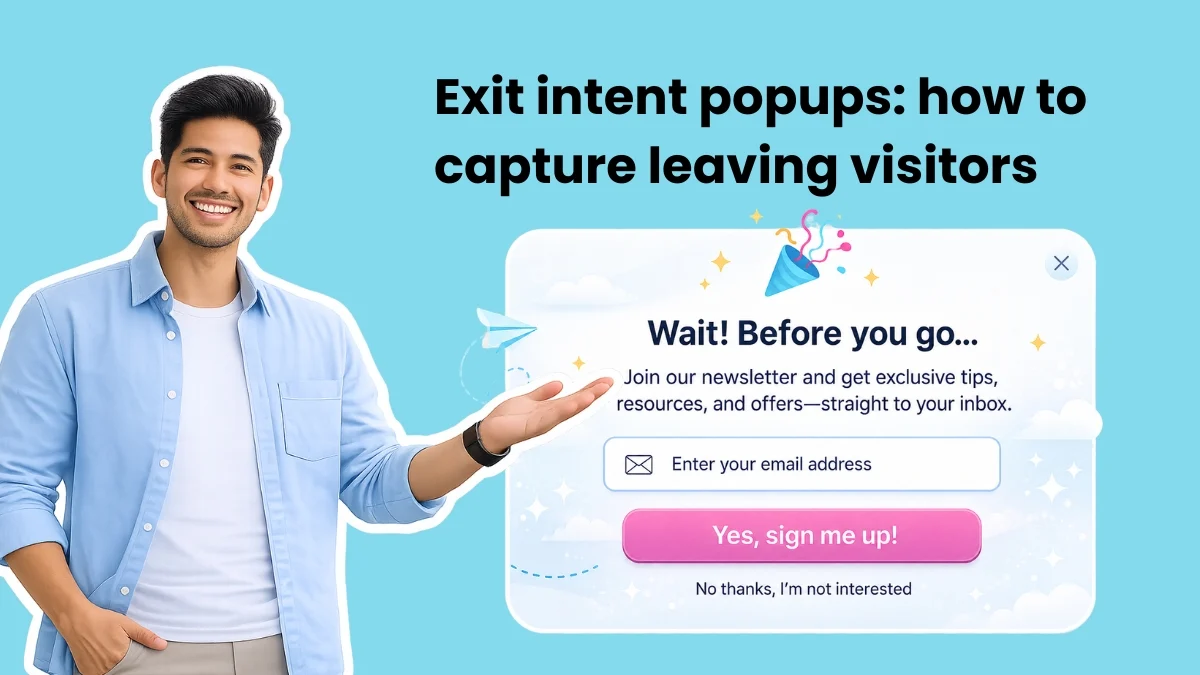
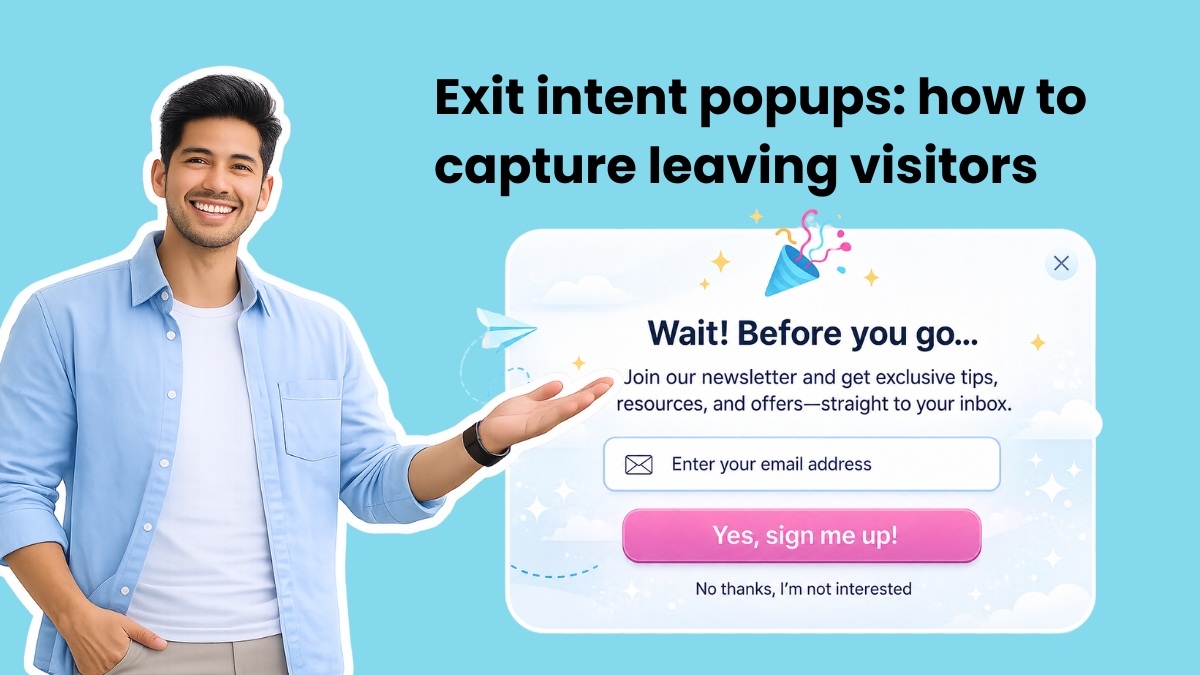
Exit-intent popups, sophisticated signup forms designed to appear precisely when a visitor signals an intention to leave a website, have become an indispensable tool in the arsenal of modern digital marketers. This technology provides a crucial last opportunity to engage and convert individuals who are moments away from departing a site, transforming a potential bounce into a valuable lead or customer. Originating from the broader category of website popups, exit-intent forms distinguish themselves through their intelligent timing and non-intrusive delivery, directly addressing the common user frustration associated with untimely interruptions.
The Evolving Landscape of Online Engagement
The history of web popups is fraught with user annoyance, dating back to the early days of the internet when intrusive, content-blocking advertisements were commonplace. These early iterations often triggered immediately upon page load or after a fixed duration, disrupting the user experience and contributing to high bounce rates. As user experience (UX) design gained prominence and internet users became more discerning, the demand for less interruptive engagement methods grew. This shift necessitated the development of smarter technologies capable of interacting with users without hindering their primary browsing activity.
Exit-intent technology emerged as a direct response to this need, leveraging advanced behavioral tracking to infer a user’s intent to leave. This innovation marked a significant turning point, allowing marketers to present offers at a moment when the user had completed their content consumption, made a judgment about the site, and was in a decisive state regarding their next action. Rather than interrupting browsing, exit-intent popups capitalize on the natural pause before departure, reframing the exit into a final decision point.
Defining Exit-Intent Technology
At its core, an exit-intent popup is a dynamic overlay that activates based on specific user behaviors indicative of leaving a webpage. Its primary objective is to capture the visitor’s attention and provide a compelling reason to stay, subscribe, or convert, just as they are about to navigate away. This could manifest as an offer, a resource, a discount, or an invitation to join a community, all designed to add perceived value and prevent the immediate loss of a potential lead.
The Mechanics Behind the Moment: Desktop and Mobile Innovations
The effectiveness of exit-intent technology lies in its sophisticated detection mechanisms, which vary significantly between desktop and mobile environments.
On desktop platforms, the system typically relies on client-side JavaScript to meticulously track the visitor’s mouse movements. When the cursor rapidly moves towards the upper regions of the browser window—specifically, the close button, tab bar, or address bar—the script interprets this trajectory and velocity as a clear signal of exit intent. Upon detecting this pattern, the popup is triggered, appearing before the user can fully close the page. This predictive capability is crucial, allowing for intervention at the optimal moment.
Mobile environments, lacking a traditional cursor, necessitate an entirely different approach. Here, exit triggers respond to a range of touch-based and browser-level signals. Common indicators include:
- Pressing the back button: A clear signal that the user intends to return to a previous page or search results.
- Switching tabs: Moving away from the current tab often implies disengagement.
- Fast-scrolling back to the top of a page: While not always an exit signal, rapid scrolling upwards can sometimes indicate a user looking for a navigation menu or preparing to close the tab.
- Device-specific gestures: Some operating systems or browsers have unique gestures that can be interpreted as an attempt to exit.
The continuous evolution of mobile technology and browser capabilities ensures that these detection methods become increasingly precise, allowing marketers to reach mobile users with the same strategic timing as their desktop counterparts, albeit through different interaction patterns.
The Psychological Edge: Why Exit-Intent Popups Resonate
The success of exit-intent popups is deeply rooted in several psychological principles, making them highly effective conversion tools:
- Non-Interruption Principle: Unlike traditional popups that can interrupt a user mid-read or mid-task, exit-intent forms wait for a natural break in engagement. The visitor has already consumed the content, formed an opinion, and made the decision to leave. This timing makes the offer feel less intrusive and more like a helpful suggestion at a critical juncture.
- Loss Aversion: Humans are generally more motivated by the fear of losing something than by the prospect of gaining something. An exit-intent offer can tap into this by presenting a valuable resource or discount that the user would "lose out on" if they simply left the site.
- Last Chance Effect: Presenting an offer just before departure creates a sense of a "last chance" opportunity. This can prompt immediate action from users who might otherwise procrastinate or forget about the offer.
- Reciprocity: If a user has gained value from the site’s content, they may feel a subconscious inclination to reciprocate, especially if the exit-intent offer provides additional, related value.
- Decision Point Intervention: By appearing at the exact moment a user has decided to leave, the popup effectively reintroduces a new decision point. Instead of just "leaving," the user now has a choice between "leaving without the offer" or "accepting the offer and then leaving (or staying)."
This confluence of psychological triggers, combined with precise technological timing, positions exit-intent popups as a powerful mechanism for converting otherwise lost traffic.
Quantifying the Impact: Data and Conversion Insights
Numerous studies and industry reports consistently highlight the significant conversion potential of exit-intent technology. While conversion rates vary widely depending on industry, offer relevance, and website traffic quality, marketing analysts suggest that well-optimized exit-intent popups can achieve conversion rates significantly higher than standard, time-based popups. For instance, some reports indicate average conversion rates for exit-intent forms ranging from 2% to 10%, with highly optimized campaigns sometimes exceeding 15%. This stands in contrast to general popup conversion rates, which might average 1-3%.
For businesses, this translates directly into increased lead generation, accelerated email list growth, and ultimately, enhanced sales figures. By converting even a small percentage of abandoning visitors, companies can dramatically reduce their effective bounce rate and improve the overall return on investment (ROI) from their marketing efforts. The ability to capture email addresses before a visitor disappears allows for continued nurturing through email marketing campaigns, transforming a fleeting visit into a long-term customer relationship.
Streamlined Implementation: Traditional vs. AI-Powered Solutions
Implementing exit-intent popups has evolved from a somewhat technical process to increasingly user-friendly solutions, particularly with the advent of artificial intelligence (AI).
Traditional Approach:
Historically, setting up exit-intent popups typically involved a two-step process:
- Form Design: Using a visual drag-and-drop editor, marketers would design the aesthetic elements of the signup form, including layout, headlines, fields (e.g., email, name), colors, and branding. This form would then be connected to an email marketing platform.
- Trigger Configuration: Separately, within the targeting or display settings of the popup tool or plugin, marketers would select "exit intent" as the trigger. Additional parameters such as specific pages for display, frequency (e.g., once per visit, once per week), and mobile visibility would also be configured.
While effective, this method often required multiple rounds of setup and design decisions made prior to fully considering the trigger logic, adding layers of complexity and time to the deployment process.
The Rise of AI in Form Building:
The landscape has been significantly streamlined by AI-powered tools, exemplified by platforms like AWeber’s AI Signup Form Builder. These solutions represent a paradigm shift, allowing marketers to create fully functional exit-intent popups from a single, natural language text prompt. For instance, a user might simply instruct the AI: "create a popup offering my free email marketing checklist, triggered on exit intent."
The AI then generates a complete solution, encompassing:
- Design: A visually appealing form aligned with brand aesthetics.
- Copy: Engaging headlines and body text relevant to the offer.
- Configuration: The exit-intent trigger is automatically set up, along with default display rules.
This approach offers several profound benefits:
- Efficiency: Drastically reduces setup time from hours to minutes.
- Accessibility: Lowers the technical barrier, enabling small business owners and non-technical marketers to deploy sophisticated conversion tools.
- Consistency: Helps maintain brand consistency by generating designs based on implied or specified brand guidelines.
- Seamless Integration: Once generated, the popup often requires only a single JavaScript snippet installed on the website. Subsequent changes made within the AI builder automatically update the live form, eliminating the need for further site code modifications.
This integration-first approach means that new subscribers are immediately connected to existing email lists, tags, and automated sequences within the marketing platform, creating a cohesive and efficient lead nurturing workflow.
High-Impact Strategies: Six Proven Exit-Intent Patterns
The versatility of exit-intent popups allows for a range of strategic applications, each tailored to specific marketing goals and audience segments. Here are six high-performing patterns:
-
The Content Upgrade:
- Best for: Blog posts, resource pages, educational content.
- Description: This strategy offers a bonus piece of content directly related to what the visitor has just consumed. For example, after reading an article on "email marketing tips," the popup might offer a "free downloadable email marketing checklist" or an "advanced guide to segmentation."
- Style Idea: A small preview thumbnail of the PDF or guide on the left, with a compelling headline and a single email field on the right. This visually reinforces the value being offered.
- Impact: Highly effective for lead nurturing and building authority. It leverages the reader’s immediate interest, turning a content consumer into a qualified lead.
-
The Discount Offer:
- Best for: E-commerce stores, service businesses with introductory pricing.
- Description: A direct incentive to purchase or sign up, often a percentage discount, free shipping, or a special introductory rate. This is particularly powerful for users who have browsed products or pricing pages but haven’t converted.
- Style Idea: Bold background color from the brand palette, a large percentage number (e.g., "15% OFF!") as the focal point, minimal copy, and a high-contrast call-to-action button with a single email field.
- Impact: Directly addresses price sensitivity and can significantly reduce cart abandonment and increase immediate sales.
-
The Quiz or Assessment:
- Best for: Consultants, coaches, SaaS companies with multiple plans, educational platforms.
- Description: Engaging users with a short quiz or assessment that offers personalized results, recommendations, or a tailored plan. This transforms a passive visitor into an active participant.
- Style Idea: Features progress dots at the top to manage expectations, with one question visible at a time. Soft gradients or illustrated backgrounds create an approachable, non-corporate feel.
- Impact: Excellent for lead qualification, gathering valuable user data, and delivering personalized value propositions, which are crucial for high-ticket services or complex products.
-
The Newsletter/Community Opt-in:
- Best for: News outlets, content creators, community-driven businesses, thought leaders.
- Description: A simple and direct invitation to join an email list or a community, often highlighting the number of existing subscribers or the unique value of ongoing engagement (e.g., "Join 10,000 like-minded marketers").
- Style Idea: Minimal design with the subscriber count as the hero element, large and bold. One or two short lines of supporting copy explain the benefit, followed by a single email field.
- Impact: Builds a loyal audience, fosters community, and provides a direct channel for ongoing communication and content distribution.
-
The Free Tool:
- Best for: SaaS companies, financial services, marketing tools, utility providers.
- Description: Offering access to a free utility, calculator, template, or trial of a software product. This allows users to experience immediate value without commitment.
- Style Idea: A dark background with a compelling screenshot or animation of the tool in action. The headline focuses on the tangible output or benefit (e.g., "See your email ROI in 30 seconds" or "Calculate your savings instantly").
- Impact: Powerful for demonstrating product value, generating highly qualified leads for SaaS, and providing a low-friction entry point to a product ecosystem.
-
The "Before You Go" Reminder:
- Best for: Cart abandonment, pricing pages, product comparison pages, event registration forms.
- Description: A timely reminder about items in a shopping cart, an uncompleted form, or a special offer tied to the page the user is leaving. The goal is to prompt a return to action, not necessarily to collect an email.
- Style Idea: A compact card format, potentially with a product image or page screenshot on the left. Short, concise reminder copy on the right (e.g., "Your cart is waiting!"). A prominent call-to-action button in a contrasting color (e.g., "Return to Cart"). This pattern typically doesn’t require an email field if the goal is re-engagement.
- Impact: Directly combats cart abandonment, a significant revenue drain for e-commerce, and serves as a powerful nudge for users on critical conversion pages.
These patterns, when implemented strategically, can dramatically enhance a website’s conversion rates, demonstrating the profound versatility and effectiveness of exit-intent technology.
Optimizing for Success: Essential Best Practices
While the underlying technology is powerful, the true potential of exit-intent popups is unlocked through adherence to key best practices that prioritize user experience and conversion psychology.
-
Minimize Friction: The Single-Field Imperative:
- Principle: Every additional field in a signup form increases friction and reduces conversion rates.
- Application: Ask only for the absolute minimum information required, which, for most lead generation, is just an email address.
- Rationale: Visitors on the verge of leaving are unlikely to commit to filling out extensive forms. Gathering more demographic or preference data can be done later through progressive profiling or within the welcome email sequence, once trust and engagement are established.
-
Contextual Relevance: Tailoring Offers to Intent:
- Principle: A generic, one-size-fits-all popup is far less effective than a personalized one.
- Application: Segment your audience and tailor the offer based on the specific page the visitor is leaving. A user abandoning a pricing page might respond to a free trial or a limited-time discount, whereas a reader leaving a blog post on "SEO strategies" would prefer an "SEO checklist" or an "advanced guide."
- Rationale: Personalization demonstrates understanding of the user’s immediate interest and increases the perceived value of the offer, leading to higher conversion rates. One sitewide popup leaves conversions on the table.
-
User Experience First: Frequency and Closing Mechanisms:
- Principle: Over-saturation leads to "popup fatigue" and can actively drive users away.
- Application: Implement frequency capping. For most sites, showing a popup once per week per user is a good balance. For high-traffic, low-repeat sites, once per session might be appropriate.
- Closing: Make it unequivocally easy for users to close the popup. A visible "X" button and a clear "No thanks" link are crucial. Avoid tiny, hidden close buttons or "shame-based" decline copy (e.g., "No, I don’t want to save money").
- Rationale: Building trust and respecting user autonomy fosters a positive brand image, even if they decline the offer. A popup should feel like a suggestion, not a trap.
-
Mobile-First Design: Adhering to Google Guidelines:
- Principle: Mobile user experience differs significantly from desktop, and Google penalizes intrusive mobile interstitials.
- Application: Avoid full-screen takeovers on mobile devices. Instead, opt for bottom banners or half-screen overlays that do not completely obscure content. Ensure close buttons are large enough to be easily tapped without accidentally hitting the signup button.
- Rationale: This not only improves the mobile user experience but also helps avoid penalties from search engines like Google, which prioritize mobile-friendly websites.
-
Continuous Improvement: The Power of A/B Testing:
- Principle: Assumptions about what will convert best are often wrong; data-driven testing is essential.
- Application: Regularly A/B test different elements of your exit-intent popup. Critically, test the offer itself, not just the design. Compare "10% off" vs. "free shipping," a "PDF checklist" vs. a "video course," or "Join 10,000 subscribers" vs. "Get weekly tips."
- Rationale: The offer is often the most significant driver of conversion, and iterative testing reveals what truly resonates with your audience, leading to continuously optimized performance. The winning offer can often surprise marketers.
Integrating Exit-Intent with Your Digital Ecosystem
For many businesses, particularly those leveraging platforms like WordPress, seamless integration of exit-intent technology into their existing digital ecosystem is paramount.
WordPress Integration:
WordPress users have two primary avenues for implementation:
- Dedicated Popup Plugins: Popular plugins like OptinMonster, Sumo, and Thrive Leads offer robust exit-intent detection as a built-in trigger. Users install the plugin, design their popup within the plugin’s interface, and then configure the exit-intent trigger.
- Email Marketing Platform Integration: Platforms like AWeber offer a more streamlined approach. Signup forms built with AWeber’s AI builder are compatible with any WordPress site. By installing AWeber’s Universal JavaScript snippet in the site’s header (easily done with plugins like WPCode), the exit-intent trigger, display frequency, and page targeting can all be managed directly from the AWeber platform.
- Advantage: This method consolidates form creation, subscriber data, tags, and automations into one centralized platform, eliminating the need for separate popup plugins and reducing integration complexities between disparate tools.
Platform Choice:
The decision between standalone popup tools and integrated email marketing platforms depends on specific business needs:
- Standalone Tools: OptinMonster, Sumo, and Wisepops excel in advanced targeting rules, sophisticated A/B testing capabilities, and deep analytics solely focused on popups. They are ideal for businesses that require a dedicated, highly specialized popup solution.
- Integrated Platforms: If a business already uses an email marketing platform, checking for built-in form creation (especially with exit-intent capabilities) is often the more efficient choice. Running popups within the email platform ensures that new subscribers, their associated tags, and automated welcome sequences are connected from the moment of signup, simplifying workflows and preventing data silos. AWeber’s AI Signup Form Builder exemplifies this integration, building popups from text prompts, managing display logic, and connecting subscribers directly to email lists and automated sequences.
The Future of Conversion Optimization: Predictive AI and Hyper-Personalization
As digital marketing continues its rapid evolution, the role of exit-intent popups is poised to become even more sophisticated. The ongoing advancements in artificial intelligence and machine learning will lead to more predictive triggers, capable of anticipating exit intent with even greater accuracy based on a wider array of behavioral signals and contextual data. Hyper-personalization will move beyond page-specific offers to dynamically generated content tailored to individual user profiles, browsing history, and real-time intent.
Industry experts widely agree that exit-intent technology will remain a cornerstone of conversion rate optimization. Its ability to reclaim otherwise lost traffic and transform it into valuable leads ensures its continued strategic importance in a competitive digital landscape. As platforms continue to consolidate and AI becomes more pervasive, exit-intent popups will only become more intelligent, more seamless, and ultimately, more effective in maximizing online engagement and conversions.