rifanmuazin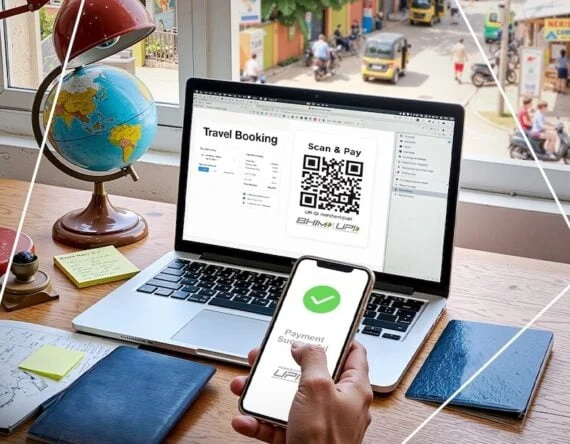
India’s Unified Payments Interface (UPI), a government-backed peer-to-peer (P2P) digital payment infrastructure launched in 2016, has fundamentally reshaped the nation’s financial landscape, becoming the dominant force in digital transactions and presenting a significant, yet often overlooked, hurdle for foreign e-commerce brands seeking to penetrate the vast Indian market. This ubiquitous payment system, enabling seamless, near-zero cost transfers between bank accounts, now underpins an astonishing 85% of India’s digital transaction volume. This dominance is fueled by the nation’s burgeoning digital population, comprising over 900 million mobile internet users who have embraced UPI for daily financial interactions, from purchasing groceries at local markets to settling school fees and fueling vehicles.
The core of UPI’s success lies in its inherent simplicity and accessibility. Users can initiate transactions by scanning QR codes, entering virtual payment addresses (VPAs), or through mobile applications like Google Pay, Amazon Pay, PhonePe, and Paytm. This has fostered a payment ecosystem deeply integrated into the daily lives of Indians. Consider the experience of a resident in a mid-sized Indian city like Chandigarh: cash and even physical cards have become largely obsolete. All transactions, whether for food, fuel, or educational expenses, are executed via smartphone, often initiated by scanning a QR code or, in the context of e-commerce, by selecting the UPI option and entering a secure password. This level of digital payment integration is unprecedented and deeply ingrained.
The Rise of a Digital Payment Behemoth: A Chronology
The genesis of UPI can be traced back to the National Payments Corporation of India (NPCI), an initiative by the Reserve Bank of India (RBI) and the Indian Banks’ Association to create a robust, interoperable, and real-time payment system. The vision was to democratize digital payments, making them accessible to all segments of society.
- 2010: The idea of a unified payment system begins to take shape within the NPCI.
- 2016: UPI is officially launched on April 11, 2016, by the then-Governor of the RBI, Raghuram Rajan. Initially, it supported 21 member banks. The initial focus was on enabling P2P transfers, but its potential for P2M (person-to-merchant) transactions was quickly recognized.
- 2017-2018: UPI witnesses exponential growth. Its adoption by major payment apps and the increasing number of participating banks significantly boosts transaction volumes. The ease of use and low transaction costs make it a preferred choice for both consumers and merchants.
- 2019-2020: UPI solidifies its position as the leading digital payment method in India. The COVID-19 pandemic further accelerates its adoption as contactless payments become a necessity. The government actively promotes digital transactions, with UPI being a cornerstone of this strategy.
- 2021-Present: UPI consistently breaks its own records for monthly transaction volumes, processing billions of transactions. It becomes the backbone of India’s digital economy, influencing everything from small retail to large e-commerce operations. Discussions emerge about its potential for international integration.
The E-commerce Conundrum: A Mismatch in Payment Flows
Despite UPI’s overwhelming popularity and deep integration into the Indian consumer’s daily life, a significant disconnect often emerges when foreign e-commerce brands enter the market. These international players frequently default to card-based checkout flows, a system that is less familiar and often less preferred by the vast majority of Indian online shoppers. This mismatch creates an immediate friction point, impacting conversion rates from the very first interaction.
The preference for UPI stems from several key advantages that resonate with the Indian consumer:
- Trust and Security: Being government-backed by the NPCI, UPI is perceived as highly secure and trustworthy. Unlike card transactions, which can sometimes be susceptible to fraud or require multiple layers of authentication that can be cumbersome, UPI transactions are generally considered more straightforward and less prone to security breaches, especially for users accustomed to the PIN-based authentication.
- Frictionless Experience: The absence of the need to input lengthy card numbers, expiry dates, and CVV codes significantly streamlines the checkout process. A UPI transaction typically involves a quick PIN entry, making it considerably faster and more convenient, especially on mobile devices.
- Cost-Effectiveness: For merchants, UPI transactions typically incur very low or near-zero fees, especially when compared to traditional card processing fees. This economic advantage further incentivizes its adoption by businesses of all sizes.
- Ubiquity: As mentioned, UPI is not confined to online purchases. It is the go-to payment method for everyday transactions, creating a strong behavioral habit among consumers. When this familiar and preferred method is absent from an e-commerce checkout, it signals a lack of understanding of the local market.
The Impact on Conversion Rates and Brand Perception
For any e-commerce operator, the checkout experience is a critical juncture. A seamless and familiar checkout process directly correlates with higher conversion rates, reduced cart abandonment, and enhanced customer satisfaction. When foreign brands present only card payment options, they are essentially alienating a substantial portion of their potential customer base.
The implications are stark:
- Reduced Conversion Rates: Shoppers who are accustomed to UPI will either abandon their carts or seek alternatives if their preferred payment method is unavailable. This directly translates to lost sales opportunities.
- Diminished Brand Trust: The absence of a locally preferred payment option can be interpreted by consumers as a lack of commitment or understanding of the Indian market. This can erode trust and negatively impact brand perception.
- Lower Shopper Engagement: A cumbersome or unfamiliar checkout process can lead to frustration, reducing overall shopper engagement and discouraging repeat purchases.
The data is compelling: with 85% of digital transactions flowing through UPI, any e-commerce platform that overlooks this payment method is effectively handicapping its ability to succeed in India. The 900 million mobile internet users are not just users; they are active participants in a digital economy built around UPI.
Navigating the Indian Payment Landscape: The Role of Local Providers
The Indian financial ecosystem is complex, characterized by over 130 commercial banks, each with its own specific UPI implementation and fraud prevention protocols. For international businesses, navigating this intricate web of banking regulations, compliance requirements, and diverse technical specifications can be a daunting task.

While global payment gateways like Stripe offer card-based international checkout solutions, they often lack the native integration with UPI that Indian consumers expect. This is where domestic payment service providers, such as Razorpay and PayU, play a pivotal role. These companies specialize in bridging the gap between international businesses and the Indian payment landscape.
Their offerings extend beyond mere UPI integration. They provide a comprehensive suite of services essential for operating in India:
- End-to-End Payment Solutions: They handle the entire payment lifecycle, from transaction processing to reconciliation, in compliance with Indian regulations.
- Regulatory Compliance: They are well-versed in the nuances of Indian financial laws, including those set by the Reserve Bank of India, goods and services tax (GST) compliance, and data protection regulations. This expertise is invaluable for foreign businesses seeking to avoid legal pitfalls.
- Localized Offerings: Beyond UPI, they facilitate other popular Indian payment methods, including:
- Net Banking: Direct transfers from bank accounts.
- Buy Now, Pay Later (BNPL): Flexible payment options that allow consumers to purchase goods and pay in installments.
- Equated Monthly Installments (EMIs): A common consumer loan product for larger purchases.
- Currency Management: They can manage foreign exchange rates, collect payments in the buyer’s home currency, and settle funds in any global currency, including U.S. dollars, simplifying cross-border transactions.
Strategic Imperatives for E-commerce Success in India
For any merchant looking to establish a strong foothold in the Indian e-commerce market, the integration of UPI is not merely an option; it is a fundamental necessity. This goes beyond simply adding a payment button. It involves a strategic approach to optimizing the entire customer journey.
Prioritizing UPI Integration:
The primary focus should be on ensuring a seamless UPI checkout experience. This includes:
- Prominent Display: UPI payment options should be clearly visible and easily selectable during the checkout process.
- Mobile Optimization: Given the mobile-first nature of India’s internet users, the UPI checkout flow must be perfectly optimized for mobile screens.
- Local Currency Display: Prices should be displayed in Indian Rupees (INR) to foster familiarity and avoid any perception of hidden markups or currency conversion complexities. This builds trust and a sense of local relevance.
Leveraging Local Payment Providers:
Partnering with established Indian payment service providers is crucial for several reasons:
- Technical Expertise: They possess the in-depth technical knowledge required to integrate with the diverse banking infrastructure in India.
- Regulatory Navigation: They act as a vital intermediary, ensuring compliance with the complex and ever-evolving regulatory landscape.
- Broader Financial Services: They offer access to a wider range of financial products that cater to the specific needs of Indian consumers, such as BNPL and EMI options, which can significantly boost sales for higher-value items.
Broader Implications and Future Outlook
The success of UPI in India offers valuable lessons for the global digital payments industry. It demonstrates the power of a government-backed, interoperable, and user-centric payment infrastructure in driving financial inclusion and accelerating digital transformation.
The rapid adoption of UPI has not only transformed how Indians transact but has also spurred innovation in the fintech sector. It has created a fertile ground for new business models and services that are built around this ubiquitous payment rail.
For foreign businesses, the message is clear: to succeed in India, they must embrace its unique digital payment ecosystem. This requires a willingness to adapt, to understand local consumer behavior, and to partner with the right local players. The rewards for doing so are immense, given India’s status as one of the world’s largest and fastest-growing e-commerce markets.
The ongoing evolution of UPI, with potential cross-border integrations and further technological advancements, suggests that its influence will only continue to grow. Businesses that fail to acknowledge and integrate with this powerful payment force risk being left behind in one of the world’s most dynamic and promising digital economies. The UPI revolution is not just a payment trend; it is a fundamental shift in how a nation transacts, and it demands the attention of any global e-commerce player with aspirations in India.