

June 5, 2026 – The landscape of email marketing platforms continues its dynamic evolution, with a discernible trend emerging as businesses, particularly those experiencing rapid growth, strategically re-evaluate their communication infrastructure. A significant movement is being observed as companies migrate from established providers like Mailchimp to Sinch Mailjet, driven by a complex interplay of factors including enhanced scalability, robust performance, advanced collaboration capabilities, and stringent compliance requirements. This shift underscores a broader industry realization that an email platform is far more than a feature comparison; it is a critical strategic asset that must evolve alongside a business’s operational demands and market ambitions.

The decision to transition an entire email ecosystem is not undertaken lightly, requiring meticulous planning and execution. This comprehensive guide details the motivations behind such migrations and provides a structured approach for moving contacts, email templates, and essential data from Mailchimp to Sinch Mailjet, ensuring a smooth and efficient transfer for businesses aiming to optimize their digital communication strategies.
The Evolving Email Marketing Landscape and Strategic Imperatives
Email marketing remains a cornerstone of digital strategy in 2026, consistently delivering high return on investment (ROI) when executed effectively. However, the demands placed on Email Service Providers (ESPs) have intensified dramatically. Businesses now require platforms that can not only handle ever-expanding contact lists and increasing sending volumes but also provide sophisticated automation, granular deliverability control, advanced analytics, and seamless team collaboration. The competitive nature of the digital economy necessitates an ESP that functions as a growth partner, rather than merely a sending tool.
Historically, platforms like Mailchimp gained widespread adoption for their user-friendliness and accessibility, particularly for small to medium-sized businesses (SMBs) and startups. Its intuitive interface and diverse feature set made it a popular entry point into email marketing. However, as businesses mature and their operational complexities multiply, the initial advantages may give way to limitations that necessitate a more enterprise-grade or specialized solution. This includes considerations around pricing models that become less favorable at higher volumes, specific API integration needs, or the requirement for more sophisticated sending infrastructure.
Sinch Mailjet, backed by Sinch’s global communications expertise, has increasingly positioned itself as a compelling alternative for businesses seeking enhanced capabilities. Sinch’s broader portfolio in cloud communications, encompassing voice, video, and messaging, lends Mailjet a unique advantage in understanding comprehensive digital communication needs. The platform emphasizes performance, collaborative workflows, and a strong focus on deliverability and compliance, which are critical for maintaining sender reputation and ensuring message inbox placement in an increasingly stringent email environment.
Key Drivers Behind the Shift to Sinch Mailjet
Several strategic imperatives compel businesses to consider migrating their email operations. While the specific catalysts vary by organization, common themes emerge:
- Scalability for Growth: As businesses expand, their contact databases grow exponentially, and sending volumes surge. Platforms must be able to scale efficiently without compromising performance or incurring prohibitive costs. Sinch Mailjet is often chosen for its capacity to handle high-volume sending with robust infrastructure, supporting rapid business expansion.
- Cost-Effectiveness at Scale: Pricing structures can become a significant factor as contact lists and sending frequencies increase. Businesses often find that while initial costs with some platforms are low, they escalate rapidly with growth. Sinch Mailjet’s pricing models are frequently perceived as more predictable and cost-effective for larger operations, offering better value as sending needs intensify.
- Enhanced Collaboration Features: Modern marketing teams are often distributed and multidisciplinary. An ESP that facilitates seamless teamwork, offers granular user permissions, and provides version control for templates and campaigns becomes indispensable. Mailjet’s focus on collaborative tools allows multiple team members to work concurrently, streamlining campaign development and approval processes.
- Advanced Automation and API Capabilities: Growing businesses require sophisticated automation workflows for customer journeys, transactional emails, and intricate segmentation. Mailjet’s powerful API allows for deeper integration with CRM systems, e-commerce platforms, and custom applications, enabling highly personalized and data-driven communication strategies that may be more complex to implement with other platforms.
- Robust Deliverability and Sender Reputation Management: Maintaining a strong sender reputation is paramount for inbox placement. Sinch Mailjet offers advanced tools and expert guidance on deliverability, including dedicated IP options, reputation monitoring, and comprehensive analytics, which are crucial for ensuring emails reach their intended recipients, especially for businesses with high-stakes transactional or marketing emails.
- Compliance and Data Governance: With an ever-evolving landscape of data privacy regulations (e.g., GDPR, CCPA), businesses require an ESP that provides robust compliance features and transparent data handling practices. Mailjet’s infrastructure and processes are designed to support global regulatory requirements, offering peace of mind for businesses operating across multiple jurisdictions.
- Performance and Reliability: The speed and reliability of email delivery directly impact customer experience and business operations, particularly for time-sensitive transactional emails. Businesses seeking guaranteed uptime and rapid sending often turn to Mailjet for its enterprise-grade infrastructure.
Navigating the Migration: A Phased Approach to Transitioning Email Infrastructure
Migrating an email platform is a multi-step process that demands precision and attention to detail to avoid disruption to communication streams. The typical migration journey from Mailchimp to Sinch Mailjet can be broken down into several critical phases.

Phase 1: Strategic Planning and Data Audit
Before initiating any technical steps, a thorough strategic review is essential. This involves:
- Defining Objectives: Clearly outlining why the migration is occurring and what specific improvements are expected (e.g., better deliverability, reduced costs, enhanced automation).
- Auditing Existing Data: Reviewing all Mailchimp audiences (lists), segments, tags, and custom fields. Identifying redundant or outdated contacts is a crucial step in maintaining list hygiene and optimizing future sending.
- Mapping New Structures: Planning how existing Mailchimp audiences will translate into Sinch Mailjet contact lists and how custom fields will be mapped. This is an opportune moment to refine segmentation strategies.
- Resource Allocation: Assigning roles and responsibilities within the team for the migration process and setting realistic timelines.
Phase 2: Seamless Contact Data Transfer
The migration of contact data is arguably the most critical step, as it forms the foundation of all future email communications. Ensuring data integrity and accurately transferring subscriber statuses is paramount for compliance and maintaining customer relationships.
-
Exporting Subscriber and Unsubscriber Data from Mailchimp:
- Begin by logging into your Mailchimp account.
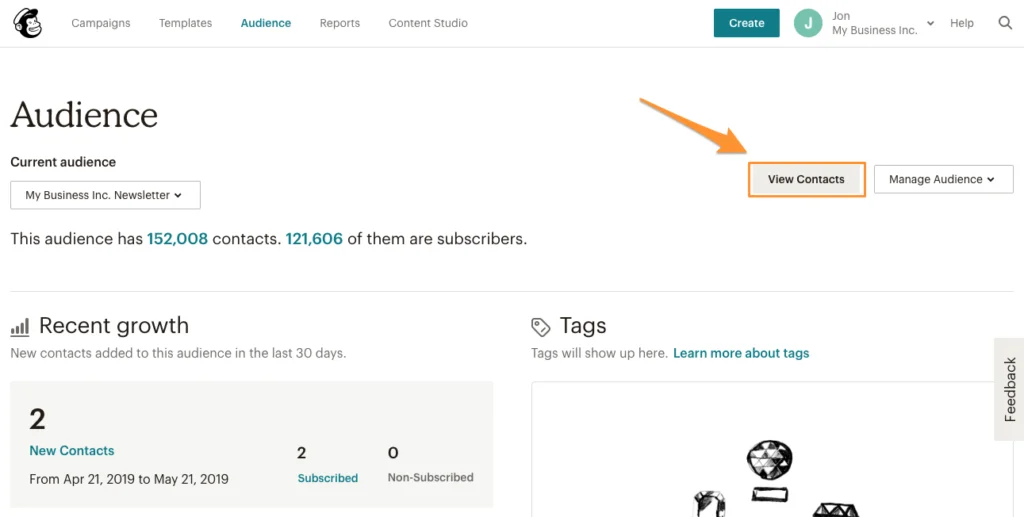
- Navigate to the "Audience" section from the main menu, then select "View Contacts." This will display your primary audience.
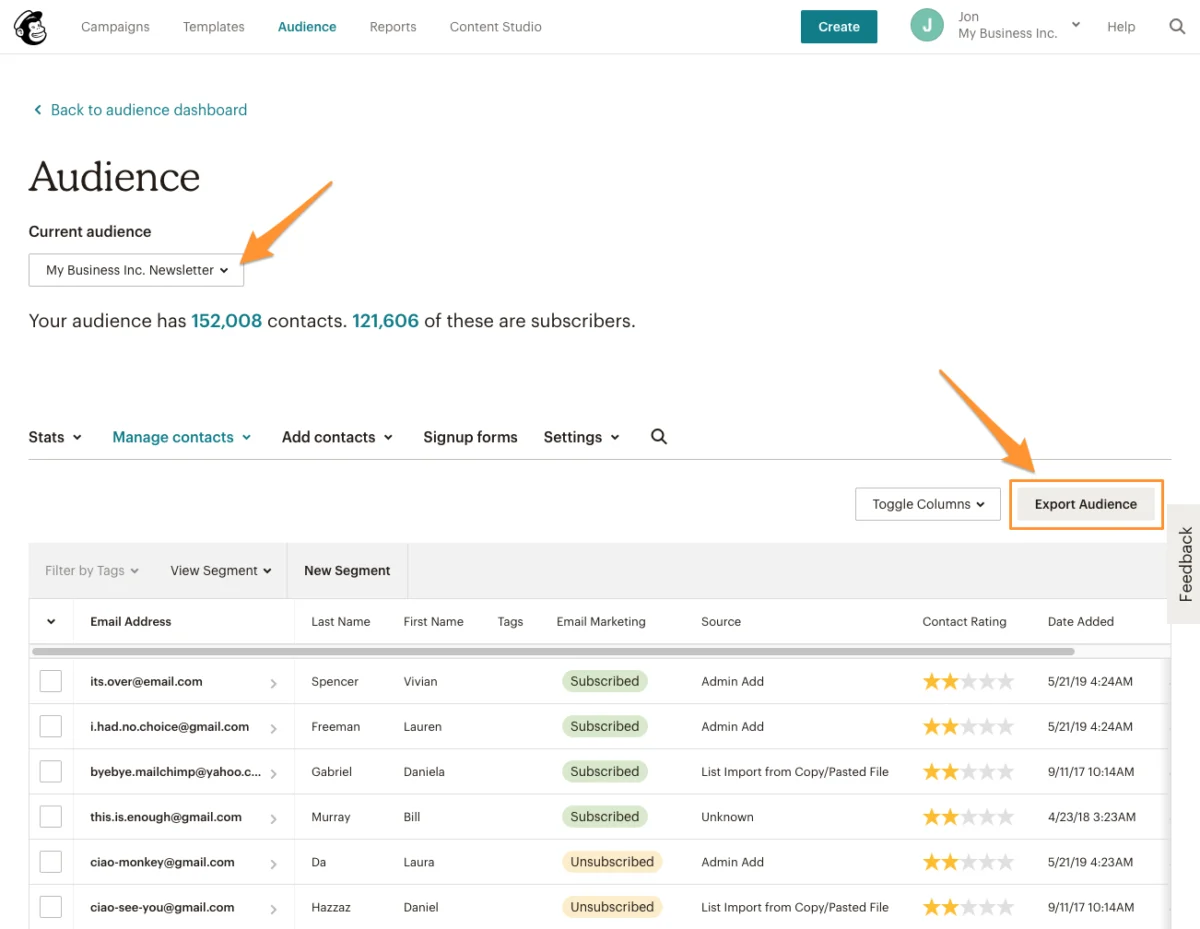
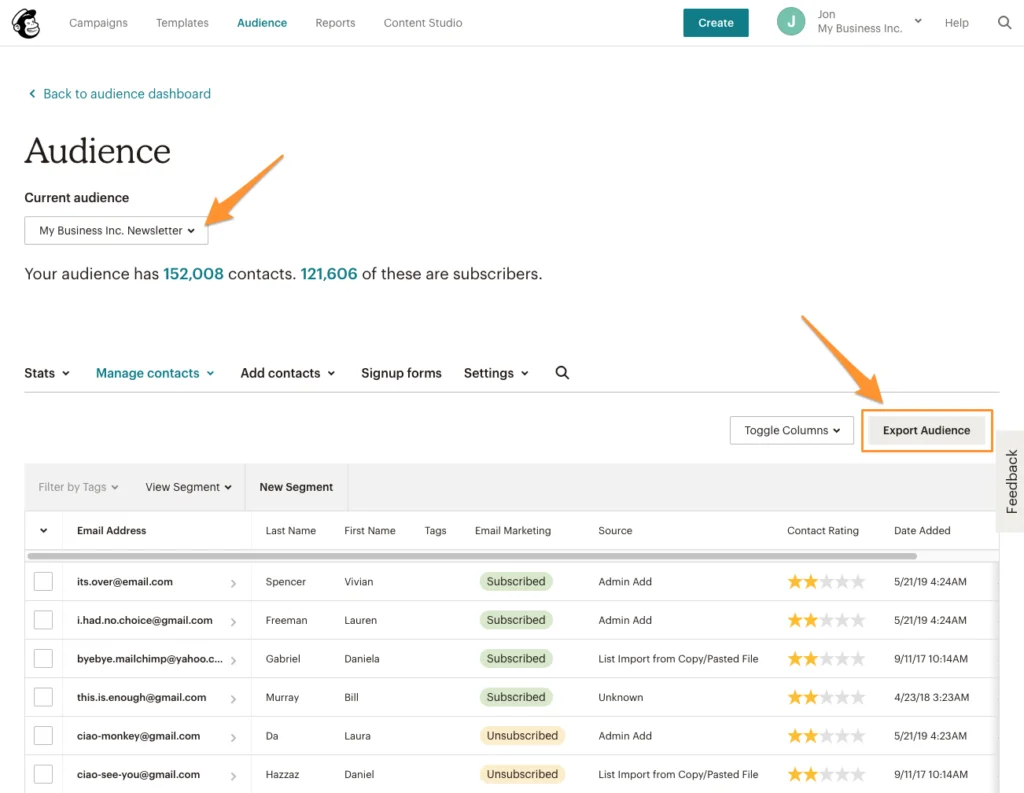
- To export, click on the "Export Audience" button. If your business utilizes multiple distinct audiences within Mailchimp, it is imperative to repeat this process for each one. Each audience typically represents a unique segment of your customer base or a different communication stream, and preserving this distinction during migration is vital for maintaining targeted messaging.
- Upon completion of the export, a CSV (Comma Separated Values) file will be generated. Download this compressed file and unzip it. Inside, you will typically find separate CSVs for subscribed members and unsubscribed members. This separation is critical for compliance.
-
Importing and Mapping Contacts into Sinch Mailjet:
- With your Mailchimp contact data secured, log into your Sinch Mailjet account.
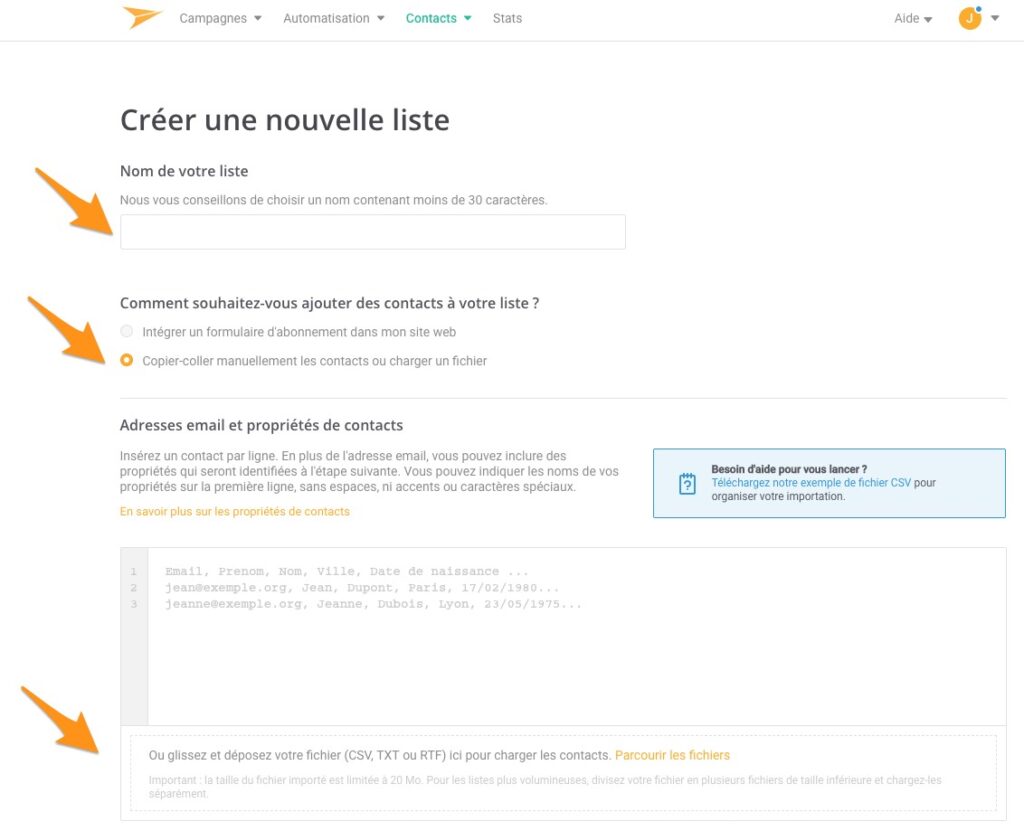
- From the main menu, navigate to "Contacts," then select "Contact Lists." Here, you will initiate the creation of new contact lists within Mailjet.
- Select the option to "Paste contacts manually or upload a file," and proceed to upload the CSV file containing your subscribed contact data. It is strongly recommended to import each Mailchimp audience into a separate contact list within Mailjet. This preserves your existing segmentation logic and allows for more organized management.
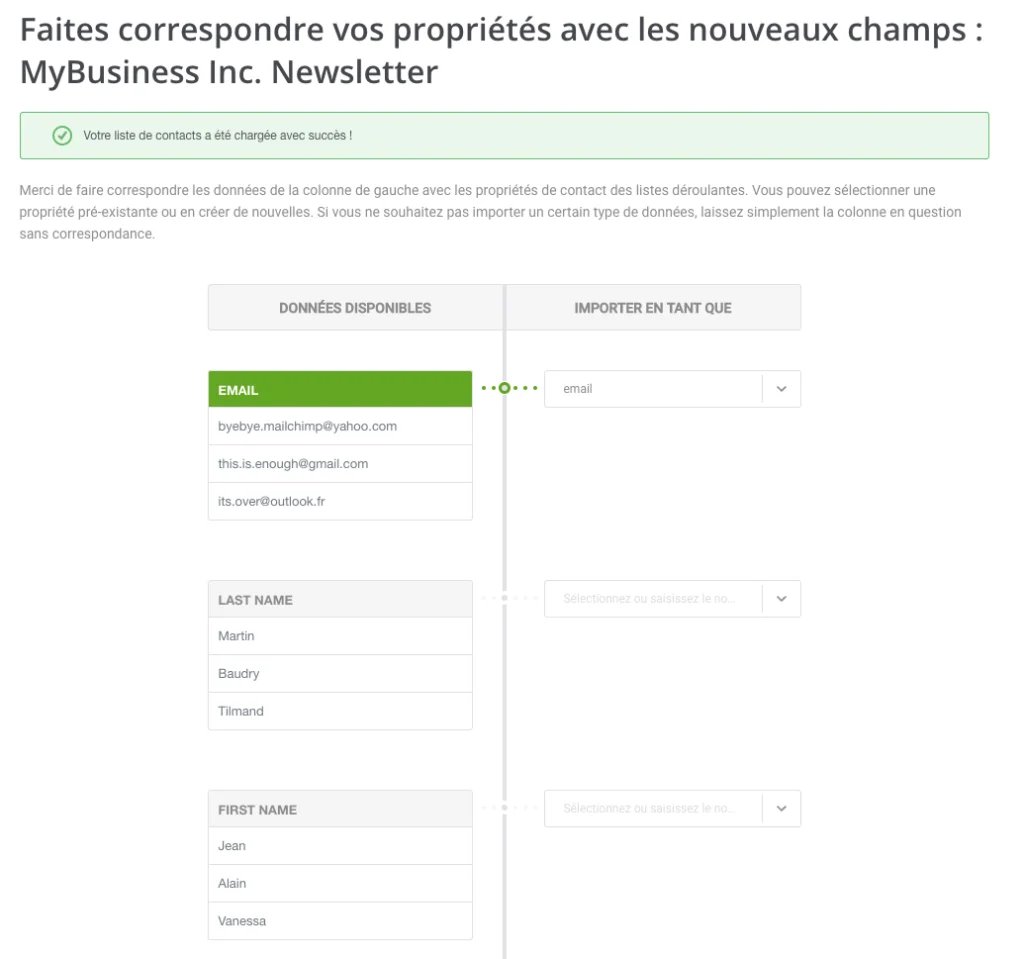
- During the import process, Mailjet will prompt you to "map" the contact fields. This involves matching the columns from your Mailchimp CSV (e.g., "Email Address," "First Name," "Last Name," "Company," "Birthday") to the corresponding fields or custom properties in Sinch Mailjet. This step is crucial for ensuring that all your valuable contact properties are accurately transferred, enabling advanced personalization and segmentation capabilities within your new platform. Once satisfied with the mapping, click "Save and continue."
-
Ensuring Compliance with Unsubscribed Lists:
- A legally and ethically critical step is to import your unsubscribed contacts. Failing to do so could result in sending emails to individuals who have previously opted out, leading to severe reputational damage, decreased deliverability, and potential legal penalties under regulations like CAN-SPAM, GDPR, and others.
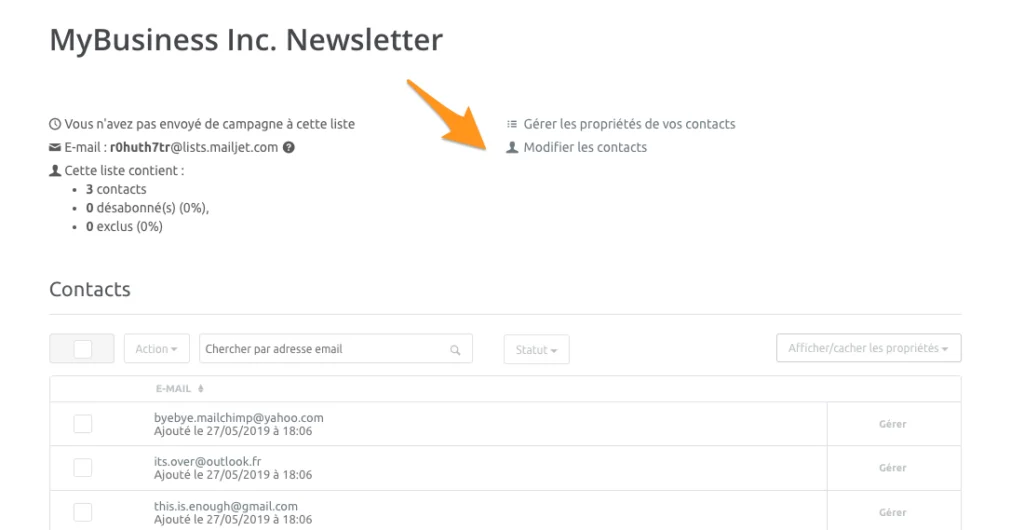
- After importing your subscribed list, within the newly created contact list in Mailjet, click "Manage contacts."
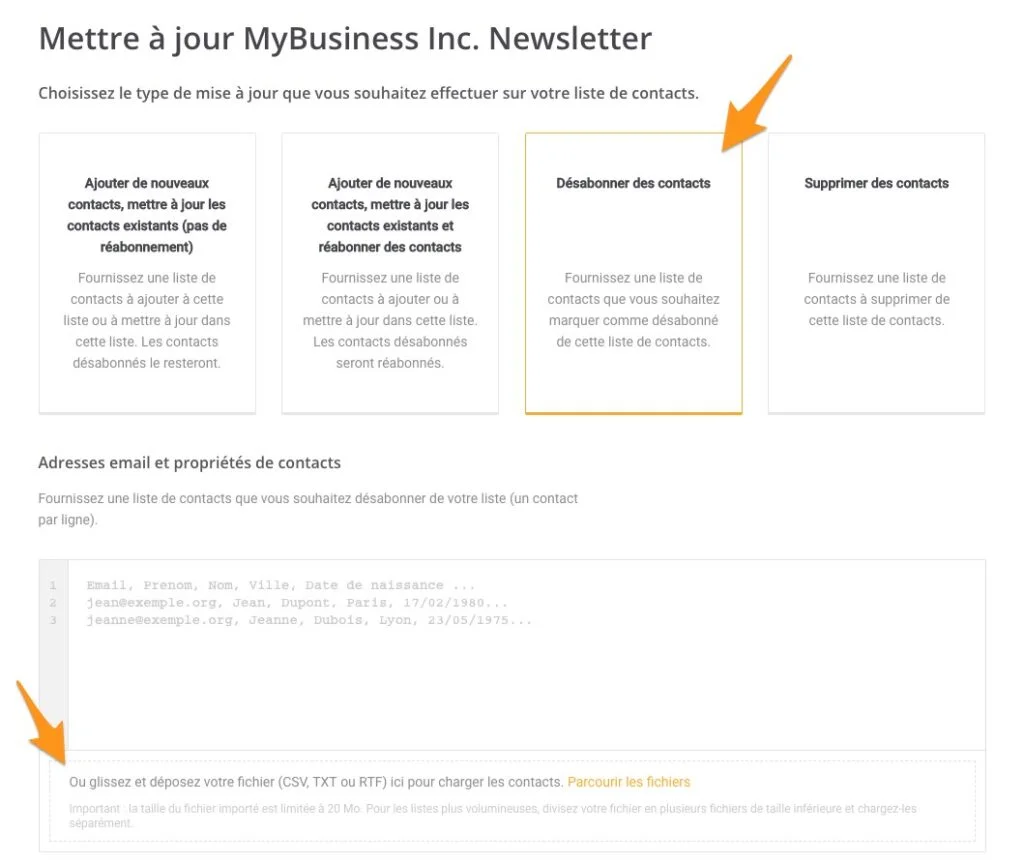
- Select "Unsubscribe contacts" as the update type. Drag and drop the CSV file containing your unsubscribed contacts (from the unzipped Mailchimp export).
- Again, carefully map any necessary fields to ensure accurate identification of these contacts. Proceeding with this step ensures that Mailjet will suppress these addresses from future mailings, upholding your commitment to recipient preferences and regulatory compliance.
Phase 3: Reimagining Email Templates and Creative Assets
Direct, editable template transfer between different ESPs is often not feasible due to proprietary email builder technologies and underlying HTML structures. While this presents a challenge, it also offers an opportunity to refresh your email designs and leverage Mailjet’s editor.
- Exporting HTML Templates from Mailchimp:
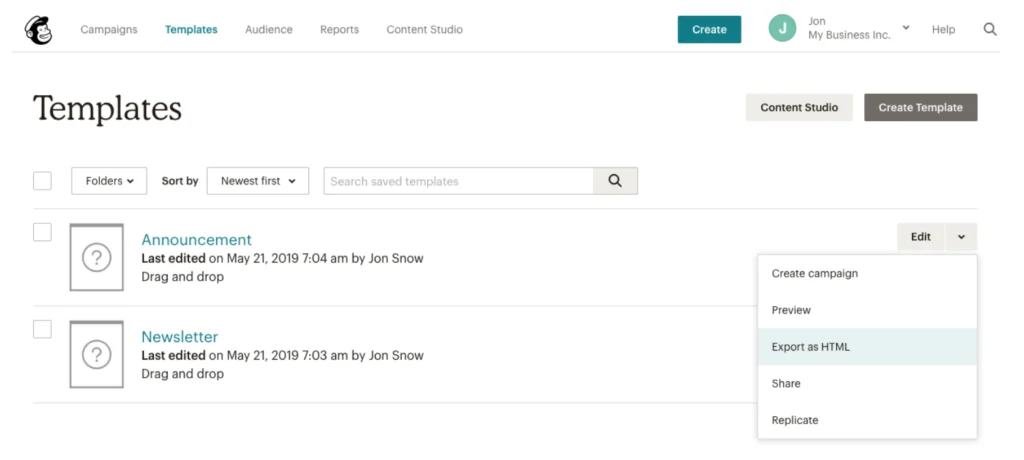
- In your Mailchimp account, go to "Templates." For each template you wish to migrate, select the option to "Export as HTML." This will download the raw HTML code of your templates. While these won’t be directly editable in Mailjet’s drag-and-drop editor, they provide a strong foundation.
- Integrating Templates into Sinch Mailjet:
- In your Sinch Mailjet account, navigate to "Campaigns" and select "Create a new template."
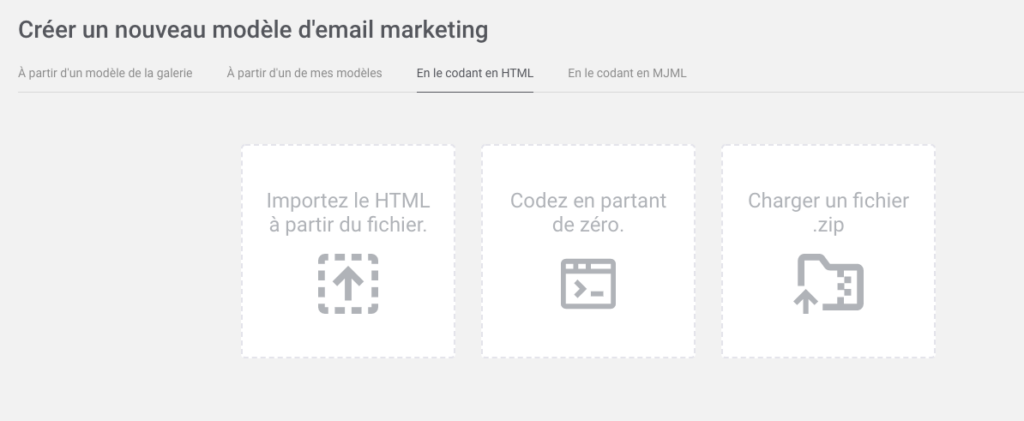
- Choose the "Code it in HTML" option. Here, you can upload the HTML files exported from Mailchimp. This allows you to retain the visual design and content of your existing templates. However, be aware that these imported HTML templates will be primarily editable via code in Mailjet, rather than its visual drag-and-drop editor.
- Alternatively, many businesses opt to rebuild their most frequently used templates directly within Sinch Mailjet’s Email Editor. This allows them to leverage Mailjet’s responsive design capabilities, modular content blocks, and collaborative features fully. This approach ensures optimal rendering across devices and provides maximum flexibility for future campaign creation. It is also an excellent opportunity to update branding elements or improve mobile responsiveness.
Phase 4: Archiving Historical Performance Data
It is currently not possible to directly transfer historical reporting data (e.g., open rates, click-through rates, bounce rates, unsubscribes for past campaigns) from Mailchimp to Sinch Mailjet. However, retaining this data is crucial for benchmarking future performance, analyzing long-term trends, and demonstrating historical compliance.
- Exporting Comprehensive Reports from Mailchimp:
- Before fully decommissioning your Mailchimp account, navigate to the "Reports" section within Mailchimp.
- Look for an option such as "Download All Reports" or export individual campaign reports. It is advisable to download all available data, including campaign summaries, subscriber activity, and segment performance. This historical data, while not integrated into Mailjet’s dashboard, can be invaluable for trend analysis, marketing strategy reviews, and demonstrating past campaign effectiveness. Store these exported reports securely in an accessible archive for future reference.
Phase 5: Post-Migration Validation and Optimization
The migration is not complete until the new system is fully validated and optimized for sending.
- Domain Authentication: SPF, DKIM, and DMARC Configuration:
- Immediately after migration, it is critical to configure your domain and sender authentication records within Sinch Mailjet. This involves setting up SPF (Sender Policy Framework), DKIM (DomainKeys Identified Mail), and DMARC (Domain-based Message Authentication, Reporting & Conformance) records in your domain’s DNS settings. These protocols are fundamental for email deliverability, preventing spoofing, improving sender reputation, and ensuring your emails land in the inbox rather than the spam folder. Mailjet provides clear instructions and support for this essential technical setup.
- Testing and Warming Up New Sending Infrastructure:
- Before launching full-scale campaigns, conduct thorough testing. Send test emails to various internal addresses, checking rendering across different email clients and devices.
- If you are moving significant sending volumes or using a new dedicated IP address, implement an IP warm-up strategy. This involves gradually increasing your sending volume over several days or weeks to build a positive sender reputation with internet service providers (ISPs). Rushing this process can lead to immediate deliverability issues.
Expert Commentary and Industry Perspective
Industry analysts observing the email marketing space note that migrations are a natural part of business growth. "The shift from one ESP to another often signals a business’s evolution beyond basic marketing needs to more sophisticated requirements around deliverability, integration, and operational efficiency," stated a leading digital marketing analyst. "Platforms like Sinch Mailjet, with their enterprise-grade infrastructure and focus on transactional and high-volume sending, are increasingly appealing to companies whose email strategy is becoming a mission-critical component of their overall digital ecosystem."
A spokesperson for Sinch Mailjet, commenting on the increasing migration trend, affirmed, "We are witnessing a clear demand for platforms that can truly scale with ambitious businesses. Our focus on robust deliverability, powerful APIs, and collaborative features resonates deeply with organizations that require their email infrastructure to be both high-performing and adaptable. We are committed to providing a seamless migration experience and empowering our users with the tools they need for optimal engagement and growth." This sentiment highlights a strategic alignment between Mailjet’s offerings and the evolving needs of the market.
Broader Implications for Digital Marketing Strategies
The strategic choice of an email service provider in 2026 extends far beyond mere email deployment; it underpins an entire digital marketing strategy. A platform capable of robust segmentation, advanced automation, and seamless integration allows businesses to execute highly personalized customer journeys, nurture leads more effectively, and drive conversions with greater precision. The ability to collaborate efficiently on campaigns, ensure compliance, and monitor deliverability metrics closely translates directly into improved ROI and stronger customer relationships.
Moreover, as artificial intelligence and machine learning become more integrated into marketing operations, the underlying ESP’s capability to support and leverage these technologies will be crucial. Platforms like Sinch Mailjet are investing in features that facilitate AI-driven personalization and optimization, enabling businesses to stay at the forefront of marketing innovation. The move to a more powerful, scalable platform like Sinch Mailjet is therefore not just a technical upgrade but a strategic investment in the future growth and communication effectiveness of a business.
Conclusion
The migration to Sinch Mailjet marks a significant strategic step for businesses seeking to enhance their email marketing capabilities. By following a structured migration process for contacts, templates, and ensuring proper post-migration configuration, companies can seamlessly transition their email operations. This allows them to leverage Sinch Mailjet’s robust features, scalability, and focus on deliverability and compliance to achieve their communication objectives. In an increasingly competitive digital landscape, choosing the right email platform in 2026 is a critical decision that directly impacts a business’s ability to connect with its audience, nurture customer relationships, and drive sustained growth.








