
 rifanmuazin
Amazon Prime Day, a two-day global shopping extravaganza, has transcended its origins as a loyalty incentive for Amazon Prime subscribers to become a pivotal event in the broader e-commerce calendar, offering significant revenue opportunities not only for businesses operating on Amazon but also for independent online retailers. While initially conceived as a members-only sale, typically held in July, its immense popularity has cultivated a consumer mindset geared towards high-value deals, creating a concentrated 48-hour window where shopping intent reaches peak levels. This surge in consumer readiness to purchase presents a unique strategic opening for non-Amazon brands, who, if prepared, can effectively position themselves as viable alternatives and capture a share of the heightened market activity.
The event’s profound impact on consumer behavior is well-documented. According to Omnisend’s 2026 Ecommerce Marketing Report, click-to-conversion rates observed a remarkable 53% year-over-year jump, indicative of shoppers engaging with a clear purpose during such sales events. This data underscores the critical importance of a well-orchestrated marketing approach, leveraging urgency, exclusivity, and personalization to convert intent into revenue. For brands outside the Amazon ecosystem, ignoring Prime Day means missing out on a period where consumers are actively seeking deals across various platforms, often conducting extensive research and price comparisons beyond Amazon’s marketplace.
The Genesis and Evolution of a Global Shopping Phenomenon
Prime Day was first launched in 2015 by Amazon to celebrate its 20th anniversary, primarily as a reward for its Prime members with exclusive discounts. What began as a modest initiative quickly ballooned into a global retail phenomenon, drawing millions of shoppers worldwide. Over the years, it has consistently broken sales records, demonstrating its immense appeal and Amazon’s powerful influence on consumer spending habits. Analysts estimate that Prime Day now regularly generates billions of dollars in sales globally, with figures often surpassing the combined sales of Black Friday and Cyber Monday for certain product categories within Amazon’s ecosystem. Its success has inadvertently created a “halo effect” across the entire retail landscape, prompting other retailers to launch their own competing sales events during the same period, thereby solidifying July as a major shopping month.
This “halo effect” is precisely why non-Amazon brands cannot afford to treat Prime Day as just another promotional period. Consumers are conditioned to seek out deals during this time, and while their initial search might start on Amazon, their buying journey often extends to other platforms where they compare prices, read reviews, and explore alternative brands. For direct-to-consumer (DTC) brands, small businesses, and established e-commerce entities not selling through Amazon, Prime Day offers a strategic moment to intercept this high-intent traffic and redirect it to their own channels. By proactively engaging customers through their existing marketing channels—such as SMS, email automation, and social media—these brands can highlight their unique value propositions and present compelling offers that stand out from the Amazon-centric narrative.
Prime Day’s Economic Footprint and Shifting Consumer Behavior
Prime Day has a tangible economic footprint, shifting consumer spending patterns and often influencing quarterly earnings for a wide array of retailers. Beyond Amazon’s direct sales, data from various market intelligence firms often indicate a significant uplift in sales for other e-commerce platforms during the Prime Day period. For instance, in previous years, non-Amazon retailers often reported an average increase of 20-30% in sales during the Prime Day window compared to regular days in July, as consumers exhibit an elevated propensity to shop. This collective surge in purchasing activity underscores the event’s role as a major economic catalyst, particularly for the third quarter.
The psychological impact on consumers is equally profound. Shoppers anticipate Prime Day, often delaying non-essential purchases in the weeks leading up to it, creating pent-up demand. This anticipation, combined with the event’s inherent time-limited nature, fosters a sense of urgency and a fear of missing out (FOMO). Consumers approach Prime Day with a clear buying purpose, often having specific items in mind but also open to impulse purchases if the deal is compelling enough. This active buying mode is a golden opportunity for any brand, provided they can effectively communicate their offers and capture attention in a crowded digital space.
Advanced Marketing Strategies for Maximizing Prime Day Revenue
Capitalizing on Prime Day requires a sophisticated and multi-faceted marketing approach. While a single strategy might yield some results, the most effective campaigns are those that blend several tactics, carefully orchestrated to build momentum, drive urgency, and enhance customer value. These strategies are not interchangeable but rather serve different objectives, from increasing average order value to converting new customers and fostering loyalty.
-
Cultivating Pre-Event Excitement:
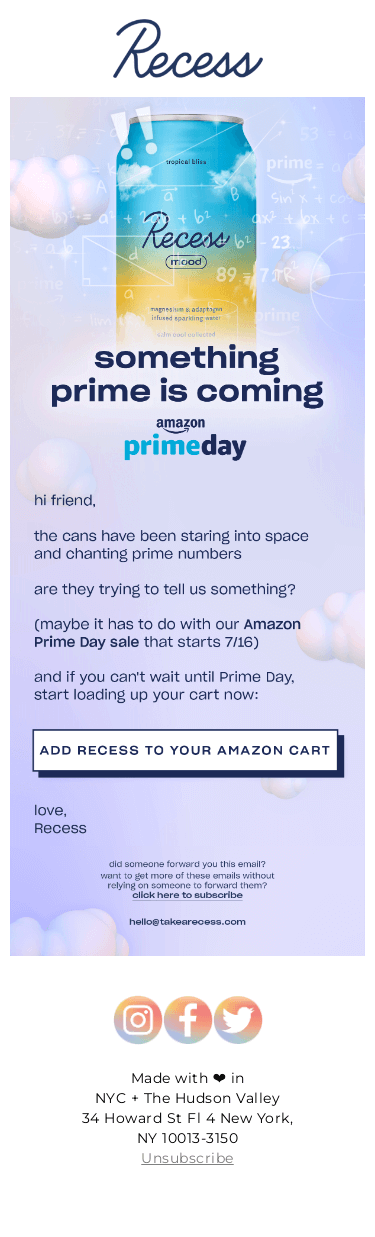
A crucial first step is to initiate an anticipation campaign well in advance of Prime Day. Research suggests that consumers respond best to teasers sent three to seven days before a major sales event. This early outreach serves two primary purposes: it alerts customers to an upcoming opportunity, allowing them to mentally prepare their shopping lists, and it helps to differentiate the brand’s offerings from the inevitable rush of last-minute promotions. Effective teaser emails, much like Amazon’s own pre-Prime Day communications, should be concise and direct, focusing on building intrigue rather than immediate sales. They might offer a “sneak peek” into the types of deals to expect or simply encourage subscribers to “mark their calendars,” without revealing specific discounts or product recommendations. The practical takeaway is to send the initial teaser email five to seven days before the campaign launch, setting the stage for subsequent, more detailed communications. -
The Power of Time-Sensitive Deals and Exclusive Access:
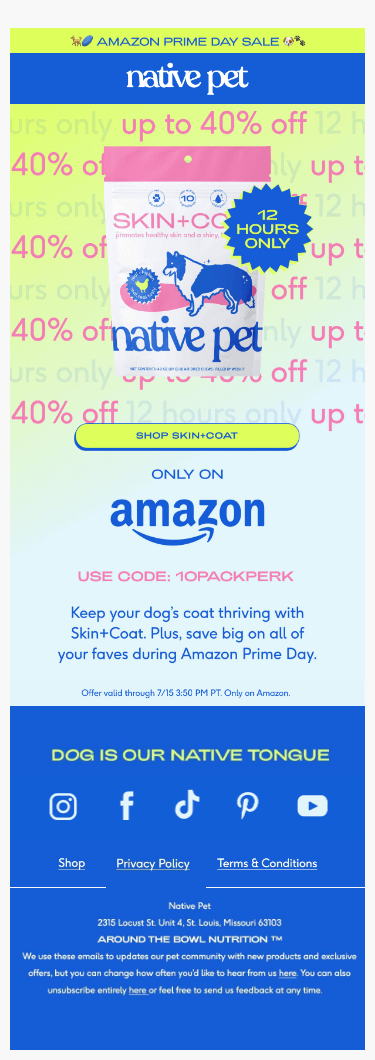
Urgency is the bedrock of Prime Day’s success. The 48-hour window inherently creates a “buy now or miss out” mentality. Brands can amplify this by clearly communicating the time constraints, using phrases like “48 hours only” or “deal ends at midnight.” Beyond general urgency, offering early access to loyal customers adds an exclusive layer that rewards existing relationships and further incentivizes immediate action. This strategy can involve sending special deals to a segmented group of high-value customers an hour or two before the main campaign goes live. This not only drives initial sales but also cultivates a sense of appreciation among the most dedicated patrons. Balancing broad urgency with targeted exclusivity ensures both wide reach and deep engagement. -
Optimizing Average Order Value with Tiered Incentives:
While flat discounts are effective, tiered discounts are a sophisticated method to encourage customers to spend more, thereby increasing the average order value (AOV). Instead of a single percentage off, a tiered structure might offer escalating discounts based on the purchase amount (e.g., 10% off orders over $50, 15% off orders over $100, 20% off orders over $150). This strategy subtly prompts customers to add more items to their cart to reach the next discount tier. Visual clarity is paramount for tiered discounts; using clean graphics or simple tables helps customers quickly understand the value proposition. Furthermore, this approach can be effectively integrated with product bundling, encouraging customers to explore complementary items and deterring them from seeking individual products from competitors. -
Spotlighting Hero Products with Precision Messaging:
Given the limited 48-hour window, it is often more effective to concentrate marketing efforts on best-selling or high-margin products rather than attempting to promote an entire catalog. This focused approach leads to higher conversion rates as customers in an active buying mode are presented with proven, desirable items. Crucially, the presentation must be visually appealing, featuring high-quality product images alongside clear, benefit-focused pricing (e.g., “was $100, now $55” rather than “45% off”). This communicates immediate value more effectively. For enhanced personalization, brands can leverage email segmentation to tailor single-offer emails based on individual customer browsing history or past purchases, ensuring the most relevant products are presented to each segment.
-
Implementing Dynamic Urgency with Countdown Timers:
To elevate the sense of urgency beyond mere words, embedding a real-time countdown timer directly into marketing emails is exceptionally effective. This visual element, showing hours, minutes, and even seconds ticking away, creates an undeniable imperative to act immediately, combating the common “I’ll check this out later” syndrome. Prime Day emails frequently utilize this tactic, often placing the timer prominently in a hero section, below a compelling headline or offer, and above a clear call-to-action (CTA). When strategically positioned, these dynamic timers serve as a powerful visual cue, guiding customers directly towards purchase decisions. Modern e-commerce platforms often include native countdown timer functionalities, allowing brands to set timers that activate upon email open, maximizing their psychological impact. -
Authentic Engagement: Weaving Brand Narratives into Promotions:
While discounts are central to Prime Day, some brands, particularly those built on strong values or unique missions, can differentiate themselves by leading with their brand story. This strategy is especially potent for engaging loyal customer segments who resonate deeply with the brand’s ethos. An email might begin with a concise, evocative narrative about the product’s origin, the craftsmanship involved, or the brand’s core mission. This emotional connection can then seamlessly transition into an offer that is framed not just as a discount, but as an opportunity to support a valued brand or experience a product aligned with their personal values. This approach reinforces brand loyalty and can prevent customers from solely focusing on price when making purchasing decisions. -
Curated Product Showcases for Diverse Audiences:
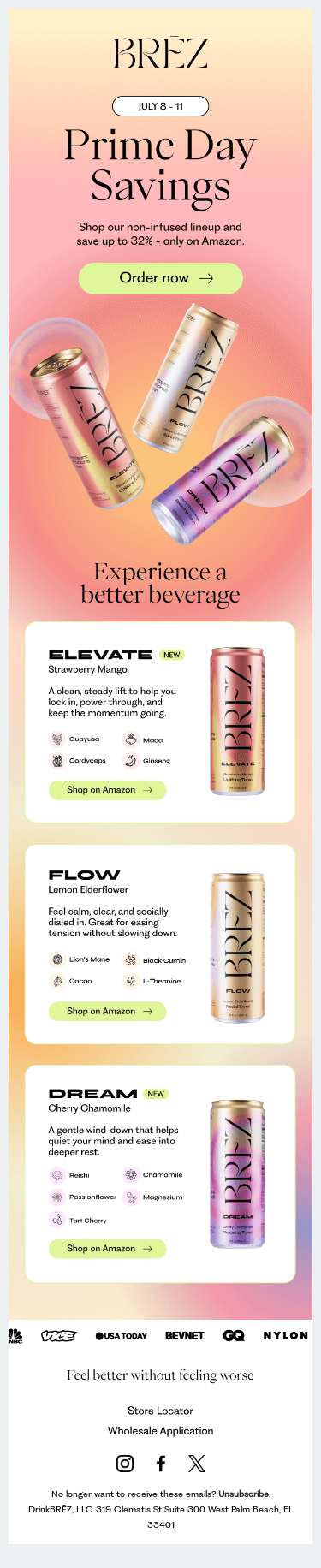
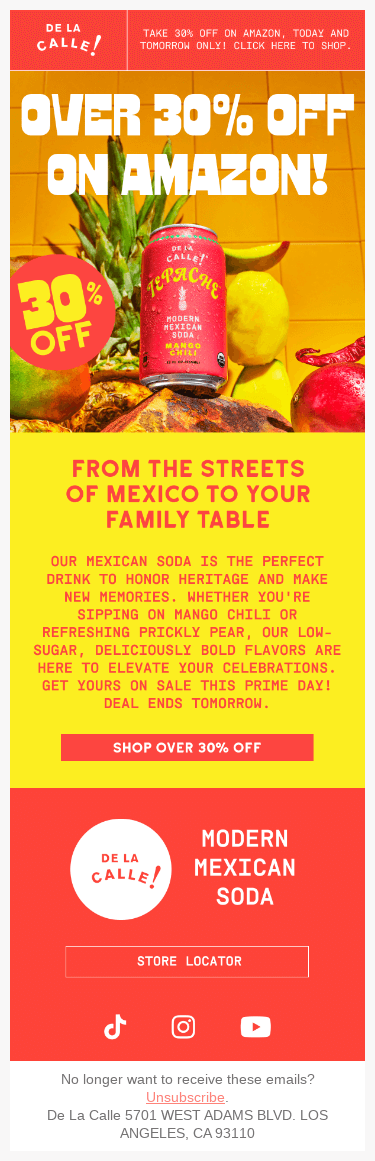
For brands aiming to reach a broad audience without overwhelming them, carefully curated multi-product emails can be highly effective. This strategy involves presenting a selection of best-performing or seasonally relevant products, each with its own dedicated section. Each section should feature a clear product image, original and discounted price, and an individual call-to-action button that links directly to that specific product page. Limiting these emails to three to five product sections ensures easy scannability and prevents choice paralysis. These multi-product emails are particularly effective as a second touchpoint, perhaps on the second day of Prime Day, targeting customers who have already engaged with initial communications but haven’t yet converted. They can also be effectively paired with abandoned cart emails, reminding customers of deals on items they previously showed interest in.
A Phased Approach: The Prime Day Marketing Timeline
Effective Prime Day marketing is not a spontaneous endeavor but the result of meticulous, multi-stage planning. A well-defined timeline ensures that every element, from audience growth to post-event analysis, is executed strategically.
-
Stage 1: Six to Eight Weeks Before Prime Day – Initial Planning & Infrastructure Audit
This phase is critical for foundational work. Brands should conduct a thorough audit of their e-commerce website to ensure it can handle increased traffic and conversions. This includes optimizing site speed, mobile responsiveness, and checkout processes. Concurrently, efforts should focus on growing email and SMS subscriber lists through pop-ups, lead magnets, and social media campaigns. This is also the time to analyze past sales data, identify top-performing products, and finalize the specific offers and discounts that will be extended. -
Stage 2: Three to Four Weeks Before Prime Day – Audience Growth & Offer Finalization
With foundational elements in place, this stage emphasizes continued audience segmentation and list growth. Brands should refine their target audience segments based on demographics, purchase history, and browsing behavior to enable highly personalized campaigns. The final offers should be locked in, and all creative assets (email templates, social media graphics, banner ads) should be designed and approved. -
Stage 3: One to Two Weeks Before Prime Day – Pre-Launch Teasers & Segmentation
This is when anticipation campaigns begin. Send initial teaser emails and SMS messages to build excitement without revealing all details. Segment your audience further to prepare for early access offers for loyal customers. Ensure all automation workflows—such as abandoned cart reminders, browse abandonment, and welcome series—are updated to reflect Prime Day messaging and offers. -
Stage 4: Two to Three Days Before Prime Day – Final Readiness & Early Access
The final countdown begins. Send a “last chance to prepare” email, reminding customers of the impending event and any early access opportunities. Push notifications can also be utilized. For loyal customers, the early access offers should be deployed, giving them a head start on the deals. This phase is crucial for ensuring all links, discount codes, and inventory levels are double-checked. -
Stage 5: Prime Day – Event Day Execution & Real-time Optimization
This is the peak activity period. Launch the main Prime Day campaign with a series of urgent, value-driven emails and SMS messages. Monitor campaign performance in real-time, paying close attention to open rates, click-through rates, and conversion rates. Be prepared to send re-engagement messages to non-openers or those who browsed but did not purchase. Leverage dynamic content like countdown timers aggressively.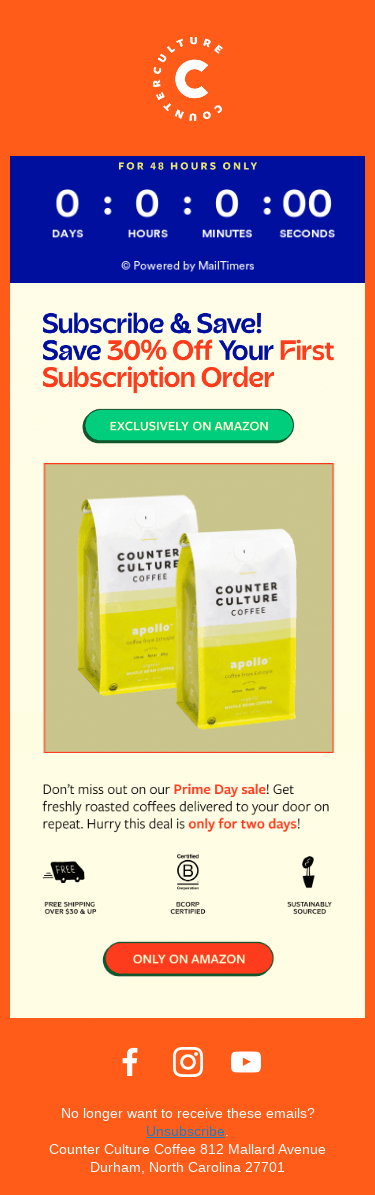
-
Stage 6: Two to Three Days After Prime Day – Post-Event Analysis & Customer Retention
The marketing effort doesn’t end when Prime Day does. Send a follow-up email thanking customers for their purchases and potentially offering a small, exclusive post-Prime Day deal to those who converted. For those who didn’t purchase, a “last chance” or “we still have great deals” message can be effective. Crucially, conduct a thorough analysis of the campaign’s performance to gather insights for future events, focusing on what worked well and areas for improvement. This period is also vital for nurturing new customers into loyal patrons.
Industry Perspectives and Broader Implications
Industry analysts consistently highlight Prime Day as a testament to the power of event-driven commerce and a significant driver of consumer expectations. “Prime Day has fundamentally reshaped the summer retail landscape,” states a hypothetical e-commerce strategist from a leading consulting firm. “It has forced every player, regardless of their association with Amazon, to reconsider their promotional calendar and innovate their engagement strategies. Brands that fail to acknowledge this shift risk being left behind as consumers become increasingly conditioned to expect deep discounts during specific, high-profile events.”
The implications extend beyond mere sales figures. Prime Day fuels innovation in e-commerce marketing, pushing brands to adopt more sophisticated tools for personalization, automation, and real-time campaign management. It also intensifies competition, compelling direct-to-consumer brands to sharpen their value propositions and customer experience to differentiate themselves from the vast Amazon marketplace. Furthermore, the event underscores the importance of a robust omnichannel strategy, where brands can seamlessly engage customers across email, SMS, social media, and their own websites, providing a cohesive and compelling shopping journey.
The Future of Event-Driven E-commerce
As the e-commerce landscape continues to evolve, events like Prime Day will only grow in importance, solidifying their position as critical revenue-generating periods. For independent brands, the future demands agility, foresight, and a willingness to invest in sophisticated marketing infrastructure. The ability to plan campaigns meticulously, segment audiences effectively, and deploy multi-channel communications with precision will be the hallmark of successful brands.
Ultimately, Prime Day is not merely an Amazon sales event; it is a catalyst that ignites consumer spending and sets the pace for seasonal retail. By understanding its dynamics and adopting a strategic, proactive approach, all e-commerce brands can transform this Amazon-led phenomenon into a powerful engine for their own growth and customer engagement. The earlier the preparation begins, the better positioned a brand will be to capitalize on this unique opportunity, attracting new subscribers, converting them into customers, and nurturing them into loyal advocates.









