The back-to-school shopping season, a pivotal moment for retailers, is projected to be a multi-billion dollar opportunity in 2026, with email and SMS emerging as indispensable channels for brands aiming to connect with parents, students, and teachers. As consumer behaviors continue to evolve, marked by an increased emphasis on value, the influence of children in purchasing decisions, and the growing role of artificial intelligence and social media, retailers are compelled to adopt sophisticated, timely, and personalized marketing strategies. This comprehensive guide delves into the most effective back-to-school campaigns, provides real-world e-commerce examples, and offers actionable insights for building high-impact digital outreach.
![Back-to-School Marketing: Best Practices & Examples [2026 ]](https://www.omnisend.com/blog/wp-content/uploads/2026/08/back-to-school-marketing-timeline.png)
The Economic Significance of the Back-to-School Season
The period from June to September annually represents one of the most significant retail spikes outside of the holiday season, often dubbed the "second holiday season" for its economic impact. For e-commerce brands, it’s a unique confluence of seasonal intent, the potential for gift-style bundling, and repeat-purchase behavior. Families across North America, Europe, and other regions dedicate substantial budgets to preparing for the new academic year, covering everything from textbooks and stationery to apparel, electronics, and even dorm room essentials for college students. Industry analyses consistently show spending figures reaching tens of billions of dollars globally, underscoring the critical nature of this window for retailers. The competitive landscape during this period intensifies, making strategic and well-timed marketing campaigns paramount for capturing consumer attention and market share.
![Back-to-School Marketing: Best Practices & Examples [2026 ]](https://www.omnisend.com/blog/wp-content/uploads/2026/07/2-B-Wear-email.jpg)
Strategic Marketing Timeline: Navigating the Back-to-School Season
Understanding the nuanced shopping intensity throughout the back-to-school period is crucial for optimizing campaign timing. The season is not a monolithic event but rather a phased approach by consumers, beginning in June and culminating in early September.
![Back-to-School Marketing: Best Practices & Examples [2026 ]](https://www.omnisend.com/blog/wp-content/uploads/2026/07/3-Rachel-Riley-email.jpg)
- June: The Early Bird Window: Early shoppers and planners begin their browsing in June. This phase is ideal for brands to build anticipation, introduce new arrivals, and focus on list-building through sign-up forms and welcome series. Marketing efforts should be soft, informative, and value-oriented, perhaps offering early access or sneak peeks to loyal customers.
- Mid-July: The Deal Hunter’s Peak: As July progresses, deal hunters become more active, comparing prices and seeking promotions. This is the prime time for launching discount emails, featuring product bundles, and even running giveaways to generate buzz and incentivize early purchases. The focus shifts to clear offers and competitive pricing.
- August: The Core Buying Frenzy: Most purchases typically occur in August, as the academic year draws closer. Retailers should intensify their sales reminders, implement robust abandoned cart recovery strategies, and send back-in-stock notifications for popular items. Urgency becomes a key theme in communications.
- Early September: The Last-Minute Rush: A final segment of shoppers places orders in early September, often driven by forgotten items or unexpected needs. "Last call" emails and SMS messages are highly effective during this brief window. Post-purchase follow-ups become essential for fostering loyalty and preparing for future engagement.
This staggered approach allows brands to engage different shopper segments at their most receptive moments, maximizing the potential for conversion across the entire season.
Key Trends Shaping 2026 Back-to-School Shopping
![Back-to-School Marketing: Best Practices & Examples [2026 ]](https://www.omnisend.com/blog/wp-content/uploads/2026/07/4-INGLOT-Canada-email.jpg)
The 2026 back-to-school season is influenced by several significant consumer trends, as highlighted by leading industry surveys. Brands that adapt their strategies to these shifts are most likely to succeed.
- Value Over Brand Loyalty: The 2026 Deloitte Back-to-School Survey indicates that economic uncertainty continues to turn parents into hyper-value seekers. A significant 71% of respondents expressed willingness to switch brands if it means greater savings. This implies that while brand recognition remains important, compelling discounts, transparent pricing, and perceived value will often trump established loyalties. For marketers, this necessitates a focus on prominent discount codes, bundled offerings, and clear communication of savings in all promotional materials.
- Children’s Influence in Purchase Decisions: PwC’s 2026 back-to-school poll reveals that children play a substantial role in what parents buy. A striking 58% of parents reported that their children influence school-related purchases, with 61% allowing their children to add products to online shopping carts. This trend underscores the need for marketing content that appeals to both parents (value, practicality) and children (aesthetics, trends, popularity). Visuals and messaging should be engaging for a younger audience, while the underlying offer appeals to the primary decision-maker.
- AI as a Shopping Channel: The rapid adoption of artificial intelligence is also making its way into the back-to-school shopping journey. PwC found that 73% of families plan to use AI tools for shopping this year, with approximately 23% leveraging it specifically for price comparison or deal discovery. This necessitates highly scannable content, clear product information, and easily digestible promotional details within emails and on product pages, as AI algorithms will be parsing this information to present options to consumers.
- Social Media as a Discovery Hub: Social media’s role continues to evolve from mere engagement to a direct discovery and shopping channel. According to PwC, 23% of parents intend to shop via social media platforms or influencer recommendations. This highlights the importance of an integrated marketing approach where email and SMS campaigns are seamlessly aligned with social media content, ensuring consistent messaging and offers across all touchpoints. Brands must invest in visually appealing content and consider partnerships with relevant influencers.
- Broader Spending Beyond Traditional Supplies: The scope of back-to-school spending extends beyond textbooks and backpacks. PwC’s research indicates that families expect to spend approximately $635 per month on recurring costs once school starts, including an average of $260 on school fees and $235 on meals and snacks. This broader financial commitment means that brands outside traditional school supply categories – such as home goods, beauty, food services, or even financial products – can effectively participate in the season by positioning their offerings as "back-to-school essentials" or solutions for the academic year.
Effective Digital Strategies: Email and SMS at the Forefront
![Back-to-School Marketing: Best Practices & Examples [2026 ]](https://www.omnisend.com/blog/wp-content/uploads/2026/07/5-Converse-email.jpg)
In this dynamic environment, email and SMS remain cornerstones of successful back-to-school marketing, offering direct, personalized communication channels. Several proven tactics stand out:
- Audience Segmentation for Personalized Offers: A one-size-fits-all approach is increasingly ineffective. Brands should segment their back-to-school emails based on shopper profiles. For instance, B-Wear Sportswear effectively uses a single "Buy 3 Get 3 Free" promotion but segments its email content into sections like "Teachers," "Pet Lovers," "Music Lovers," and "Country Life." This allows different groups to see products tailored to their interests, maximizing relevance. Advanced platforms enable true email segmentation, sending entirely different campaigns to parents, teachers, college students, or even by past purchase history. This precision ensures that each message resonates directly with its recipient.
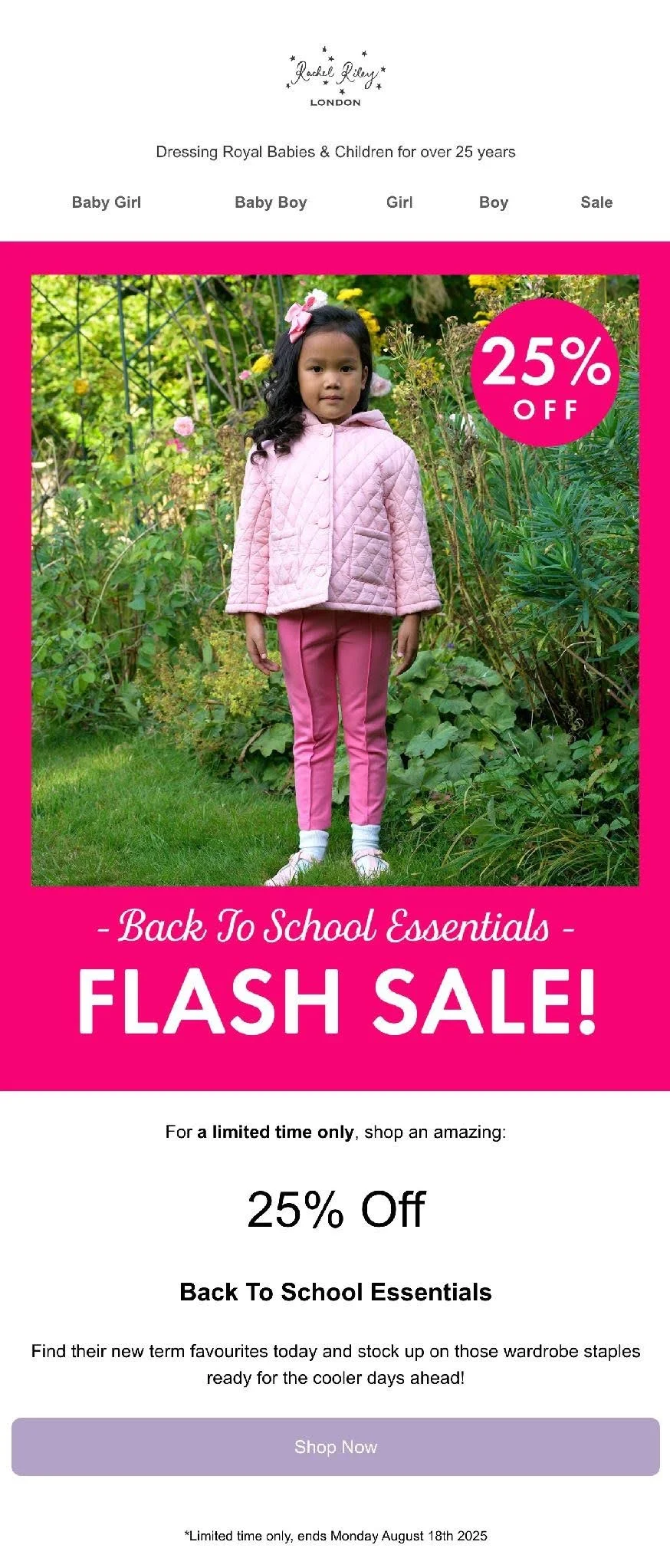
- Creating Urgency with Deadlines: A clear end date is a powerful motivator. Rachel Riley’s "Back to School Essentials Flash Sale" exemplifies this by combining a 25% discount with a prominently displayed expiration date. This creates a sense of urgency, prompting shoppers to act before the opportunity is lost. When employing this tactic, it is crucial to keep the offer simple, the discount clear, and the deadline unambiguous to avoid confusion and maximize impact.
- Repositioning Products as Essentials: The back-to-school narrative can be adapted to a wide array of products. INGLOT Canada successfully positions its beauty products as "back-to-school essentials" by framing them as tools to help students and teachers feel confident and ready for the new term. This strategy works for brands beyond traditional school supplies, such as health and wellness, home organization, or even fashion accessories. The key is to craft messaging that creatively links the product to the season’s needs, often complemented by clear pricing and trust badges like "free shipping" or "vegan/cruelty-free."
- Bundling for Convenience and Value: Product bundles streamline the shopping experience for consumers while simultaneously increasing average order value for retailers. Converse effectively uses a "Bundle Up & Save" campaign, grouping shoes, backpacks, and socks together and offering tiered discounts for higher spending. This approach caters to shoppers looking to fulfill multiple needs in one transaction and perceives greater value in combined offers. Bundles should be logically curated, offering a clear benefit to the customer.
- Proactive Early Engagement: Starting back-to-school campaigns early is a strategic advantage. Cuisinart’s "Back-to-School Savings Start Now" campaign, launched ahead of the peak, showcases kitchen appliances with an "after-school" theme, dollar-off deals, and a clear end date. Early engagement helps brands cut through the inevitable clutter of later-season promotions and captures the attention of organized shoppers. It also provides an opportunity to grow contact lists through SMS sign-up sections, setting the stage for subsequent, more targeted campaigns.
- Lifestyle-Oriented Imagery: Selling an experience, not just a product, can significantly enhance campaign authenticity and memorability. Crocs’ "The Best Back to School Hack" email uses lifestyle images featuring students on campus and engaging in everyday activities, helping shoppers visualize how Crocs footwear fits into their academic lives. Such imagery creates an emotional connection, making the products more relatable and desirable. This approach is particularly potent for apparel, footwear, and accessories, where aspirational visuals can drive purchasing decisions.
Crafting a High-Impact Campaign: A Step-by-Step Guide
![Back-to-School Marketing: Best Practices & Examples [2026 ]](https://www.omnisend.com/blog/wp-content/uploads/2026/07/6-Cuisinart-email.jpg)
Building a successful back-to-school email and SMS campaign requires a systematic approach, leveraging modern marketing platforms to streamline the process.
- Select a Relevant Template: Begin by choosing a back-to-school-themed template that aligns with the campaign’s goals. Pre-designed templates significantly reduce design time, offering a professional foundation that can be customized.
- Establish Brand Consistency: Configure a brand kit within the marketing platform, including logos, brand colors, fonts, and social media links. This ensures that every email automatically adheres to brand guidelines, maintaining a consistent and recognizable brand presence across all communications.
- Construct Compelling Email Content: Utilize a drag-and-drop editor to build the email. Essential elements include a seasonal banner, a clear offer, a prominent discount code, curated featured products, and a compelling call-to-action button. Ensure the design is responsive and optimized for both desktop and mobile viewing.
- Develop a Seasonal Campaign Schedule: Create a comprehensive content calendar that outlines all back-to-school marketing campaigns from June through September. This includes planning specific send dates for new arrivals, discount announcements, giveaway promotions, sale reminders, cart recovery messages, and post-purchase follow-ups. A well-structured schedule ensures timely and relevant communication throughout the season.
| Period | Shopper Moment | What to Send |
|---|---|---|
| June | Early browsers, list-building | Share new arrivals, launch a welcome series for new subscribers, and use sign-up forms and pop-ups to attract new leads. Focus on inspiration and preparation. |
| Mid-July | Shoppers compare prices and look for the best deals | Launch targeted discount emails, feature compelling product bundles, and run engaging giveaways to capture attention and drive early conversions. Highlight savings prominently. |
| August | Shopping activity reaches its peak period | Send strategic sale reminders, activate robust abandoned cart recovery workflows, and deploy back-in-stock notifications for popular items. Emphasize urgency for impending deadlines. |
| Early September | Last-minute rush | Deliver "last call" emails and SMS messages for remaining deals, followed by crucial post-purchase follow-ups to ensure customer satisfaction and foster loyalty. |
- Implement Demand Capture Mechanisms: Deploy effective sign-up forms and pop-ups on the website to collect email and SMS contacts before and during the season. Utilizing AI-powered pop-up generators can help create highly optimized designs and copy that convert visitors into subscribers, offering early access to deals or exclusive content.
- Automate Core Workflows: Activate essential marketing automations that will run continuously throughout the campaign. This includes welcome emails for new subscribers, abandoned cart workflows (often multi-channel, combining email, SMS, and push notifications), and post-purchase sequences. Leveraging pre-built automation templates from marketing platforms can significantly speed up implementation, requiring only minor adjustments to timing, content, and branding.
- Segment, Preview, and Schedule: Segment the subscriber list to target specific audiences. Platforms often provide pre-built segments (e.g., first-time buyers, repeat customers) and allow for custom segments (e.g., past back-to-school buyers, those who viewed specific product categories). Preview all emails across different devices to ensure optimal display before scheduling them for deployment. The use of AI segment builders can further refine audience targeting by allowing marketers to describe desired segments in natural language.
| Segment | Type | How it’s Built | Use it For |
|---|---|---|---|
| First-time buyers | Pre-built preset | Ready to use | A compelling welcome offer and a gentle nudge for their initial purchase. |
| Repeat customers | Pre-built preset | Ready to use | Exclusive early access to the back-to-school sale, rewarding loyalty. |
| Past back-to-school buyers | Custom | Placed an order last year in the back-to-school window | A personalized returning-shopper early offer, acknowledging their previous engagement. |
| Category interest | Custom | Viewed or ordered a relevant product or collection (e.g., "laptops") | A targeted email featuring products within their specific area of interest. |
| Cart abandoners | Custom | Added items to cart, but did not complete the order | A timely reminder, potentially with an added incentive or a clear deadline to encourage completion of purchase. |
Expert Perspectives and Future Outlook
![Back-to-School Marketing: Best Practices & Examples [2026 ]](https://www.omnisend.com/blog/wp-content/uploads/2026/07/7-Crocs-email.jpg)
Industry analysts consistently emphasize that the future of back-to-school marketing lies in agility, personalization, and a deep understanding of evolving consumer psychology. The convergence of economic pressures and technological advancements means that generic, mass-market campaigns will continue to yield diminishing returns. Brands that embrace data-driven segmentation, leverage multi-channel communication (especially email and SMS), and integrate AI tools for efficiency and personalization will be best positioned to capture the attention and spending of the modern back-to-school shopper. The focus must shift from merely advertising products to providing solutions and experiences that resonate with the diverse needs of students, parents, and educators in 2026 and beyond.