rifanmuazin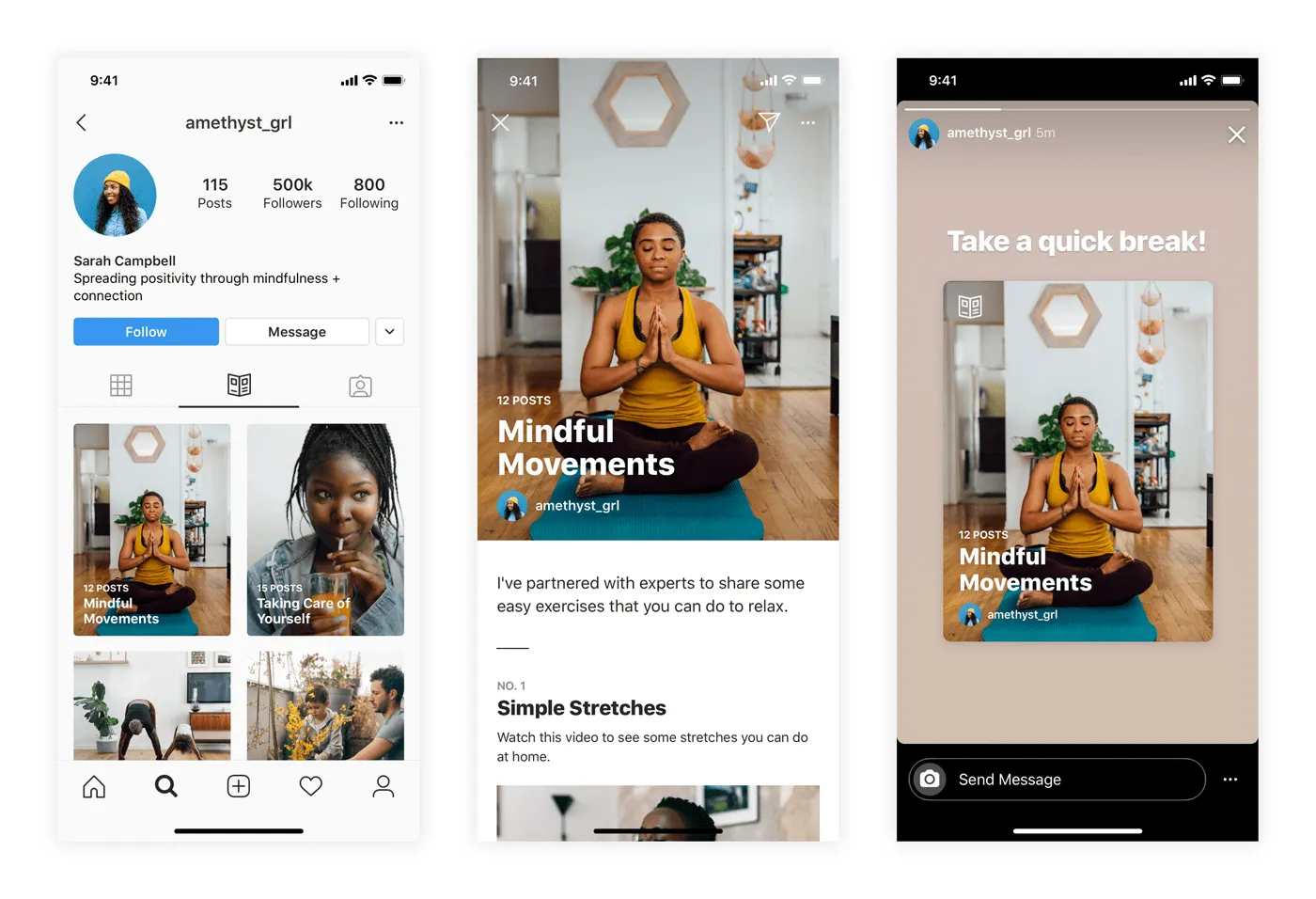
Meta is embarking on a strategic shift, signaling a renewed interest in long-form content by introducing a “Series” option for its popular Reels feature across both Instagram and Facebook. This development aims to extend user engagement with existing video material and provide creators with enhanced tools for content organization and community building. The initiative, currently in testing, is designed to help users track linked videos within a creator-defined set, marking a significant evolution in Meta’s approach to video content after years of prioritizing short-form, ephemeral formats.
The Genesis of “Series”: A New Approach to Episodic Content
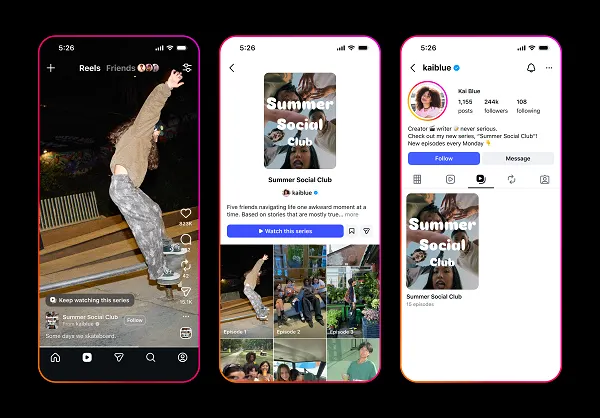
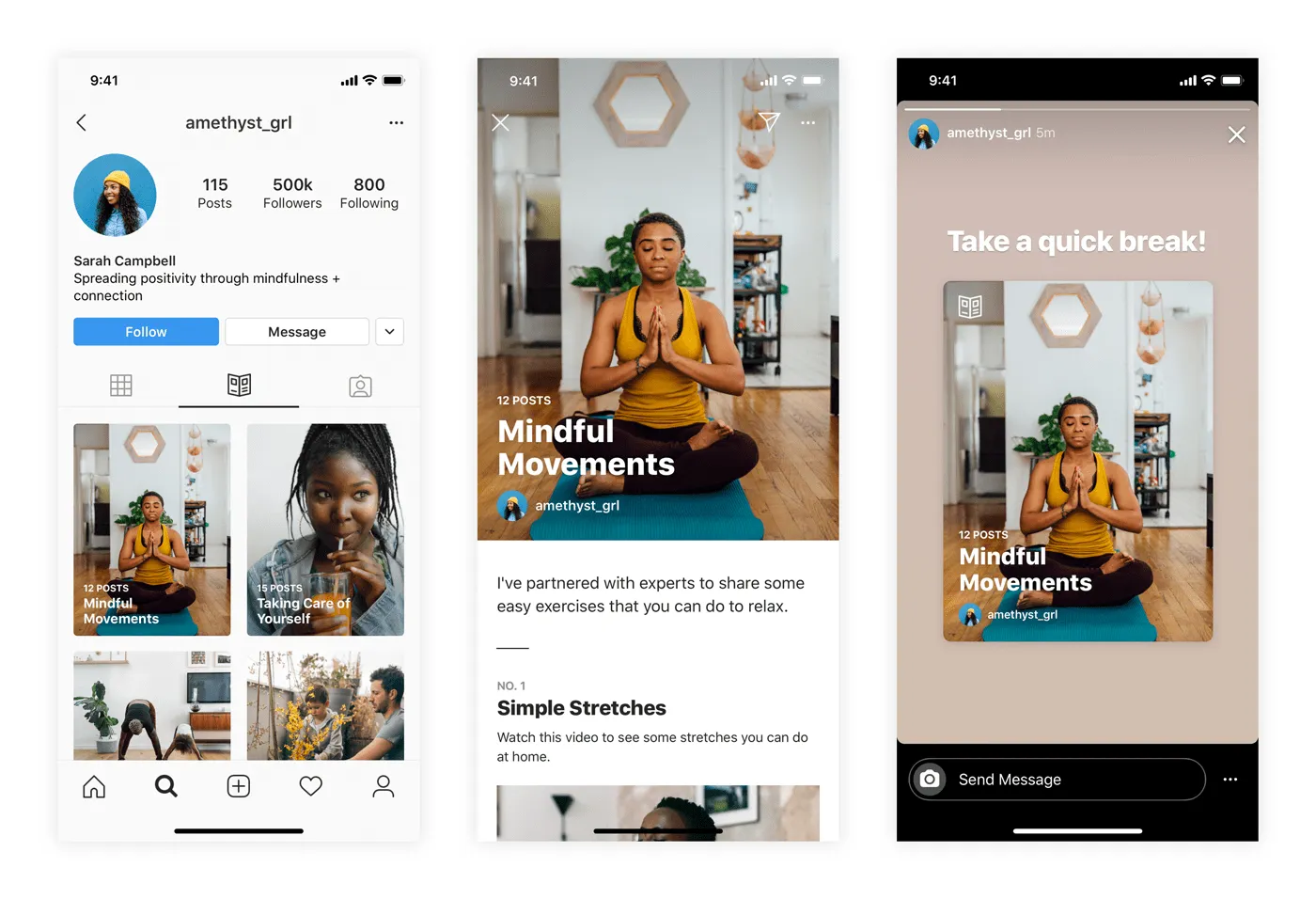
The core of Meta’s latest endeavor lies in the “Series” option for Reels, which allows creators to group related short videos into cohesive, episodic collections. As reported by TechCrunch, this feature is undergoing testing on both Facebook and Instagram, incorporating link shortcuts directly within the playback window and dedicated series collections visible on creator profiles. This functionality is intended to transform individual, bite-sized Reels into a more structured, narrative-driven experience, akin to a mini-series or a multi-part tutorial. The primary objective is to facilitate deeper engagement, enabling audiences to follow a creator’s thematic content seamlessly, moving from one linked clip to the next without interruption. This move addresses a growing demand from creators for better organizational tools and from users for more structured content discovery, particularly as platforms become saturated with standalone short videos.
A Look Back: Meta’s Prior Forays into Extended Video
This is not Meta’s first venture into fostering extended content engagement, nor is it the inaugural appearance of a “Series” concept within its ecosystem. The company has a nuanced history with longer video formats, marked by both ambitious launches and strategic retreats.
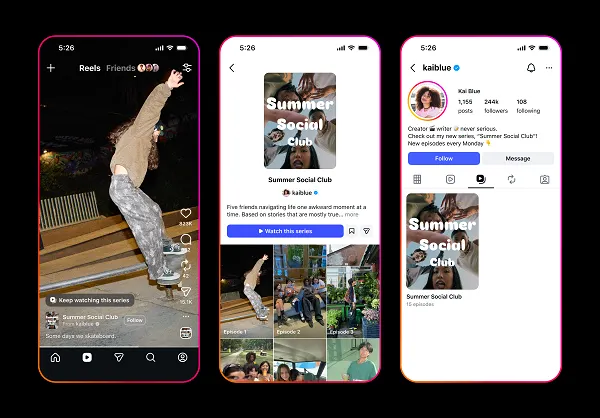
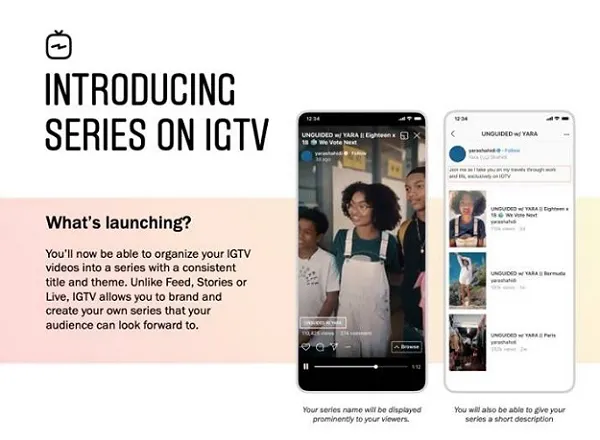
In 2019, Instagram, under Meta’s purview, introduced a “Series” option specifically for IGTV. At the time, IGTV was positioned as Instagram’s answer to YouTube, aiming to capture a share of the burgeoning long-form video market. The IGTV Series feature allowed creators to segment their longer videos into dedicated collections, making it easier for viewers to consume multi-part narratives or themed content. However, IGTV struggled to gain widespread adoption, facing challenges with user interface, discoverability, and a general preference among Instagram users for shorter, more casual content. Despite significant investment, IGTV eventually saw its standalone app retired and its content integrated more closely with the main Instagram feed, ultimately being folded into the broader video experience. The lessons learned from IGTV’s trajectory likely inform the current approach, emphasizing integration within existing successful formats like Reels rather than launching entirely new platforms.
Prior to the IGTV Series, Instagram also launched “Guides” in 2020. Guides were designed to facilitate expanded topical engagement, allowing creators to curate posts, products, places, or even their own Reels into scrollable, blog-like collections. While not strictly a video-only feature, Guides shared the underlying philosophy of enabling creators to provide more structured, curated content experiences that went beyond individual posts. This feature aimed to help users connect with resources and discover content organized around specific themes, further illustrating Meta’s continuous exploration of tools that foster deeper content organization and consumption. The similarities between the conceptual aims of Guides and the new Reels Series are notable, suggesting an iterative refinement of strategies to achieve sustained user engagement.
The Evolving Landscape of Digital Video: Why Now?
Meta’s renewed push into longer-form content, particularly through the “Series” option for Reels, comes at a pivotal moment in the digital video landscape. For years, the industry has been dominated by the rapid ascent of short-form video, spearheaded by TikTok. Reels, Meta’s direct competitor to TikTok, has been a critical driver of audience engagement across Instagram and Facebook in recent years. Data consistently shows that short-form video consumption has surged, with users spending significant time scrolling through concise, attention-grabbing clips. For instance, a 2023 report by Statista indicated that the average time spent on short-form video platforms continued to grow, particularly among younger demographics. Meta itself reported in its Q4 2023 earnings call that Reels continues to be a major growth engine, with over 200 billion plays across Facebook and Instagram daily.
However, the market is not monolithic, and a significant segment of online viewership remains dedicated to longer, more in-depth content. YouTube, the undisputed leader in long-form video, continues to thrive, demonstrating that audiences are willing to invest time in comprehensive tutorials, documentaries, vlogs, and episodic series. Furthermore, the rise of Connected TV (CTV) viewing has opened new avenues for content consumption. According to a 2024 Nielsen report, streaming now accounts for a significant portion of total TV usage, with viewers increasingly opting for on-demand, longer-form content experiences on their smart TVs. This trend presents a substantial opportunity for platforms that can adapt their content strategies to fit the living room viewing experience, where longer engagement translates directly into higher ad revenue potential.
Statements from Meta: A Strategic Pivot
The strategic intent behind the “Series” option was explicitly articulated by Instagram’s Vice President of Product, Tessa Lyons, at a recent industry event. Speaking at the Scaleable Summit last month, Lyons informed audiences that Instagram is actively looking beyond its current short-form content focus, aiming for a more YouTube-like approach to drive creator engagement and opportunity. She stated that Instagram is striving to become “a unique part of creators’ long-form strategy in addition to their short-form strategy.” This declaration underscores a deliberate shift in platform philosophy, acknowledging that a balanced content ecosystem, encompassing both short and long forms, is essential for sustained growth and creator retention.
Lyons’ remarks hinted at broader platform developments, suggesting that this pivot would likely involve introducing more robust support for diverse long-form formats, including podcasts, live-streams, and expanded narratives told through mini-dramas. This comprehensive vision indicates that “Series” for Reels is merely one component of a larger strategy to diversify content offerings and cater to a wider spectrum of creator and audience preferences.
The Allure of Mini-Dramas and Monetization
One particular genre that has caught Meta’s attention, and which the “Series” option is well-suited to support, is the mini-drama. These serialized, short-form narratives have exploded in popularity on platforms like TikTok, where creators produce multi-part stories, often with cliffhangers designed to maximize viewer retention and repeat engagement. Business Insider reported earlier this year on the phenomenal success of mini-dramas, noting that they are generating hundreds of millions of views on TikTok and created an estimated $1.3 billion in the U.S. in 2023, primarily through direct payments from viewers. The format has been so successful that TikTok’s parent company, ByteDance, even launched a dedicated mini-dramas app called PineDrama in the U.S. and Brazil, highlighting the significant market potential.
For Meta, tapping into this trend offers a compelling pathway to enhanced monetization and creator incentivization. By providing tools like “Series,” Meta can empower creators to build out these narrative arcs, fostering deeper audience investment and, consequently, longer viewing sessions. Longer viewing sessions, in turn, create more opportunities for ad placement and potentially new monetization models, such as subscriptions or direct fan support for specific series. This diversification of content not only keeps creators engaged with the platform but also attracts new talent looking for versatile storytelling tools and diverse revenue streams.
Broader Impact and Implications
The reintroduction of a “Series” option carries significant implications for various stakeholders within the Meta ecosystem and the broader digital media landscape.
For Creators: The most immediate impact will be on creators. The “Series” option provides a much-needed organizational framework, allowing them to present their content more professionally and coherently. This could be particularly beneficial for educators, storytellers, tutorial creators, and artists who produce content in logical sequences. Enhanced discoverability and continuity could lead to increased audience retention, repeat viewership, and stronger community building around specific themes or narratives. Furthermore, if Meta integrates expanded monetization options with these series, creators could unlock new revenue streams, making the platform a more attractive and sustainable place for professional content creation. This move aligns with the growing demands of the creator economy, which increasingly seeks robust tools for content management and diverse monetization pathways beyond simple ad revenue.
For Users: Users will benefit from a more organized and engaging viewing experience. Instead of stumbling upon isolated Reels, they can now easily dive into curated collections, following a story or learning process from beginning to end. This could lead to higher satisfaction and longer time spent on the platforms, as the frustration of losing track of a multi-part series is mitigated. The episodic format could also foster a stronger sense of anticipation and loyalty to specific creators and their content.
For Advertisers: The shift towards longer-form, episodic content presents new opportunities for advertisers. Longer viewing sessions inherently mean more ad inventory and potentially more engaging ad formats. Brands could also explore new avenues for native advertising, brand sponsorships within specific series, or even creating their own branded series, leveraging the platform’s tools for extended storytelling. The ability to target engaged viewers who are actively following a series could lead to more effective and impactful advertising campaigns. The renewed push into CTV also means that ads placed within longer-form content could reach audiences in a premium, living-room viewing environment, commanding higher ad rates.
For Meta’s Competitive Standing: This strategic pivot underscores Meta’s ambition to remain competitive against both TikTok and YouTube. By embracing both short and long-form content, Meta aims to offer a comprehensive video solution that can cater to all types of creators and viewers. While TikTok has excelled in short-form virality, its recent moves into mini-dramas indicate a growing recognition of the value of sustained narrative. By building similar capabilities within Reels, Meta can directly challenge TikTok on its emerging front. Simultaneously, by nurturing longer, more organized content, Meta positions itself as a more viable alternative or complement to YouTube, particularly for creators who prefer to operate within the Instagram and Facebook ecosystem.
Technological and Infrastructure Considerations: Supporting a robust long-form video ecosystem, especially one integrated with the high-volume nature of Reels, will require significant investment in infrastructure. This includes efficient content delivery networks, sophisticated recommendation algorithms that can balance short-form virality with long-form depth, and advanced analytics for creators. Meta’s continued investment in its CTV app, which saw an update in December, clearly signals its commitment to this infrastructure, preparing for a future where Instagram content is consumed not just on mobile devices but also on large screens.
Conclusion
Meta’s reintroduction of a “Series” option for Reels is more than just a new feature; it represents a significant strategic recalibration aimed at diversifying its video content offerings and re-engaging with the potential of long-form narratives. By learning from past endeavors like IGTV and Guides, responding to market trends driven by mini-dramas on TikTok, and aligning with a broader push into Connected TV, Meta is seeking to create a more robust and versatile platform for creators and consumers alike. This move acknowledges that while short-form content captures immediate attention, longer, more structured narratives are crucial for building deeper engagement, fostering strong communities, and unlocking substantial monetization opportunities in the evolving digital media landscape. As the feature rolls out, its success will depend on its adoption by creators, its seamless integration into user experience, and Meta’s ability to consistently provide value through expanded tools and monetization pathways.