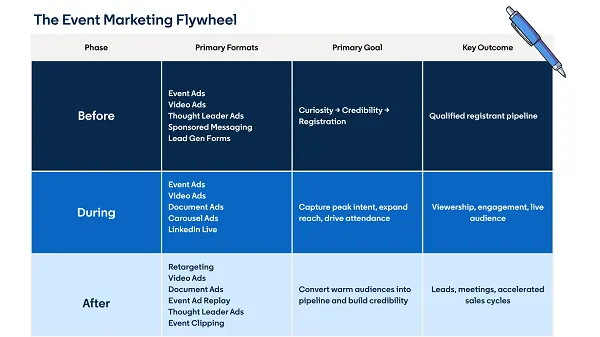
LinkedIn, the world’s leading professional network, has issued comprehensive guidance aimed at assisting brands in transforming their event marketing efforts from mere cost centers into powerful demand drivers. This strategic directive, spearheaded by Head of Ads Jae Oh, emphasizes a holistic approach to events, advocating for wider outreach strategies and robust follow-up plans to cultivate extended engagement and reach. The move comes as LinkedIn observes a significant surge in the popularity of in-app hosted events, with the platform reporting a substantial 24% increase in events shared during the first quarter of fiscal year 2025. This upward trend underscores the growing importance of professional events in the digital marketing landscape, positioning LinkedIn to capitalize on and further shape this evolving domain.
The guidance from LinkedIn is a direct response to the observable shift in how professionals and businesses connect and interact. With an ever-increasing volume of events being organized and attended directly within the platform, LinkedIn is strategically positioning itself as a pivotal hub for B2B event marketing. Jae Oh’s insights highlight that while many brands invest heavily in creating compelling event experiences, a significant portion often falls short in leveraging these moments for sustained value. His core message is unequivocal: events must not be treated as isolated occurrences but as integral components of a larger, continuous marketing motion designed to nurture leads, deepen customer relationships, and ultimately drive business growth.
The Strategic Imperative: Beyond the Standalone Event
Jae Oh articulated a profound shift in perspective required for modern event marketing. He posits that the traditional view of events—whether a conference booth, a webinar, or a flagship summit—as singular, transient moments is fundamentally flawed. Instead, Oh argues that each event serves as a multifaceted opportunity that, when strategically integrated into a broader marketing framework, can yield exponentially greater returns. "Events are one of the few tactics that cut through," Oh explained. "A conference booth isn’t just a place to hand out swag, it’s an audience-building opportunity. A webinar isn’t just an hour of content, it’s a nurture engine that can fuel your funnel for months. A flagship summit isn’t just a customer celebration, it’s a lever that moves deals already in motion. But only if you treat each event as part of a bigger motion, not a standalone moment." This philosophy calls for marketers to establish a clear framework for each event, meticulously outlining its aims and, critically, embedding a comprehensive plan for follow-up outreach from the outset.
The underlying premise of Oh’s guidance is that the true value of an event extends far beyond its live duration. It encompasses the pre-event anticipation, the live engagement, and most importantly, the sustained post-event interaction. This integrated view ensures that the resources invested in event creation—from content development and speaker recruitment to logistical planning and promotion—are fully amortized across the entire customer journey. For businesses, this translates into a more efficient use of marketing budgets and a higher likelihood of converting engaged prospects into loyal customers.
The Rise of Events on LinkedIn: A Chronological Overview
The recent 24% increase in events shared on LinkedIn in Q1 FY2025 is not an isolated statistic but rather a culmination of several years of strategic development and evolving user behavior. LinkedIn’s journey into robust event hosting began modestly, initially allowing users to create simple event pages and invite connections. However, recognizing the immense potential for professional networking, lead generation, and thought leadership, the platform began to significantly enhance its event capabilities.
- Early 2010s: Basic event creation features were integrated, primarily leveraging LinkedIn Groups for discussion and organization. These were rudimentary by today’s standards but laid the groundwork.
- Mid-2010s: LinkedIn started to improve the discoverability of events and allowed for direct invitations, making it easier for organizers to reach their professional networks. The acquisition of Lynda.com (now LinkedIn Learning) hinted at a future focus on educational content, a natural fit for webinars and online events.
- Late 2010s (Pre-Pandemic): Significant investments were made in developing dedicated event pages with richer functionality, including the ability to share updates, manage attendees, and integrate with calendars. This period also saw the introduction of LinkedIn Live, which became a game-changer for hosting interactive virtual events and live broadcasts directly on the platform, fostering real-time engagement.
- 2020-2021 (Pandemic Era): The global shift to remote work and virtual interactions dramatically accelerated the adoption of online events. LinkedIn’s existing infrastructure for virtual events proved invaluable, leading to a massive increase in usage. The platform rapidly rolled out new features to support virtual conferences, networking sessions, and educational webinars, becoming a primary channel for professional engagement during lockdowns.
- 2022-Present (Hybrid Model Evolution): As the world gradually reopened, LinkedIn continued to innovate, supporting both purely virtual and hybrid event models. Integrations with leading event management platforms like On24 and Cvent, as highlighted in previous LinkedIn announcements, were crucial developments. These integrations streamlined the process for marketers, allowing for seamless data flow and enhanced event management capabilities directly from within the LinkedIn ecosystem. This continuous evolution has made LinkedIn a powerful and integrated tool for event marketers, contributing directly to the observed surge in activity. The platform’s commitment to improving these features reflects a clear understanding of its users’ and marketers’ needs in an increasingly digital-first professional world.
Maximizing Post-Event Engagement: The Critical Follow-Up
Oh’s analysis pinpoints a critical flaw in many event marketing strategies: the failure to effectively leverage post-event opportunities. He notes that while significant effort is expended on attracting attendees and delivering compelling content during the event, the momentum often dissipates rapidly afterward. This oversight drastically reduces the overall value derived from the event. To counteract this, Oh provided clear, actionable recommendations:
- Establish Retargeting Campaigns: Marketers should immediately set up retargeting campaigns targeting event attendees. These campaigns serve to maintain engagement and keep the brand top-of-mind. This could involve promoting related content, special offers, or invitations to future events. The key is to leverage the pre-existing interest shown by attendees to continue the conversation.
- Disseminate Recap Content: Post-event communication should include comprehensive recap content. This could be in the form of summary articles, key takeaways, speaker highlights, or even full recordings of sessions. Providing valuable content reinforces the event’s message and offers attendees an opportunity to revisit information they found useful, or catch up on sessions they missed.
- Implement Follow-Up Promotions: Beyond general content, targeted promotions are essential. These might include exclusive discounts for attendees, early bird access to new products or services, or invitations to a deeper dive workshop. Such promotions reward attendees for their participation and provide clear next steps in the customer journey.
The effectiveness of these follow-up strategies is quantifiable. Oh shared compelling data, stating, "Members are 28% more likely to engage with subsequent marketing campaigns after seeing an event ad." This statistic underscores the power of integrated post-event communication, demonstrating that an attendee’s initial interaction with an event significantly primes them for future engagement with the brand’s marketing efforts. This amplified receptiveness translates directly into higher conversion rates and a more efficient marketing funnel.
Leveraging LinkedIn’s Advertising Arsenal for Sustained Engagement
To facilitate effective post-event follow-up and maximize engagement, LinkedIn provides a suite of advertising tools tailored for B2B marketers. Oh highlighted several key options that can be deployed to extend the value of event content and maintain dialogue with attendees:
- Document Ads: These allow marketers to share in-depth content such as whitepapers, e-books, case studies, or event summaries directly within the LinkedIn feed. After an event, Document Ads can be used to distribute detailed recap documents, speaker presentations, or complementary resources, providing attendees with valuable take-aways that reinforce the event’s message.
- Thought Leader Ads: By promoting content from key speakers or internal subject matter experts who participated in the event, brands can leverage the credibility and influence of these individuals. This approach personalizes the follow-up, making the content more engaging and authoritative, and reinforcing the brand’s position as a thought leader in its industry.
- Event Clipping Feature: This innovative tool allows organizers to convert longer event content, such as full webinar recordings or keynote speeches, into short, digestible video clips. These clips are ideal for social media consumption, serving as engaging snippets that can pique interest, remind attendees of key moments, and entice those who missed the live event to seek out the full recording or future content. This feature is particularly effective for retargeting campaigns, as short video content has a high engagement rate.
These ad options enable marketers to segment their audience effectively, delivering highly relevant content to attendees based on their engagement during the event. For example, attendees of a specific session could be retargeted with a Document Ad containing the detailed presentation slides from that session, followed by a Thought Leader Ad promoting an article by the speaker. This level of personalization dramatically increases the likelihood of continued engagement and progression through the sales funnel.
The Power of Promotion: Amplifying Reach Before and After
While post-event strategies are crucial, Oh also emphasized the foundational importance of pre-event promotion using LinkedIn’s advertising capabilities. He revealed a compelling statistic: "promoted events saw 31 times more viewers on average compared to company-hosted events without event ads promotion." This data underscores that even the most meticulously planned and content-rich event will struggle to achieve its full potential without adequate visibility.
LinkedIn ads offer powerful targeting capabilities, allowing brands to reach specific professional demographics, industries, job titles, and company sizes that are most relevant to their event’s theme. By leveraging Sponsored Content, Message Ads, and Dynamic Ads, marketers can:
- Increase Registrations: Targeted campaigns can drive higher registration numbers by reaching an audience predisposed to the event’s topic.
- Enhance Brand Awareness: Event promotion on LinkedIn not only drives attendance but also elevates brand visibility and establishes the company as a leader in its field.
- Qualify Leads: The nature of LinkedIn’s professional audience ensures that those who register for events through targeted ads are typically higher-quality leads, already operating within the relevant business context.
Integrating event promotion into the broader marketing strategy ensures that the entire lifecycle of an event, from initial awareness to sustained post-event engagement, is maximized. This holistic approach ensures that every dollar spent on event marketing contributes directly to measurable business outcomes.
Broader Industry Context and Expert Perspectives

The advice from LinkedIn’s Jae Oh resonates deeply with broader trends and expert consensus within the B2B marketing industry. A 2023 report by Grand View Research indicated that the global event management software market size was valued at USD 5.7 billion in 2022 and is expected to grow at a compound annual growth rate (CAGR) of 13.9% from 2023 to 2030, driven by the increasing demand for virtual and hybrid events. This growth validates LinkedIn’s strategic focus. Furthermore, studies by the Content Marketing Institute consistently show that webinars and virtual events are among the most effective content marketing tactics for lead generation and nurturing, with many marketers ranking them highly for achieving top-of-funnel and mid-funnel objectives.
Industry analysts like Sarah Jenkins, a B2B marketing strategist, often highlight the challenge of proving event ROI. "Many companies view events as necessary but often struggle to tie them directly to revenue," Jenkins notes. "LinkedIn’s guidance on integrated strategies and robust follow-up is precisely what marketers need to bridge that gap. The ‘standalone moment’ mentality is a relic; modern events are continuous journeys." Her perspective reinforces Oh’s call for a more strategic and interconnected approach. Another common observation from marketing experts is that while event registration numbers can be impressive, the true test of an event’s success lies in the quality of leads generated and the subsequent conversion rates. By emphasizing targeted follow-up and leveraging LinkedIn’s professional ecosystem, brands can significantly improve these crucial metrics.
Implications for Marketers and the Platform
The implications of LinkedIn’s enhanced focus on event value are significant for both marketers and the platform itself.
For marketers, this guidance offers a clear roadmap to:
- Improve ROI: By integrating events into a larger strategy and prioritizing follow-up, brands can demonstrate a clearer return on their event marketing investment.
- Enhance Lead Nurturing: Events become powerful engines for moving prospects through the sales funnel, providing valuable touchpoints and content at each stage.
- Strengthen Brand Authority: Consistent delivery of high-quality event content, coupled with strategic promotion, reinforces a brand’s position as a thought leader and expert in its field.
- Optimize Resource Allocation: Understanding how to maximize the long-term value of events helps marketers allocate budgets more effectively across pre-event, during-event, and post-event activities.
For LinkedIn, this strategic emphasis on events contributes to:
- Increased Platform Engagement: More events, better promoted, and with stronger follow-up, mean more active users spending more time on the platform.
- Enhanced Ad Revenue: The promotion of events and the subsequent retargeting campaigns drive increased utilization of LinkedIn’s advertising products.
- Competitive Advantage: By offering a comprehensive, integrated solution for event marketing, LinkedIn further solidifies its position as the go-to platform for B2B professionals, distinguishing itself from other social media channels.
- Data-Driven Insights: Increased event activity provides LinkedIn with richer data on professional interests and industry trends, which can further inform platform development and feature enhancements.
The Future of Event Marketing on LinkedIn
Looking ahead, the trajectory of event marketing on LinkedIn appears poised for continued innovation. We can anticipate even deeper integrations between event features and other LinkedIn functionalities, such as Sales Navigator for lead qualification, and LinkedIn Learning for continuous professional development. The role of artificial intelligence and machine learning is also likely to expand, enabling more sophisticated audience segmentation, personalized content recommendations, and automated follow-up sequences. As hybrid work models become standard, the distinction between purely virtual and in-person events will continue to blur, with LinkedIn likely evolving to offer seamless management tools for truly integrated hybrid experiences. The overarching goal will remain to ensure that every professional interaction, particularly those centered around events, contributes to a richer, more valuable, and more connected professional ecosystem. By embracing the principles outlined by Jae Oh, marketers can ensure their event strategies are not just participating in this future but actively shaping it, transforming transient moments into enduring opportunities for growth and engagement.