

The digital landscape has reached a critical inflection point where the traditional methods of optimizing website performance are no longer sufficient to meet escalating consumer expectations. As global e-commerce competition intensifies, businesses are increasingly turning to Artificial Intelligence (AI) to transform their Conversion Rate Optimization (CRO) strategies. This shift represents a move away from reactive, manual testing toward proactive, real-time experience tailoring. AI conversion rate optimization, or AI CRO, leverages machine learning algorithms to identify friction points, prioritize experimental hypotheses, and deliver hyper-personalized user experiences that were previously impossible to execute at scale.
For decades, CRO was a labor-intensive process characterized by sequential A/B testing and heuristic reviews. Marketers would gather data over weeks or months, form a hypothesis, and test a single variable against a control. While effective, this "Traditional CRO" model is often plagued by slow turnaround times and a high degree of human bias. In contrast, AI-driven systems can analyze millions of data points in milliseconds, spotting behavioral patterns that escape the human eye. By automating data collection and providing predictive analytics, AI allows websites to anticipate user needs before the user even articulates them, effectively acting as a digital concierge that guides each visitor toward a successful conversion.
The Evolution of Optimization: From Heuristics to Hyper-Personalization
The chronology of conversion optimization has moved through several distinct phases. In the early 2000s, optimization was largely based on "best practices" and aesthetic intuition. The 2010s saw the rise of data-backed A/B testing, where tools like Optimizely and VWO democratized statistical validation. However, we have now entered the era of Algorithmic Optimization. In this current phase, the goal is no longer to find the version of a webpage that works best for the "average" user, but to dynamically generate a version that works best for the specific individual currently on the site.
Industry data supports this transition. Recent market reports suggest that companies integrating AI into their marketing stacks see an average uplift in conversion rates ranging from 15% to 30%. Furthermore, according to Gartner, by 2025, organizations that use AI for personalized customer engagement will outsell those that do not by 20%. This economic reality is driving a massive reallocation of marketing budgets toward AI-powered personalization engines and predictive modeling tools.
Strategic Applications of AI in the Modern CRO Stack
The implementation of AI in CRO is not a singular event but a multi-faceted integration across several key technological pillars:
1. Predictive Analytics and Behavioral Modeling
Predictive analytics serves as the "crystal ball" of modern marketing. By analyzing historical data, AI can assign a "propensity score" to visitors, indicating the likelihood of a purchase or a churn event. For instance, if a user’s navigation pattern matches that of previous customers who abandoned their carts, the AI can trigger a real-time intervention—such as a limited-time discount or a personalized chat prompt—to keep the user in the funnel. Tools like Pendo and HubSpot are at the forefront of this, using machine learning to help businesses understand not just what happened, but what is likely to happen next.
2. AI-Powered Personalization Engines
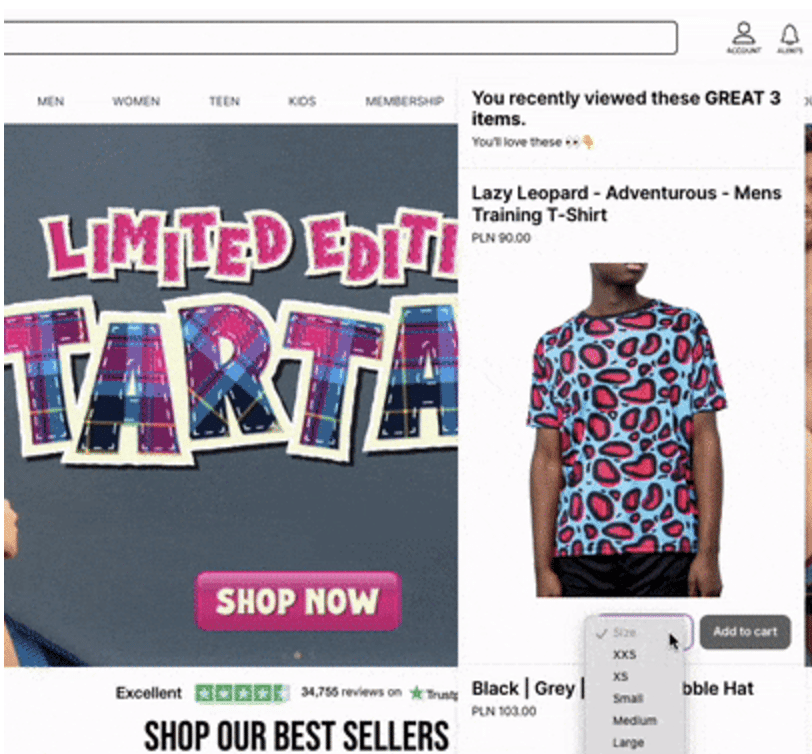
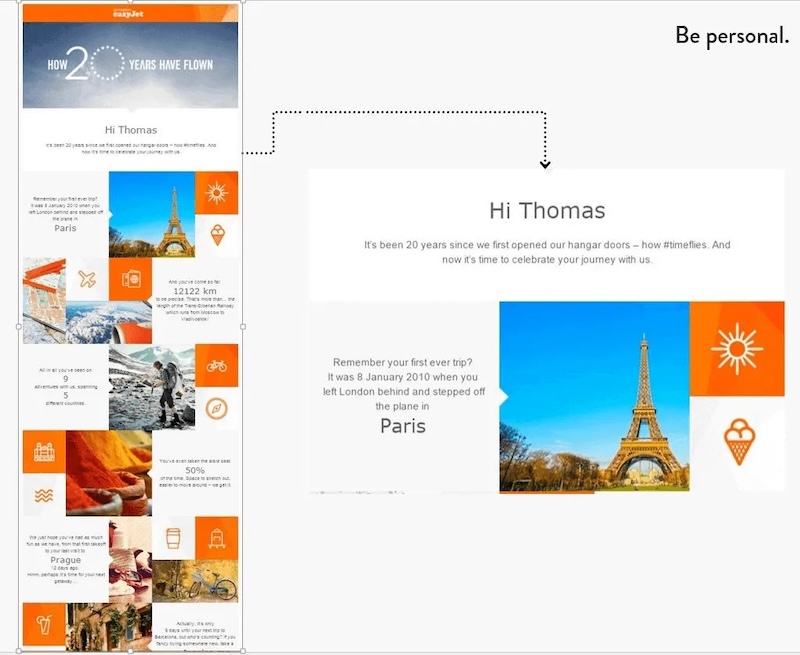
Personalization has evolved far beyond simply inserting a customer’s first name into an email. Modern personalization engines, such as those used by the UK-based brand OddBalls, utilize AI to create dynamic on-site notifications. By tracking when a visitor has viewed a specific number of products, the system can generate a "Wishlist" reminder or suggest related items based on the visual attributes of the products browsed. This level of relevance ensures that the customer feels understood, which significantly reduces the cognitive load required to make a purchase decision.
3. Real-Time Multi-Variant Testing
Traditional A/B testing is limited by its binary nature. AI allows for "Multi-Armed Bandit" testing, where the system automatically funnels more traffic to the winning variation in real-time, rather than waiting for a test to reach statistical significance. This minimizes "regret"—the loss of potential conversions during the testing period. Platforms like FigPii use these algorithms to provide recommendations based on user preferences, ensuring that the website is always in a state of self-optimization.
Case Studies: AI Success in Retail and Public Service
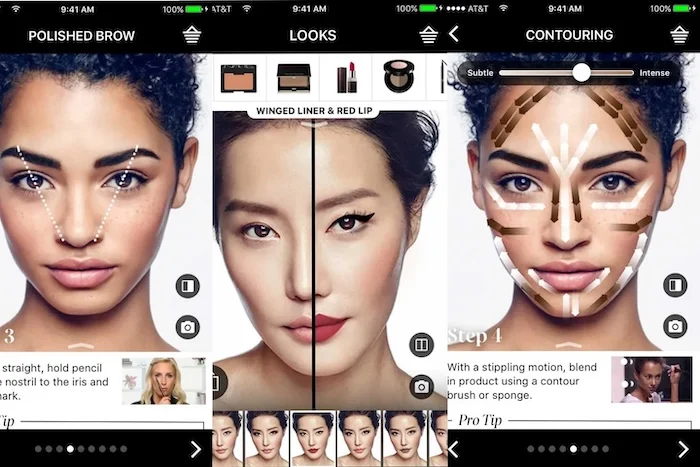
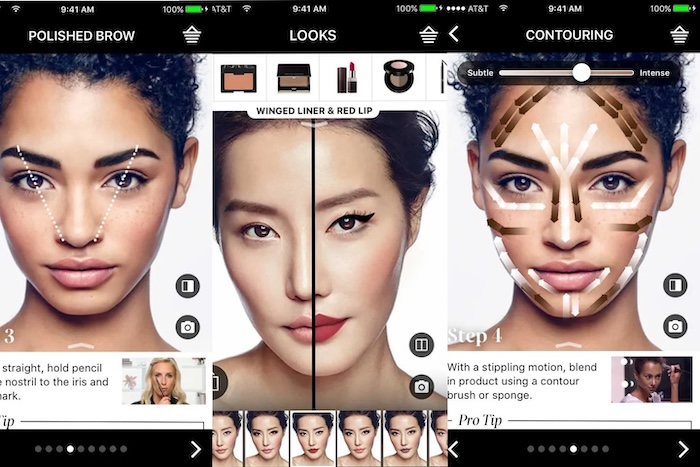
The impact of AI CRO is perhaps most visible in the beauty and fashion industries. Sephora has set a high benchmark with its "Virtual Artist" tool. By leveraging AI and Augmented Reality (AR), Sephora allows customers to virtually "try on" makeup. This does more than just enhance the user experience; it directly addresses the primary friction point in online beauty retail—the uncertainty of how a product will look in person. By reducing this uncertainty, Sephora increases the probability of conversion while simultaneously reducing the rate of product returns.
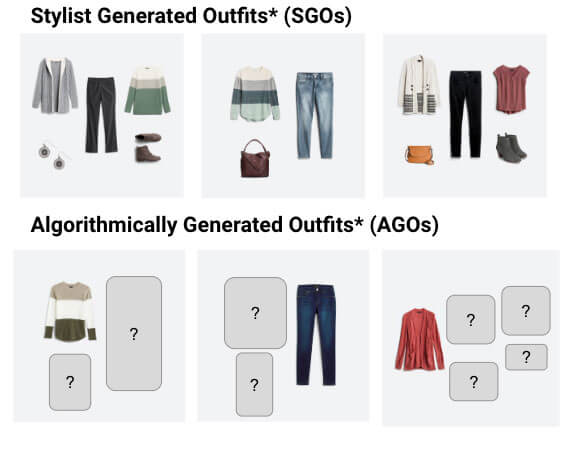
Similarly, Stitch Fix has revolutionized personal styling through its Outcome-Based Modeling (OCM). By using generative AI and deep learning, Stitch Fix analyzes customer feedback, style preferences, and even local weather patterns to curate clothing shipments. This data-driven approach has turned the traditional retail model on its head, moving from "search and find" to "curate and deliver."
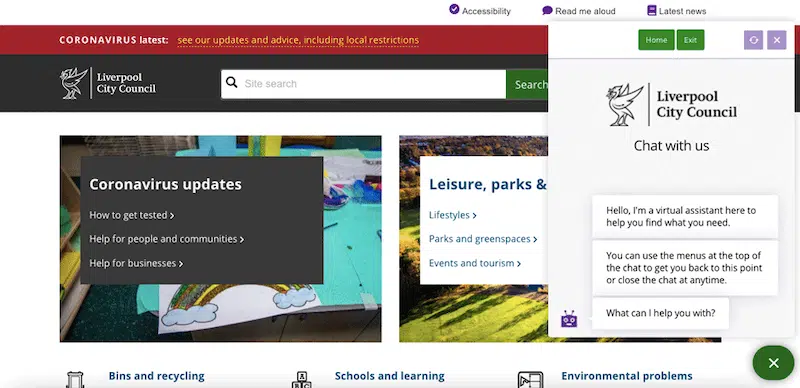
The utility of AI is not confined to the private sector. The Liverpool City Council in the United Kingdom implemented an AI-driven virtual assistant to handle complex queries regarding council taxes and benefits. By using Natural Language Processing (NLP), the chatbot provides instant, human-like responses to citizens. This implementation successfully addressed common digital pain points, proving that AI-driven optimization can improve "conversion" in a civic context—specifically, the successful completion of administrative tasks by citizens.
Advanced Behavioral Insights: Heatmaps and Dynamic Content
To truly optimize a journey, one must understand the "why" behind the "what." AI-enhanced heatmaps, provided by tools like Crazy Egg and FigPii, go beyond static representations of clicks. They use AI to filter out "noise" and highlight the most meaningful interactions. These tools can identify "rage clicks" (where a user clicks repeatedly out of frustration) or "dead clicks," allowing developers to fix UI bugs that are killing conversions.
Dynamic Content Optimization (DCO) takes these insights and applies them instantly. AI can change website banners, pricing tiers, or calls-to-action based on the visitor’s geographic location, the weather in their area, or their previous purchase history. For example, a travel website might display images of tropical beaches to a user browsing from a cold climate, while showing mountain retreats to someone else, all controlled by an underlying AI logic that maximizes relevance.
Building an Organizational Culture of Optimization
The shift to AI CRO requires more than just new software; it requires a shift in organizational culture. Companies that successfully leverage AI are those that foster a "data-driven" mindset across all departments. This involves breaking down silos between data scientists, marketers, and web developers.

Industry experts suggest that the role of the "CRO Specialist" is evolving into that of an "AI Orchestrator." Instead of manually designing every test, these professionals are now responsible for setting the parameters within which the AI operates, ensuring ethical data usage, and interpreting the high-level strategic implications of the AI’s findings. This human-in-the-loop model ensures that while the AI handles the "heavy lifting" of data processing, the brand’s creative vision and ethical standards remain intact.
Ethical Considerations and Data Privacy
As AI becomes more deeply embedded in the customer journey, questions of data privacy and ethics have moved to the forefront. The effectiveness of AI CRO depends on the collection of high-quality user data. However, with the implementation of regulations like GDPR in Europe and CCPA in California, businesses must balance optimization with transparency.
Leading firms are now adopting "Privacy-First AI," which focuses on anonymized data patterns rather than individual PII (Personally Identifiable Information). By focusing on behavioral cohorts—groups of users who act similarly—rather than specific individuals, brands can still achieve high levels of personalization without compromising user trust.
The Future of CRO: Anticipatory Design
Looking ahead, the future of CRO lies in "Anticipatory Design." This concept suggests a web experience that is so well-optimized that it eliminates the need for the user to make choices at all. By using AI to predict the most likely path a user wants to take, websites will begin to simplify their interfaces dynamically, showing only the most relevant options.
The integration of Generative AI, such as Large Language Models (LLMs), will further personalize the experience. We can expect to see websites where the copy itself changes in real-time to match the reading level or the emotional state of the visitor. For example, a technical user might see detailed specifications, while a novice user sees benefit-focused descriptions—both generated on the fly by AI.
Conclusion: The Imperative for AI Adoption
In conclusion, AI-driven Conversion Rate Optimization is no longer a futuristic concept but a present-day necessity for any business operating in the digital economy. The ability to process vast datasets, predict user behavior, and deliver personalized experiences in real-time provides a competitive advantage that traditional methods cannot replicate.
As AI technology continues to evolve, the gap between AI-enabled businesses and their traditional counterparts will only widen. By embracing these tools, brands can move beyond simple metrics to create meaningful, seamless, and highly optimized customer journeys. The transition to AI CRO represents the ultimate fulfillment of the digital promise: delivering the right message to the right person at exactly the right time, resulting in higher conversion rates, increased customer loyalty, and a more robust bottom line.







