rifanmuazin
Tuesday, February 10th, 2026 – 9:00 am. The Out of Home Advertising Association of America (OAAA) today announced a significant update to its OpenOOH venue taxonomy, a move poised to accelerate the integration of digital out-of-home (DOOH) inventory into programmatic advertising ecosystems. This revised taxonomy, an evolution of the standard first introduced in 2020, addresses long-standing challenges in classifying DOOH inventory with the granularity and precision demanded by programmatic buyers. The OAAA is also integrating its dedicated OpenOOH Taxonomy Working Group into its broader Taxonomy Committee, ensuring continuous development and maintenance of the standard.
The imperative for this enhancement stems from a fundamental shift in buyer behavior. Traditionally, DOOH inventory has been categorized by broad venue types, such as “retail” or “transit.” However, programmatic buyers, accustomed to the granular targeting capabilities offered by other digital channels, require a more detailed understanding of the specific environments where their advertisements will appear. Generic classifications no longer suffice for programmatic campaigns seeking to extend omnichannel strategies, particularly in synergy with the burgeoning retail media and connected TV (CTV) sectors. This lack of specificity has historically undermined transparency, leading programmatic buyers to approach DOOH with caution and potentially limit their investment.
“Programmatic advertisers need an easier way to use OOH inventory as an extension of their omnichannel campaigns, particularly for retail media and CTV buys,” stated Premesh Purayil, CTO at DOOH publisher OUTFRONT Media. “The previous taxonomy, while a good starting point, often lumped together media of varying quality. This new structure offers the clarity and detail that is essential for sophisticated programmatic decision-making.”
Anna Bager, President and CEO of the OAAA, emphasized the strategic importance of this update. “By bringing OOH media classification more in line with programmatic buying, out-of-home publishers can capitalize on the recent explosion of programmatic CTV and retail media spend in recent years,” Bager explained. “The OOH industry has demonstrated remarkable resilience, experiencing 18 consecutive quarters of ad revenue growth. This includes a notable 4.5% year-over-year improvement in Q3 2025, when advertisers invested a record $2.13 billion for the third quarter alone, according to OAAA data. However, OOH has largely remained a direct-sold channel. Open-auction programmatic accounts for only a fraction of OOH ad spend, partly because the taxonomy for classifying OOH inventory hasn’t offered the precision programmatic advertisers expect.”
A Hierarchical Approach to Granular Targeting
The core innovation of the updated OpenOOH taxonomy lies in its introduction of a hierarchical “parent/children/grandchildren” schema. This structure allows media owners to classify their inventory with unprecedented detail, which can then be communicated directly within OpenRTB (Open Real-Time Bidding) bid requests.
For instance, a digital screen located in an airport’s baggage claim area, which might have previously been broadly categorized as “transit,” can now be precisely tagged as “transit/airports/baggage claim.” This level of specificity empowers programmatic buyers to make informed decisions, ensuring their campaigns align with highly specific audience segments and contextual environments.
“The old taxonomy did allow media owners and SSPs to leverage OpenRTB’s venueTypeString – a free text field – to manually list more details about the exact venue,” Purayil acknowledged. “However, these free text fields are notoriously difficult for programmatic systems to parse accurately due to inconsistencies in application across different platforms. This new standard eliminates that guesswork.” Consequently, the venueTypeString field is deprecated in the new taxonomy, reflecting a move towards standardized, structured data.
While the OAAA has moved forward with this update, the industry awaits formal integration into the broader programmatic ecosystem. AdExchanger reached out to the IAB Tech Lab, the organization responsible for the OpenRTB specification, for comment on its plans for incorporating the new OOH taxonomy and deprecating legacy fields, but had not received a response by press time. The IAB Tech Lab’s endorsement and integration would be crucial for the taxonomy’s widespread adoption and effectiveness.
Democratizing OOH for Omnichannel Campaigns
The implications of this more granular taxonomy are far-reaching, promising to “democratize” access to DOOH inventory for a wider array of advertisers and campaign objectives.
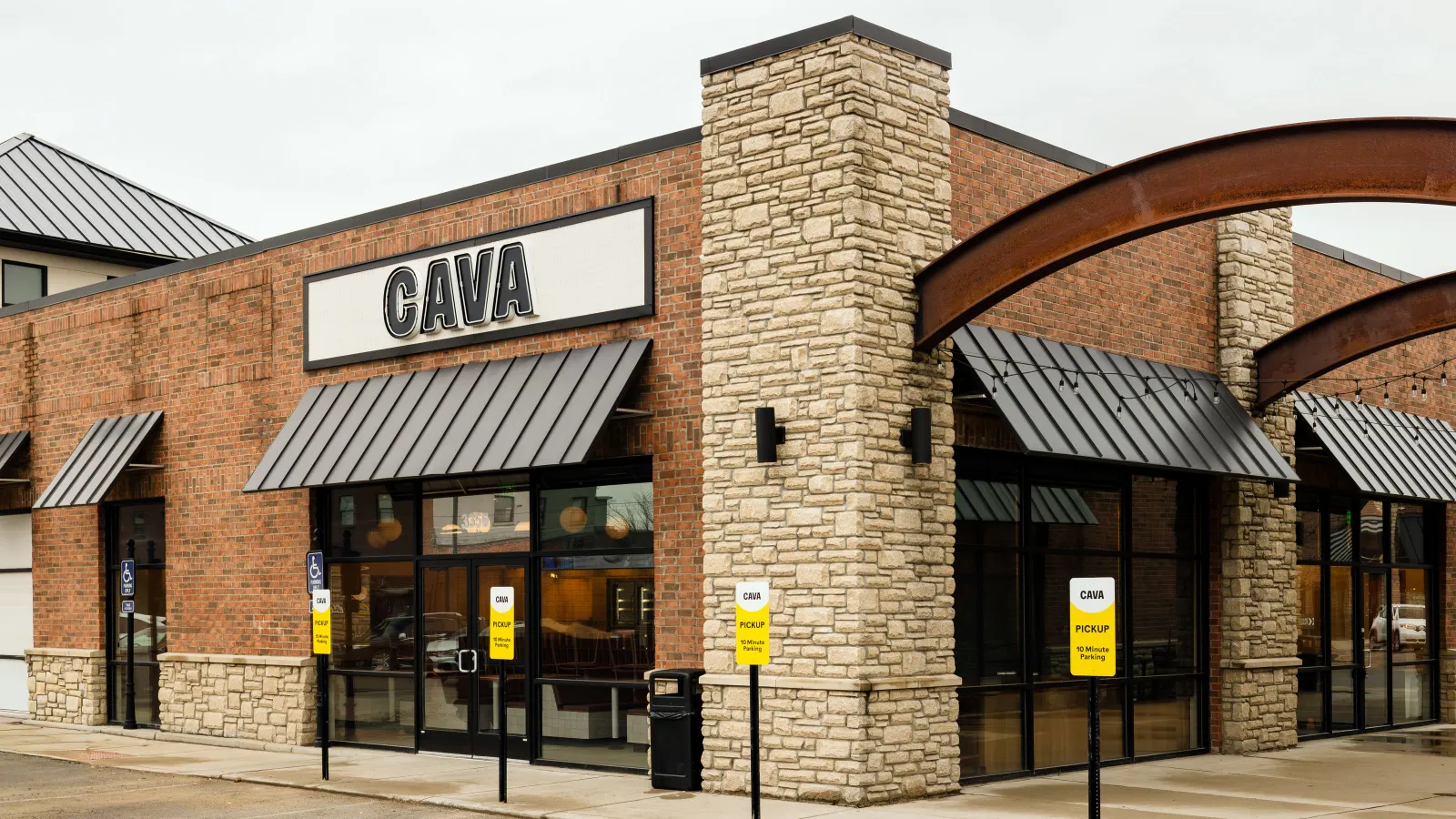
“With more detailed categories, advertisers can zero in on the OOH inventory they want to use for omnichannel audience extension,” Purayil explained. “CPG brands, for example, could target the specific types of stores where their products are actually sold, rather than relying on the broad ‘retail’ category. This allows for more precise audience alignment and a more efficient allocation of marketing spend.”
The enhanced taxonomy also grants advertisers greater flexibility over the precise placement of their ads within venues. Consider a potato chip brand that might specifically target street-facing displays mounted in the windows of local bodegas, aiming for impulse purchases from a particular demographic. In contrast, a pharmaceutical brand might prioritize screens located near pharmacy counters within drug stores, targeting consumers actively seeking health-related products.
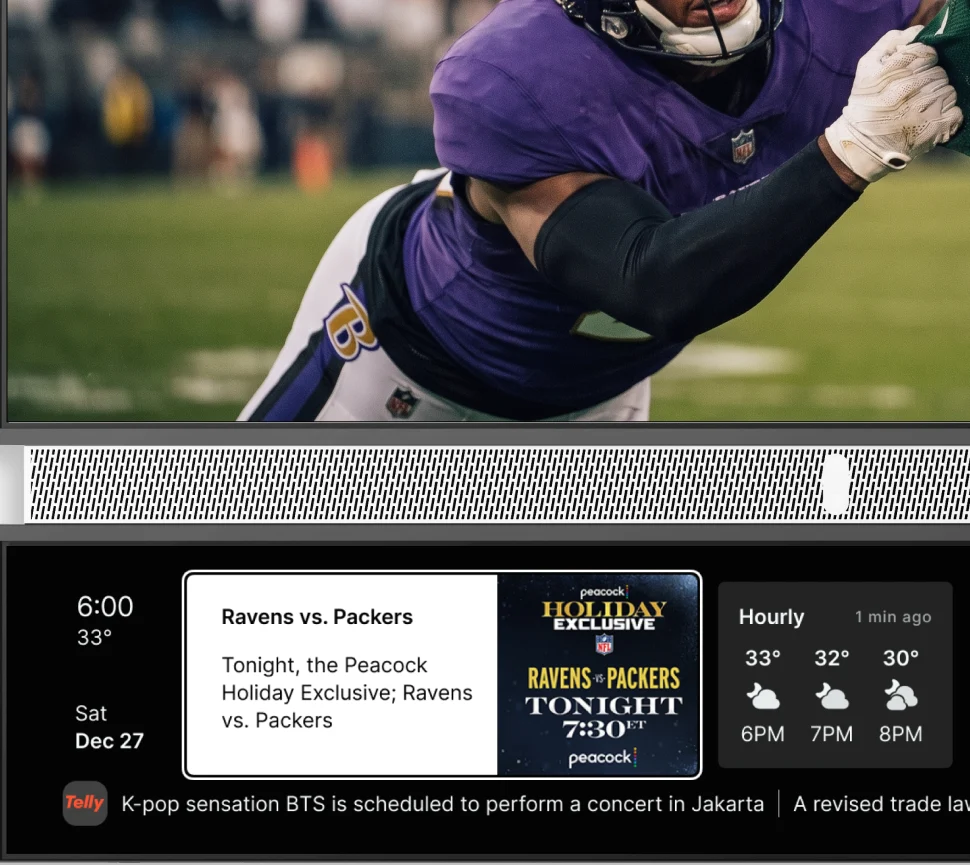
Furthermore, the ability to classify inventory more granularly helps advertisers avoid or intentionally seek out “sorta CTV” OOH placements. Purayil elaborated, “A brand whose CTV creative depends on sound will likely prefer to skip those environments, such as TVs mounted in bars. Conversely, a brand targeting sports fans with ad creative where audio is less critical might deliberately target ‘sorta CTV’ inventory to broaden its reach and capitalize on specific viewing contexts.”
By explicitly addressing these distinctions, the taxonomy aims to satisfy both buy- and sell-side concerns about disparate types of DOOH inventory being indiscriminately grouped. Advertisers gain access to more relevant media, while publishers can more effectively articulate the unique value of their inventory, mitigating the risk of mismatched placements negatively impacting campaign performance.
Empowering Niche Publishers and Streamlining Buys
Beyond enhancing targeting capabilities for major brands, the new taxonomy is expected to level the playing field for smaller, more niche DOOH publishers.
“Large OOH platforms like OUTFRONT have an advantage because they are well-known to specialist agencies and possess established direct sales teams,” Purayil noted. “Agency buyers understand how these larger networks organize their inventory and can plan accordingly. Smaller OOH publishers, by contrast, often lack this established awareness and direct access.”
However, by adopting the new OpenOOH taxonomy, smaller publishers can significantly improve the accessibility and activation of their inventory within programmatic buying flows. This standardized approach provides advertisers with a more straightforward method for executing DOOH buys across a diverse mix of publishers, both large and small. It facilitates the management of these buys within integrated omnichannel programmatic platforms, reducing reliance on direct deals and private marketplace (PMP) arrangements.
“The revenue is already flowing in heavily through the private marketplace side,” Purayil observed. “But this could potentially move some of that revenue into the open marketplace, if it makes sense. The increased transparency and precision offered by the new taxonomy can build greater confidence for programmatic buyers, encouraging them to explore open auction opportunities.”
The integration of this enhanced taxonomy is a critical step in the ongoing evolution of DOOH advertising, moving it closer to the sophisticated programmatic buying models that define other digital media channels. As the industry continues to rebound and innovate, tools like the OpenOOH taxonomy are essential for unlocking the full potential of DOOH within the modern advertising landscape. The OAAA’s proactive stance in refining its standards demonstrates a commitment to ensuring DOOH remains a relevant, measurable, and high-performing channel for advertisers.