rifanmuazin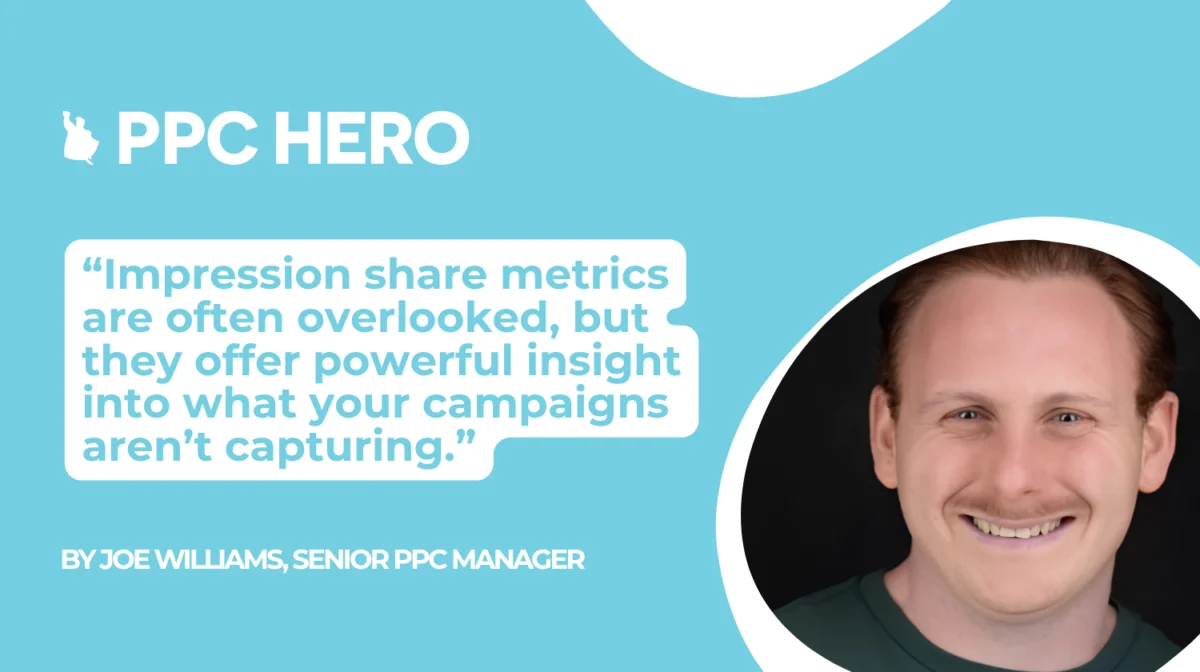
In the dynamic and fiercely competitive landscape of e-commerce advertising, a laser-like focus on readily available metrics like click-through rates, conversion rates, and return on ad spend is understandable. These performance indicators offer a vital snapshot of campaign success. However, relying solely on these surface-level figures can inadvertently mask significant untapped potential and crucial missed opportunities. It is precisely in this critical blind spot that impression share metrics emerge as indispensable tools for discerning advertisers. By diligently analyzing Search Impression Share, Search Lost Impression Share (Rank), and Search Lost Impression Share (Budget), e-commerce businesses can cultivate a far more comprehensive understanding of their market presence, identify the root causes of underperformance, and strategically pivot to capitalize on previously overlooked avenues for growth.
The modern e-commerce environment is characterized by an ever-increasing volume of digital advertising and a constant battle for consumer attention. Within this milieu, understanding where and why an advertisement is not being seen is as important as knowing when it is. Impression share metrics provide this granular visibility, allowing businesses to move beyond simply measuring what works to actively diagnosing what could work better. This article delves into the profound significance of these metrics, illustrating how their strategic application can fundamentally enhance the performance and profitability of e-commerce advertising accounts.
Understanding Search Impression Share: The Foundation of Visibility
At its core, Search Impression Share (SIS) quantifies the proportion of impressions an advertiser’s ads received relative to the total number of impressions they were eligible to receive. In simpler terms, it answers the crucial question: “How often are my ads showing when they could be showing?” For e-commerce brands, particularly those operating in crowded product categories or niche markets, this metric is nothing short of foundational. A low SIS signals a significant disconnect between potential customer search activity and the brand’s visibility.
Consider a scenario where a consumer searches for a very specific product—for instance, “organic bamboo toddler pajamas.” If an e-commerce brand specializing in such items has a low Search Impression Share for this query, it directly translates to lost revenue. Potential customers, exhibiting high purchase intent, are actively seeking products that the brand offers, yet their ads are not appearing with the frequency they should. This absence can be attributed to a multitude of factors, which the subsequent lost impression share metrics will help elucidate. However, the immediate takeaway from a low SIS is a clear indication that the campaign is not reaching as much of its target audience as it potentially could, especially for searches that are highly indicative of an imminent purchase. Monitoring SIS acts as an early warning system, enabling quick identification of whether campaigns are adequately penetrating the relevant search landscape.
Decoding Search Lost Impression Share (Rank): The Competitiveness Factor
While Search Impression Share tells us how often ads are appearing, Search Lost Impression Share (Rank) delves into the reasons why they are not appearing as often as they could. This specific metric pinpoints the instances where an ad failed to show because its Ad Rank was insufficient. Ad Rank is a complex algorithm that determines an ad’s position on the search results page, taking into account factors such as the bid amount, the quality of the ad (including expected click-through rate, ad relevance, and landing page experience), and the impact of ad extensions.
In the cutthroat e-commerce arena, a suboptimal Ad Rank can have direct and detrimental consequences on competitiveness. If competitors consistently outrank a brand’s ads for critical search terms, they are effectively intercepting traffic that could have otherwise landed on the brand’s website and potentially converted into sales. This is particularly acute for high-value keywords where competition is fierce. For example, during peak shopping seasons like Black Friday or the holiday period, even a marginal disadvantage in Ad Rank can mean losing significant market share to rivals who have optimized their bidding strategies and ad quality more effectively.
Improving Search Lost Impression Share (Rank) typically involves a multi-pronged approach:
- Strategic Bid Adjustments: This may involve increasing bids on highly relevant keywords or for specific demographics and devices that have historically shown higher conversion rates. However, this must be balanced against maintaining a healthy return on ad spend. Data analysis indicating a high potential for conversion for specific keywords can justify a more aggressive bidding strategy. For instance, if historical data shows that searches for “designer handbag sale” have a 15% conversion rate and a strong average order value, increasing bids for this term, even if it slightly lowers the overall ROAS, could be a sound strategy to capture high-value customers.
- Enhancing Ad Quality and Relevance: This encompasses refining ad copy to be more compelling and directly aligned with user search intent, ensuring landing pages are highly relevant to the ad and offer a seamless user experience, and utilizing relevant ad extensions (like sitelinks, callouts, and structured snippets) to provide more information and increase ad prominence. For an e-commerce clothing retailer, this might mean ensuring that ads for “summer dresses” lead directly to a page showcasing summer dresses, with descriptive ad copy highlighting key features like material and style.
- Improving Ad Extension Usage: The strategic implementation of various ad extensions can significantly boost Ad Rank and overall ad performance. For example, using price extensions for specific products can give users immediate pricing information, increasing click-through rates. Sitelink extensions can direct users to specific product categories or promotional pages, improving navigation and user experience.
Even incremental improvements in Ad Rank can lead to enhanced visibility for high-value searches, especially during crucial sales periods. A study by Google found that ads in the top positions on the search results page receive significantly more clicks. For instance, the first ad position can capture over 40% of clicks for a given search query. Therefore, addressing lost impression share due to rank is a direct investment in capturing a larger share of this valuable traffic.
The Financial Implications of Search Lost Impression Share (Budget)
Search Lost Impression Share (Budget) addresses a different, yet equally critical, constraint: budget limitations. This metric reveals how often an advertiser’s ads are failing to appear due to insufficient daily or campaign budgets. This is particularly relevant for e-commerce accounts that have demonstrated strong performance and a healthy return on ad spend (ROAS). If an advertiser is consistently losing impression share because their budget is exhausted before the end of the day or campaign period, it is a clear signal that their campaigns possess significant untapped scaling potential.
In essence, this indicates that there is demonstrable market demand for the advertiser’s products, but the current advertising budget is acting as a bottleneck, preventing the capture of additional sales. This scenario is a positive problem to have, signifying that the underlying advertising strategy is sound and that increasing investment is likely to yield proportional increases in revenue, without necessarily diminishing efficiency.
Consider an e-commerce fashion boutique that has meticulously optimized its campaigns. Its “New Arrivals” campaign is consistently delivering a 5:1 ROAS. However, the data reveals a Search Lost Impression Share (Budget) of 30%. This implies that for 30% of the searches where their ads were relevant and competitive in terms of Ad Rank, they could not serve because the daily budget had been depleted. By simply increasing the daily budget for this campaign, the boutique could potentially capture an additional 30% of eligible impressions, leading to a proportional increase in sales and revenue, while maintaining the strong 5:1 ROAS. This is a direct opportunity to scale profitably.
The implications are clear: a high lost impression share due to budget is not a sign of campaign failure, but rather an indicator of a successful campaign ready for expansion. It suggests that the market is receptive to the brand’s offerings, and the primary impediment to greater success is financial.
The Synergistic Power: Analyzing Impression Share Metrics Together
While each impression share metric offers valuable insights in isolation, their true analytical power is unlocked when examined in conjunction. This integrated approach provides a holistic view of an advertiser’s presence and potential in the digital marketplace, moving beyond fragmented data points to a cohesive strategy.
- Low SIS and High Lost Impression Share (Rank): This combination strongly suggests that the brand is not appearing often enough, and the primary reason is its inability to compete on Ad Rank. This indicates a need to re-evaluate bidding strategies, enhance ad quality, and improve landing page relevance to increase competitiveness for relevant search terms.
- Low SIS and High Lost Impression Share (Budget): This scenario points to a brand that is potentially competitive in terms of Ad Rank but is being held back by budget constraints. The immediate action here would be to consider increasing the campaign budget to capture more of the available market.
- High SIS and Low Lost Impression Share (Rank/Budget): This suggests a strong presence and minimal constraints. The focus might then shift to optimizing conversion rates and exploring new keyword opportunities to further enhance performance.
- Low SIS, High Lost Impression Share (Rank), and High Lost Impression Share (Budget): This is a complex scenario indicating significant visibility issues stemming from both competitiveness and budget. It requires a careful, phased approach, potentially starting with improving Ad Rank to ensure that any budget increases are utilized effectively.
For e-commerce advertisers, this combined analysis serves as an invaluable guide for resource allocation. It allows for the prioritization of efforts, ensuring that time and budget are directed towards the areas that will yield the most significant improvements in campaign performance. Instead of a reactive approach to campaign management, this integrated view fosters a proactive, data-driven strategy, enabling businesses to anticipate challenges and seize opportunities before they are lost.
Moving Beyond Surface Metrics: A Strategic Imperative
Impression share metrics are frequently overlooked, often relegated to the realm of advanced analytics. However, their capacity to illuminate what campaigns are not capturing makes them an indispensable component of any robust e-commerce advertising strategy. In a market where competition is perpetually escalating and profit margins are under constant scrutiny, understanding and addressing missed opportunities is as critical to success as celebrating conversions.
By committing to the regular review and analysis of Search Impression Share, Search Lost Impression Share (Rank), and Search Lost Impression Share (Budget), e-commerce businesses can empower themselves to make more informed, strategic decisions. This granular understanding allows for the unlocking of significant growth potential, ensuring that advertising investments are optimized, and campaigns are consistently performing at their fullest capacity, thereby securing a more dominant and profitable position in the digital marketplace. The ability to see beyond the immediate click and conversion, into the vast expanse of potential impressions, is the hallmark of a truly advanced and successful e-commerce advertising endeavor.