The traditional marketing calendar, once characterized by a leisurely January pause for reflection and forecasting, has been irrevocably altered. In today’s hyper-accelerated digital landscape, marketers must remain in a constant state of adaptation. To finish the latter half of 2026 with strategic momentum, a thorough understanding of the shifts observed in the first six months is not just beneficial, but imperative. Artificial intelligence continues to be a dominant force, reshaping search behaviors, influencing buyer touchpoints, and revolutionizing paid advertising management. However, alongside these technological advancements, human-led trends are also emerging, indicating a nuanced evolution in marketing strategies. Platforms like LinkedIn are mirroring the dynamic content styles of TikTok, while major brands are increasingly seeking authenticity by partnering with micro-influencers and even individuals with modest followings to champion their campaigns. This article delves into eight pivotal marketing trends that have defined the first half of 2026 and offers actionable insights for marketers to sustain and amplify their efforts throughout the remainder of the year.
1. The Resurgence of SEO Fundamentals in the Age of AI-Driven Search
The advent of AI in search has sparked considerable discussion regarding visibility strategies. Initially, the focus was on technical implementations such as LLM.txt files, specialized schema markup, and content chunking. However, the prevailing wisdom has since evolved, emphasizing a return to core SEO principles as the most effective pathway to achieving AI citations and mentions. This recalibration has been corroborated by prominent voices within the search industry.
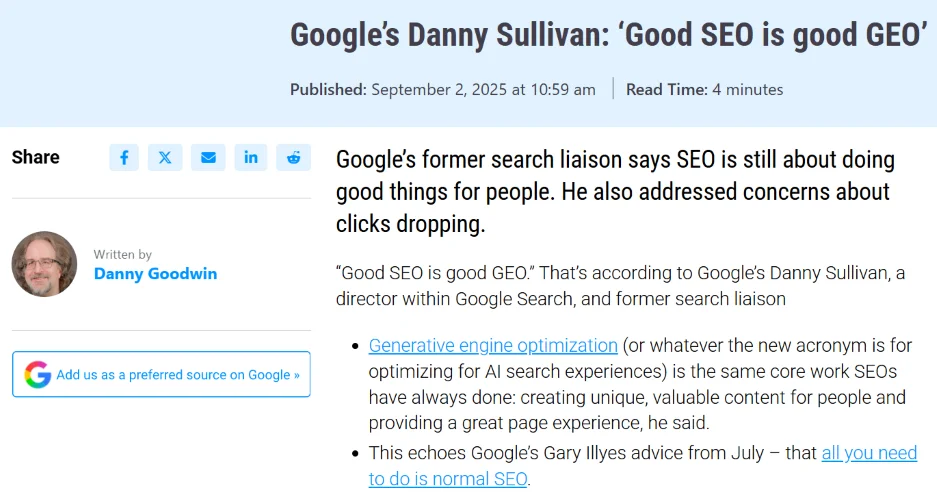
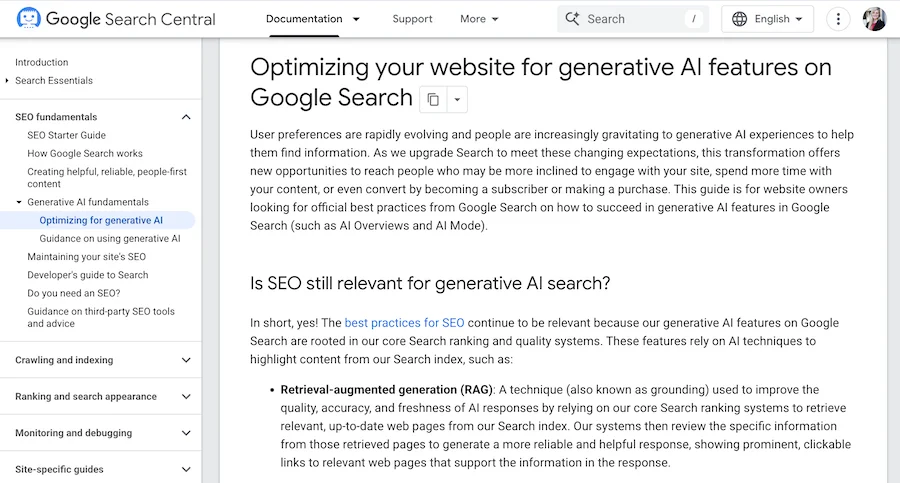
Danny Sullivan, a leading figure in search, articulated this shift by noting that "good SEO is good GEO." This sentiment gained significant traction following Google’s release of its official guidance on AI Overviews and AI Mode in May 2026. The guidance explicitly illustrated the symbiotic relationship between AI-generated answers and traditional search algorithms. Nikiya Griffith, Director of Organic Growth at BX Studio, observed that "about 80% of the time, what’s good for SEO is good for GEO." She further elaborated, "Our most successful strategic initiatives over the last year have been ones where SEO and GEO were approached in unison as one holistic strategy. Of course, you still need to devote time and attention to the considerations that are unique to GEO or SEO, but overall, we really see GEO as an extension of good SEO."

The implications of this trend are profound. For businesses, it signifies that robust foundational SEO practices are not rendered obsolete by AI but are, in fact, more critical than ever. The underlying principles of creating high-quality, relevant, and authoritative content remain paramount. AI systems, much like their predecessors, are trained on vast datasets, and the quality of this data directly influences their output. Therefore, adhering to SEO best practices ensures that content is not only discoverable by traditional search engines but also readily understood and accurately represented by AI models.
How to Leverage This Trend:
The core strategy for capitalizing on this trend is to prioritize fundamental SEO best practices as the bedrock of your local search engine optimization (GEO) strategy. This involves:
- Ensuring Comprehensive and Accurate Business Listings: Maintaining up-to-date and consistent information across all online directories and platforms is crucial. This includes accurate business names, addresses, phone numbers, and operating hours.
- Optimizing Website Content for Relevant Keywords: Conduct thorough keyword research to identify terms that potential customers are using, both in traditional searches and potentially in their prompts to AI. Integrate these keywords naturally into website copy, meta descriptions, and titles.
- Building High-Quality Backlinks: Earning backlinks from reputable and relevant websites signals authority and trustworthiness to search engines and AI models alike.
- Creating User-Centric Content: Focus on providing valuable, informative, and engaging content that directly addresses user queries and needs. This aligns with AI’s goal of delivering the most relevant and helpful information.
- Technical SEO Excellence: Ensure your website is technically sound, with fast loading speeds, mobile-friendliness, and a clear site structure. This facilitates easier crawling and indexing by both traditional search engines and AI systems.
Marketers should consult Google’s official guidelines on AI Overviews and AI Mode to gain a deeper understanding of how these systems operate and how to optimize their content accordingly.
2. The Transformation of the Buyer Journey by Artificial Intelligence
The widespread adoption of AI search has significantly altered consumer behavior, leading to a notable decrease in website traffic from search results. Reports indicate that approximately 65% of Google searches now conclude without a click-through to a website. This phenomenon, coupled with the increasing use of AI agents for product and service discovery, presents a substantial challenge for brands seeking to influence consumers during the critical mid-stages of their buying journey.
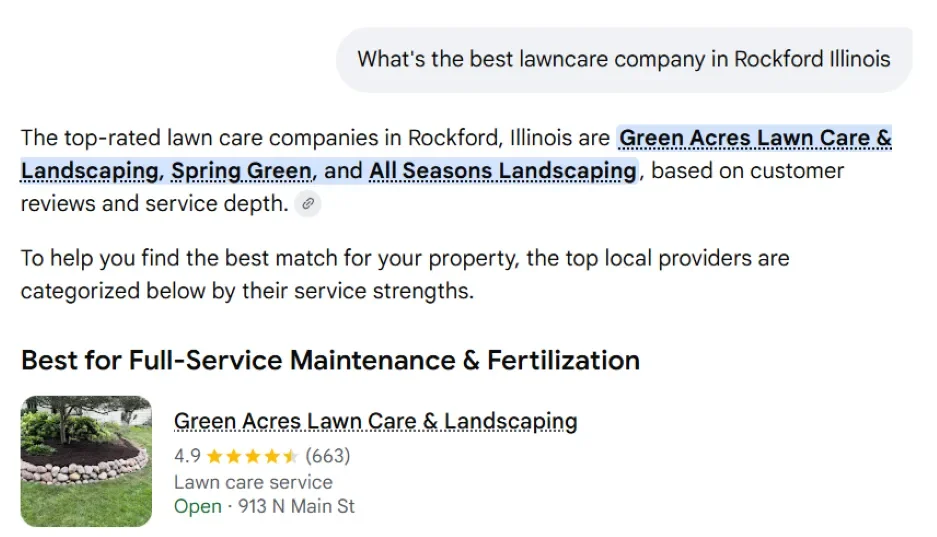
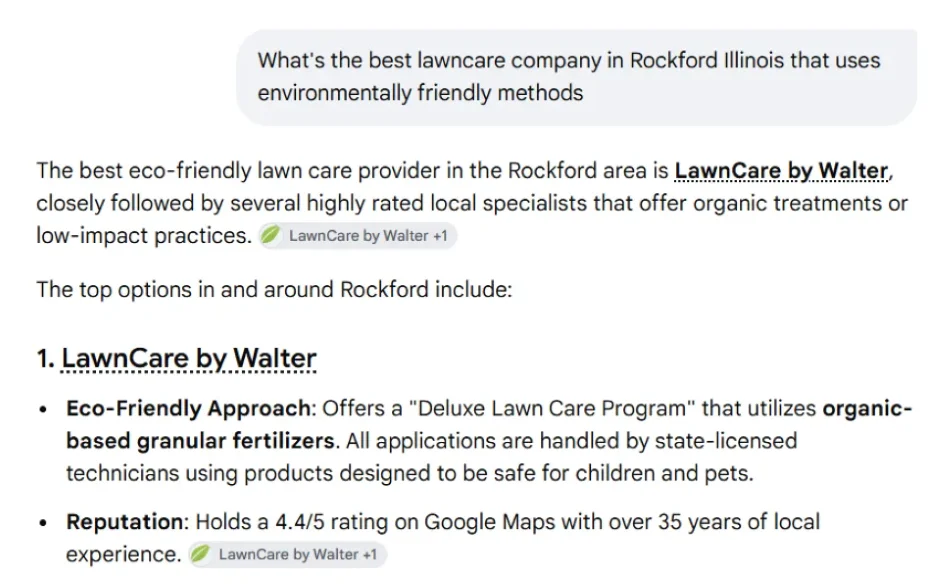
Historically, search queries for local services, such as a lawn care provider or a yoga studio, would yield a list of links, allowing potential customers to explore options and compare offerings at their own pace. However, AI-powered search now often presents a curated set of recommendations, effectively shaping consumer perceptions and preferences before any direct engagement with a brand’s website occurs.
Dennis Wilson, VP of Product Management at LocaliQ, highlighted this paradigm shift: "The biggest shift in local SEO is that discovery is rarely happening on your website first. It’s happening across AI-driven platforms, like ChatGPT and Perplexity. Potential customers, even your current customers, are forming and reforming opinions, and comparing options before they ever click." This evolution means that brands are losing the opportunity to engage with potential customers at the initial discovery phase, a phase that traditionally allowed for brand differentiation and persuasive messaging.
The implication for marketers is the necessity of shifting their focus from capturing traffic that has already begun its research to influencing the very formation of that research. This requires a proactive approach, engaging potential customers earlier in their decision-making process and in channels where they are actively seeking information and forming opinions.
How to Leverage This Trend:
The most effective strategy to counteract this trend is to influence buyers before they initiate their search queries. This involves:
- Early-Stage Engagement: Identify key touchpoints in the buyer’s journey where they are likely to be receptive to information. This could include social media, industry publications, online forums, or even offline channels.
- Value-Driven Content: Provide valuable and informative content that addresses potential customer needs and pain points before they even articulate them through a search query. This establishes your brand as a thought leader and trusted resource.
- Targeted Messaging: Craft messaging that resonates with specific audience segments and highlights unique value propositions. This ensures that when AI agents or search engines do present options, your brand’s key differentiators are already top-of-mind.
- Shaping Search Intent: By educating consumers about specific problems or solutions, brands can subtly influence the language and keywords they use in their search queries. For instance, if a lawn care service emphasizes its use of eco-friendly weed control methods, it can encourage consumers to search for "eco-friendly lawn care" or "organic weed control," making the brand the natural AI recommendation.
A deep understanding of where potential customers are in their decision-making process and proactively delivering relevant information at those stages is now paramount for maintaining influence in the evolving buyer journey.
3. Contextual Targeting: The New Frontier in Advertising
Contextual advertising, which involves placing ads based on the content surrounding them, is rapidly emerging as a preferred tactic for marketers. This approach allows for the delivery of ads that are highly relevant to the user’s immediate context, rather than relying solely on demographic or interest-based targeting.
Several factors are driving this resurgence. Firstly, the increasing data gap due to evolving privacy regulations and the deprecation of third-party cookies makes traditional audience data collection more challenging. Approximately 48% of global internet traffic is now cookie-less, significantly impacting the effectiveness of past targeting methods. Secondly, AI’s enhanced ability to comprehend the nuances of on-page content is a major catalyst. Large Language Models (LLMs) can now discern intent, semantic context, and subtle meanings in real-time, enabling more sophisticated ad placements. This advanced understanding moves beyond simple keyword matching to a deeper appreciation of the content’s subject matter and sentiment.
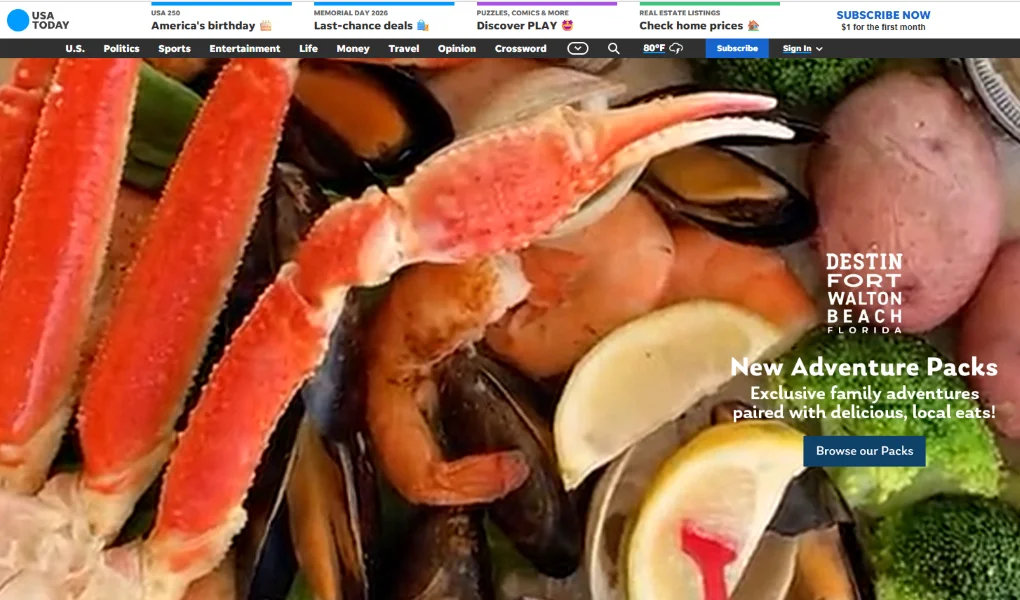
A study by Peer39 revealed that the Cost Per Click (CPC) for contextual ads was 48% lower than for comparable third-party cookie-based ads. This efficiency gain, coupled with the enhanced relevance, makes contextual targeting a compelling proposition. While audience targeting might focus on demographic profiles, such as college-educated travelers interested in Louisiana, contextual targeting offers a more immediate and impactful approach. For example, an ad for seafood restaurants on the Florida coast would be strategically placed within an article by a respected food columnist discussing the region’s culinary scene, ensuring immediate relevance and higher engagement potential.
How to Leverage This Trend:
To effectively implement contextual targeting, marketers should:
- Audit Existing Ad Campaigns: Evaluate current ad placements and assess their contextual relevance. Consider the specific content environments where ads are likely to appear.
- Refine Keyword and Category Strategies: Rethink keyword lists and category selections to align ads with the intent and sentiment of the content they will accompany. This may involve broader thematic targeting rather than hyper-specific keyword matching.
- Implement Strategic Negative Contextual Targeting: Utilize negative targeting to ensure ads are not displayed alongside inappropriate or irrelevant content, thereby protecting brand reputation and optimizing ad spend.
- Incorporate Engagement and Relevance Metrics: Expand analytics to include metrics such as view time and on-page actions. These provide a more holistic understanding of ad performance beyond simple click-through rates.
- Explore New Contextual Placements: Stay abreast of platform updates, such as those announced by Google, which include contextual ad placements within emerging environments like Google AI Mode.
By embracing contextual targeting, marketers can achieve greater ad relevance, improve efficiency, and enhance the overall effectiveness of their advertising efforts in a privacy-conscious digital ecosystem.
4. The Consolidation of Google Ads: PMax and Demand Gen as Essential Tools
Google’s ongoing consolidation of its advertising products into more streamlined offerings is a significant trend for businesses of all sizes, particularly small and local enterprises. Two key developments in early 2026 underscore this strategic shift: the absorption of standalone Display campaigns into Demand Gen campaigns and the integration of Local Services Ads (LSAs) into Performance Max (PMax) campaigns.
As of May 2026, Google announced that standalone Display campaigns would be merged into Demand Gen campaigns. While the Google Display Network itself remains, the method of advertising inventory procurement has been revised. This move signals Google’s intention to unify its diverse advertising formats under more automated and performance-driven campaign types.
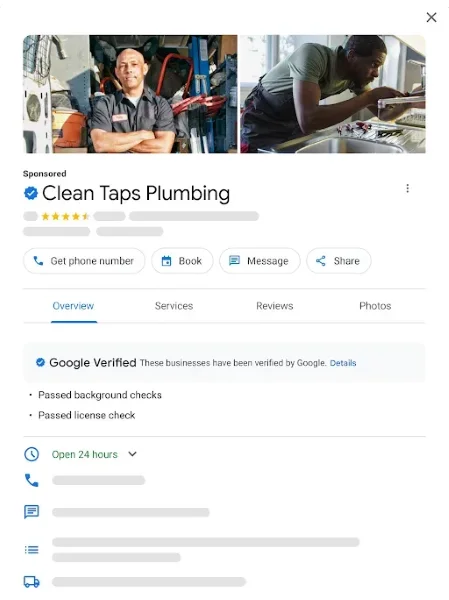
Simultaneously, the dedicated Local Services Ads (LSAs) dashboard is being phased out, with LSAs now accessible and managed within the broader Google Ads interface. Following this transition, LSAs will be executed through Performance Max (PMax) campaigns. This integration means that businesses that have historically relied on separate LSAs will now need to adapt their strategies to incorporate the comprehensive capabilities of PMax.
Susie Marino, a senior content marketing specialist at LocaliQ, commented on this transition: "Many small business advertisers have been using standard Display campaigns and legacy LSAs but have been more hesitant to try newer, fully-automated campaign types like Demand Gen and PMax. Now, they’ll have to adapt their strategy to embrace these campaign types in order to still capture the ad placements they want." This consolidation is pushing advertisers who may have previously been hesitant towards adopting these advanced, AI-driven campaign types.
The implications are clear: advertisers must become proficient in Demand Gen and PMax to maintain access to key ad placements and leverage Google’s evolving advertising ecosystem. This shift underscores Google’s commitment to simplifying its advertising offerings while simultaneously enhancing their automation and performance capabilities.
How to Leverage This Trend:
Businesses should proactively prepare for these changes by:
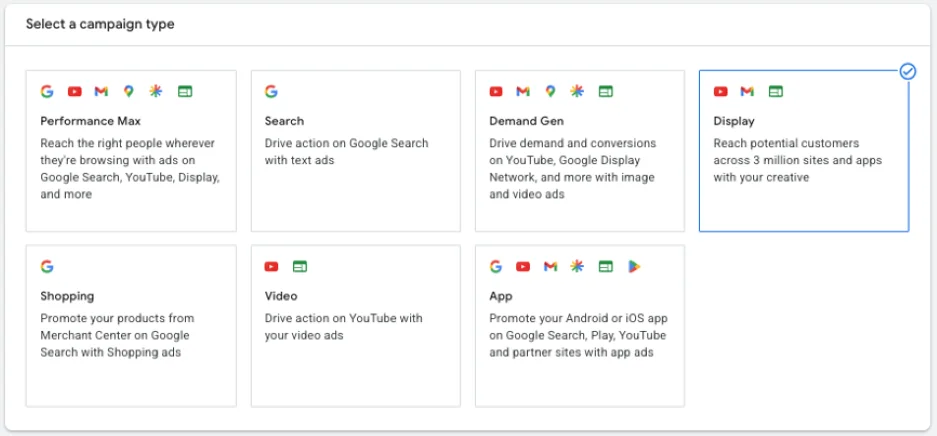
- Familiarizing Themselves with Demand Gen: Understand the features and benefits of Demand Gen campaigns, which are designed to drive demand for products and services across Google’s surfaces, including YouTube, Discover, and Gmail.
- Mastering Performance Max (PMax): Gain expertise in running PMax campaigns, which leverage automation to optimize ad delivery across all of Google’s channels to achieve specific conversion goals. This includes understanding how to provide the necessary assets and insights for the AI to perform optimally.
- Adapting Budget Allocation: Re-evaluate budget allocation strategies to align with the new campaign structures. Businesses may need to shift resources from legacy campaign types to PMax and Demand Gen.
- Focusing on Asset Quality: With increased automation, the quality of ad assets (images, videos, ad copy) becomes even more critical. Businesses should invest in creating compelling and varied assets to maximize campaign performance.
- Monitoring Performance Closely: Continuously monitor campaign performance and make necessary adjustments to bidding, targeting, and creative elements to ensure optimal results.
The integration of these campaign types signifies a move towards more holistic and automated advertising solutions, requiring marketers to embrace these powerful tools to achieve their objectives.
5. LinkedIn’s Evolution into a Creator Economy Hub
LinkedIn, traditionally recognized as the premier platform for professional networking and B2B engagement, is undergoing a significant transformation, mirroring the trajectory of platforms like TikTok and Instagram by actively fostering a creator economy. This strategic pivot aims to empower individuals—writers, artists, educators, and other professionals—to build online audiences and monetize their content directly on the platform.
Jenna St. John, Head of Content and Ops at Grizzle, has meticulously documented the features LinkedIn has introduced to facilitate this transition. Key developments include:
- Creator Mode: This feature allows individuals to highlight their expertise and content by designating their profile as a creator, enabling them to showcase their content more prominently.
- LinkedIn Newsletter: This tool empowers creators to build dedicated subscriber bases and deliver curated content directly to their followers’ inboxes, fostering a direct communication channel.
- Creator Analytics: Enhanced analytics provide creators with insights into their content performance, audience engagement, and reach, enabling them to refine their strategies.
- Sponsored Content for Creators: LinkedIn is actively developing mechanisms for creators to collaborate with brands on sponsored content, opening new revenue streams.
- Thought Leader Ads: This innovative ad format allows brands to partner with influential individuals on the platform, amplifying their reach and credibility through authentic endorsements.
The introduction of Thought Leader ads, in particular, represents a significant step in bridging the gap between B2B brands and professional content creators. This feature streamlines the process for advertisers to identify and engage with vetted, industry-specific influencers.
This shift is also influenced by a tightening job market for content marketers, partly attributed to the rise of AI. Many experienced in-house marketers and highly skilled freelancers are now finding it more lucrative and sustainable to generate income through B2B brand partnerships facilitated by LinkedIn’s creator economy features, rather than solely relying on traditional employment or ad-hoc freelance gigs.
The outcome of this evolution is a LinkedIn feed increasingly populated with professional, high-quality, and promotionally focused content generated by individual creators. This dynamic environment presents both opportunities and challenges for brands seeking to engage with their target audiences.
How to Leverage This Trend:
To effectively harness the burgeoning creator economy on LinkedIn, marketers should:
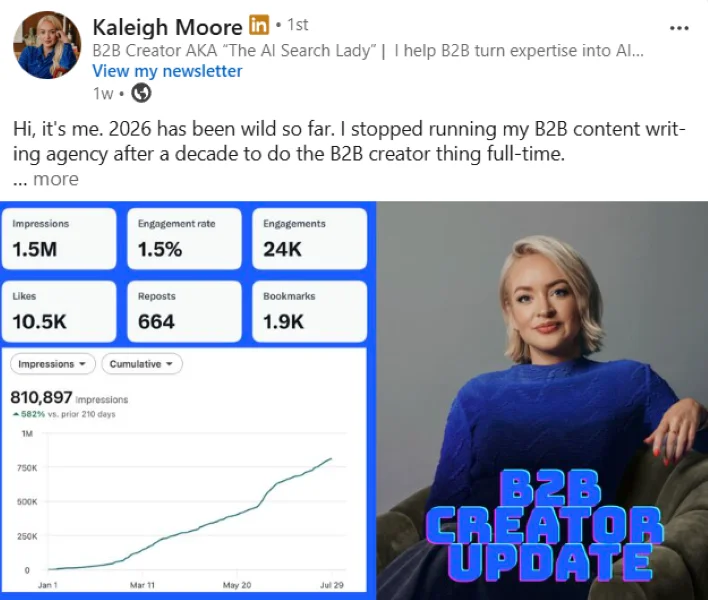
- Identify and Partner with Relevant Creators: Seek out influential individuals within your industry who possess a strong following and a genuine connection with your target audience. Prioritize creators whose content aligns with your brand values and messaging.
- Foster Internal Influencers: Instead of solely relying on external influencers, identify and empower employees who have the potential to become brand advocates. Provide them with the necessary tools, training, and encouragement to build their personal brand on LinkedIn.
- Support Employee Content Creation: Encourage employees to share valuable company content (blog posts, case studies, industry insights) in their own voice. This authentic approach resonates better with audiences and builds trust.
- Prioritize Authenticity: Emphasize genuine storytelling and authentic engagement. Audiences are increasingly discerning and can detect inauthentic endorsements.
- Understand Algorithm Preferences: Recognize that LinkedIn’s algorithms will likely favor creator-led content. By aligning with this trend, brands can increase their visibility and reach.
By embracing LinkedIn’s creator economy, brands can tap into a powerful network of trusted voices, enhance their credibility, and drive more meaningful engagement with their target audiences.
6. The Rise of "Nano" and Micro-Influencers for Authentic Brand Campaigns
A notable shift in influencer marketing is the increasing willingness of major brands to collaborate with emerging influencers who possess follower counts previously considered too small to be impactful. While micro-influencers (typically defined as having 10,000 to 100,000 followers) have been a recognized segment for some time, the current trend sees brands engaging with creators on platforms like YouTube and TikTok who may have only a few hundred followers.
This phenomenon is largely driven by the evolution of social media algorithms, which now place a greater emphasis on content discovery. Users are increasingly exposed to creators they do not actively follow, leading to a broader and more diverse content landscape. Brands are strategically leveraging this shift to tap into the perceived authenticity and niche relevance offered by these smaller-scale influencers.
Paul Archer, founder and CEO of Duel, a platform for brand advocacy programs, noted in a report by MSN, "The way that the algorithms work on social media now means the majority of what you see comes from someone you didn’t choose to follow." This highlights the opportunity for brands to reach new audiences through creators who may not have massive followings but cultivate highly engaged and niche communities.
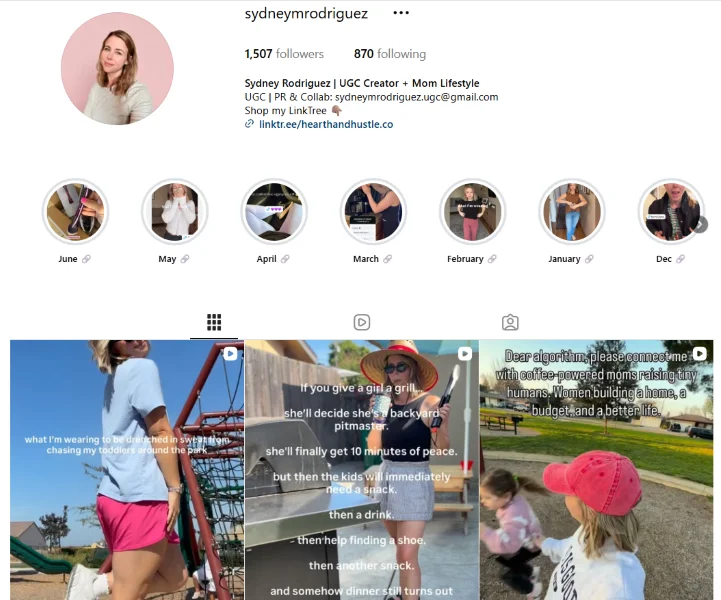
Social platforms are actively supporting this trend through new features. LinkedIn’s Thought Leader ads and Google’s integrated YouTube creator partnerships, announced at Google Marketing Live, are prime examples of how platforms are facilitating collaborations between brands and individual creators. These features aim to make it easier for brands to discover and work with a wider array of influencers, regardless of their follower count.
The appeal of these smaller influencers lies in their perceived authenticity and relatability. Their content often feels more personal and less overtly commercial, fostering a stronger connection with their audience. For brands, this translates to a higher likelihood of genuine endorsement and a more organic integration of products or services into their content.
How to Leverage This Trend:
Marketers can capitalize on this trend by:
- Identifying Relevant "Nano" and Micro-Influencers: Actively search for creators who align with your brand’s values and target audience. Hashtag searches on platforms like Instagram and TikTok can be effective for discovering local or niche creators (e.g., #DIYAustin, #YogaMomOrlando).
- Prioritizing Engagement Over Follower Count: Focus on influencers who demonstrate high engagement rates, active community interaction, and a genuine connection with their followers, rather than solely on follower numbers.
- Evaluating Content Authenticity: Review an influencer’s existing content to ensure their style and tone are compatible with your brand. Look for creators who produce genuine and relatable content.
- Establishing Clear Expectations: Miscommunication is a significant pitfall in influencer marketing. Clearly define campaign objectives, deliverables, compensation, and content guidelines to ensure a successful partnership. Many brand programs now offer "influencer academies," providing resources and training to emerging creators, making them more ready for collaboration.
- Considering Niche-Specific Tools: Explore platforms and tools that help identify and manage relationships with a diverse range of influencers, including those with smaller but highly engaged followings.
By embracing the power of "nano" and micro-influencers, brands can achieve greater authenticity, build stronger trust with consumers, and potentially access more cost-effective influencer marketing campaigns.
7. The Content Marketing Divide: Navigating the AI Integration Debate
Within the content marketing sphere, particularly on platforms like LinkedIn, a discernible debate has emerged regarding the role of artificial intelligence in content creation. This "civil war," as it has been described, pits two distinct factions against each other: those who advocate for sophisticated, multi-skill AI content production processes, and those who firmly believe that the essence of content creation should remain firmly in human hands.
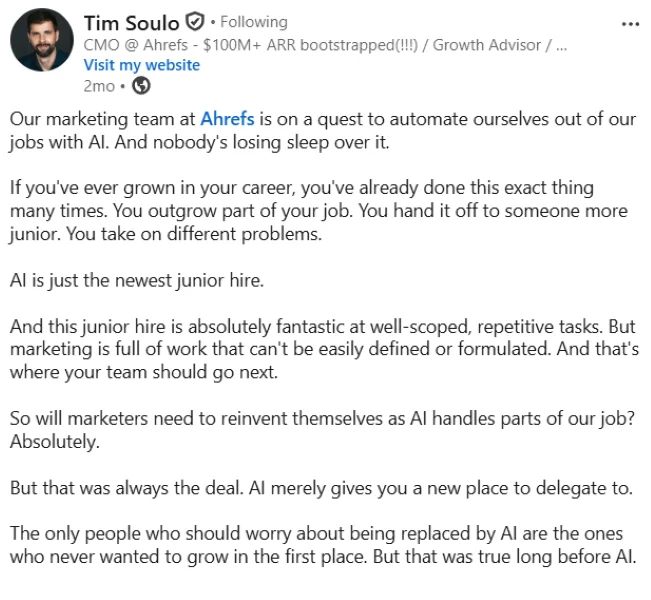
The proponents of AI integration argue that by leveraging advanced AI tools like Claude or ChatGPT with carefully crafted prompts and iterative refinement, highly effective content can be produced. They contend that through meticulous testing and iteration, the common pitfalls of AI-generated content—such as repetitive phrasing, the overuse of certain sentence structures, or generic outputs—can be mitigated. Furthermore, the development of custom AI agents is seen as a means to ensure that AI-generated content aligns with a brand’s unique voice and style. Tim Soulo, a proponent of AI-assisted content creation, shared insights into Ahrefs’ team’s quest to optimize AI content workflows, highlighting the potential for efficiency and scale.
Conversely, the opposing camp, while not necessarily rejecting AI outright, expresses skepticism about automating the entire content creation process. They argue that the probabilistic nature of AI inherently leads to content that is "comfortably in the middle"—lacking the uniqueness and boundary-pushing originality that human creativity offers. Chelsea Castle, a vocal critic of over-reliance on AI for content, emphasizes the importance of human oversight and creative direction, suggesting that AI should serve as a tool rather than a replacement for human writers.
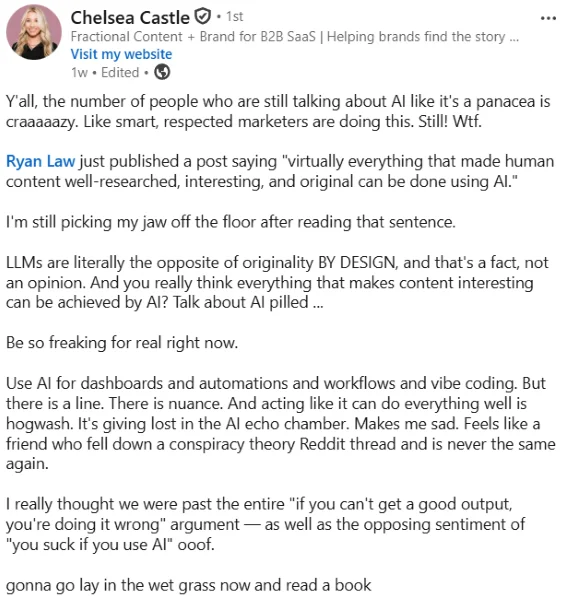
The core of this debate centers on the perceived limitations of AI in generating truly novel, insightful, or emotionally resonant content. While AI excels at synthesizing existing information and producing coherent text, it may struggle to capture the nuanced understanding, subjective experience, and creative spark that characterizes exceptional human-authored content.
How to Leverage This Trend:
The key to navigating this trend lies not in choosing sides, but in understanding how to use AI effectively and transparently:
- Strategic AI Application: Identify specific areas where AI can genuinely augment the content creation process, such as ideation, research assistance, or initial drafting. Avoid using AI for mass-producing content, especially for platforms like LinkedIn that are increasingly vigilant against generic "AI slop."
- Human Oversight and Editing: Always ensure that AI-generated content is thoroughly reviewed, edited, and fact-checked by human professionals. This is crucial for maintaining quality, accuracy, and brand voice.
- Transparency with Audiences: Be upfront about the use of AI in content creation when appropriate. Consumers are becoming more aware of AI’s capabilities and limitations, and transparency builds trust. Manipulative use of AI, such as presenting AI-generated content as a personal account without disclosure, can severely damage brand reputation.
- Focus on Value and Uniqueness: Regardless of the tools used, the ultimate goal of content marketing remains the same: to provide value and offer unique insights to the target audience. Human creativity and critical thinking are indispensable in achieving this.
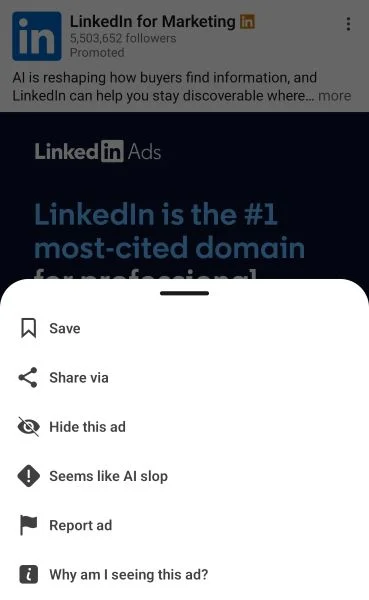
- Monitor Platform Policies: Stay informed about platform policies regarding AI-generated content. LinkedIn’s introduction of an "AI slop" reporting option signals a move towards curbing low-quality, AI-generated posts.
By adopting a balanced and transparent approach to AI in content marketing, businesses can leverage its efficiencies while preserving the essential human elements of creativity, authenticity, and strategic insight.
8. The Rise of Unique DIY Tools as a Defense Against AI Search Dominance
As AI search engines and chatbots increasingly retain search traffic, a creative strategy is emerging for content creators: building unique, do-it-yourself (DIY) tools. This approach leverages AI itself to create assets that AI search platforms cannot easily replicate, thereby driving traffic back to original content.
AI search platforms are adept at summarizing textual content on websites. However, they currently struggle to generate interactive tools or complex calculators in response to specific queries. For instance, while an AI might summarize information about the cost of hardwood flooring, it is unlikely to spontaneously generate a square footage calculator to assist a user. This limitation creates an opportunity for businesses to embed such tools within their content, directing users to their websites for interactive solutions.
Colin Gray, a proponent of this strategy, highlights the potential of these DIY tools. When users search for practical solutions, such as "how much will new hardwood flooring cost," an AI search engine might present a link to a website featuring a cost calculator. This directs traffic to the content creator’s domain, bypassing the AI’s direct answer format.
The accessibility of AI tools has democratized the creation of these interactive elements. With basic access to platforms like Claude, Gemini, or ChatGPT, individuals can develop functional calculators and embed them within blog posts or social media content. The focus should be on niche relevance and practical utility. For example, embedding a local SEO ROI calculator within an article on local SEO tips can enhance the article’s value and serve as an AI visibility signal for relevant queries like "How do I measure the ROI of my SEO?"
This trend offers a tangible way for content creators to regain some of the lost traffic from AI-dominated search results. By providing unique, interactive tools, businesses can not only attract visitors but also establish themselves as valuable resources for practical problem-solving.
How to Leverage This Trend:
To effectively implement this strategy, marketers should:
- Identify "Tool" Keywords: Research keywords that indicate a user’s need for an interactive solution. This could involve looking for phrases like "calculator," "estimator," "planner," or "generator" in conjunction with relevant industry terms. Ahrefs’ guide on "The Free Tools SEO Strategy" offers valuable insights into identifying such keywords.
- Develop Niche-Relevant Tools: Create tools that directly address the needs and pain points of your target audience. Focus on providing genuine utility and value.
- Integrate Tools into Content: Embed these DIY tools within relevant blog posts, landing pages, or social media content. Ensure they are easily accessible and user-friendly.
- Promote Your Tools: Actively promote your interactive tools through social media, email newsletters, and other marketing channels.
- Optimize for AI Visibility: While the tools themselves bypass direct AI answers, ensure the surrounding content is optimized for AI search to drive initial traffic to the page.
By developing and deploying unique DIY tools, businesses can create valuable content assets that attract traffic, enhance user engagement, and provide a competitive edge in an increasingly AI-driven search environment.

The pace of change in marketing continues to accelerate, with significant shifts occurring within mere months. The trends outlined above represent key areas where adaptation and strategic implementation can yield substantial rewards. As the digital landscape evolves, embracing these emerging opportunities—from the foundational strength of SEO in the AI era to the innovative use of DIY tools—will be critical for marketers aiming to maintain momentum and achieve success throughout the remainder of 2026 and beyond. The key lies in proactive engagement with these trends, leveraging them to build stronger connections with audiences and drive measurable business outcomes.