

The global recruitment landscape is currently undergoing a significant shift as corporations move away from traditional, broad-spectrum career portals in favor of highly specialized recruitment landing pages. This transition is driven by the increasing cost of digital advertising, where companies often pay upwards of $5.00 per click to drive traffic to job listings, only to face high bounce rates and low conversion metrics. Industry data suggests that the traditional "leaky bucket" of recruitment marketing—where paid traffic is directed to generic, multi-link career sites—is no longer a viable financial strategy for high-growth enterprises.
In the modern talent acquisition environment, the problem rarely lies with the creative quality of the advertisement or the attractiveness of the role itself. Instead, the friction occurs immediately after the click. Most corporate career sites are designed as repositories of information rather than conversion engines. They feature complex navigation menus, dozens of unrelated job listings, and multi-page application forms that demand excessive time from the candidate. This lack of a clear, singular path to application results in "candidate overwhelm," leading to a significant percentage of potential leads abandoning the process before completion.
The Rise of the Conversion-Centric Recruitment Model
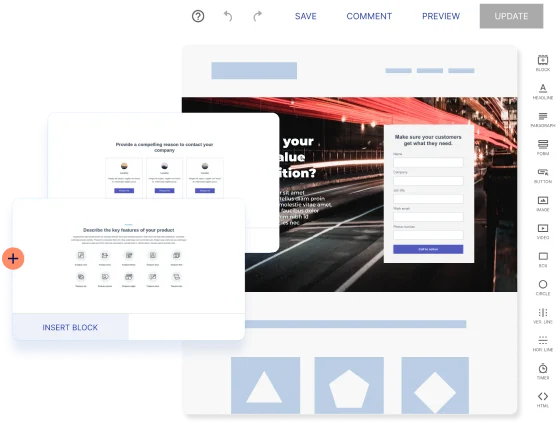
A recruitment landing page is defined as a standalone web page created with a singular objective: converting a visitor into an applicant. By removing the distractions inherent in a standard corporate website—such as "About Us" sections, investor relations links, or disparate service offerings—companies can focus the candidate’s attention entirely on the value proposition of a specific role. This strategy mirrors successful direct-response marketing used in the e-commerce sector, applying psychological triggers and streamlined user interfaces to the hiring process.
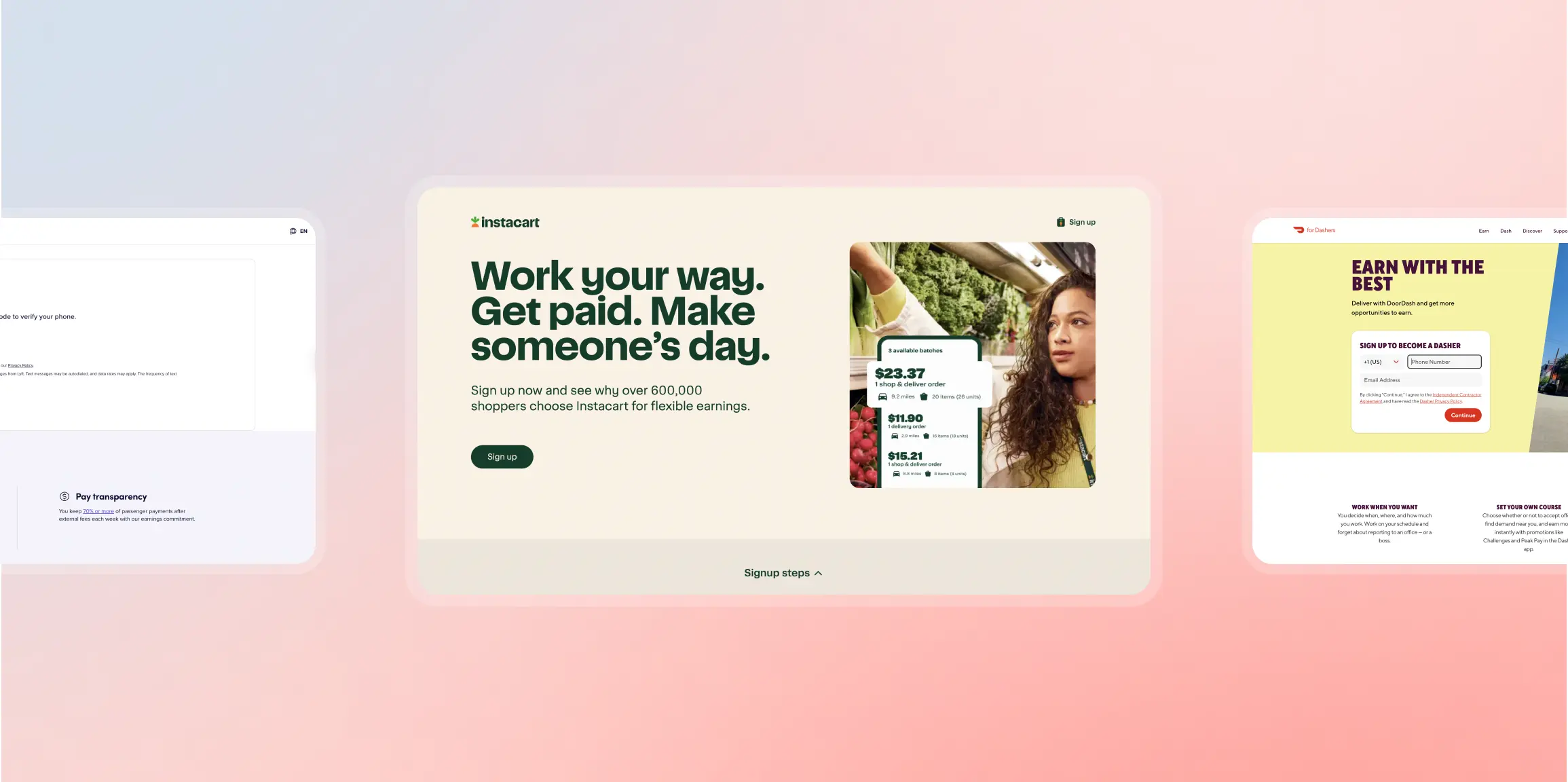
As digital transformation continues to reshape human resources, the adoption of specialized landing pages has become a hallmark of industry leaders. Platforms like Uber, Lyft, and DoorDash have pioneered these techniques to manage the massive scale of their gig-economy workforces. However, the methodology is now being adopted by traditional sectors, including healthcare, technology, and manufacturing, as they compete for specialized talent in a tightening labor market.
Strategic Best Practices in Recruitment Design
To maximize the return on investment (ROI) for recruitment spend, industry analysts have identified several core principles that differentiate high-performing landing pages from standard hiring sites.
Message Match and Narrative Consistency
The primary cause of immediate bounce rates is a disconnect between the advertisement and the landing page. If a candidate clicks on an ad promising a "Remote Software Engineer" position with a specific salary range, the landing page headline must immediately validate that promise. Any ambiguity or shift in messaging creates cognitive dissonance, leading the candidate to believe the opportunity is not what was advertised. Maintaining "message match" ensures a seamless transition and builds immediate trust.
The "Above the Fold" Mandate
Research into user behavior indicates that candidates decide within three to five seconds whether to remain on a page. Therefore, the most critical information—the job title, the primary benefits, and the call to action (CTA)—must be visible "above the fold" (the portion of the page visible without scrolling). High-converting pages typically feature three to four bulleted benefits, such as compensation, flexibility, or career growth, alongside a prominent "Apply Now" button and a credibility signal, such as a company logo or an industry award.
Reduction of Application Friction
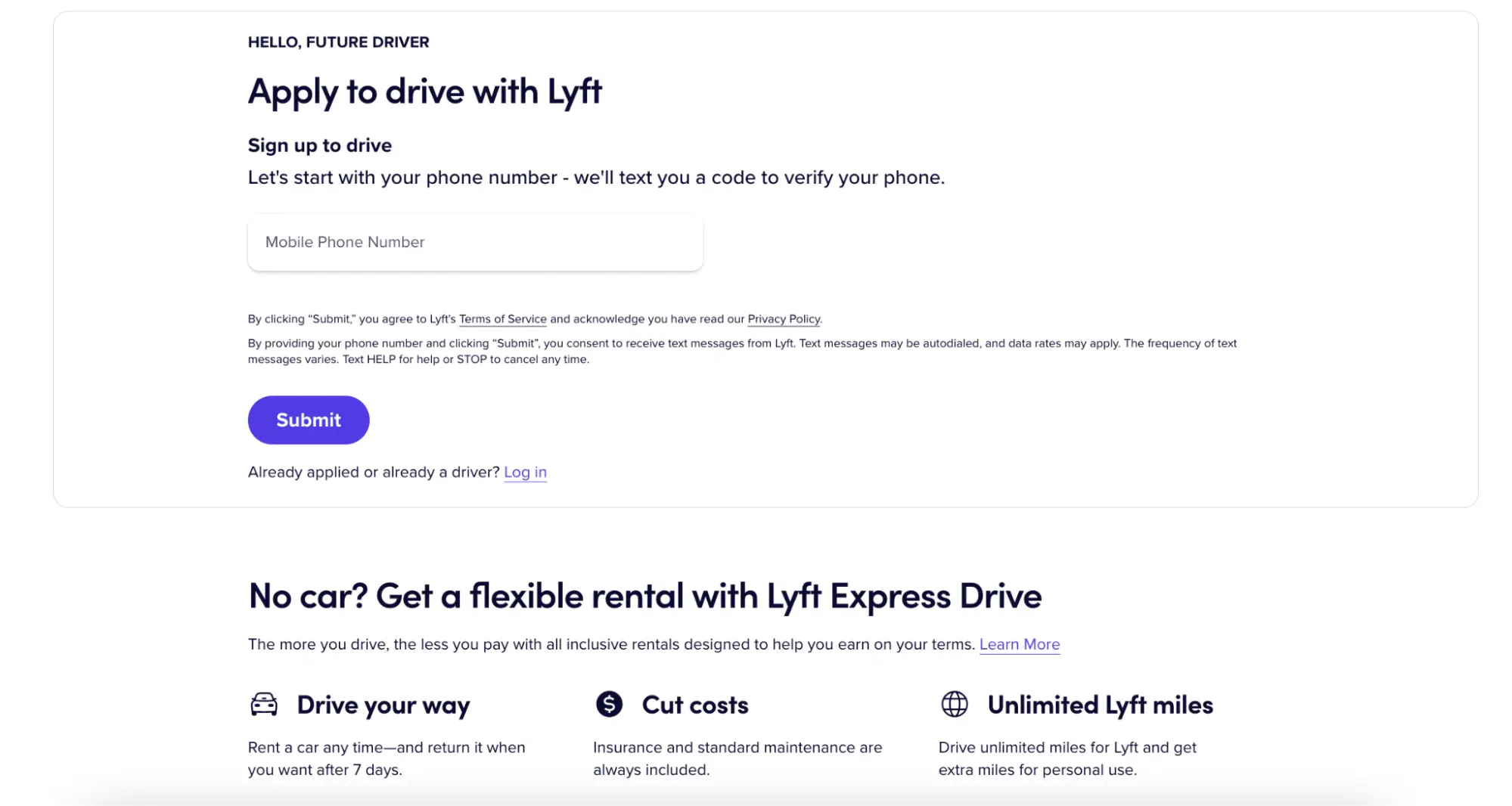
Application abandonment is one of the most significant hurdles in talent acquisition. Data from recruitment marketing platforms indicates that every additional field in a sign-up form can decrease conversion rates by 5% to 10%. The most effective recruitment landing pages limit initial forms to three to five essential fields: name, email, phone number, and a resume upload. For roles requiring more extensive data, companies are increasingly utilizing two-step forms, capturing basic contact information first to establish a lead before requesting more detailed professional history.
The Role of Social Proof and Credibility
In an era of "ghosting" and online scams, candidates require verification that an opportunity is legitimate. Including short, authentic employee testimonials accompanied by real photographs can significantly increase trust. Furthermore, highlighting workplace rankings (such as "Great Place to Work" certifications) provides the external validation necessary to move a candidate from a passive browser to an active applicant.
Case Studies: High-Volume Recruitment in Action
An analysis of industry leaders reveals how these principles are applied at scale.
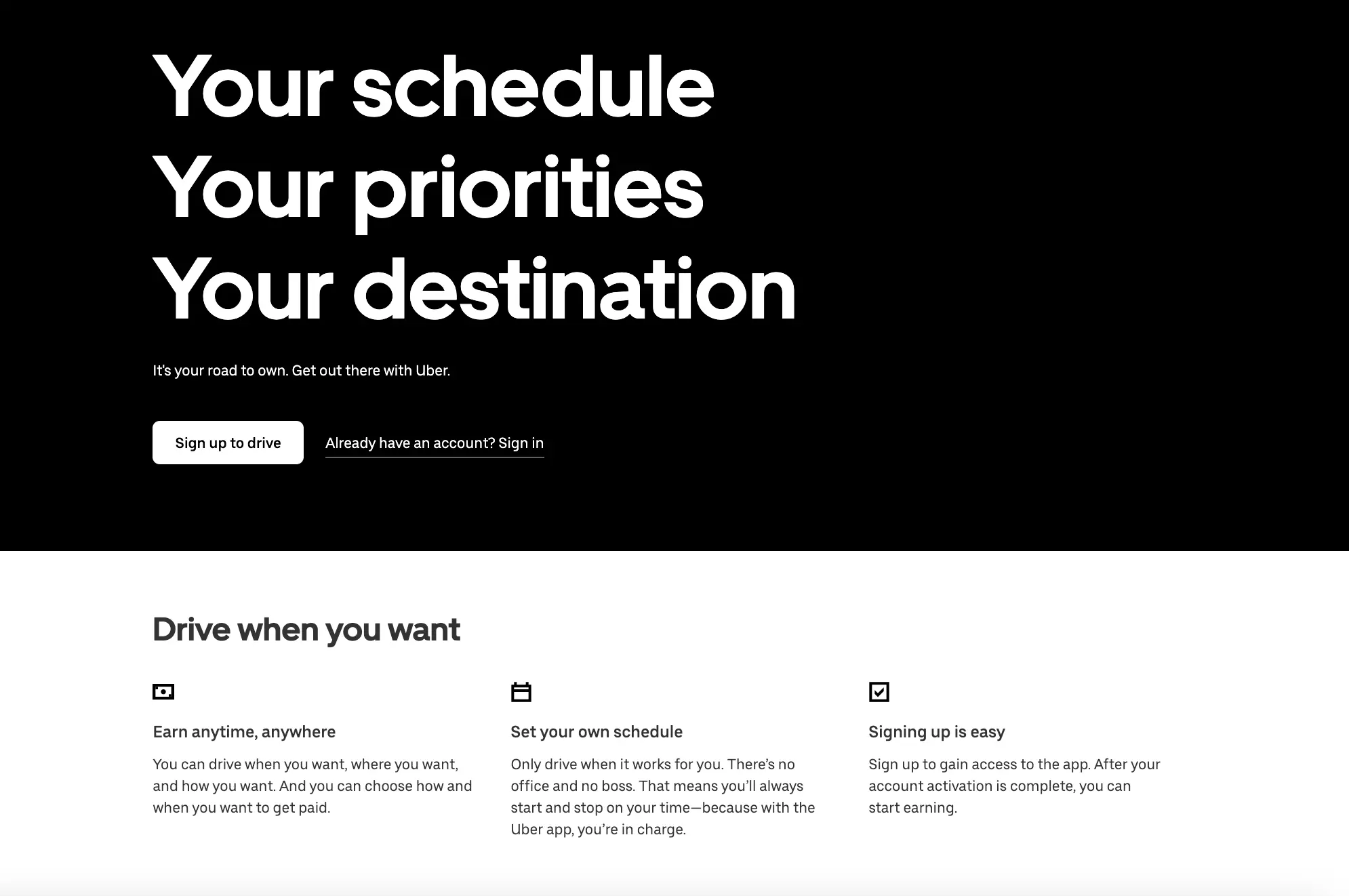
- Uber: Uber’s driver and delivery recruitment pages are optimized for the "gig" mindset. They emphasize immediate earnings and the speed of the onboarding process. Their use of a simple, one-field ZIP code entry as the first step of the funnel is a masterclass in reducing friction.
- Lyft: Similar to Uber, Lyft focuses on the "freedom" of the platform. Their landing pages often feature an earnings calculator, allowing prospective drivers to visualize their potential income, which acts as a powerful psychological motivator.
- DoorDash: The "Dasher" signup page utilizes high-contrast visuals and a very clear value proposition. They frequently test different incentives (such as sign-on bonuses) to determine which offer drives the highest volume of completions.
- Writers Work: As a platform for freelancers, Writers Work focuses on the "lifestyle" benefit of the job. Their landing pages are content-heavy but structured to guide the user toward a "qualification" quiz, which engages the user more deeply than a standard form.
- Instacart: Instacart’s shopper recruitment pages prioritize mobile optimization. Knowing that most of their target demographic accesses the site via smartphone, they use large buttons, minimal text, and fast-loading assets to ensure a smooth mobile experience.
The Chronology of Recruitment Marketing Evolution
The transition to dedicated landing pages marks the third major era of recruitment marketing.
- Era 1: The Job Board Dominance (1995–2010): Companies relied on third-party aggregators like Monster and CareerBuilder. The "landing page" was simply a standardized text listing on a third-party site.
- Era 2: The Corporate Career Portal (2010–2020): Companies built internal "Careers" sections. While this brought branding in-house, these sites were often bloated, slow, and not optimized for mobile users.
- Era 3: The Specialized Landing Page (2020–Present): Driven by the rise of the gig economy and the "Great Resignation," companies began treating candidates like customers. This era is defined by hyper-personalization, A/B testing, and a focus on conversion rate optimization (CRO).
Technical Implementation and A/B Testing
The most successful recruitment campaigns are never static. They rely on continuous experimentation to lower the cost per applicant (CPA). A/B testing—the process of running two versions of a page simultaneously to see which performs better—is now a standard requirement for HR tech stacks.
Enterprises typically test variables in a specific priority order:
- Headlines: Testing different value propositions (e.g., "High Pay" vs. "Flexible Hours").
- Call to Action (CTA): Changing button colors or text (e.g., "Join the Team" vs. "Start Earning").
- Form Length: Comparing a one-page form against a multi-step "wizard" format.
- Visual Assets: Testing video testimonials against static images of employees.
Advanced platforms now incorporate Artificial Intelligence (AI) to automate this process. AI-driven experiments can automatically shift traffic toward the higher-performing variation, ensuring that recruitment budgets are not wasted on underperforming designs.
Broader Impact and Industry Implications
The shift toward specialized recruitment landing pages has broader implications for the global labor market. First, it forces companies to be more transparent about their value propositions. On a focused landing page, there is no room for vague corporate jargon; the benefits must be clear and competitive.

Second, it levels the playing field for smaller companies. By using agile landing page builders, a mid-sized firm can create a candidate experience that rivals a Fortune 500 company without needing a massive web development team.
Finally, the focus on mobile speed and user experience reflects a broader societal shift. With over 70% of job searches now occurring on mobile devices, companies that fail to optimize their recruitment funnels for small screens will find themselves increasingly unable to attract top-tier talent.
In conclusion, the recruitment landing page is no longer an optional tool for HR departments; it is a strategic imperative. By applying the principles of conversion-centered design—matching ad messaging, reducing form friction, and utilizing social proof—organizations can significantly reduce their cost per hire while building a more robust and engaged talent pipeline. As the competition for skilled labor intensifies, the ability to turn a $5.00 click into a completed application will remain the primary differentiator between companies that grow and those that stagnate.







