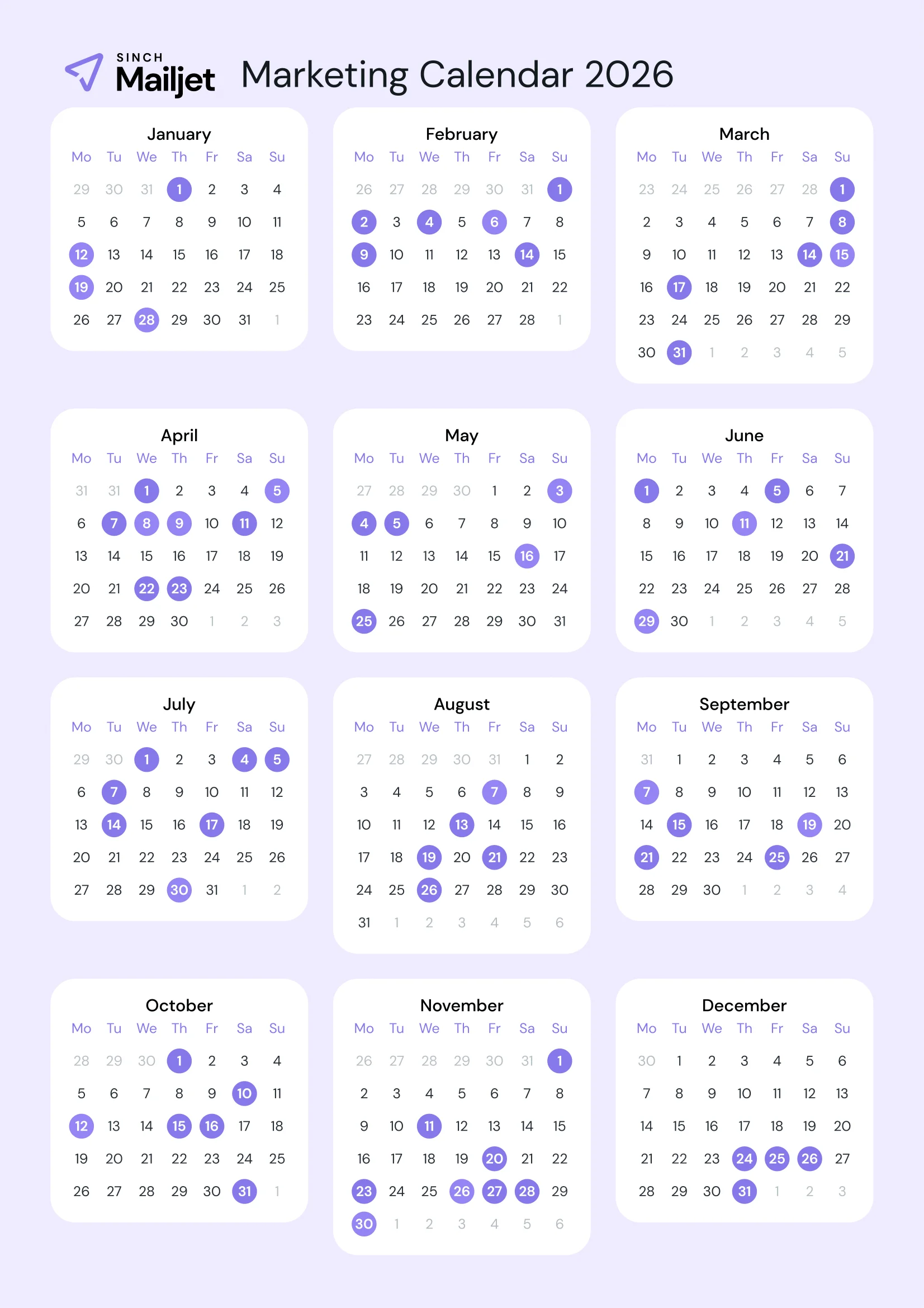
As the final weeks of 2025 draw to a close, marketing teams worldwide are already shifting their focus to the strategic landscape of the upcoming year. The transition into 2026 marks not just a calendar change, but a pivotal opportunity to redefine engagement strategies and capitalize on evolving consumer behaviors. For businesses aiming to commence the new year with impactful momentum, the development of a meticulously planned marketing calendar is paramount. This comprehensive guide outlines the critical importance of such a calendar, details key dates and their implications, and provides a structured approach to building a robust strategy for 2026.
The Strategic Imperative of a 2026 Marketing Calendar
Many erroneously believe that the implementation phase constitutes the most arduous part of a marketing strategy. In reality, the true heavy lifting occurs long before, during the meticulous process of goal setting, audience identification, and priority establishment. A well-constructed marketing calendar serves as the architectural blueprint for these foundational efforts, transforming abstract objectives into actionable campaigns. By initiating planning early, organizations can proactively mitigate potential obstacles, optimize resource allocation, and ensure cohesive brand messaging across all touchpoints.
In an increasingly dynamic marketplace, characterized by rapid shifts in consumer sentiment and technological advancements, the ability to adapt is crucial. Recent years have underscored the necessity for brands to possess agile communication strategies that resonate authentically with their target audiences. A comprehensive calendar, therefore, is not merely a schedule; it is a strategic tool that enables foresight, facilitates flexibility, and maximizes the return on marketing investments. It provides a structured framework within which marketing teams can align their efforts, synchronize content creation, and prepare for both anticipated peaks and unforeseen challenges.
Developing a Robust Marketing Strategy and Plan for the Year Ahead
Before delving into specific dates, marketers must address fundamental strategic questions. These include defining overarching business objectives, identifying target demographics, understanding competitive landscapes, and evaluating past campaign performance. The answers to these questions will inform the selection of promotional activities—such as special deals, product launches, or seasonal sales—that will anchor marketing initiatives throughout the year. Misalignment between promotional strategies and core business goals can lead to diluted KPIs and suboptimal outcomes.

Effective campaign planning, particularly for holiday or special day promotions, often follows a multi-stage approach:
- Pre-campaign Planning: This phase involves comprehensive market research, competitor analysis, budget allocation, and content ideation. It’s also when key messages are drafted, and creative assets are developed.
- Launch Preparation: This stage focuses on scheduling, testing, and ensuring all technical aspects are functional across chosen channels. This includes A/B testing subject lines, optimizing landing pages, and preparing customer service teams for anticipated inquiries.
- Live Campaign Management: During the active campaign, continuous monitoring of performance metrics is essential. Real-time adjustments based on engagement data, such as modifying ad spend or optimizing email send times, can significantly enhance results.
- Post-Campaign Analysis: Crucial for future improvement, this phase involves evaluating campaign effectiveness against initial KPIs, analyzing customer feedback, and documenting key learnings. This data informs subsequent strategies and refines tactical execution.
Optimizing Reach: Selecting the Right Marketing Channels
Once the strategic framework and promotional calendar are in place, the next critical step is disseminating marketing messages effectively. For special date promotions, an omnichannel approach consistently yields superior results. Integrating various channels—such as in-store experiences, online platforms, social media, SMS marketing, and email marketing—allows brands to engage with their audience across multiple touchpoints, creating a seamless and consistent customer journey. This integrated strategy not only enhances engagement but also unlocks numerous opportunities for upselling and cross-selling, reinforcing brand loyalty and driving revenue.
While a multitude of channels are available, strategic selection is key. Not every channel is suitable for every business or campaign. For instance, while TikTok might be ideal for a youth-focused fashion brand, it may not align with the target audience of a B2B SaaS company. However, certain channels remain universally effective. Email marketing, for example, continues to demonstrate an exceptional return on investment, often cited between $35 and $40 for every dollar spent. Its enduring appeal lies in its capacity for deep personalization, granular segmentation, and detailed performance analytics. Furthermore, email campaigns provide a persistent presence in a contact’s inbox, allowing customers to revisit promotional offers or essential information at their convenience.
Leveraging Technology: Tools for Marketing Calendar Organization
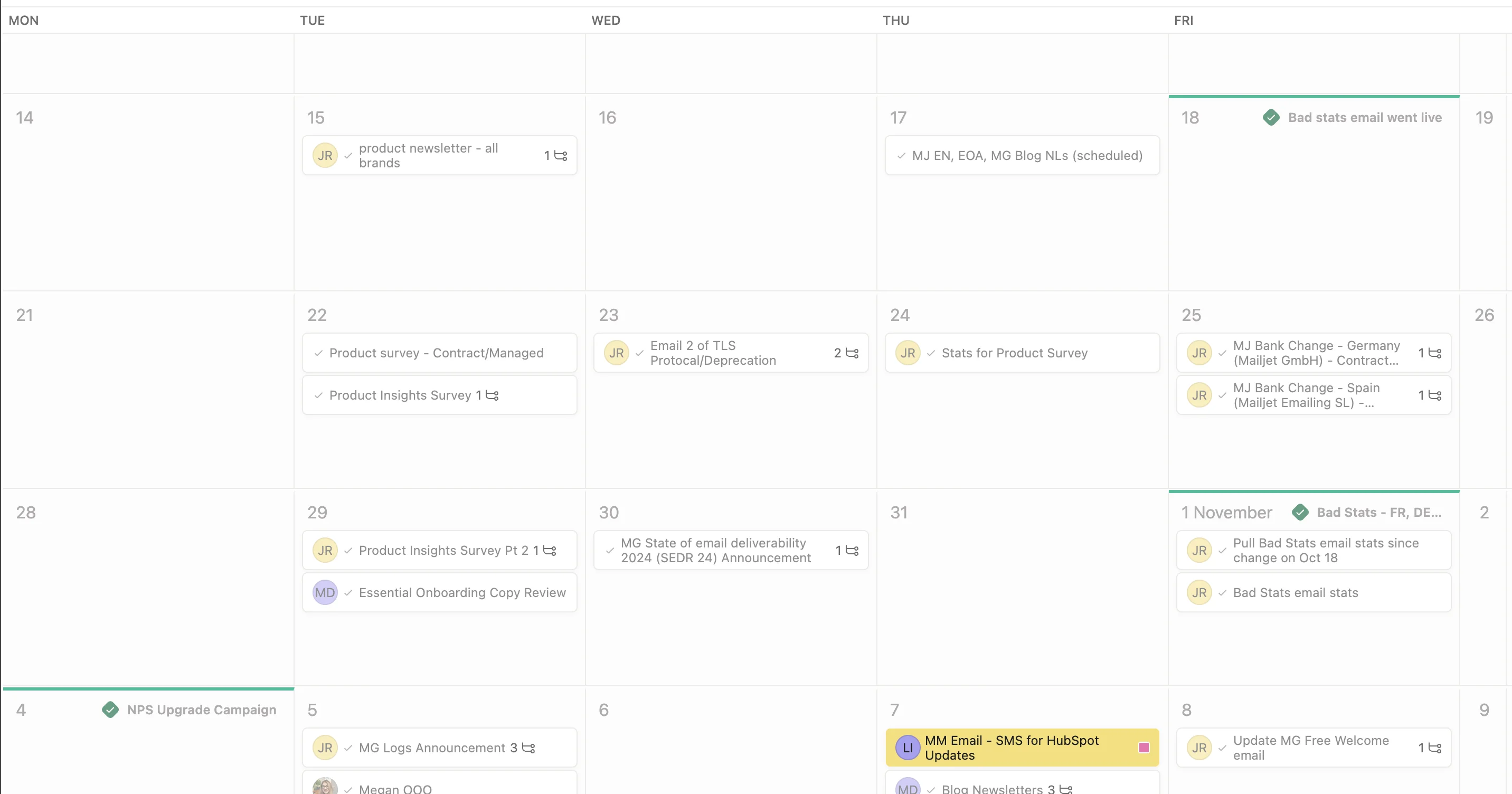
The sheer volume of dates, campaigns, and tasks involved in a comprehensive marketing strategy necessitates robust organizational tools. Modern marketers rely on a suite of technologies to manage their calendars, streamline workflows, and enhance collaboration:
- Project Management Platforms (e.g., Asana, Trello, Monday.com): These tools facilitate task assignment, deadline tracking, and team collaboration, ensuring all stakeholders are aware of their responsibilities and project progress.
- CRM Systems (Customer Relationship Management): CRMs are vital for managing customer data, segmenting audiences, and personalizing communications, allowing for highly targeted campaigns.
- Marketing Automation Software: These platforms automate repetitive tasks such as email sending, social media posting, and lead nurturing, freeing up marketing teams to focus on strategy and creativity.
- Content Calendars (e.g., Google Calendar, specialized marketing calendar tools): Dedicated calendar tools help visualize campaigns, allocate content across channels, and maintain a consistent publishing schedule.
- Analytics and Reporting Dashboards: Integrated analytics tools provide real-time insights into campaign performance, enabling data-driven adjustments and post-campaign evaluation.
By leveraging these tools, marketers can move beyond mere date tracking to a sophisticated system of campaign planning, execution, and optimization.
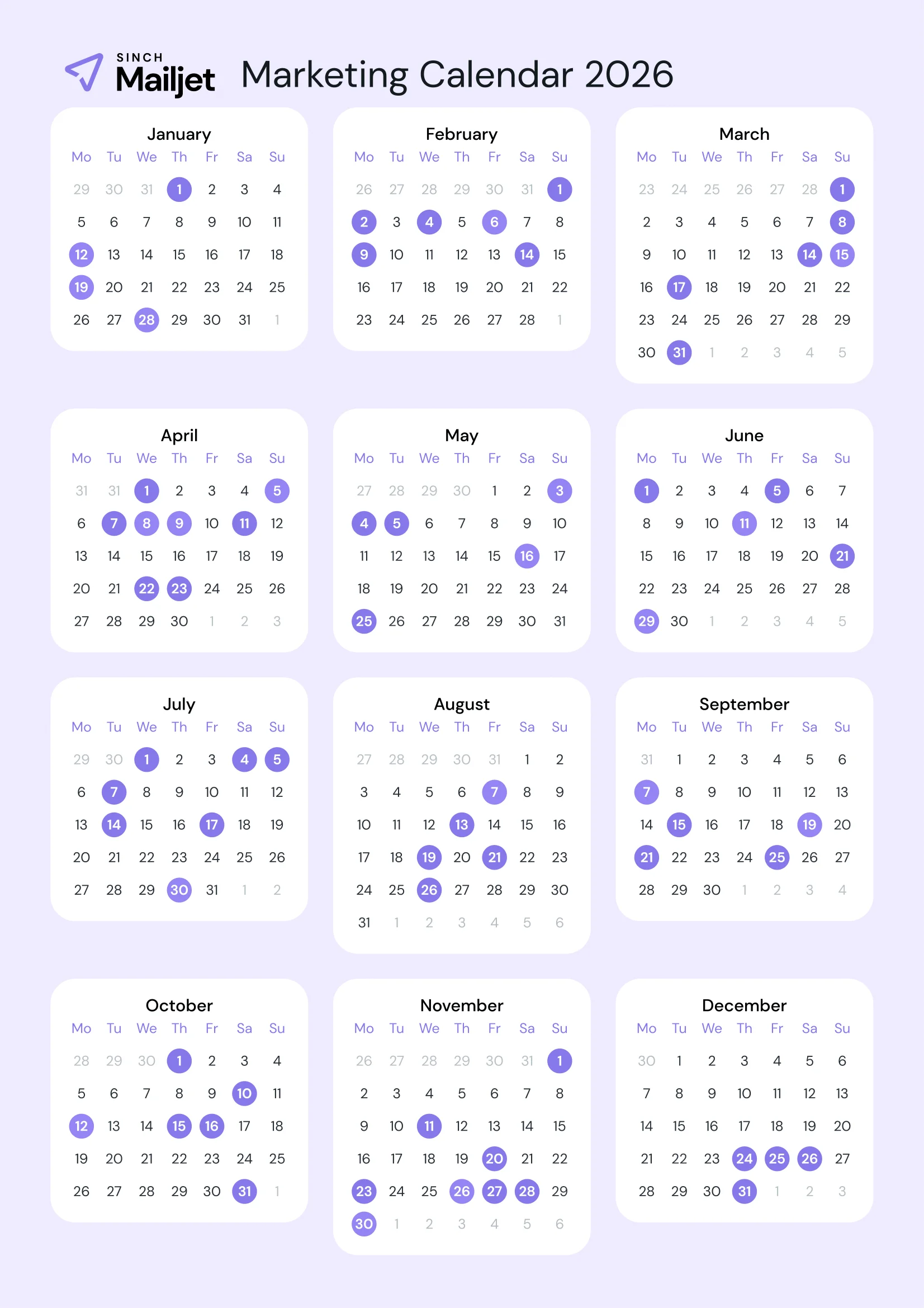
A Month-by-Month Guide to 2026 Marketing Opportunities
A detailed overview of key dates throughout 2026 provides a foundational framework for proactive planning:
January: Resolutions and Renewal
January typically revolves around themes of new beginnings, self-improvement, and fresh starts. Marketers can leverage New Year’s resolutions by offering deals on products or services related to health, wellness, education, finance, or organization. This is also a prime month for “Winter Sales” in many European countries, where consumers seek post-holiday bargains. “Blue Monday,” often cited as the most depressing day of the year, presents an opportunity for brands to offer uplifting promotions or acts of goodwill.
- Key Dates: New Year’s Day (Jan 1), Winter Sales (ongoing), Blue Monday (third Monday), Martin Luther King Jr. Day (third Monday).
- Marketing Angle: Focus on aspirational content, goal-setting resources, and “new year, new you” promotions. Emphasize value and convenience for winter sales.
February: Love, Legacy, and Spectacle
February is a month of diverse marketing opportunities, encompassing significant cultural, commercial, and sporting events. Black History Month provides a crucial platform for brands to engage in meaningful storytelling, highlight diversity and inclusion initiatives, and support Black-owned businesses. Valentine’s Day is a major retail event; in 2025, U.S. consumers were projected to spend an estimated $27.8 billion on gifts. Similarly, the Super Bowl drives substantial consumer spending on food, decorations, and team apparel, with an average per-person expenditure of $91.58.
- Key Dates: Black History Month (all month), Valentine’s Day (Feb 14), Super Bowl (early Feb), Presidents’ Day (third Monday).
- Marketing Angle: For Valentine’s, focus on gift guides, romantic experiences, and self-love promotions. For Super Bowl, leverage watch party essentials, food delivery, and team merchandise. Black History Month campaigns should prioritize authenticity, education, and community support.
March: Empowerment and Cultural Observance
March celebrates women’s achievements and marks significant religious observances. Women’s History Month, culminating in International Women’s Day on March 8th, is an ideal time for brands to share stories of female empowerment, showcase internal diversity initiatives, and support women-led causes. Ramadan, a period of fasting, prayer, and reflection for over 1.9 billion Muslims worldwide, requires culturally sensitive and respectful marketing that acknowledges its spiritual significance. Other notable dates include World Wildlife Day, promoting conservation, and St. Patrick’s Day, offering opportunities for themed promotions.
- Key Dates: Women’s History Month (all month), International Women’s Day (Mar 8), Ramadan Begins (approx. Mar 1-2), St. Patrick’s Day (Mar 17), International Transgender Day of Visibility (Mar 31).
- Marketing Angle: Promote gender equality, highlight female role models, and offer supportive content. For Ramadan, focus on community, family, and reflective themes rather than purely commercial aspects. St. Patrick’s Day allows for festive, green-themed promotions.
April: Rebirth, Renewal, and Responsibility
April ushers in spring, and in 2026, Easter falls within this month. Easter, traditionally celebrated on the first full moon after the spring equinox, is a time for family, renewal, and often, confectionery. Marketers can capitalize on themes of new beginnings, Easter egg hunts, and seasonal products. Earth Day on April 22nd provides a critical opportunity for brands to highlight their sustainability efforts, promote eco-friendly products, and engage in corporate social responsibility initiatives. April Fools’ Day on April 1st offers a lighter touch, allowing brands to engage playfully with their audience through humorous content or benign pranks.
- Key Dates: April Fools’ Day (Apr 1), Easter (early April), Earth Day (Apr 22).
- Marketing Angle: Spring collections, family-oriented promotions for Easter, and environmentally conscious messaging for Earth Day. Humorous, light-hearted campaigns for April Fools’.
May: Pop Culture, Appreciation, and Global Unity
May features a blend of pop culture phenomena and heartfelt appreciation. Star Wars Day on May 4th (“May the Fourth be with you”) is a significant event on social media, offering brands a chance to engage with a passionate fan base through themed content and promotions. Mother’s Day, celebrated in many countries, is a key retail period for gifts and expressions of gratitude. Marketers should, however, offer an optional opt-out for subscribers who may find this day sensitive due to personal loss. Other events like May Day (International Workers’ Day) and the Eurovision Song Contest offer broader cultural engagement opportunities.
- Key Dates: May Day/International Workers’ Day (May 1), Star Wars Day (May 4), Mother’s Day (second Sunday), Eurovision Song Contest (mid-May).
- Marketing Angle: Themed campaigns for Star Wars fans. Heartfelt gift guides and appreciation messages for Mother’s Day, with a strong emphasis on empathy and opt-out options.
June: Summer Kickoff, Pride, and Sportsmanship
As temperatures rise, June heralds the unofficial start of summer and a shift in consumer focus towards vacations and outdoor activities. While this can sometimes lead to a sales slump, it also presents an opportunity for brands to differentiate themselves. June 1st marks the beginning of Pride Month, a crucial period for demonstrating inclusivity and support for the LGBTQ+ community through authentic messaging and partnerships. Father’s Day, celebrated in the U.S. and other nations, is another key gifting occasion. The start of the Wimbledon tennis competition offers sports-related marketing avenues.
- Key Dates: Pride Month (all month), Father’s Day (third Sunday), Summer Solstice (late June), Wimbledon Begins (late June).
- Marketing Angle: Summer travel deals, outdoor gear promotions. Authentic and inclusive campaigns for Pride Month. Gift guides for Father’s Day. Counter-cyclical campaigns to combat summer sales slowdowns.
July: Holiday Escapes and Sporting Excitement
July is synonymous with peak holiday season. While maintaining consumer engagement during summer can be challenging, a packed calendar of sporting events provides unique opportunities. The Tour de France, Wimbledon finals, and the 2025 FIFA Club World Cup Final (carrying over from the prior year’s qualification cycle) offer prime moments for sports-themed promotions, travel packages, and merchandise. The Fourth of July, a significant national holiday in the U.S., provides a natural hook for patriotic-themed sales and events. Emoji Day on July 17th offers a lighthearted chance for digital engagement.
- Key Dates: Canada Day (Jul 1), Fourth of July (Jul 4), Tour de France (all month), Wimbledon Final (early July), FIFA Club World Cup Final (mid-July), Emoji Day (Jul 17).
- Marketing Angle: Travel deals, summer essentials, sports event tie-ins, and patriotic promotions. Lighthearted, engaging content for Emoji Day.
August: Winding Down Summer, Gearing Up for Fall
August often represents a slower period as summer vacations wind down, but it’s also a transitional month as consumers begin to mentally prepare for the fall. This is an opportune time to re-engage customers with offers they might have missed during their travels. Utilizing email segmentation to target contacts who haven’t opened emails since a certain date, and then re-sending summer offers, can be highly effective. Early “back-to-school” preparations also begin for some, providing a subtle lead-in to the September rush.
- Key Dates: National Dog Day (Aug 26).
- Marketing Angle: Re-engagement campaigns, last-chance summer sales, early bird back-to-school promotions, and anticipation-building for autumn collections.
September: Back to School, Back to Business
September often feels like a second January, marking a period of renewed focus and goal-setting for both children returning to school and adults resuming professional routines. The “back-to-school” season extends beyond academics, encompassing new projects, professional development, and lifestyle adjustments. This is an ideal time for campaigns that re-engage customers post-summer, offering incentives like special promotions, sweepstakes, and exclusive offers on productivity tools, fashion, and educational resources. Targeting customers who abandoned online shopping carts becomes particularly effective during this period of renewed purchasing intent.
- Key Dates: Labor Day (first Monday), Back to School (ongoing), Rosh Hashanah (late Sep).
- Marketing Angle: Productivity tools, professional development courses, autumn fashion launches, and targeted cart abandonment recovery campaigns.
October: Spooky Season and Q4 Acceleration
October signals the official start of autumn and, for marketers, the critical kickoff of Q4 and the holiday season. Halloween dominates the month, offering ample creative opportunities for spooky-themed promotions, contests, and engaging content. Beyond the festive fun, October is the strategic window for planning and initiating early holiday campaigns. Brands should use this period to finalize their holiday strategies, build excitement, and get a head start on what will be the busiest retail period of the year.
- Key Dates: Halloween (Oct 31).
- Marketing Angle: Halloween-themed promotions, early holiday gift guides, and teaser campaigns for upcoming Black Friday/Cyber Monday sales.
November: The Retail Powerhouse
November is undeniably the strongest month for B2C sales, driven by a concentrated period of major shopping events. Immediately following Thanksgiving, Black Friday, Small Business Saturday, and Cyber Monday create an unprecedented purchasing frenzy. Marketers must mark these dates in red on their calendars and prepare comprehensive strategies for special promotions, flash sales, and exclusive offers. Proactive planning, including early access for loyalty members and tiered discounts, is crucial for capturing a significant share of consumer spending during this hyper-competitive window.
- Key Dates: Thanksgiving (fourth Thursday), Black Friday (day after Thanksgiving), Small Business Saturday (Saturday after Thanksgiving), Cyber Monday (Monday after Thanksgiving).
- Marketing Angle: Aggressive promotional campaigns, bundle deals, doorbuster offers, extended sales, and loyalty program incentives.
December: Festive Cheer and Year-End Push
December culminates the year with the festive spirit of Christmas and the broader holiday season. As temperatures drop and decorations light up, consumers engage in last-minute gift shopping, both online and in-store. This is a final, crucial opportunity for brands to drive Q4 revenue with special holiday campaigns and offers. Beyond sales, December is also a time for expressing gratitude. Brands can foster goodwill by running festive competitions on social media, sharing behind-the-scenes glimpses of their team, or sending heartfelt “Merry Christmas” or “Happy Holidays” newsletters, emphasizing community and appreciation for customer loyalty throughout the year.

- Key Dates: Christmas Eve (Dec 24), Christmas Day (Dec 25), Kwanzaa (Dec 26-Jan 1), New Year’s Eve (Dec 31).
- Marketing Angle: Last-minute gift guides, expedited shipping promotions, post-Christmas sales, and year-end thank you messages.
Developing Your Bespoke Marketing Calendar for 2026
Building an effective marketing calendar transcends simply noting dates; it demands a strategic alignment with long-term business objectives, a deep understanding of the target audience, and foresight regarding product releases and market trends. To create a calendar that is truly effective:
- Review Past Performance: Analyze data from previous years to identify successful campaigns, peak sales periods, and areas for improvement. This historical context is invaluable for future planning.
- Define Business Goals for 2026: Clearly articulate what the business aims to achieve—whether it’s increased market share, higher customer retention, or new product penetration. These goals will dictate campaign priorities.
- Identify Key Audience Segments: Understand who the target customers are for each campaign. Different segments may respond to different messages and channels.
- Map Out Major Internal Milestones: Include product launches, company anniversaries, and other internal events that require marketing support.
- Integrate External Dates: Incorporate the cultural, commercial, and seasonal dates outlined above, prioritizing those most relevant to your brand and audience.
- Allocate Resources and Budget: Determine the financial and human resources required for each campaign, ensuring realistic expectations and optimal deployment.
- Plan Content Themes and Channels: For each date or period, brainstorm content ideas and decide which marketing channels (email, social, blog, video, etc.) will be most effective.
- Schedule Campaign Phases: Break down each campaign into pre-launch, launch, and post-launch activities with specific deadlines.
- Build in Flexibility: Acknowledge that unforeseen events may occur. A good calendar allows for agile adjustments without derailing the entire year’s strategy.
- Regularly Review and Optimize: The calendar should be a living document, reviewed monthly or quarterly to assess performance, make necessary adjustments, and incorporate new insights.
Creating a marketing calendar for 2026 is a foundational exercise for any forward-thinking organization. It provides clarity, fosters alignment, and positions teams to navigate the complexities of the market with confidence and strategic precision. By embracing proactive, data-driven planning, businesses can transform the upcoming year into a period of sustained growth and enhanced customer engagement.