


Email marketing, far from being a relic of the early internet, remains a cornerstone of digital communication and a potent driver of business growth. Its enduring power lies in its directness, measurability, and unparalleled return on investment (ROI), consistently outperforming many other digital channels. However, in today’s saturated digital landscape, merely sending an email is insufficient; crafting a campaign that cuts through the noise and genuinely connects with its audience requires a sophisticated blend of strategic foresight, creative execution, and technical precision. This comprehensive guide delves into the intricate anatomy of a high-performing email, dissecting each critical component from initial impression to final conversion, and exploring the underlying technical and collaborative frameworks essential for sustained success.
The Foundational Elements: First Impressions That Count
The journey of an email begins long before its content is consumed. The initial touchpoints in a recipient’s inbox are paramount, acting as gatekeepers that determine whether a message is opened, ignored, or even worse, marked as spam.
The Subject Line: The Gateway to Engagement
The subject line is arguably the single most critical element of any email campaign. It is the first, and often only, opportunity to capture attention in a crowded inbox, making it the primary determinant of open rates. A compelling subject line doesn’t just inform; it incites curiosity, offers value, or hints at a solution to a perceived problem. Industry data consistently shows that subject lines leveraging personalization, urgency, or intriguing questions significantly outperform generic alternatives. For instance, studies by platforms like Campaign Monitor reveal that emails with personalized subject lines are 26% more likely to be opened. Moreover, a sense of urgency, such as "Flash Sale Ends Tonight!" or "Your Cart Expires Soon," can dramatically increase immediate engagement. The delicate balance lies in piquing interest without resorting to clickbait, as clarity often trumps cleverness in building long-term trust. Marketers are advised to test various approaches, from benefit-driven statements like "3-Minute Tweak to Fix Your Q2 Pipeline" to mystery-laden queries such as "Ready to Triple Response Rates?", meticulously analyzing performance to refine their strategy.
The Pre-header and Preview Text: Extending the Invitation
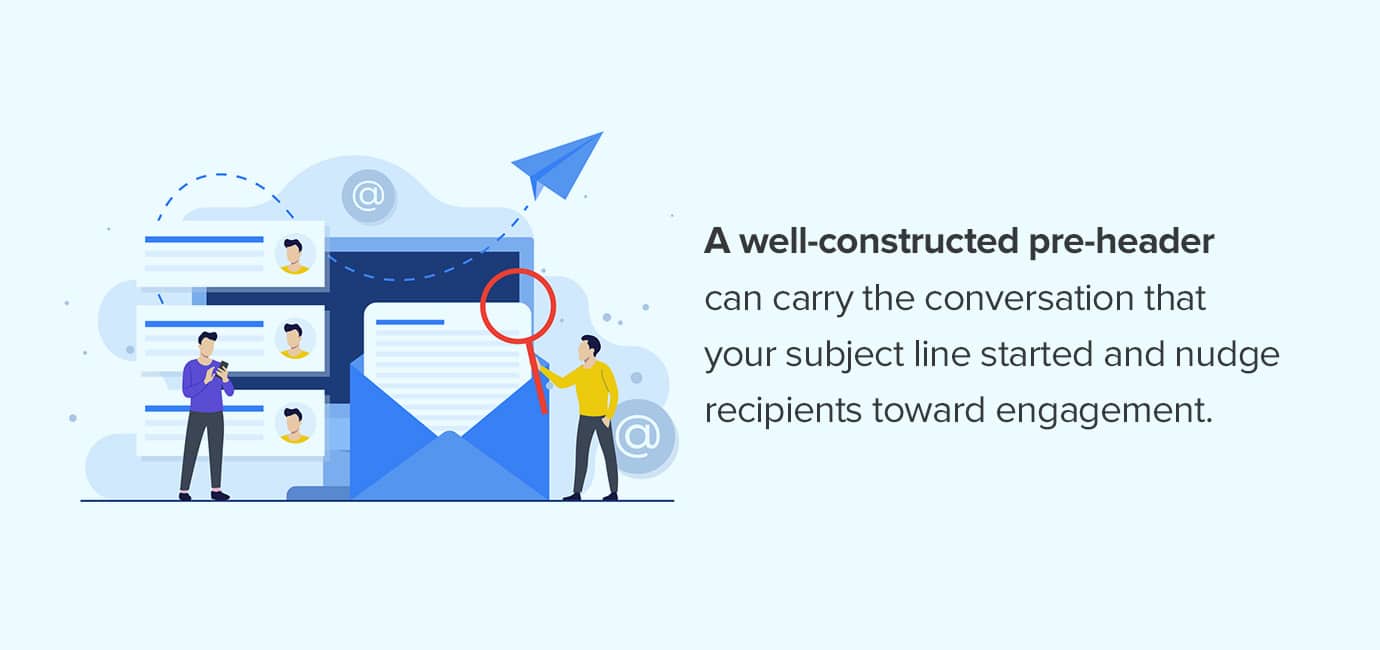
Often overlooked, the pre-header and preview text serve as the subject line’s indispensable co-pilot, offering a crucial second glance for recipients before they commit to an open. Appearing immediately after or below the subject line in most email clients, this snippet of text provides additional context or a continuation of the subject line’s promise. A well-crafted pre-header can amplify the subject line’s message, transforming a vague title into an irresistible invitation. For example, if the subject line is "Your Exclusive Offer," the pre-header might elaborate with "Limited-time discount inside – don’t miss out on these savings!" Neglecting this space often results in default text from the email’s body, which can be unengaging or even counterproductive, such as "View this email in your browser." Effective pre-headers are concise, typically between 40-100 characters depending on the email client, and should reinforce the email’s value proposition. Testing across various email clients and mobile devices is crucial to prevent truncation, ensuring the most impactful part of the message is always visible.

The Email Header: Establishing Brand Trust and Identity
Upon opening an email, the header immediately sets the tone and provides critical brand identification. This visual "handshake" reassures recipients that they have opened the intended message from a trusted sender. A strong header typically includes a clearly visible company logo, ensuring instant brand recognition. It may also feature a pre-header link for "View in Browser" for rendering issues, or navigational elements for larger newsletters. Consistency in branding – colors, fonts, and layout – across all email communications reinforces brand identity and professionalism. A well-designed header contributes significantly to user experience, building confidence and encouraging further engagement with the content below.
Engaging the Reader: Content and Visuals at the Core
Once past the initial gatekeepers, the core challenge shifts to retaining the reader’s attention and delivering the promised value. This involves strategic content placement, compelling copy, and judicious use of visuals.
The Headline: Capturing Immediate Attention
Following the header, the email’s primary headline serves as the internal subject line, reaffirming the email’s purpose and drawing the reader deeper into the narrative. It needs to be impactful, concise, and highly relevant to the recipient’s interests, leveraging segmentation and personalization where possible. A strong headline should instantly communicate the main benefit or key takeaway, acting as a bridge between the opening and the body copy. Marketers often employ A/B testing on headlines to gauge effectiveness, noting that direct, benefit-oriented headlines often lead to higher engagement. Tools that preview headlines in various email clients and dark modes are invaluable for ensuring optimal presentation.
The Personalized Greeting: Building Rapport
A thoughtful greeting transforms a mass email into a personal conversation, fostering a sense of connection and rapport. While "Hi [First Name]" is a common and effective starting point, advanced personalization goes further. Depending on the relationship and context, greetings can be tailored to acknowledge recent interactions ("Welcome back, [Customer Name]!"), reference past purchases ("[Customer Name], here’s what’s new since your last order"), or reflect specific segmentation ("Dear Valued Subscriber"). This level of dynamic content requires robust automation platforms, but the effort pays dividends in increased engagement and perceived value. The goal is to make the recipient feel seen and understood, enhancing the likelihood of them continuing to read and act on the message.
The Body Content: Delivering Value and Driving Narrative
The body of the email is where the core message is delivered, fulfilling the promise of the subject line and headline. Effective body content is a masterclass in clarity, conciseness, and visual appeal. It should be structured for easy digestion, utilizing short paragraphs, bullet points, and ample white space to prevent overwhelm. Given that a significant percentage of emails are opened on mobile devices (often exceeding 50%), a mobile-first design approach is non-negotiable. This means responsive layouts that adapt seamlessly to different screen sizes, legible font sizes (typically 14-16px for body text), and clear hierarchy. The content must directly address the recipient’s needs or interests, providing clear value, whether it’s an offer, information, or an engaging story. Proofreading is critical; even minor grammatical errors can undermine credibility.
Visuals and Imagery: Enhancing Message and Experience
Images, videos, and GIFs can significantly boost engagement and clarify complex messages, but their inclusion must be purposeful, not merely decorative. Every visual element should contribute to the email’s objective, enhancing understanding or emotional resonance. High-quality, relevant visuals can break up text, guide the eye, and convey brand personality. However, technical considerations are paramount: images must be optimized for web, meaning compressed file sizes to ensure fast loading times, and they must be responsive to display correctly across devices. Crucially, all images should include descriptive alt text. This not only aids accessibility for visually impaired recipients using screen readers but also ensures the message remains coherent even if images fail to load due to recipient settings or network issues. According to accessibility guidelines, effective alt text should convey the image’s content and purpose succinctly.
The Action Imperative: Guiding Towards Conversion
The ultimate goal of most marketing emails is to prompt a specific action. The call-to-action (CTA) is the focal point of this objective, a carefully engineered prompt designed to convert interest into measurable results.
The Call-to-Action (CTA): The Conversion Catalyst
The CTA is the pivot point of the email, where engagement translates into action. It must be clear, compelling, and strategically placed. Effective CTAs typically utilize strong, active verbs that convey a direct benefit or next step ("Shop Now," "Learn More," "Download Your Guide"). Their design is equally important: they should be visually prominent, contrasting with the surrounding content without being jarring, and sized appropriately for easy tapping on mobile devices. Limiting the number of CTAs to one primary action can significantly improve conversion rates, as multiple competing calls can dilute focus. Data suggests that emails with a single, clear CTA can see up to 371% more clicks than those with multiple options. Testing variations in wording, color, size, and placement is essential to identify what resonates most effectively with specific audience segments. Furthermore, ensuring the CTA link is functional and leads to the correct landing page across all email clients is a non-negotiable final check.

Ensuring Compliance and Trust: The Essential Underpinnings
Beyond compelling content and clear calls to action, an effective email adheres to legal and ethical standards, reinforcing trust and professionalism.
The Footer: Legal Compliance, Trust, and Continued Connection
The email footer, though often at the bottom, is far from an afterthought. It serves as the campaign’s legal and ethical anchor, instilling confidence and demonstrating respect for the recipient’s privacy and preferences. Essential elements include:
- Physical Address: Required by regulations like the CAN-SPAM Act in the United States.
- Unsubscribe Link: A clear, easy-to-find link is legally mandated and crucial for maintaining sender reputation.
- Copyright Information: Protects intellectual property.
- Privacy Policy Link: Demonstrates transparency regarding data handling, especially important under GDPR and similar global regulations.
- Social Media Links: Offers alternative avenues for connection and brand engagement.
- Referral/Sharing Options: Encourages organic growth.
Regular review of the footer is crucial to ensure all information is current and compliant, preventing potential legal issues and maintaining a trustworthy brand image. A transparent footer is a silent testament to a sender’s legitimacy and commitment to ethical marketing practices.
Behind the Scenes: Technical Prowess and Deliverability
The most perfectly crafted email is worthless if it never reaches the recipient’s inbox. Technical considerations and deliverability are the unsung heroes of email marketing, directly impacting campaign success.
Deliverability and Technical Considerations: Reaching the Inbox
Email deliverability refers to the ability of an email to reach the recipient’s inbox, bypassing spam filters. This is influenced by a complex interplay of factors, including:

- Sender Reputation: A history of sending relevant, non-spammy emails. Poor sender reputation leads to emails being flagged.
- Email Authentication: Implementing SPF (Sender Policy Framework), DKIM (DomainKeys Identified Mail), and DMARC (Domain-based Message Authentication, Reporting & Conformance) protocols verifies the sender’s identity, preventing spoofing and improving trust with mailbox providers.
- IP Warming: Gradually increasing email volume from a new IP address to build a positive sending history.
- List Hygiene: Regularly cleaning email lists to remove inactive subscribers, bounced addresses, and spam traps. High bounce rates signal poor list quality and negatively impact sender reputation.
- Content Relevance: Emails that consistently receive high engagement (opens, clicks) and low complaints (spam reports) are favored by algorithms.
- HTML Structure: Clean, valid HTML code ensures consistent rendering across diverse email clients and devices.
Industry benchmarks show that average inbox placement rates hover around 85-90%, meaning a significant percentage of emails can be lost to spam folders. Continuous monitoring of deliverability metrics and proactive problem-solving are essential to maximize inbox placement and ensure messages are seen by their intended audience.
Background Context: The Evolution of Email Marketing
Email marketing has come a long way since the first bulk email was sent by Gary Thuerk in 1978. Initially a simple, direct-mail-like broadcast tool, it evolved significantly with the rise of the internet. The late 1990s and early 2000s saw the proliferation of email service providers (ESPs) and the dawn of segmentation. The mid-2000s brought sophisticated automation, triggered campaigns, and a greater emphasis on personalization. Landmark legislation like the CAN-SPAM Act in the US (2003) and the General Data Protection Regulation (GDPR) in Europe (2018) dramatically reshaped best practices, mandating explicit consent, easy unsubscribe options, and transparent data handling. Today, email marketing is a data-driven discipline, leveraging AI, hyper-personalization, and advanced analytics to deliver highly relevant and engaging experiences, moving far beyond mere mass communication to foster deep customer relationships.
Optimizing for Success: Iteration and Collaboration
The dynamic nature of email marketing demands a continuous cycle of testing, learning, and refinement, underpinned by robust team collaboration.
Testing and Continuous Improvement: The Engine of Performance
Even the most expertly designed campaign can be further optimized through rigorous testing. A/B testing is a foundational practice, comparing two versions of an email (e.g., different subject lines, CTA buttons, or image placements) to determine which performs better against a specific metric like open rate, click-through rate, or conversion rate. More advanced multivariate testing allows for simultaneous testing of multiple elements. Key areas for testing include:
- Subject lines and pre-headers: Impact on open rates.
- CTAs: Wording, color, placement, and size impact on click-through and conversion.
- Content layout and imagery: Impact on engagement and readability.
- Personalization strategies: Effect on rapport and relevance.
- Send times and days: Optimal timing for specific audience segments.
Effective testing requires clear hypotheses, sufficient sample sizes, and meticulous data analysis. Documenting insights and learnings is crucial for building institutional knowledge and informing future campaigns, ensuring each send is smarter than the last. Platforms with integrated analytics and testing capabilities are indispensable tools for this iterative process.
Collaboration and Workflow Efficiency: Synchronizing for Impact
Email marketing is rarely a solitary endeavor. From copywriters and designers to developers and strategists, successful campaigns are the product of seamless collaboration. Efficient workflows are critical for managing edits, feedback, and approvals, particularly under tight deadlines. Key components of a high-functioning email workflow include:

- Clear Roles and Responsibilities: Defining who is responsible for each stage (copy, design, coding, review, approval, scheduling).
- Centralized Feedback Systems: Using tools that allow for comments and annotations directly on email drafts, minimizing miscommunication.
- Version Control: Ensuring everyone is working on the latest version of the email.
- Approval Gates: Establishing formal checkpoints for content, design, and technical checks before deployment.
- Pre-send Checklists: Comprehensive checklists covering everything from link validation and image rendering to personalization fields and accessibility checks.
A culture of constructive feedback, combined with the right collaborative tools, can significantly reduce errors, accelerate review cycles, and enhance the overall quality and impact of email campaigns. Industry figures suggest that streamlined review processes can cut email production time by hours, freeing up valuable resources for strategic initiatives.
Broader Implications and The Future of Email Marketing
Email marketing’s journey from a niche tool to a sophisticated, data-driven channel highlights its adaptability and enduring value. Its future is characterized by several key trends:
Sustained Relevance in a Multi-Channel World
Despite the emergence of new communication channels, email continues to hold its ground as a primary and highly effective marketing channel. Its permission-based nature fosters direct relationships, making it a powerful tool for customer retention, loyalty programs, and personalized communication. Its integration with CRM systems and other marketing technologies ensures it remains central to holistic customer engagement strategies.
The Rise of AI and Hyper-Personalization
Artificial intelligence is rapidly transforming email marketing, enabling unprecedented levels of hyper-personalization. AI-powered tools can analyze vast datasets to predict customer preferences, optimize send times, dynamically generate content, and even craft subject lines. This allows marketers to deliver truly individualized experiences at scale, moving beyond basic segmentation to one-to-one communication that anticipates needs and offers highly relevant solutions.
Ethical Considerations and Data Privacy
As data collection and personalization capabilities grow, so does the imperative for ethical marketing and stringent data privacy practices. Compliance with global regulations like GDPR and CCPA is no longer merely a legal requirement but a fundamental aspect of building and maintaining customer trust. Transparency in data usage and providing clear control over communication preferences will be paramount for fostering long-term, valuable subscriber relationships.

Conclusion
Crafting an effective marketing email is a multifaceted discipline, demanding a holistic approach that considers every element from the initial impression to the final technical delivery. It is a continuous cycle of strategic planning, creative execution, technical diligence, and iterative improvement. By meticulously addressing each component – from the compelling subject line and engaging body content to robust deliverability protocols and collaborative workflows – marketers can elevate their campaigns from mere messages to powerful engines of connection, engagement, and conversion. In an increasingly competitive digital landscape, habitually reviewing analytics, embracing A/B testing, and fostering a culture of feedback and continuous learning are not just best practices, but necessities for achieving sustained email marketing success.
To empower teams in this complex endeavor, platforms like Validity Engage offer comprehensive solutions for testing, personalization, and collaboration. With decades of experience and a vast customer base, Validity provides the tools necessary to confidently navigate the intricacies of email marketing, ensuring every send lands in the inbox and drives the desired results. Leveraging resources like their free email hub and expert guidance, marketers can transform their email programs, making every campaign irresistible and every send smarter.








