The digital retail landscape has undergone a seismic shift, transforming from a secondary sales channel into the primary interface for global commerce. Within this ecosystem, the e-commerce category page serves as the critical connective tissue between a consumer’s initial landing and the final transaction. Industry data indicates that while homepages often garner the most direct traffic, category pages act as the "engine room" of the user journey, facilitating product discovery and defining the ease of the shopping experience. Retailers who fail to optimize these intermediary hubs face escalating bounce rates and diminished customer lifetime value in an increasingly competitive market.
The Strategic Evolution of Digital Storefronts
The history of e-commerce navigation has moved from the rudimentary directory structures of the late 1990s to the sophisticated, data-driven architectures seen today. In the early era of online shopping, category pages were often little more than static lists of hyperlinks. However, as product inventories expanded and consumer attention spans contracted, the need for intuitive, high-performance category designs became paramount. Modern e-commerce success is no longer defined merely by having a wide selection of goods, but by the efficiency with which a platform allows a user to navigate that selection.

Current market analysis reveals a direct correlation between category page performance and overall site profitability. According to recent industry benchmarks, the average e-commerce site experiences a 20% to 30% drop-off rate on category pages if the navigation is deemed "high friction." This friction typically stems from overwhelming options, poor filtering logic, or slow load times. Consequently, global retailers are now prioritizing the "Zero Friction" model, where the path from category entry to product selection is minimized through psychological design and technical optimization.
Defining Clear Objectives and Key Performance Indicators
The optimization of a category page begins with the establishment of measurable business goals. Journalistic analysis of top-performing retailers suggests that success is quantified through a specific set of metrics that balance user satisfaction with financial yield.
- Bounce Rate and Exit Rate: These metrics indicate whether the page effectively captures interest or if the user finds the layout too daunting to proceed.
- Click-Through Rate (CTR): This measures the percentage of visitors who move from the category page to a specific product detail page (PDP).
- Revenue Per Visitor (RPV): This advanced metric assesses the monetary value generated by each visitor to the category page, often improved through strategic upselling and cross-selling.
- Conversion Rate: The ultimate goal is the transition from browser to buyer, which is heavily influenced by how well the category page filters and presents relevant options.
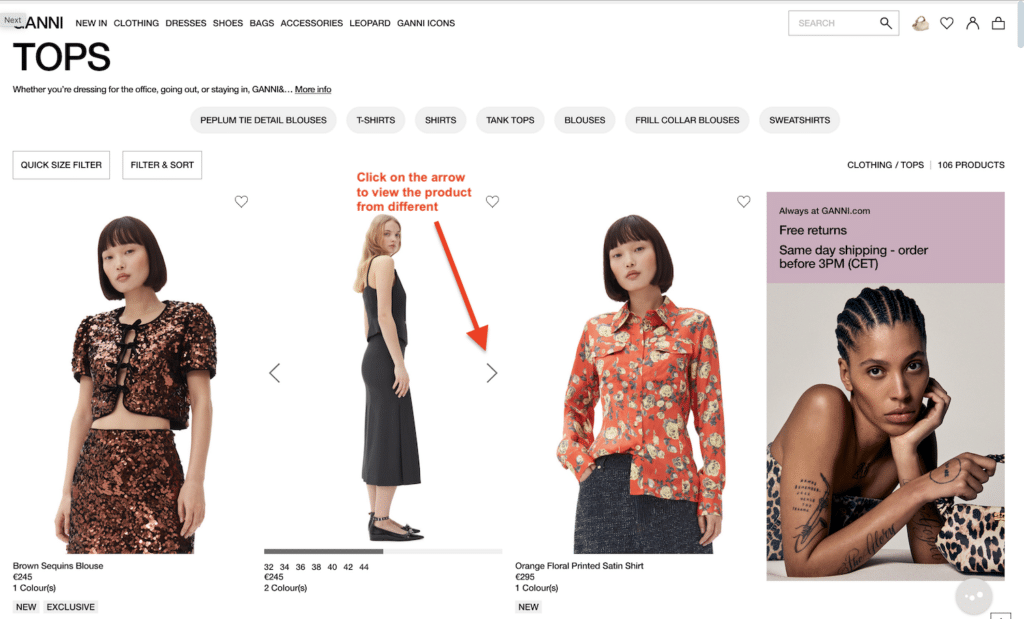
Market researchers emphasize that identifying the target audience’s specific intent is the first step in setting these objectives. For instance, a luxury fashion site like Ganni may focus on high-resolution visual storytelling to drive engagement, whereas a high-volume hardware retailer may prioritize robust filtering systems to help users find specific technical parts quickly.
The Anatomy of High-Performing Page Layouts
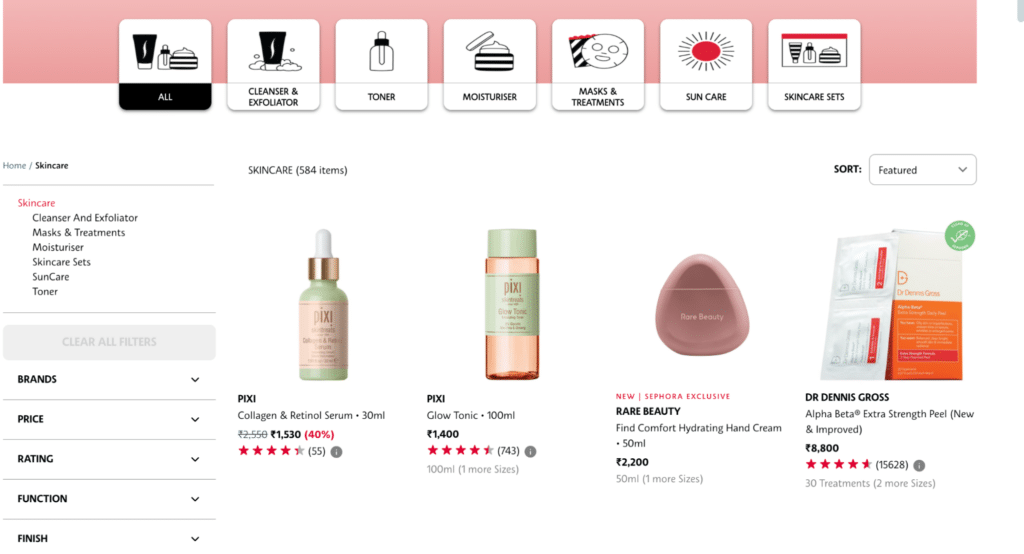
A well-structured category page is a masterpiece of information architecture. Experts in user interface (UI) and user experience (UX) design point to several non-negotiable elements that constitute a high-performing layout.
Header and Visual Hierarchy
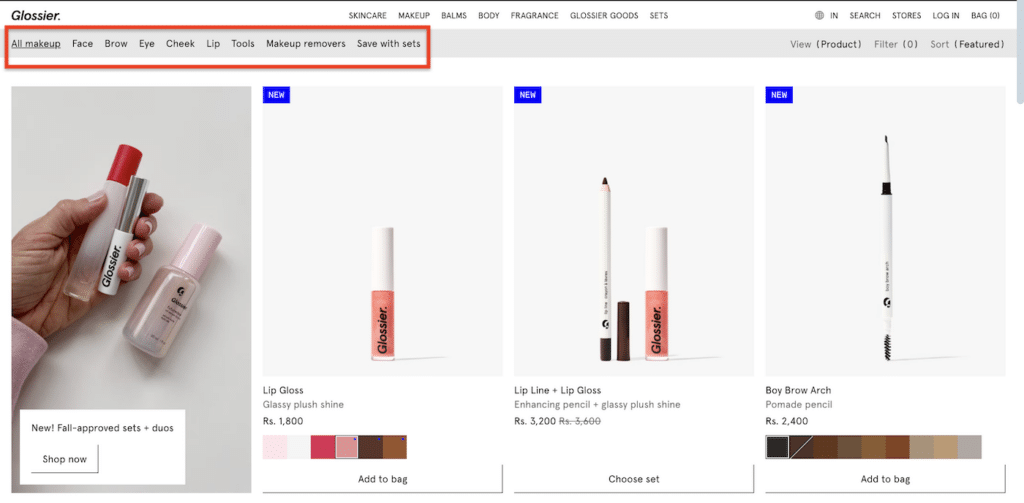
The category title must be both clear and SEO-optimized. Brands such as Glossier have mastered this by using precise, jargon-free terminology like "Face" or "Eyes." This clarity assists not only the human user but also search engine crawlers in understanding the page’s relevance. A clear visual hierarchy ensures that the most important information—such as new arrivals or best-sellers—is positioned above the fold.
Advanced Filtering and Faceted Navigation
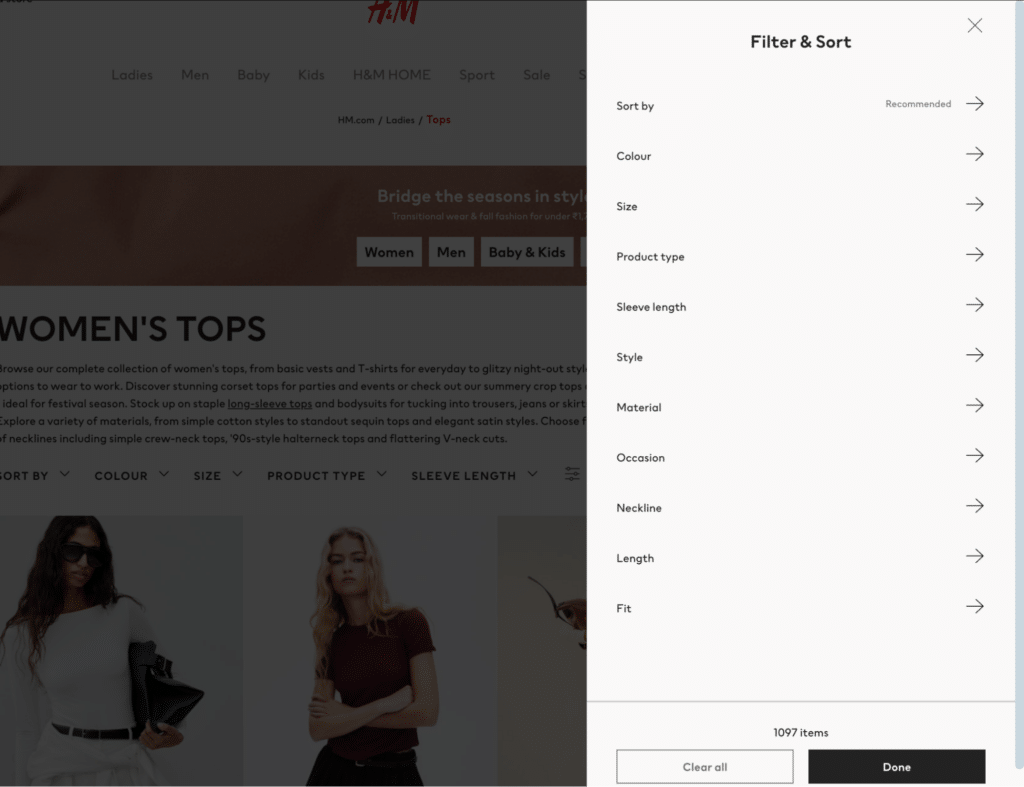
As inventories grow, the "Paradox of Choice" becomes a significant hurdle. When consumers are presented with too many options without adequate tools to narrow them down, they often experience decision fatigue and leave the site. Retailers like H&M mitigate this by offering granular filters including size, color, material, occasion, and neckline. Faceted navigation—the ability to apply multiple filters simultaneously—is now considered a baseline requirement for any serious e-commerce operation.
Quality of Product Listings
The presentation of products on a category grid must balance aesthetics with utility. High-quality, zoomable images allow for a "pre-evaluation" of the product before the user even clicks through to the product page. Contemporary fashion brands often employ "hover effects" where a second image (such as the product on a model) appears when the user’s cursor passes over the listing, providing additional context without requiring a page reload.
The Mobile-First Paradigm and Technical Optimization
The urgency for mobile optimization cannot be overstated. Projections indicate that by 2025, approximately 79% of all e-commerce sales will be conducted via mobile devices. This shift necessitates a move away from desktop-centric designs toward "thumb-friendly" interfaces.
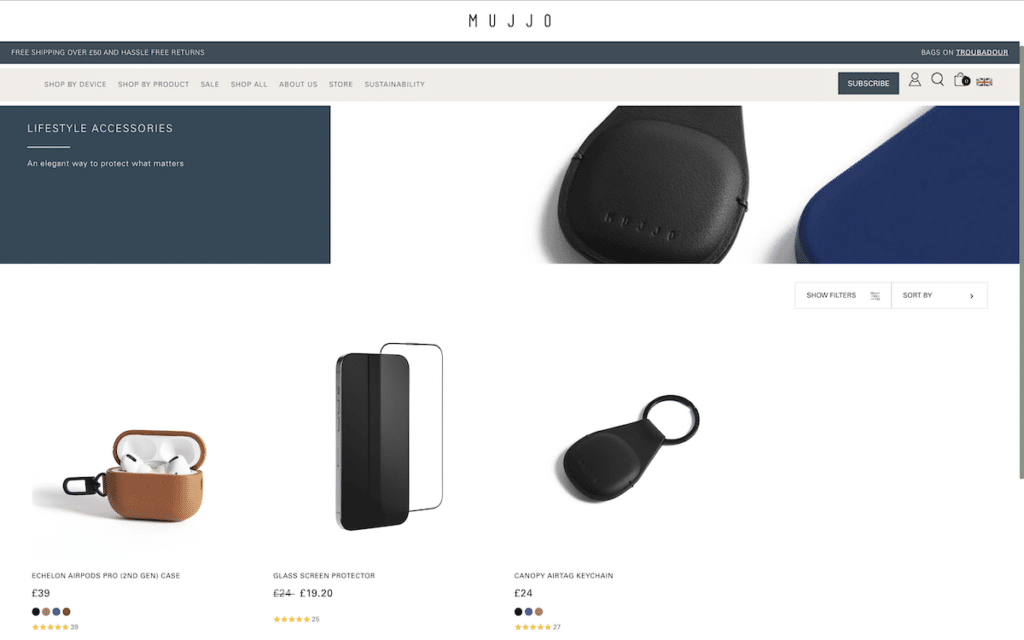
In a mobile context, screen real estate is at a premium. This has led to the rise of "hamburger menus" for navigation and "sticky" filter buttons that remain accessible as the user scrolls. Brands like Mujjo have set industry standards by utilizing minimalist designs with ample white space, ensuring that even on smaller screens, the product remains the focal point. Technical performance is equally vital; a one-second delay in mobile load times can result in a 7% reduction in conversions, according to data from Akamai.
Enhancing User Experience Through Psychological Triggers
Beyond the technical layout, the most successful e-commerce platforms utilize psychological triggers to enhance the user experience.
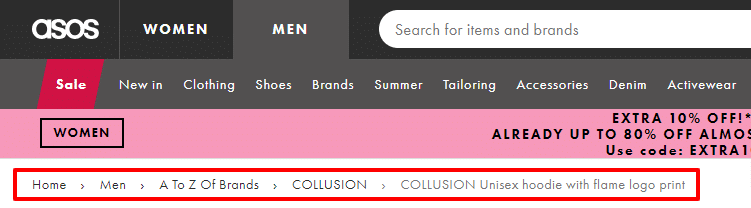
Breadcrumb Trails: These small navigational aids allow users to understand their current location within the site’s hierarchy and return to previous categories with a single click. This reduces "pogo-sticking"—the frustrating process of hitting the back button repeatedly to find a previous page.
Social Proof and Urgency: Integrating star ratings and "Low Stock" alerts directly onto the category page can significantly influence buyer behavior. Seeing that a product is highly rated by hundreds of other shoppers provides the necessary validation to move toward a purchase.
Promotional Integration: Strategic placement of discounts can act as a powerful nudge. ASOS, for example, often features "Limited Time Only" banners at the top of category pages. This creates a sense of urgency and encourages users to explore the discounted collection immediately.
Search Engine Optimization (SEO) Best Practices
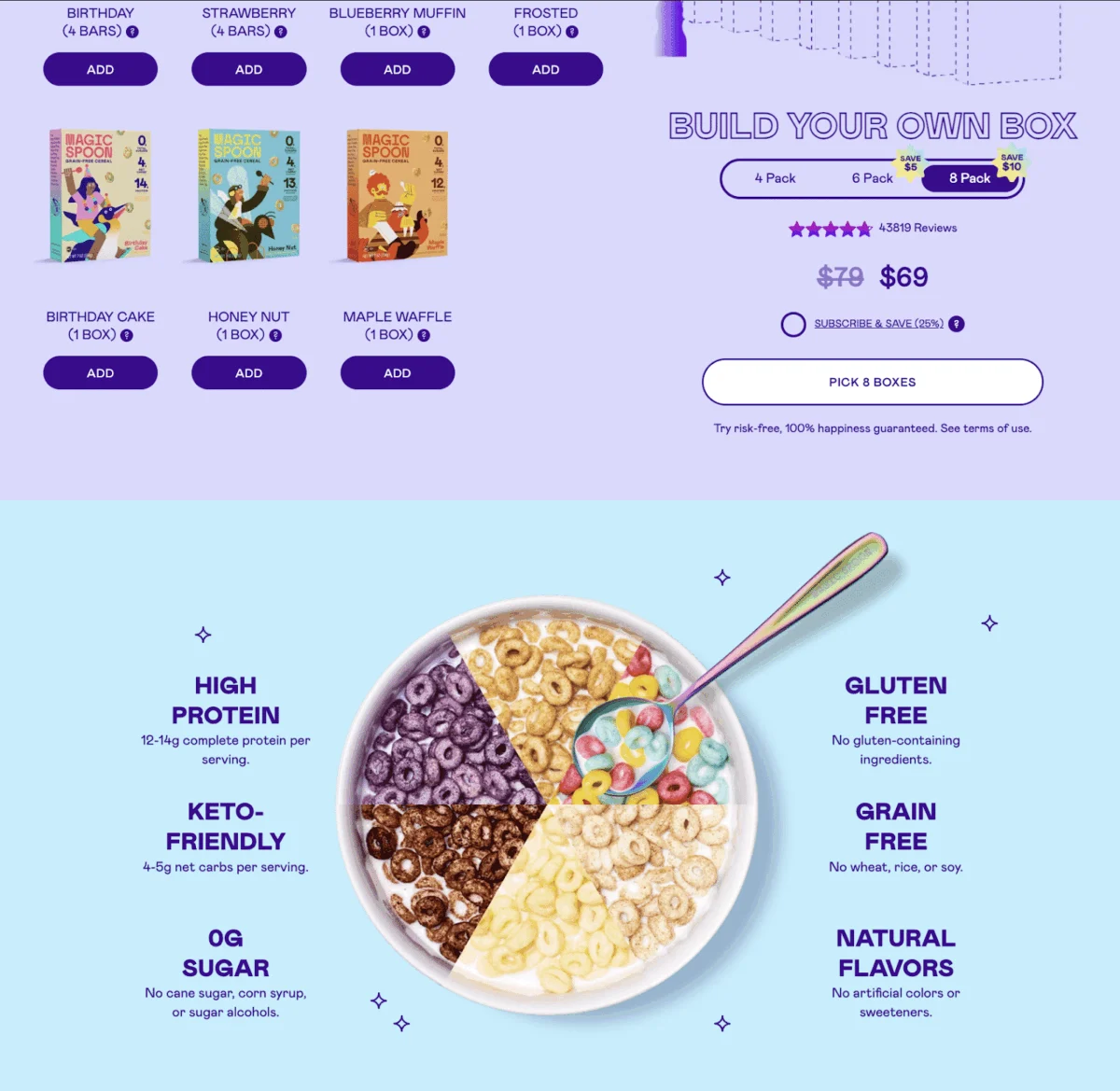
For a category page to be effective, it must first be discoverable. SEO specialists argue that category pages are often the most valuable pages for organic search traffic because they target "middle-of-the-funnel" keywords. While a homepage might rank for a brand name, a category page can rank for broader, high-volume terms like "women’s running shoes" or "keto-friendly cereal."
Effective SEO for these pages involves:
- Keyword-Rich Descriptions: Crafting unique, informative copy that explains the category’s value proposition while incorporating primary and LSI (Latent Semantic Indexing) keywords.
- Metadata Optimization: Ensuring that title tags and meta descriptions are under the recommended character limits while remaining persuasive enough to drive clicks from the Search Engine Results Page (SERP).
- Schema Markup: Implementing structured data to allow search engines to display "rich snippets," such as price ranges or average ratings, directly in the search results.
Data-Driven Iteration: The Analysis and Adjustment Phase
The final pillar of category page excellence is continuous improvement. The most successful e-commerce entities do not view their site design as a finished product but as a living laboratory. Utilizing tools like FigPii, retailers can access heatmaps that reveal where users are clicking and session replays that show exactly where they are getting stuck.
A/B testing is a critical component of this phase. Retailers may test two different versions of a category page—one with a three-column grid and one with a four-column grid—to see which yields a higher conversion rate. By monitoring metrics such as the "Add to Cart" rate directly from the category page, businesses can make incremental changes that lead to significant long-term revenue growth.
Broader Impact and Industry Implications
The optimization of e-commerce category pages represents a broader trend toward the "democratization of high-end UX." Technologies and design philosophies that were once reserved for giants like Amazon or Sephora are now accessible to mid-sized retailers. This shift is raising consumer expectations across the board; shoppers now expect a seamless, personalized experience regardless of the brand’s size.
Furthermore, the integration of Artificial Intelligence (AI) is beginning to transform category pages from static grids into dynamic, personalized environments. AI can now reorder product listings in real-time based on a user’s past browsing history, ensuring that the most relevant items are always at the top. As these technologies mature, the category page will continue to evolve, further blurring the line between a digital catalog and a personal shopping assistant.
In conclusion, the e-commerce category page is much more than a list of products; it is a sophisticated tool for navigation, persuasion, and conversion. By aligning clear business objectives with user-centric design, technical speed, and robust SEO, retailers can transform these pages into high-performing assets that drive sustainable growth in the digital age. Success in the modern marketplace requires a relentless focus on reducing friction and providing a clear, intuitive path for the consumer to follow.