

Lead generation serves as the primary engine for organizational growth, transforming passive interest into measurable revenue streams through a systematic funnel of engagement and conversion. In an era defined by fragmenting digital attention and the steady erosion of traditional tracking mechanisms, the ability to identify, attract, and nurture potential customers has evolved from a standard marketing function into a sophisticated, data-driven discipline. As of mid-2024, the landscape of lead generation is increasingly bifurcated between high-velocity outbound tactics and sustainable inbound ecosystems, necessitating a hybrid approach for businesses seeking long-term stability and a lower cost-per-acquisition (CPA).
The Strategic Prerequisite: Defining the Target Audience
Before any tactical implementation can occur, a rigorous definition of the target market and the ideal customer profile (ICP) is required. Industry data suggests that marketing efforts directed at a broad, non-specific audience result in a significantly lower return on investment (ROI) due to diluted messaging. To build an effective lead generation engine, organizations must first segment their market based on firmographics—such as industry, company size, and geographic location—and then drill down into the specific psychographics and pain points of the individual buyer.
The "target buyer" identification process involves answering critical questions regarding the prospect’s professional challenges, their daily responsibilities, and the specific triggers that lead them to seek a solution. Failure to establish these parameters often leads to "lead leakage," where traffic is successfully generated but fails to convert because the offer does not resonate with the visitor’s specific needs.

The Inbound vs. Outbound Dichotomy
Modern lead generation is categorized into two primary methodologies: inbound and outbound marketing. Each carries distinct advantages and resource requirements.
Inbound Marketing: This strategy focuses on "earning" the customer’s attention through the creation of valuable, relevant content. Common channels include Search Engine Optimization (SEO), blog content, and social media engagement. According to industry benchmarks from the Content Marketing Institute, inbound leads often cost 61% less than outbound leads because they leverage organic interest. The primary disadvantage is the temporal requirement; inbound strategies often take months to yield significant results.
Outbound Marketing: Conversely, outbound marketing involves direct outreach to prospects who may not be actively seeking a solution. This includes cold emailing, pay-per-click (PPC) advertising, and direct mail. The strength of outbound lies in its immediacy and predictability. It allows for rapid scaling but often suffers from higher costs and lower trust levels, as the interaction is initiated by the brand rather than the consumer.

A Detailed Analysis of 13 Core Lead Generation Strategies
To maximize conversion rates, marketers are increasingly deploying a multi-channel approach. The following 13 strategies represent the current gold standard for lead acquisition in 2024.
1. Conversion-Optimized Landing Pages
The landing page remains the most critical node in the lead generation network. Unlike a general homepage, a landing page is designed with a single goal: conversion. By removing navigational distractions and focusing on a singular call-to-action (CTA), businesses can significantly increase their conversion rates. Data indicates that using specialized landing page builders can help marketers iterate faster, testing different headlines and layouts to find the most effective combination.
2. Inbound Content Marketing Systems
Content marketing is an educational play. By publishing white papers, case studies, and informative articles, a brand establishes itself as a thought leader. This builds a "trust moat" around the business. For this to work as a lead generation tool, content must be gated—meaning users provide their contact information in exchange for access—or contain clear "lead magnets" such as downloadable templates.

3. Search Engine Optimization (SEO)
SEO provides a sustainable flow of high-intent traffic. When a prospect searches for a specific problem, appearing at the top of the Search Engine Results Page (SERP) provides immediate credibility. Modern SEO has shifted from keyword stuffing to "topic authority," where search engines reward sites that provide comprehensive, expert-level information on a subject.
4. Targeted Cold Email Outreach
Despite the rise of social media, email remains the most direct way to reach a professional buyer. However, the "spray and pray" method of the past has been replaced by hyper-personalization. Using intent signals—such as a company hiring for a specific role or receiving a new round of funding—allows sales teams to send emails that feel like helpful suggestions rather than intrusive advertisements.
5. Website Popups and Sticky Bars
While often maligned, popups and sticky bars remain highly effective when used with restraint. Exit-intent popups, which appear only when a user is about to leave the site, can recover up to 15% of "lost" leads. Sticky bars serve as a persistent but non-intrusive reminder of a current promotion or a new lead magnet.

6. Social Media Engagement
Social media serves two purposes: brand awareness and direct lead capture. Platforms like LinkedIn and TikTok have integrated lead generation forms that allow users to share their data without leaving the app, significantly reducing friction in the mobile user experience.
7. Pay-Per-Click (PPC) Advertising
PPC, particularly through Google Ads, allows businesses to "buy" their way to the top of the search results. This is ideal for testing new offers or scaling quickly during a product launch. The key to PPC success is the alignment between the ad copy and the destination landing page; a mismatch here leads to high bounce rates and wasted spend.
8. Webinars and Virtual Events
Webinars offer a high-touch engagement opportunity. Because they require a time commitment (typically 30 to 60 minutes), webinar registrants are often considered high-quality leads. They provide a platform to demonstrate product value in real-time and address prospect objections through live Q&A sessions.

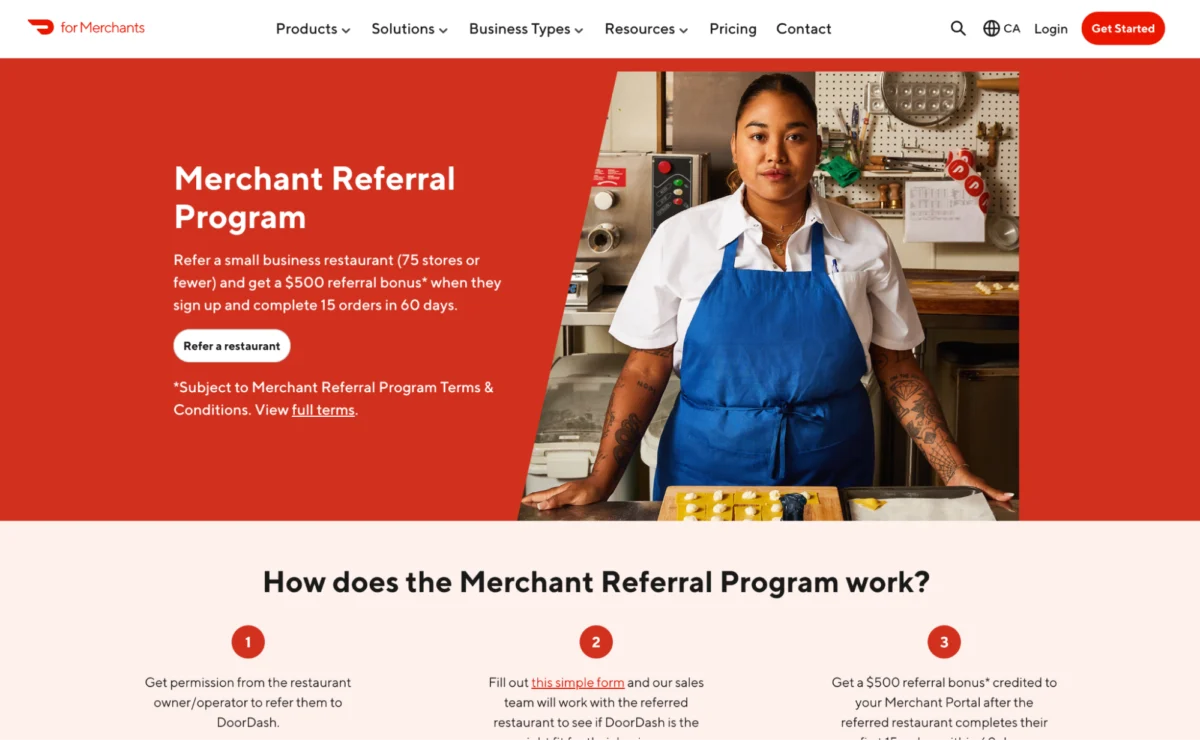
9. Referral Programs
Referral marketing leverages existing customer satisfaction to acquire new leads. Because these leads come with a "warm" recommendation from a peer, they typically close at a higher rate and have a higher lifetime value (LTV). Incentivizing these referrals with discounts or bonuses creates a self-sustaining growth loop.
10. Influencer and Creator Partnerships
The creator economy has transformed how brands reach niche audiences. Partnering with industry influencers allows a brand to "borrow" the trust the influencer has built with their audience. This is particularly effective in B2B spaces where "micro-influencers" on LinkedIn or specialized newsletters hold significant sway.
11. Retargeting Campaigns
Most website visitors do not convert on their first visit. Retargeting uses cookies or first-party data to show ads to those previous visitors as they browse other parts of the internet. This keeps the brand top-of-mind and serves as a nudge for the prospect to return and complete their conversion.

12. Free Trials and Product Demos
For software and service-based businesses, the "Costco strategy" of offering a free sample is peerless. A free trial removes the financial risk for the prospect and allows the product to prove its own value. This shifts the marketing focus from "selling" to "onboarding."
13. Interactive Tools and Quizzes
Quizzes and calculators (such as an ROI calculator) provide immediate, personalized value to the user. Because the results are tailored to the user’s specific inputs, they are highly engaging and have some of the highest conversion rates of any lead generation tactic.
Supporting Data and Industry Trends
Recent studies from Gartner indicate that the "buyer’s journey" is now 70% complete before a prospect even reaches out to a sales representative. This shift underscores the importance of the inbound strategies mentioned above. Furthermore, the rise of Artificial Intelligence (AI) is fundamentally altering lead generation. AI-driven chatbots can now qualify leads in real-time, 24/7, ensuring that no potential customer is left waiting for a response.

Chronology of a Successful Lead Generation Campaign
A standard high-performing campaign typically follows this timeline:
- Weeks 1-2: Market research and ICP definition.
- Weeks 3-4: Asset creation (landing pages, lead magnets, ad copy).
- Month 2: Launch of paid channels (PPC, Social Ads) to generate immediate data.
- Month 3: Optimization based on initial conversion data; launch of long-term SEO content.
- Month 6+: Evaluation of Lead-to-Close ratios and scaling of the most profitable channels.
Broader Implications for Business Growth
The evolution of lead generation represents a broader shift toward "permission-based marketing." As privacy regulations like GDPR and CCPA become more stringent, and as third-party cookies are phased out by major browsers, businesses must prioritize the collection of first-party data. An effective lead generation strategy is no longer just about filling a sales pipeline; it is about building a proprietary database of interested prospects that the company can engage with directly, independent of changing algorithm whims or advertising costs. Organizations that master these 13 strategies will find themselves with a significant competitive advantage in an increasingly crowded digital marketplace.







