

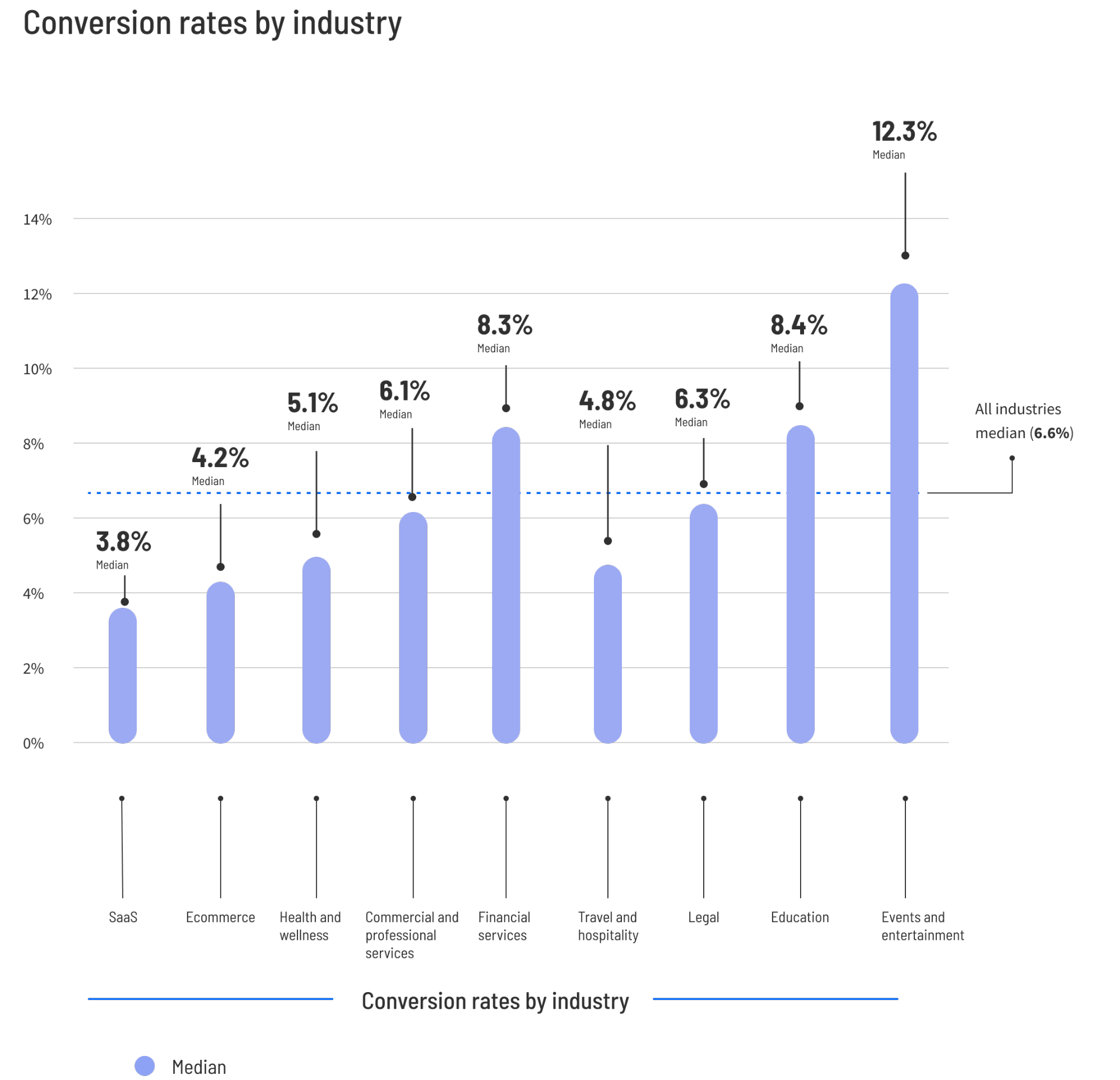
The digital marketing landscape has reached a critical inflection point where the cost of acquiring traffic continues to rise, making the efficiency of landing pages more vital than ever for business sustainability. According to the latest comprehensive data from Unbounce’s 2024 Conversion Benchmark Report, which analyzed over 57 million conversions across 41,000 landing pages and 464 million pageviews, the median conversion rate across all industries currently sits at 6.6%. This figure serves as a primary baseline for marketers, yet it masks a complex reality of performance disparities driven by industry-specific consumer behaviors, device preferences, and traffic sources.

In the current economic climate, where marketing budgets are under increased scrutiny, understanding what constitutes a “good” conversion rate has shifted from guesswork to a data-driven science. While 6.6% is the median, top-tier performers—those in the 75th percentile—are achieving rates between 11.4% and 40.8%. This gap highlights a significant opportunity for brands to move beyond average performance by implementing systematic optimization strategies tailored to their specific market niches.
The Evolution of Conversion Metrics: From Averages to Medians
To accurately interpret these benchmarks, digital analysts emphasize the importance of using median values rather than simple averages. In large datasets, averages are frequently skewed by “unicorn” pages that achieve abnormally high conversion rates or by poorly managed campaigns that fail to convert entirely. By focusing on the median, the 2024 report provides a more realistic “middle-of-the-pack” reference point.

Industry experts, including Josh Gallant, founder of Backstage SEO, suggest that benchmarks should be viewed as a starting line rather than a finish line. The success of a conversion rate optimization (CRO) program is increasingly dependent on how well a landing page aligns with the specific intent of the visitor. For instance, a visitor arriving via a high-intent search query for emergency legal services behaves fundamentally differently than a consumer browsing a social media feed for fashion inspiration.
Sector-Specific Performance Analysis
The 2024 data reveals that conversion performance is highly siloed by industry. Each sector faces unique psychological barriers and friction points that dictate the “ceiling” of what a good conversion rate looks like.
Ecommerce and SaaS: High Friction, Lower Medians
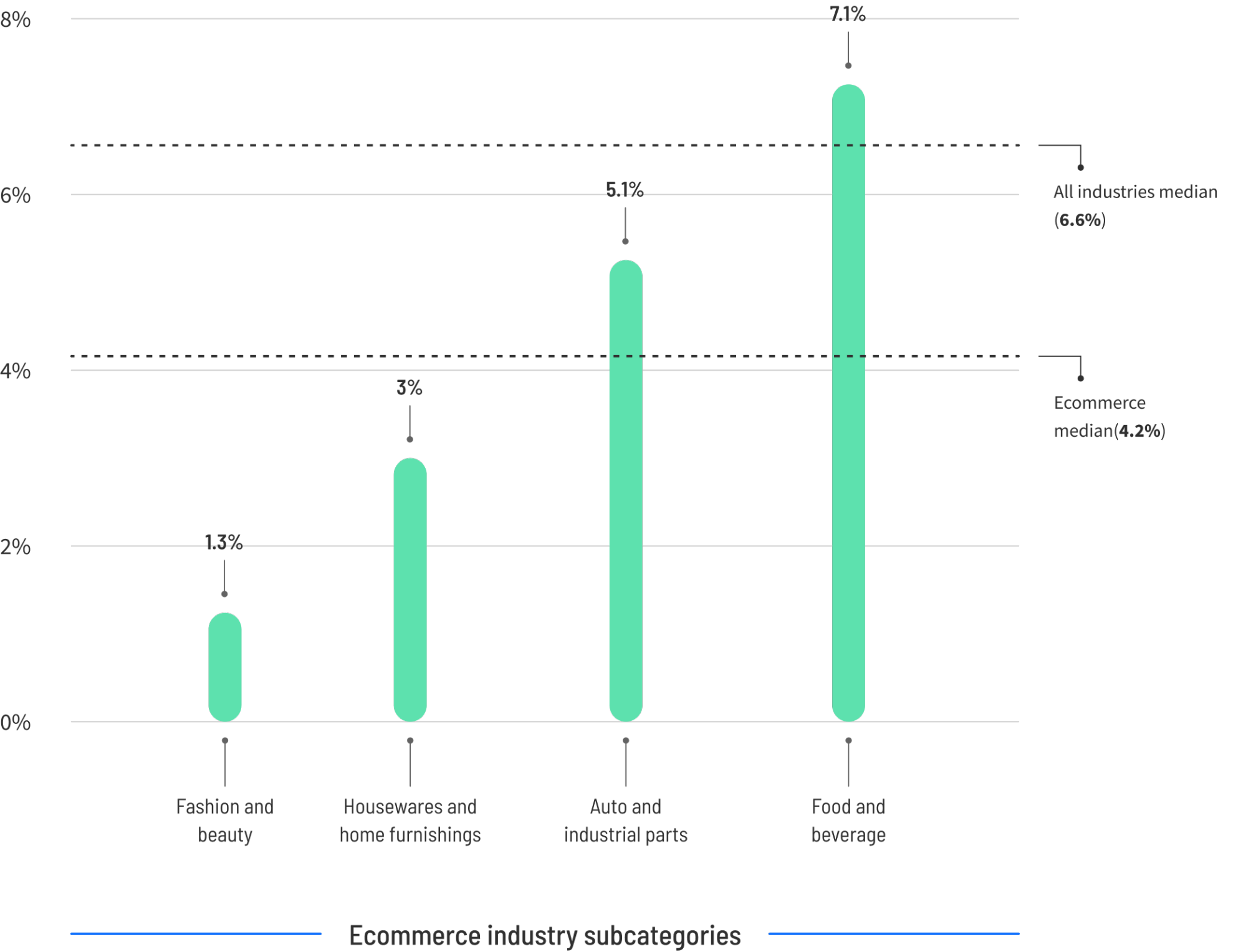
Ecommerce landing pages currently see a median conversion rate of 4.2%. This sector is characterized by intense competition and a broad mix of campaign types, ranging from seasonal flash sales to long-term brand building. Within ecommerce, sub-sectors show significant variation; food and beverage pages lead with a 7.1% median, while fashion and beauty lag at 1.3%. Top-performing ecommerce sites (the top 25%) are hitting 11.4% or higher, often by leveraging high-quality visual assets and streamlined checkout processes.
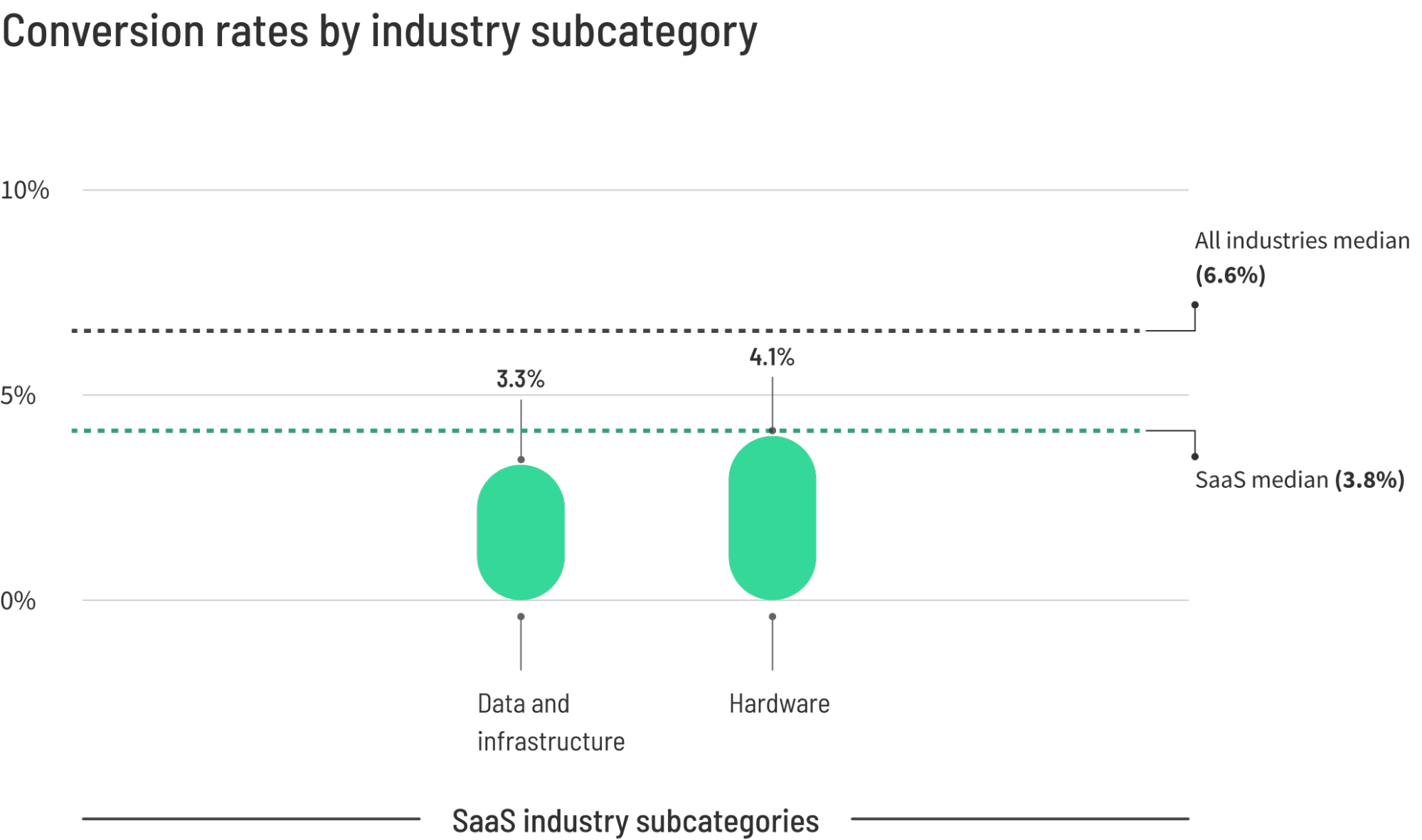
The SaaS (Software as a Service) sector records a slightly lower median of 3.8%. This is attributed to the inherent complexity of software products, which often require longer sales cycles and higher levels of user consideration. However, SaaS companies that successfully articulate their value proposition can reach a 75th-percentile benchmark of 11.6%. Hardware-focused SaaS solutions (4.1% median) currently outperform data and infrastructure solutions (3.3% median), suggesting that tangible utility remains easier to convert than abstract technical services.
Professional and Financial Services: The Power of Intent
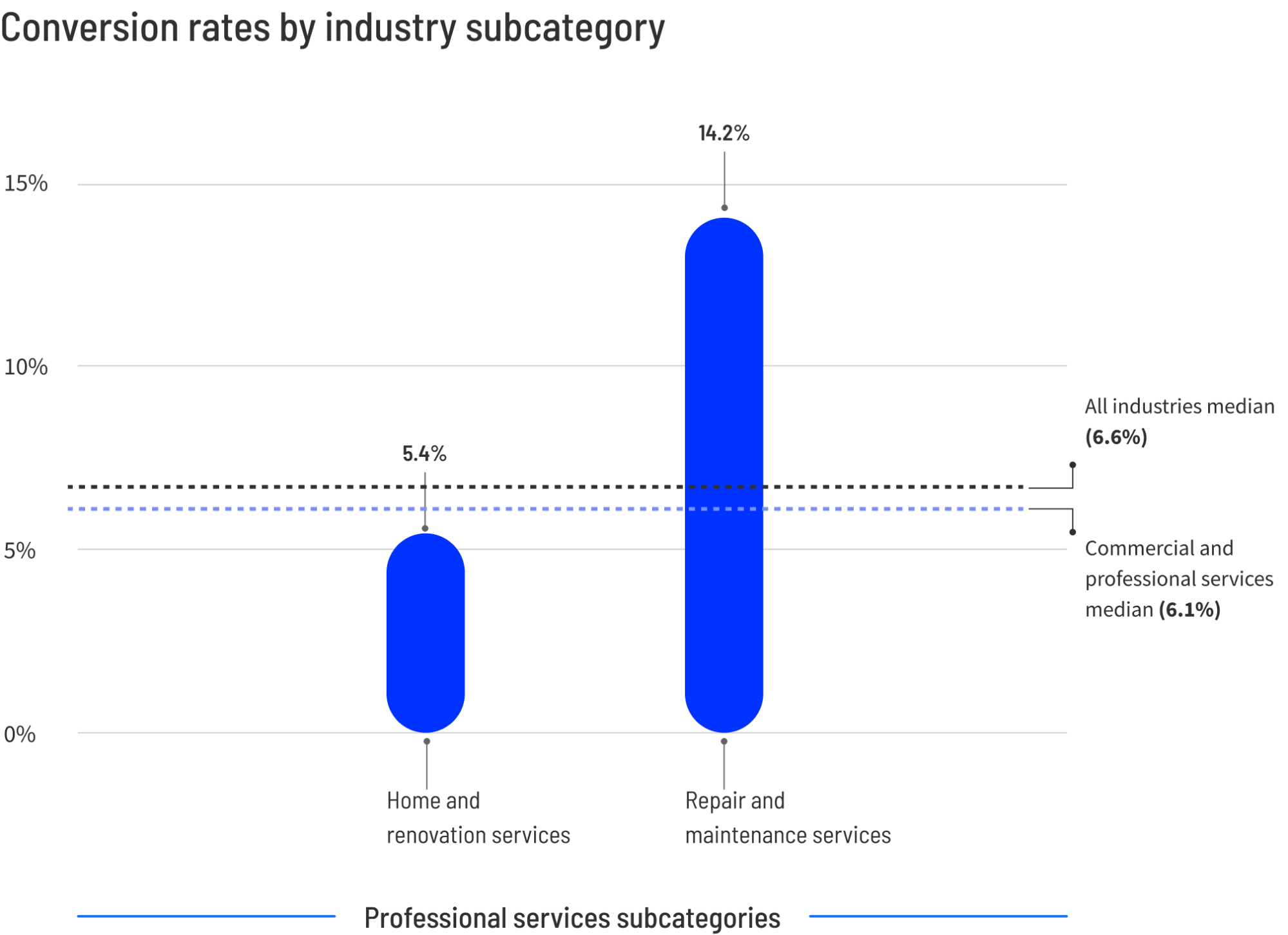
Professional services, including consulting and home maintenance, maintain a median conversion rate of 6.1%. This category benefits from high-urgency needs; for example, repair and maintenance services convert at nearly triple the rate of home renovation services. The top performers in this space achieve rates of 14.1% or higher.
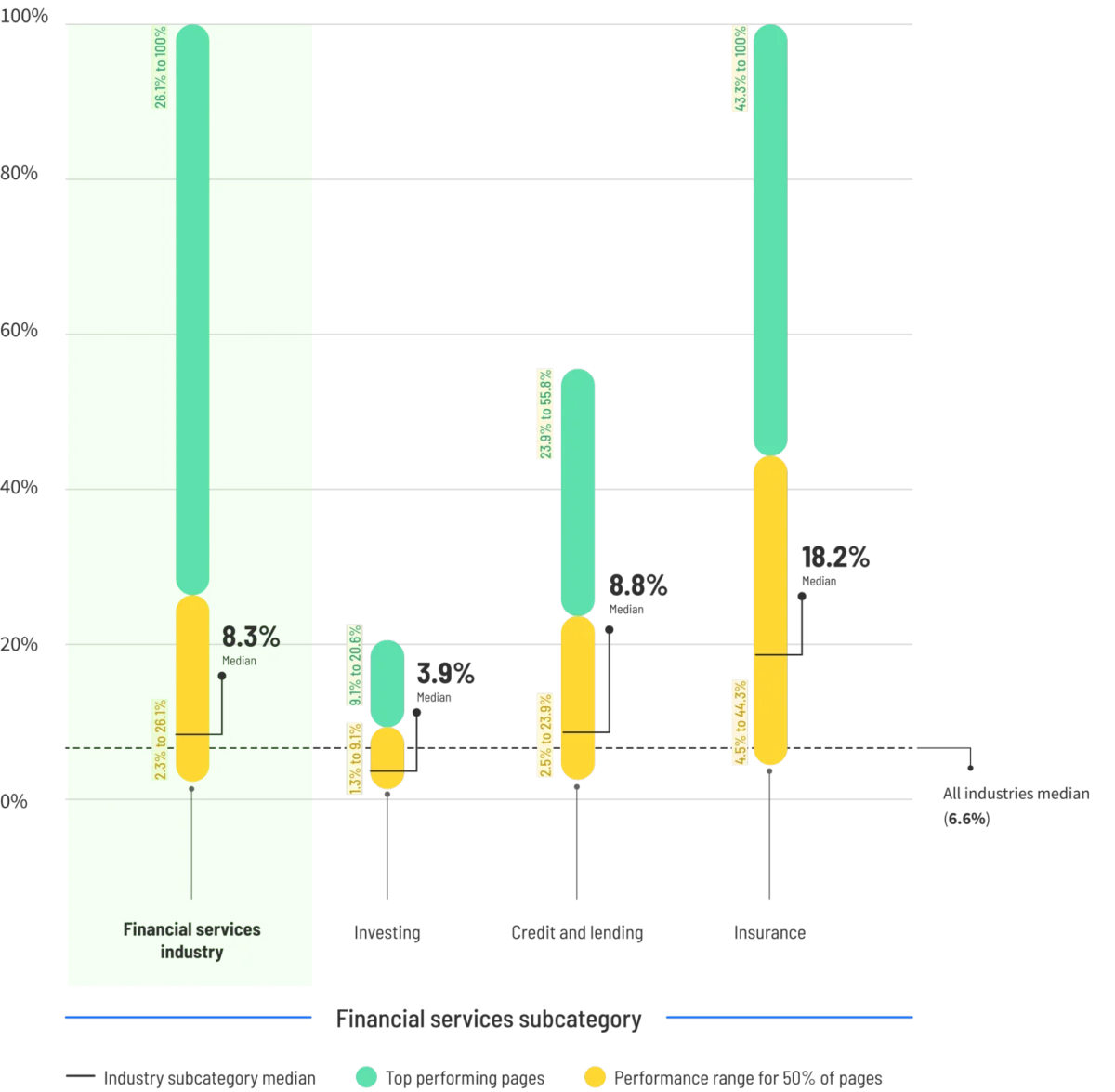
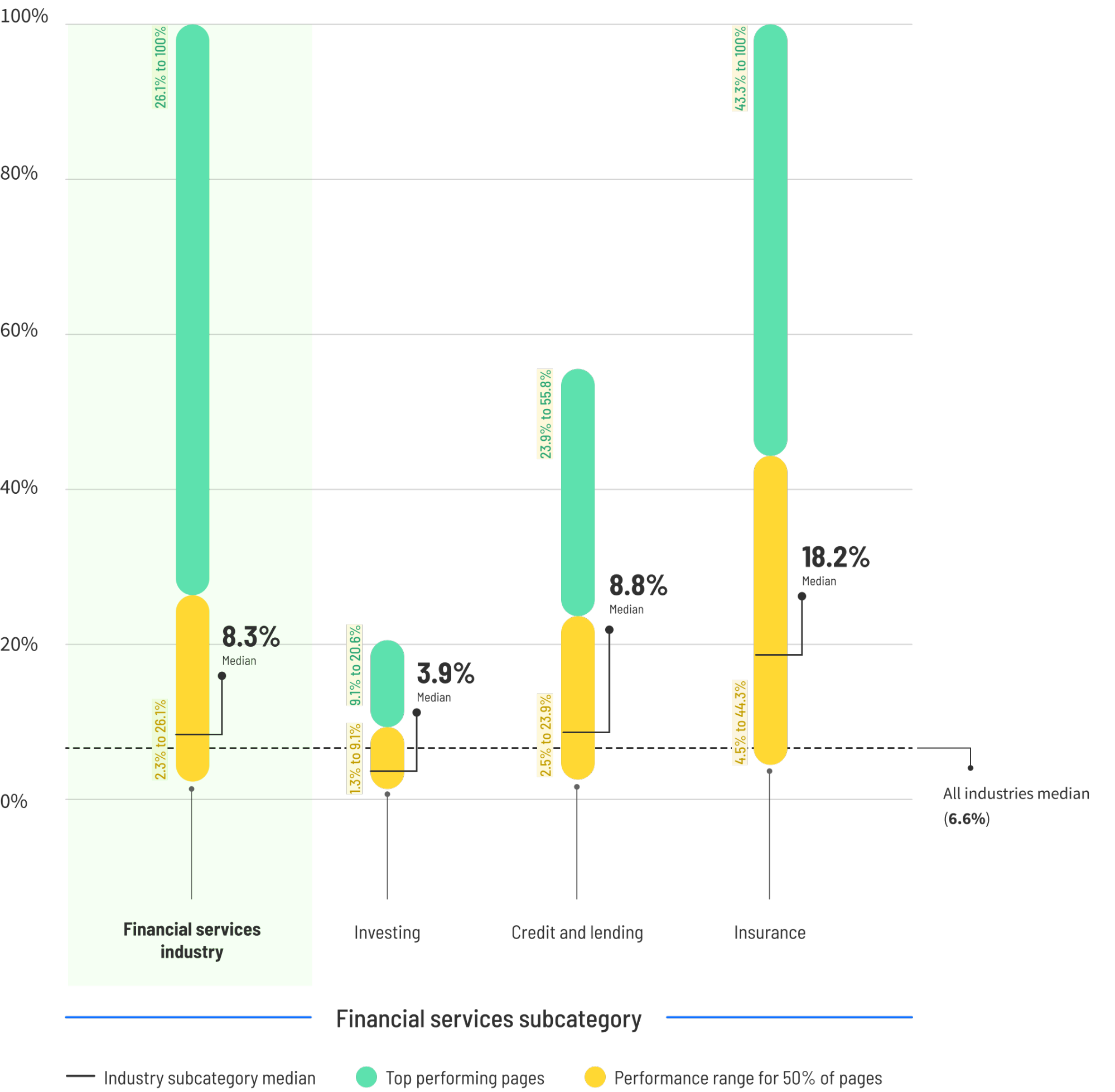
The financial services industry continues to be a high-performance outlier with a median conversion rate of 8.3%. This sector is driven by high-intent consumer behavior, particularly in the insurance sub-category, which boasts a median of 18.2%. Conversely, investment services see a lower median of 3.9%, reflecting the higher degree of trust and research required for long-term financial commitments. Notably, in the financial sector, mobile traffic converts 27.8% better than desktop, a reversal of the trend seen in most other industries.
High-Perception Industries: Legal, Education, and Entertainment
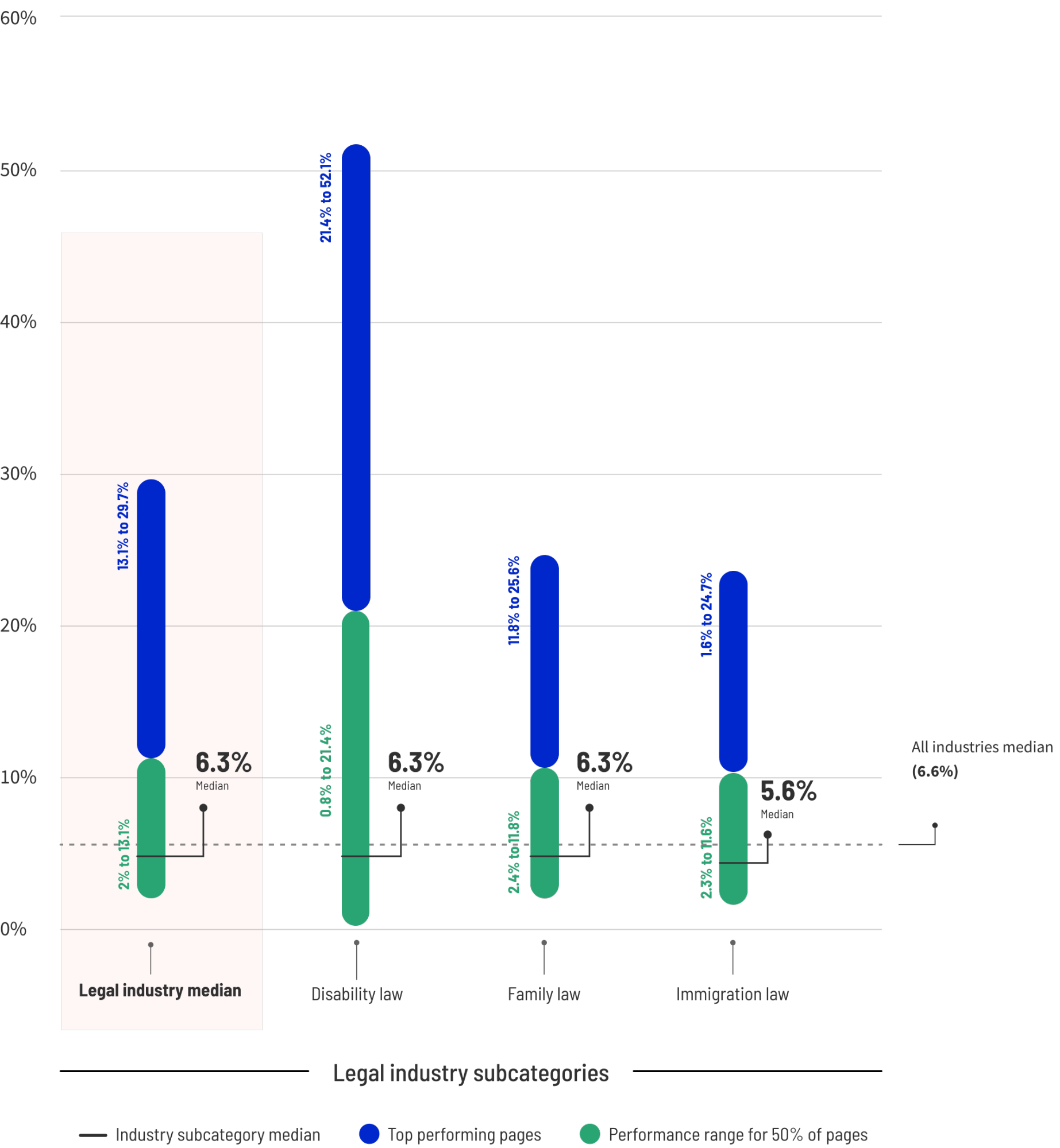
Legal services landing pages show a median of 6.3%, with top performers reaching 13.1%. The data indicates that legal conversions are heavily mobile-centric, with mobile conversion rates (21%) significantly outpacing desktop (15.9%). This suggests that many legal leads are generated during urgent, “on-the-go” situations.
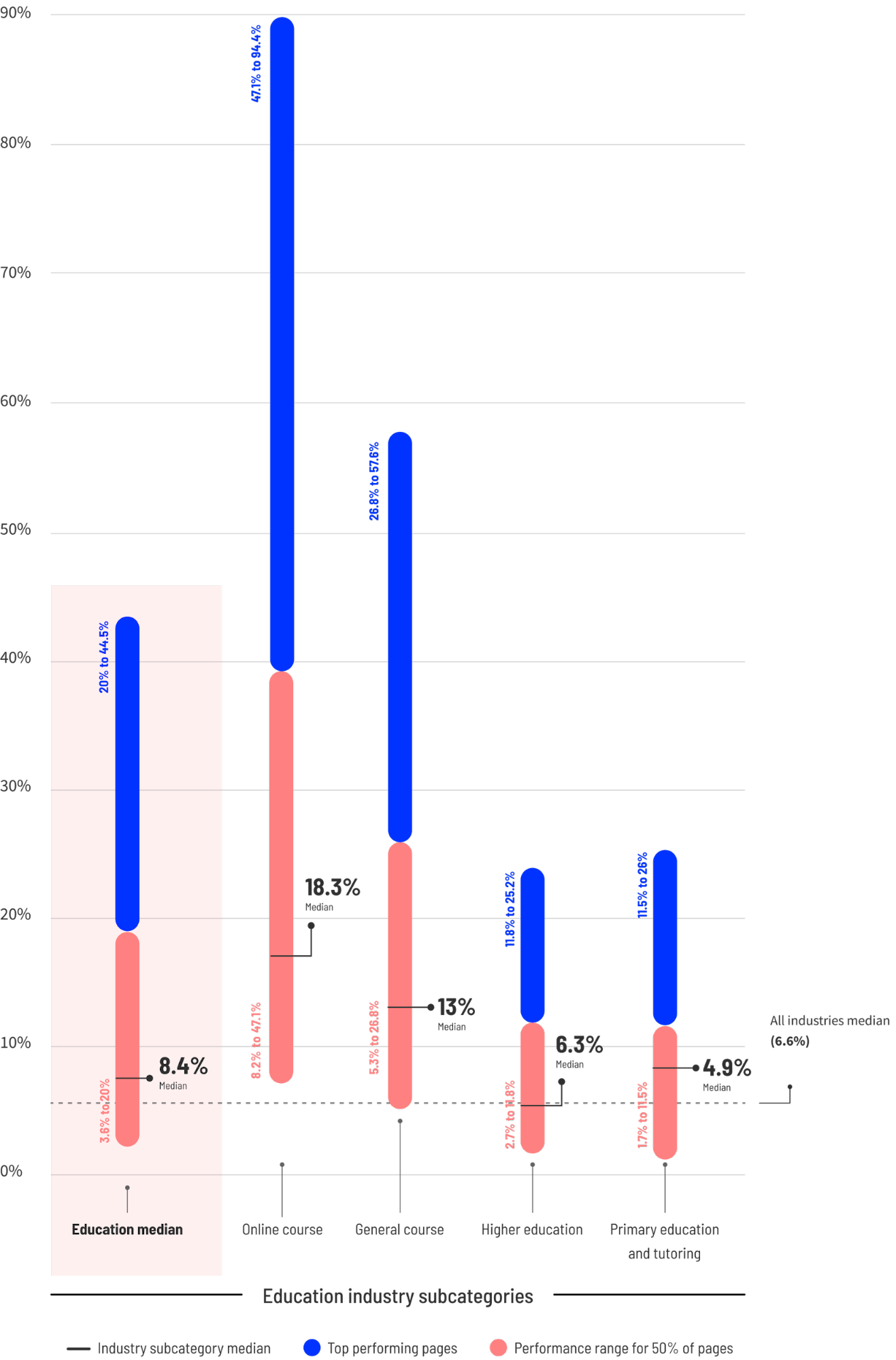
The education sector has emerged as a leader in conversion efficiency, with a median rate of 10.4%. Online courses are particularly effective, seeing a median of 18.3%. This success is largely attributed to the clear, transformative value propositions offered by modern digital learning platforms.
The entertainment industry records a median conversion rate of 13.4%, but this figure is heavily influenced by sweepstakes and contest pages, which can convert as high as 47.5%. In these instances, the low friction of the conversion action (often just an email entry) facilitates higher volume.
Chronology of Landing Page Strategy
The transition from 2023 to 2024 marked a shift in how marketers approach landing page construction. Historically, the focus was on high-traffic volume. However, as privacy regulations like GDPR and CCPA have matured, and third-party cookies have faced deprecation, the focus has shifted toward maximizing the value of every single visitor.
- The Era of Static Pages (Pre-2020): Focus was on basic A/B testing of button colors and headlines.
- The Rise of Personalization (2020-2022): Marketers began using dynamic text replacement to match ad copy to landing page headlines.
- The AI and Intent Era (2023-Present): Current strategies involve using machine learning tools, such as Unbounce’s Smart Traffic, to automatically route visitors to the page variant most likely to convert based on their historical behavior and device profile.
The Role of Traffic Channels and Device Types
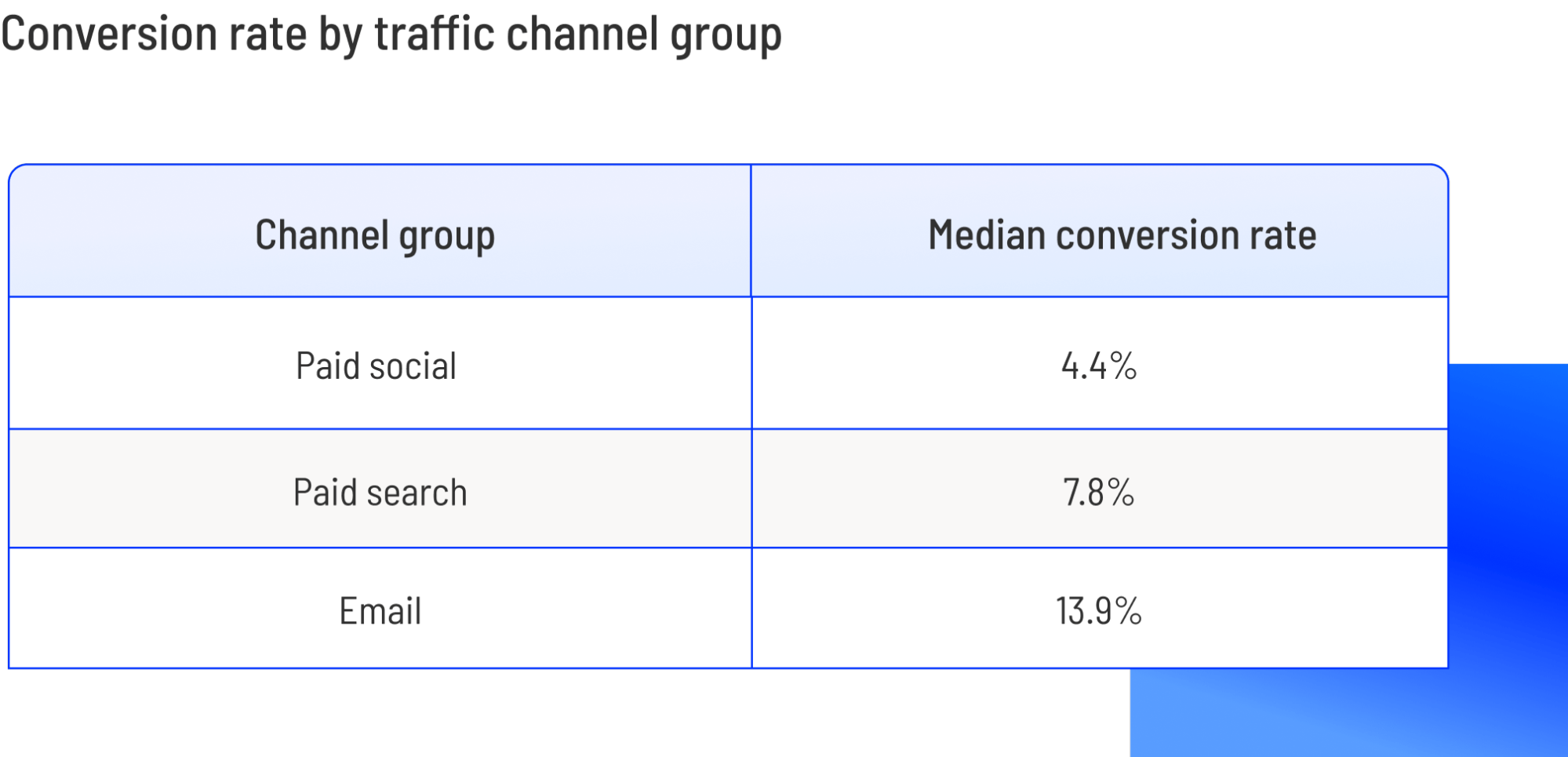
A critical finding in the 2024 report is the impact of traffic sources on conversion outcomes. Across most professional sectors, email remains the highest-converting channel. In professional services, email traffic converts at approximately 14%, while paid social traffic lags at 4.4%. This underscores the importance of lead nurturing and the continued relevance of “owned” media over “rented” social audiences.
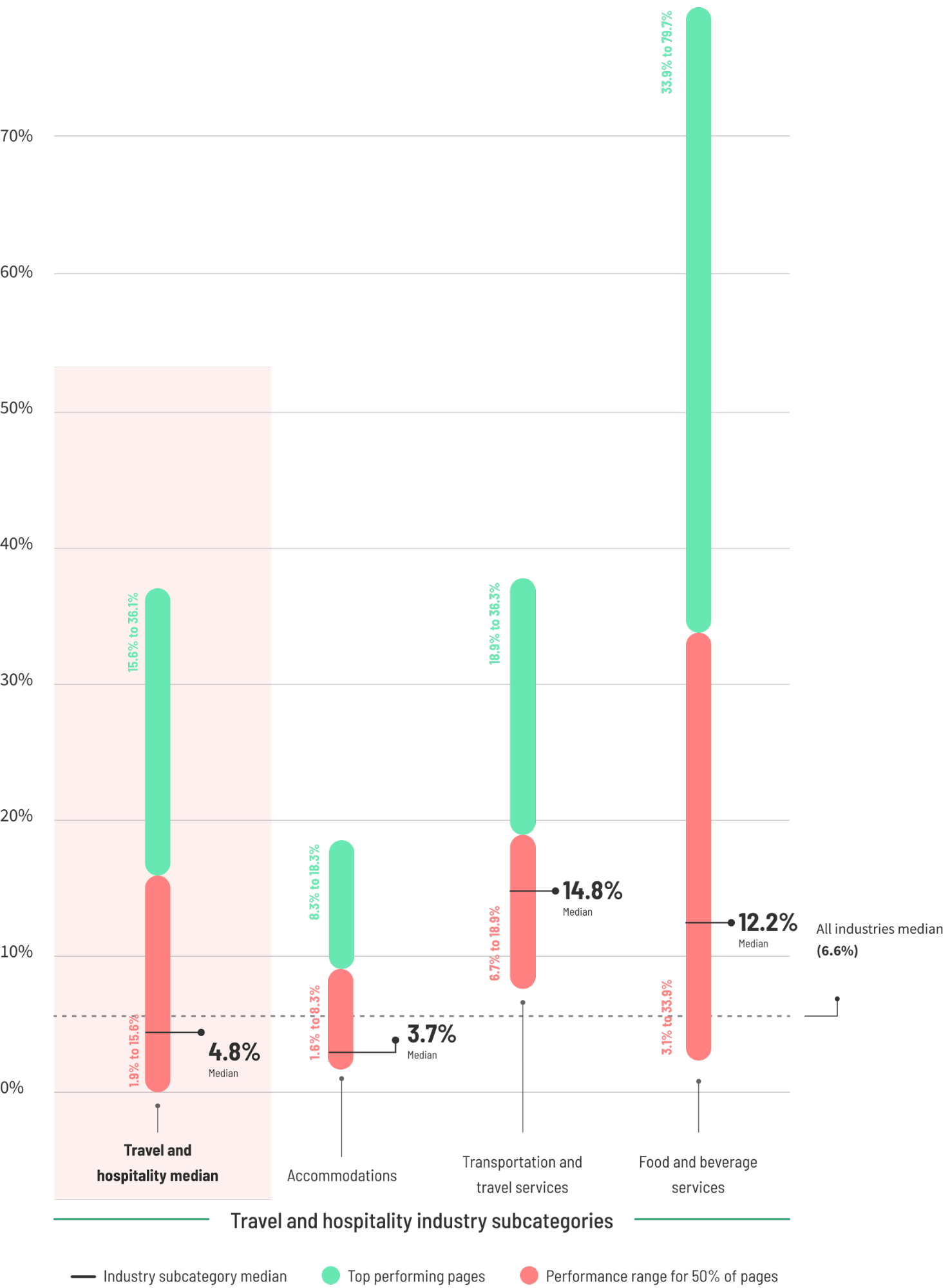
Device type also plays a decisive role. While mobile accounts for a staggering 83% of all landing page visits, it does not always yield the highest conversion rates. In the travel and hospitality industry, for example, desktop traffic converts 10.4% better than mobile. This suggests that while consumers use mobile devices for initial research and “dreaming” about vacations, they prefer the perceived security and larger screen real estate of a desktop to finalize expensive bookings.
Strategic Implications and Optimization Tactics
For organizations looking to bridge the gap between median and top-tier performance, the 2024 data suggests five high-impact areas for optimization:
1. Linguistic Accessibility
One of the most profound findings in the report is the correlation between reading ease and conversion. Pages written at a 5th-to-7th-grade reading level convert at a median of 11.1%. This is significantly higher than pages using “professional” or academic language (8th-9th grade levels), which see a 56% drop in conversion efficiency. Journalists and marketers alike are encouraged to avoid jargon and prioritize clarity.
2. Social Proof Integration
As consumer skepticism grows, the placement of social proof—testimonials, reviews, and trust badges—has become essential. High-performing pages no longer bury these elements at the bottom but place them near primary Call-to-Action (CTA) buttons to mitigate “buyer’s remorse” at the moment of decision.
3. Mobile Friction Reduction
Given that the vast majority of traffic is mobile, any friction in the mobile user experience (UX) is magnified. Optimization now requires testing on actual devices to ensure that form fields are easy to tap and that page load speeds are under two seconds.
4. Intent Matching
The data reinforces the need for “message match.” If an ad promises a specific solution, the landing page must immediately validate that promise. High-converting pages in the legal and financial sectors excel at this by addressing the visitor’s pain point in the primary headline.
5. Distraction Elimination
Top-performing landing pages act as “closed loops.” By removing standard website navigation menus and social media icons, marketers can keep the user’s focus entirely on the single conversion goal.
Broader Impact on the Digital Economy
The implications of these benchmarks extend beyond individual marketing departments. As conversion rates improve, the return on ad spend (ROAS) stabilizes, allowing businesses to reinvest in product development and customer service. Furthermore, the shift toward higher-quality, clearer landing pages improves the overall user experience of the internet, rewarding brands that prioritize user needs over aggressive sales tactics.
The 2024 benchmarks confirm that while the “average” conversion rate remains a useful metric for general health checks, the path to excellence is highly specialized. As AI continues to integrate into CRO tools, the ability to test and iterate rapidly will become the primary competitive advantage for digital marketers in 2025 and beyond. Organizations that ignore these industry-specific nuances risk falling into the “median trap,” where rising acquisition costs eventually outpace stagnant conversion performance.







